
At Castelmaurou, girls’ development must become a pathway, not a poster
The real test is not whether a programme is launched, but whether it keeps teenage girls inside the club ecosystem. Occitanie has opened a practical route; the question is whether others will make it last.
A good sign, if it does not stop at symbolism
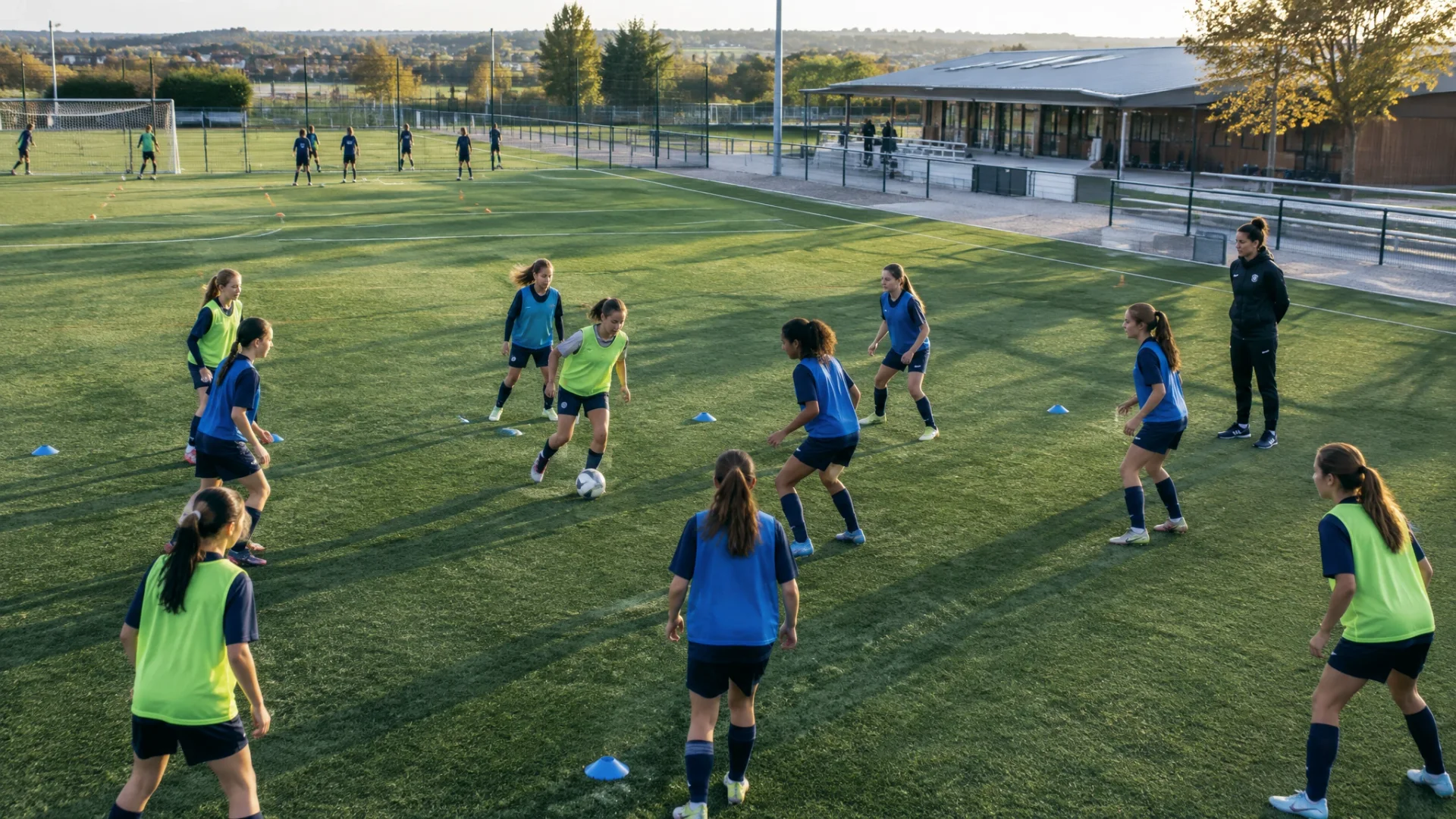
On 23 October, at the regional football centre in Castelmaurou, the Ligue de Football d’Occitanie brought together 41 girls and their tutors around a programme aimed at 14- to 18-year-olds and designed to move them toward greater responsibility inside their clubs. The content is concrete: leadership, prevention, menstrual education, first aid and a step toward a FFF coaching course. That is specific, and already more serious than generic talk about “women’s participation”. [1]
But the useful question is not whether the initiative is welcome. It is. The real question is whether the federation and the leagues now treat this kind of action as a retention pathway for the amateur game, rather than as a one-off event that disappears after the launch photo.
Sources : [1] Ligue de Football d’Occitanie ↗
The right target is not the star, it is the football recruit
What makes this programme interesting is that it changes the usual target. For too long, policies for girls have mainly promised participation. Here, the door also opens to coaching, refereeing, responsibility and, eventually, club leadership. That is a sturdier idea: a club is less likely to lose a young person who can see a useful place for herself in its structure than one who is simply told to “play sport”.
French football needs that kind of intermediate layer. Not every club will produce elite players, and that is not even the main point of a scheme like this. But every club needs people who can explain, welcome, organise and reassure. If women’s development never reaches those functions, it remains an incomplete promise.
Consistency matters more than communication
On 30 October, the Ligue Bourgogne-Franche-Comté announced a date at its headquarters dedicated to training and the IR2F, and placed the women’s U18 Nike Cup within the draw programme. That detail matters more than it may first appear: it shows that a women’s competition can be positioned alongside a training agenda rather than pushed into an administrative side note. [2]
That is exactly the shift worth watching. If leagues keep launching schemes without continuity, they create institutional fatigue. If they connect those schemes to readable pathways, useful modules and clear follow-up inside clubs, they can build something stronger than a slogan. Women’s football does not only need visibility; it needs roles to fill.
What fans should take from it
A supporter may ask why a programme for future female coaches or club leaders should matter. Because a club is held together not only by results, but by the quality of the people who stay. A good development pathway keeps volunteers in the game, stabilises youth sections, improves welcome and reduces dependence on exhausted goodwill. You do not see that on a Saturday night, but you feel it over three seasons.
My view is simple: if the FFF and the leagues want to convince anyone, they must measure success not by launch-day noise, but by whether these girls are still there six months later, and then a year later, in a clear role. That is where federal policy earns credibility: in continuity, not display.
Read next
 Opinion
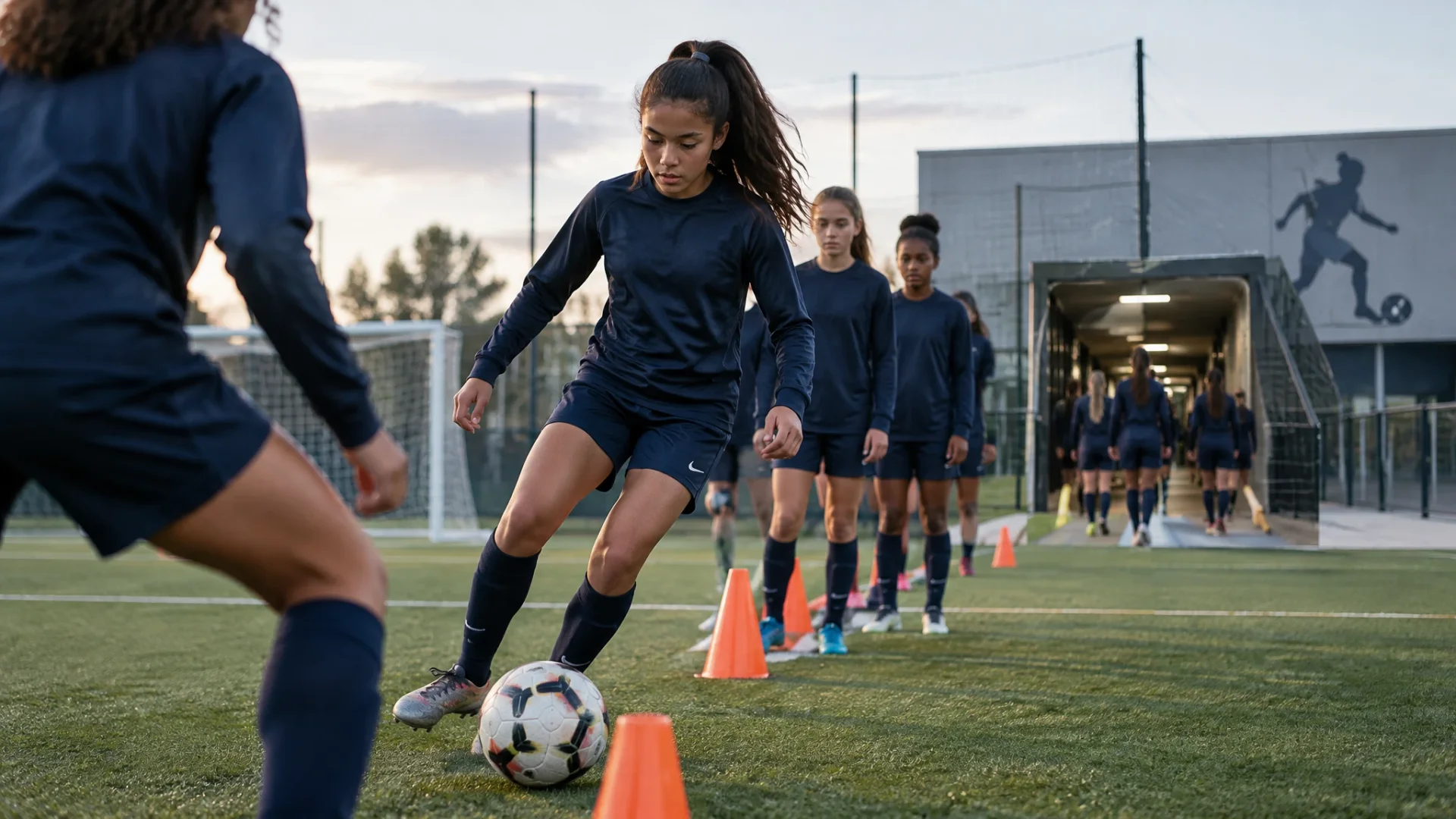
PSG, U14F, U15F: French women’s development is finally tightening its pathway
Do PSG’s pre-academy and the regional U14F/U15F steps mark genuine structure, or just another layer of selection?
 Camille LaurentAcademies & breakthrough seasons
 Opinion
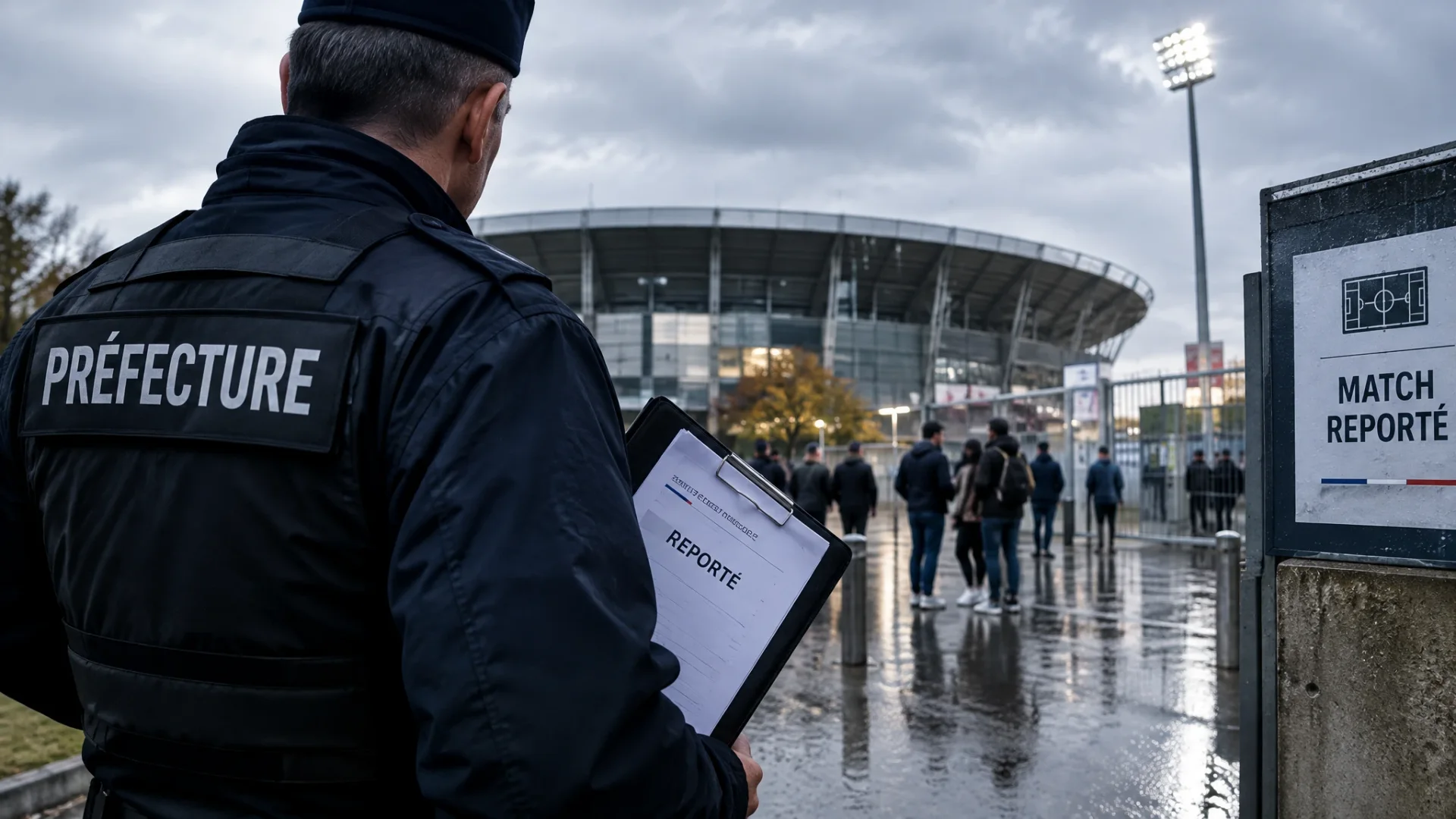
Nice, Lyon, Rennes: when prefects set Ligue 1’s tempo
The reshuffled dates for Nice-Rennes and OL-Angers are not just a calendar nuisance. They show how prefectural security decisions are increasingly shaping Ligue 1’s sporting rhythm.
 Étienne MorelThe football, the clubs, the decisions
 Opinion
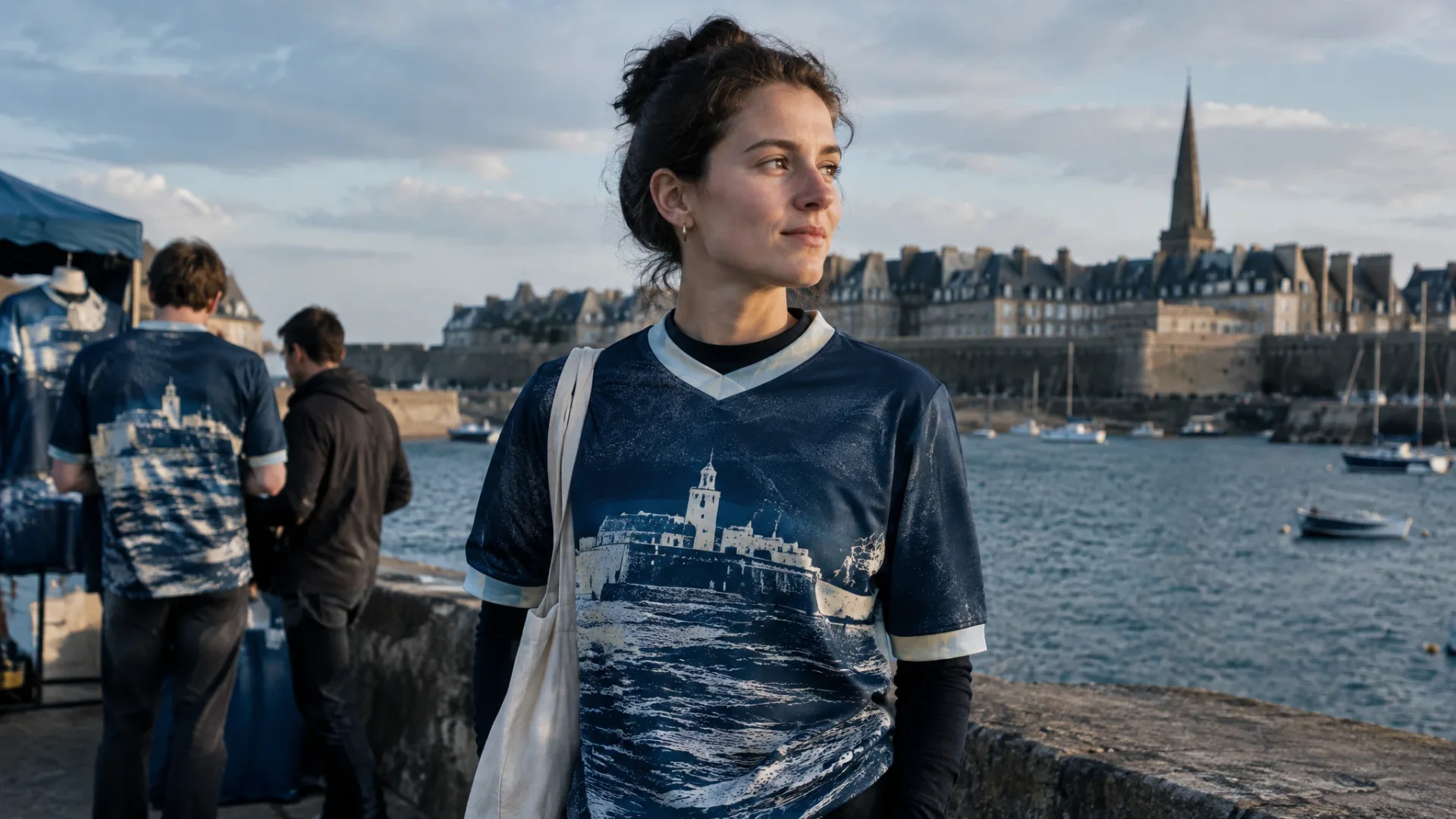
When a football shirt sells a city, a cause or a scene
Recent club and brand releases show a clear shift: football apparel is no longer sold only as product, but as belonging. Is that good for supporter culture, or just a smarter way to sell the same thing?
 Basil ArtemoffTerraces, Marseille & style
 Opinion
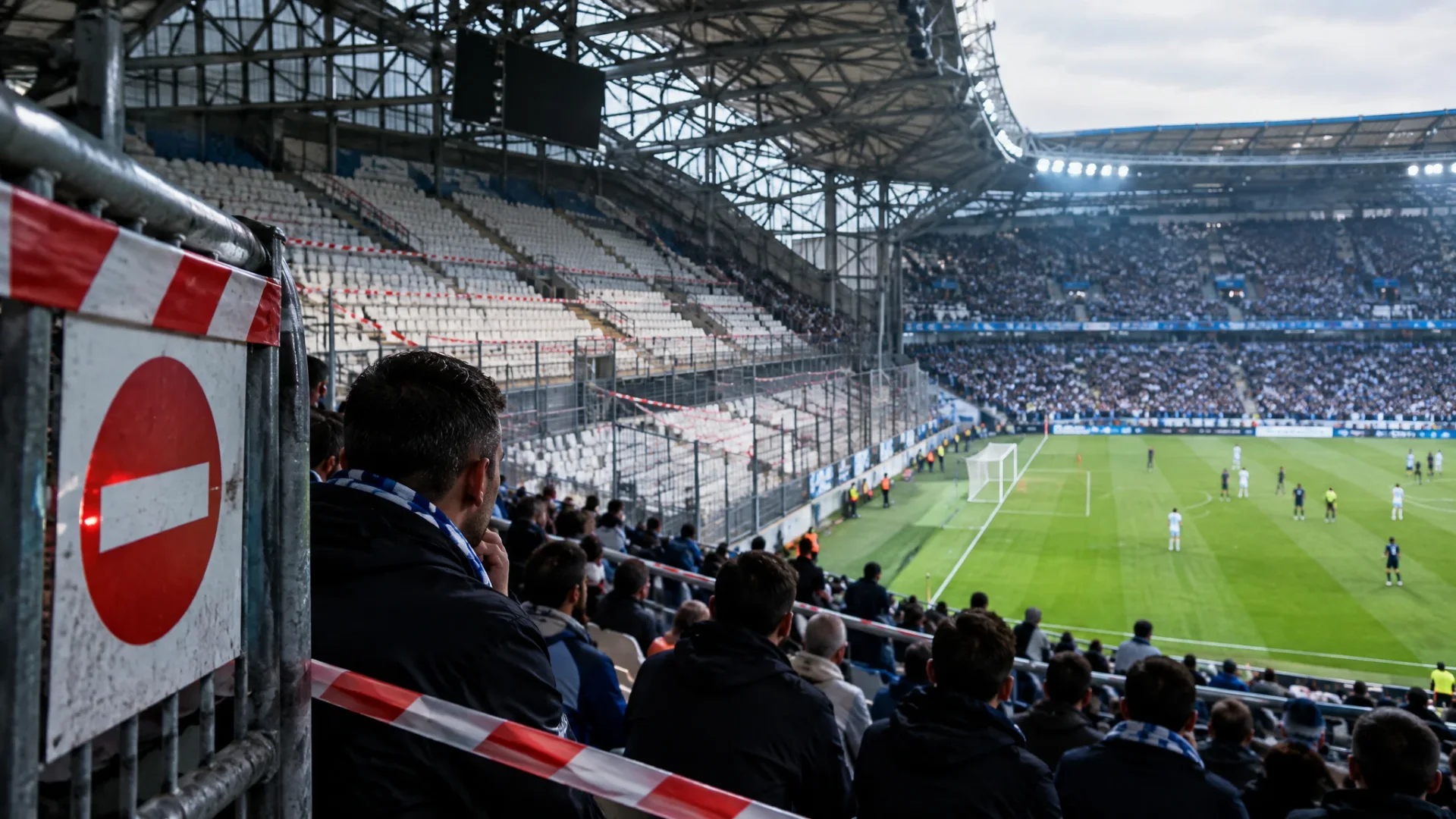
Marseille and the Vélodrome: when the Nord stand becomes a tactical handicap
What is a team worth when it is finally playing better just as its stadium loses part of its voice? Marseille’s sanction is a reminder that a club cannot cleanly separate performance from stand-side disorder.
Étienne MorelThe football, the clubs, the decisions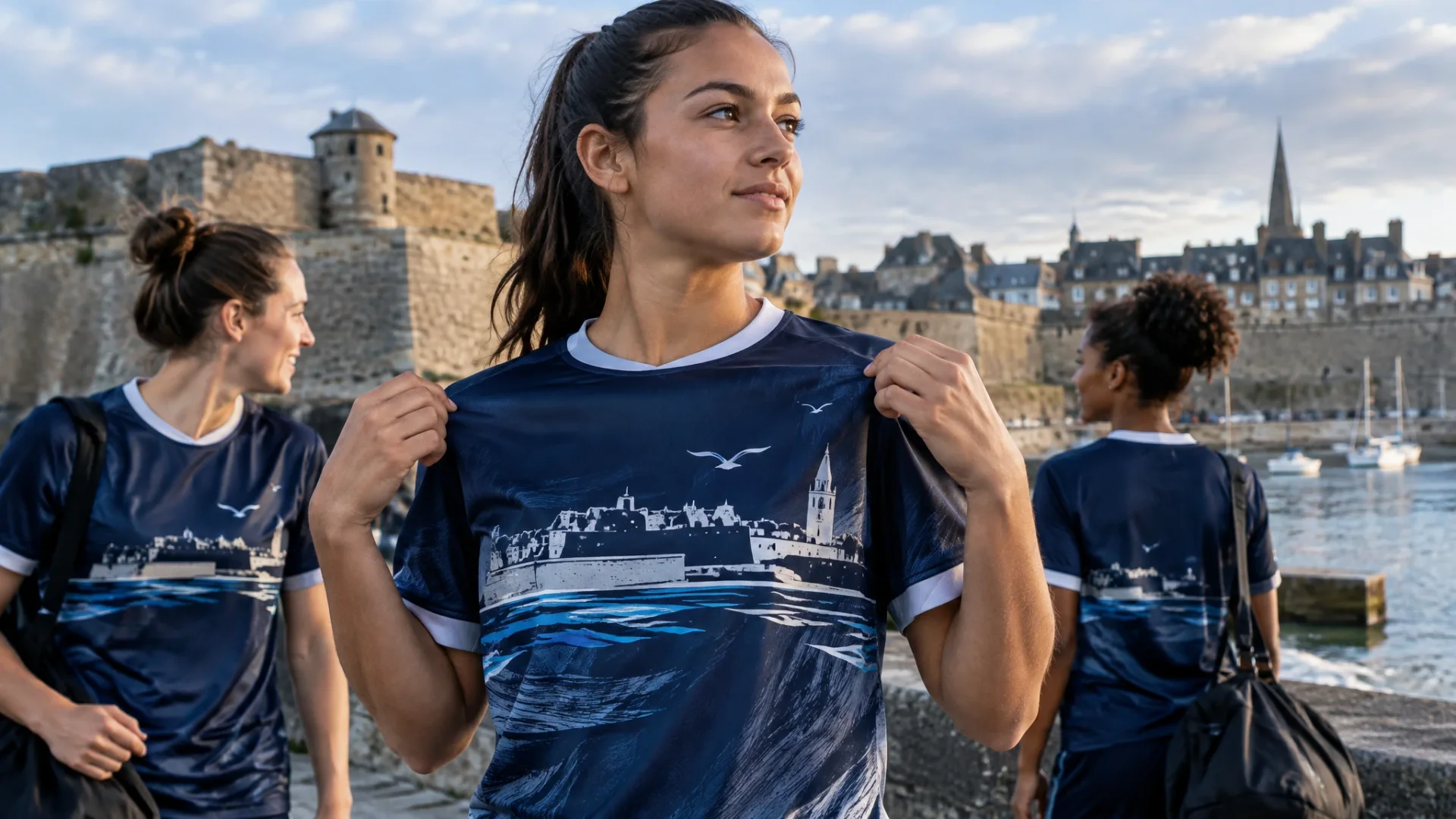 Opinion
US Saint-Malo, Les Marseillaises: when the shirt becomes an identity product
Why do special editions now say as much about the club as about the city, and why would Marseille recognise the pattern immediately?
Basil ArtemoffTerraces, Marseille & style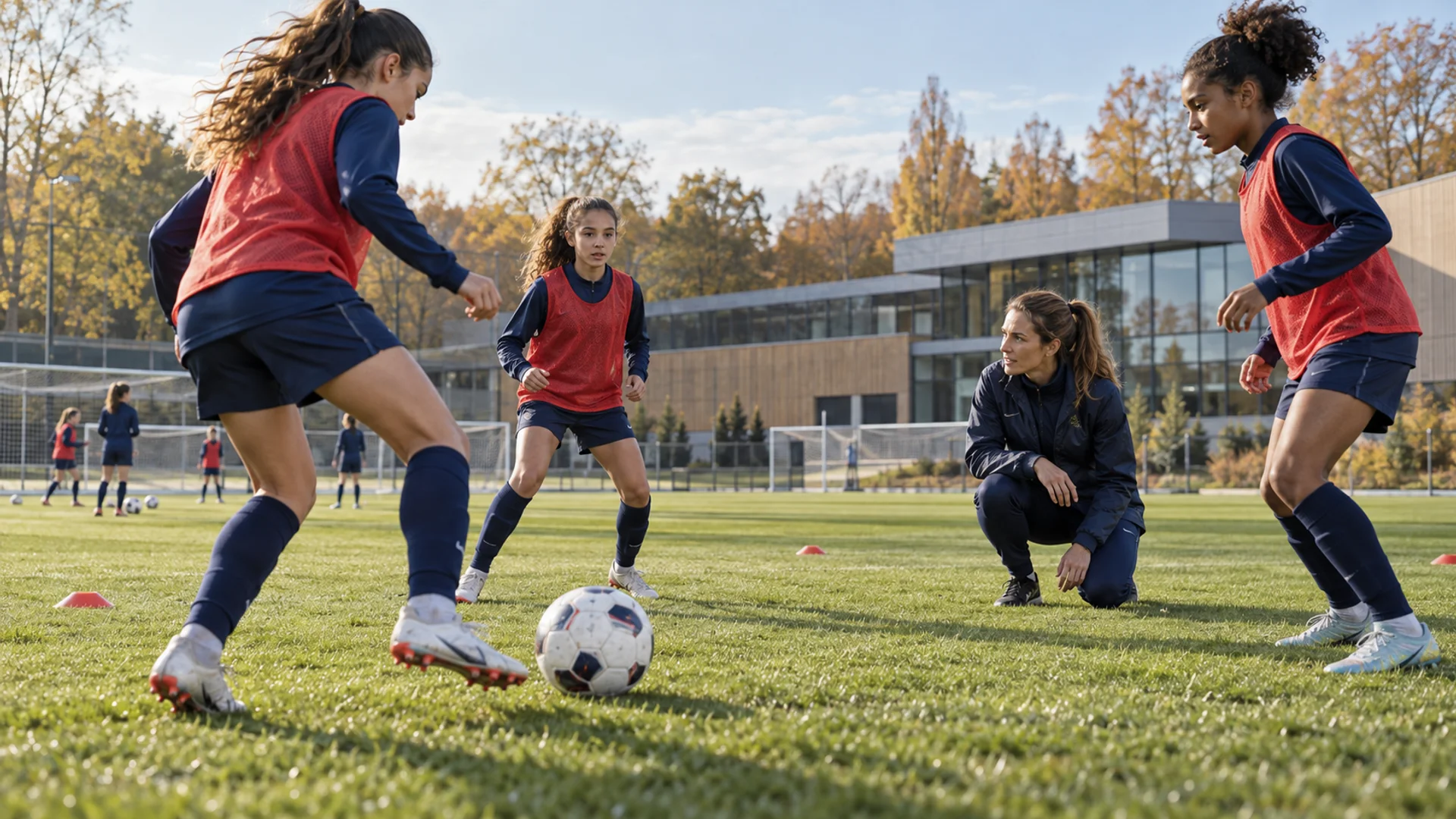 Opinion
French women’s football is shifting its decisive investment before age 14
PSG’s new U12-U14 preformation centre and LAuRAFoot’s U14F interdistrict pathway show that the real contest is now who builds the first serious bridge into elite development.
Camille LaurentAcademies & breakthrough seasons