
Nice, Lyon, Rennes: when prefects set Ligue 1’s tempo
The reshuffled dates for Nice-Rennes and OL-Angers are not just a calendar nuisance. They show how prefectural security decisions are increasingly shaping Ligue 1’s sporting rhythm.
The calendar is no longer in charge
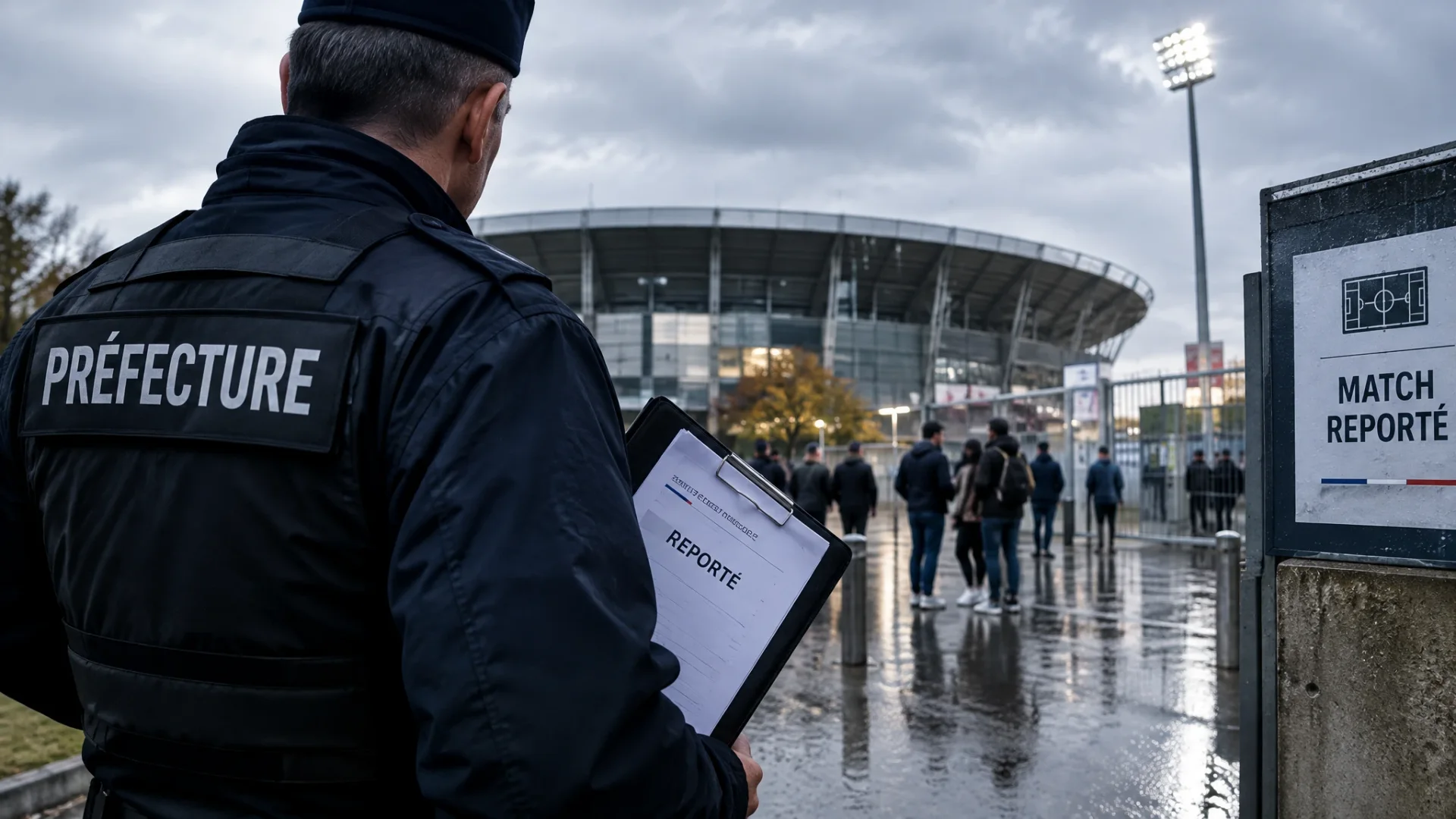
The key point is not a one-day change on a fixture list. Nice–Rennes was brought forward from Saturday to Friday after a decision by the Alpes-Maritimes prefecture, while OL–Angers was moved from Saturday evening to Sunday 1 November after a request from the Rhône prefecture. Two matches, two departments, one pattern: Ligue 1’s schedule is no longer shaped only by competition logic, but rewritten by the presumed security risk around the event.
Sources : [2] Stade Rennais F.C. ↗[3] Ligue1.com ↗
Football run like a public-order file
That is where the issue goes beyond irritation in the dugout. Match preparation is not just about tactics for the weekend; it is about workload distribution, recovery routines, travel, whether sessions are behind closed doors or not, meals, the day-before rhythm. When an administrative authority shifts kick-off, it does not tweak a detail of timing: it alters the architecture of the week. A coach can soften the disturbance. He cannot erase it.
The point is not that a prefect should not do a prefect’s job. The point is that, through repeated security-led adjustments, Ligue 1 is starting to look like an assembly line whose timetable depends on administrative amber lights. Football likes to describe itself as form, momentum and home advantage. Yet home advantage shrinks when the home venue becomes just one variable among many in a logistics exercise.
Home advantage, reduced to a minimum
Supporters first see the practical inconvenience. The real sporting cost is deeper. A match moved from Saturday to Friday, or from Saturday night to Sunday, does not weigh the same depending on the opponent, the distance travelled, the recovery time and what follows next. Yes, we can still talk about home advantage. We should also admit that it is being thinned out by external factors that belong neither to play nor to competition.
In the long run, Ligue 1 risks losing what gives a championship its clarity: some shared simultaneity, a common frame, the sense that everyone is facing roughly the same week. When the prefecture becomes a regular actor in programming, the league is no longer simply organised; it is administered. And administered football rarely breathes like football decided on the pitch.
Read next
 Opinion
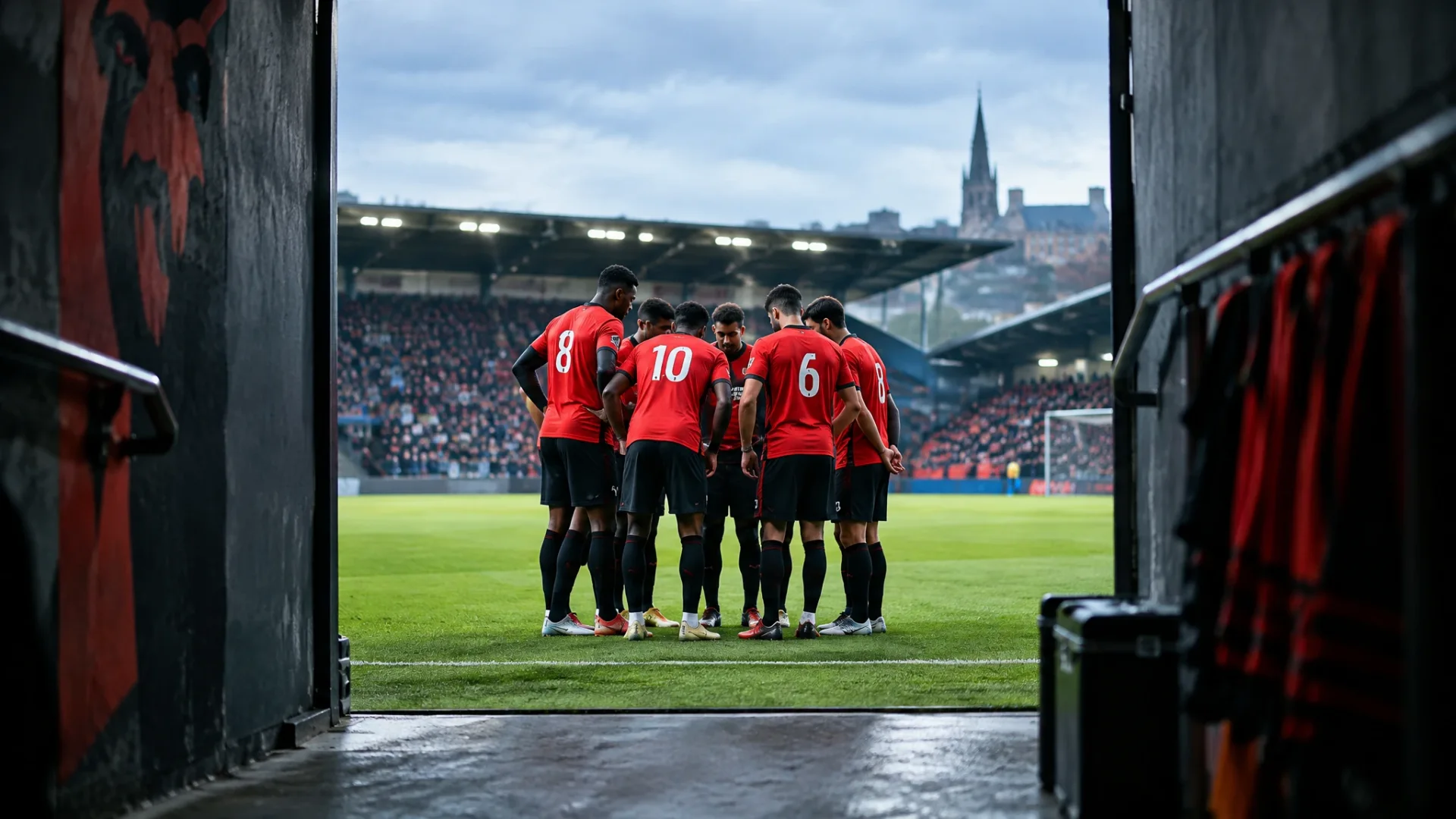
Rennes atop Ligue 1, for now: a compressed table leaves no room for self-congratulation
After the 3-0 win over Strasbourg, Rennes moves top provisionally. In a tight Ligue 1, the point is not the snapshot but what the club does with it.
 Étienne MorelThe football, the clubs, the decisions
 Opinion
PSG–Lyon: supporters cannot be the spare part
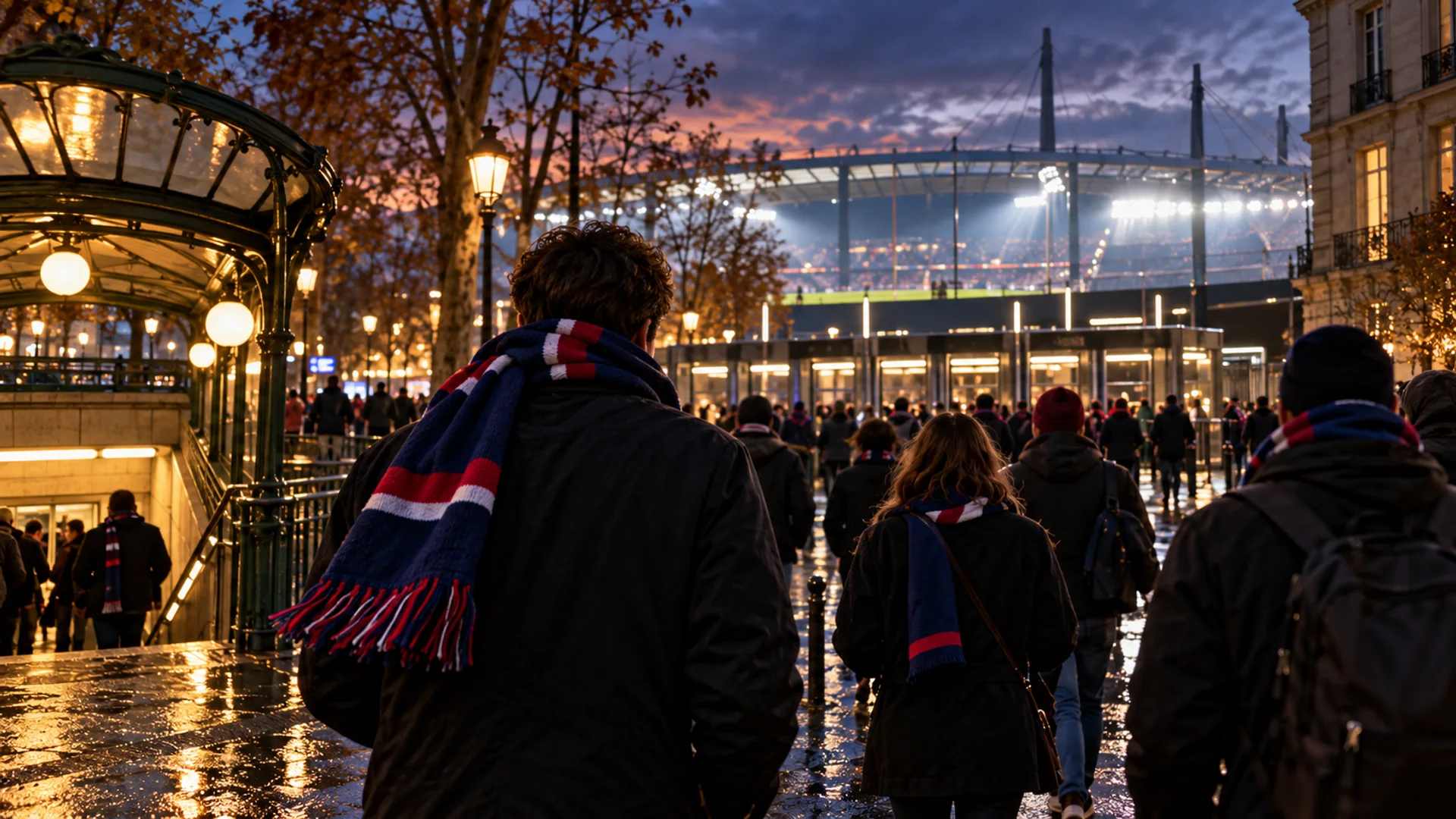
A marquee fixture moves to Monday, a global football ceremony occupies the same evening, and the people who planned their Sunday must adapt. Moving a match can be necessary. Treating its audience as endlessly flexible is a choice.
Étienne MorelThe football, the clubs, the decisions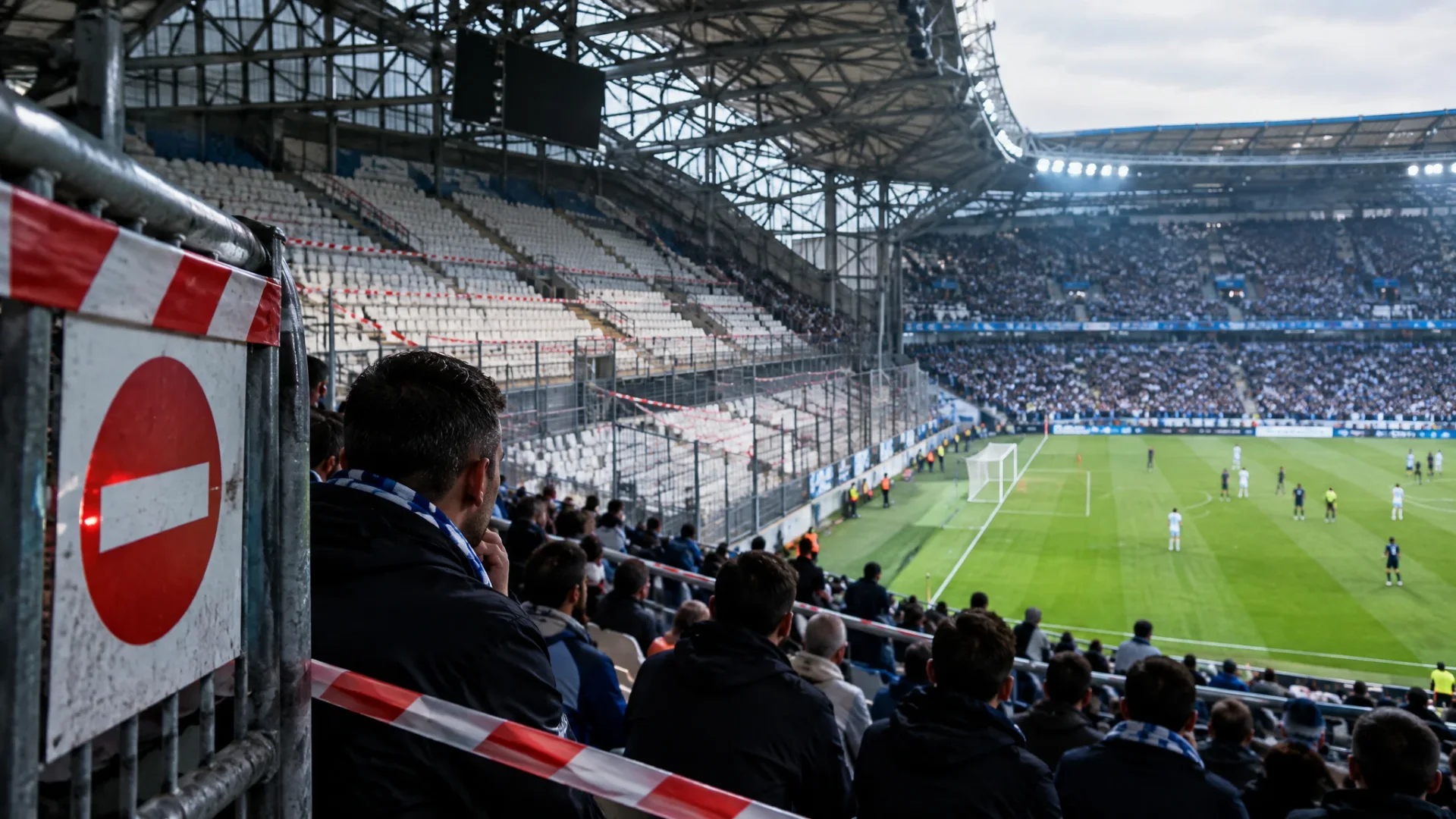 Opinion
Marseille and the Vélodrome: when the Nord stand becomes a tactical handicap
What is a team worth when it is finally playing better just as its stadium loses part of its voice? Marseille’s sanction is a reminder that a club cannot cleanly separate performance from stand-side disorder.
Étienne MorelThe football, the clubs, the decisions Opinion
PSG and Les Marseillaises: when the shirt becomes a public instrument
PSG and Marseille are no longer just dressing a team: they are using the shirt as a civic, charitable and identity-making object. The real question is simple: who now controls the symbol — the club, the sponsor or the cause?
Étienne MorelThe football, the clubs, the decisions The Sunday review
Morel on Sunday: French football needs to become easier to love
Fixtures move, television rights return to the negotiating table and ambitious clubs keep promising a brighter tomorrow. This week raises a quieter question than any transfer saga, but a more important one: what makes people want to come back for the next match?
Étienne MorelThe football, the clubs, the decisions Opinion
Paris FC: spending more need not mean starting again
A club’s new ambitions draw attention. The players who were there before usually draw less. That can obscure something valuable: continuity is a footballing resource, provided it never becomes a sentimental excuse for avoiding difficult decisions.
Étienne MorelThe football, the clubs, the decisions