
Marseille and the Vélodrome: when the Nord stand becomes a tactical handicap
What is a team worth when it is finally playing better just as its stadium loses part of its voice? Marseille’s sanction is a reminder that a club cannot cleanly separate performance from stand-side disorder.
A disciplinary ruling that bites now
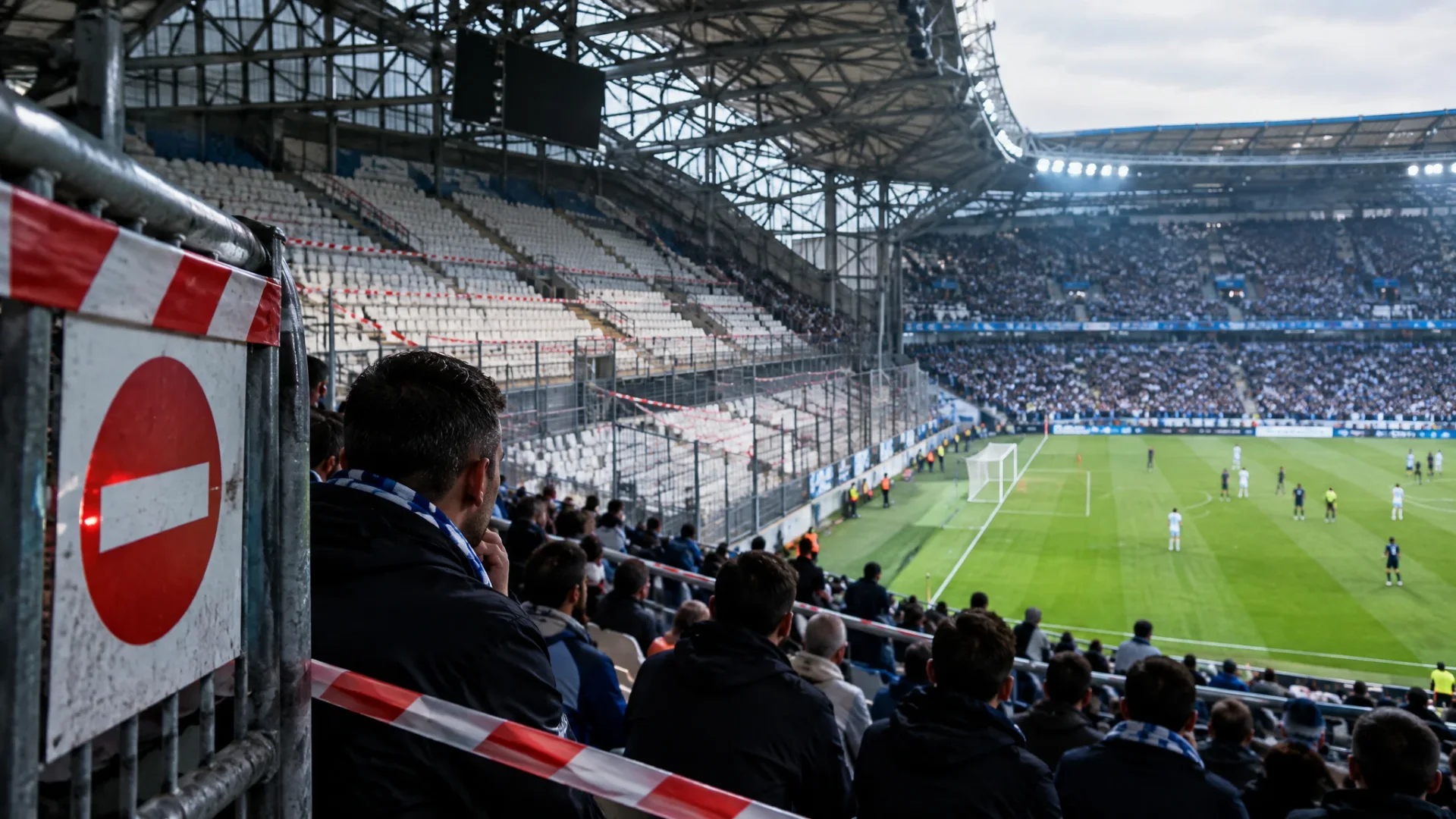
The LFP’s decision is easy to read and hard to absorb for Marseille: the Nord stand at the Vélodrome is closed for two matches, with immediate effect, after the incidents in the Classique against PSG. The disciplinary commission cited pyrotechnics and verbal expressions, then applied the sanction without waiting for a convenient future date when everyone could pretend the lesson had been learned. The blow lands now, in the next home cycle that matters, not in some abstract later point. [1]
There is a neat irony in the schedule. The closure hits two league home games, including Toulouse. Marseille therefore cannot separate what it likes to call its sporting momentum from the atmosphere that gives the Vélodrome its force. The stand is not scenery. It is part of the home mechanism, and the governing body has just removed some of that mechanism’s power. [2]
Sources : [1] LFP ↗[2] Foot Marseille ↗
When the crowd is part of the game plan
This is where Marseille runs into its favourite habit: turning club disorder into a match-day variable. When the team was muddled, the noise could cover some of the flaws. The paradox now is sharper. OM finally looks coherent, but just as that coherence should lean on a full Vélodrome, part of the stadium’s energy is switched off. Football does not become less demanding because the stand goes quiet; it becomes more exposed, more legible, and much harder to fake. []
So the point is not to sentimentalise the missing noise. The point is that home advantage, like any attacking structure, is built on automatisms, relays and rhythm. When part of the ground is closed, Marseille loses an amplifier, but also a reference point. For a club that likes to talk about character, that should be read as a tactical criticism, not as a melodramatic complaint. []
Le Havre was the warning
The Le Havre match offered a less flattering reminder. Marseille won 4-3 after leading 4-0, only to wobble badly in the final minutes. That is a brutal story because it punctures the idea of total control. OM showed quality, then let disorder back in. The result matters, of course. But the manner still says that serenity remains fragile here. [3]
That is why the disciplinary sanction weighs more than a blank bit of concrete in the stands. A truly controlled team can survive the absence of noise. A team that still leaves concentration gaps needs the full Vélodrome, with its waves, its decibels and its convenient myths. Marseille therefore faces the worst possible timing: more coherent on the pitch, yet deprived of part of the environment that used to help it survive its own lapses. [3]
Sources : [3] Football Club de Marseille ↗
Marseille’s real problem
The sanction did not create the problem; it exposed it. Marseille too often confuses intensity with control, fervour with assurance, commotion with identity. The LFP is simply reminding the club of an uncomfortable truth: when you create the conditions for your own punishment, you eventually turn your stadium into a handicap. The Vélodrome was never separate from Marseille’s football. This time, we just see that without the usual varnish. []
If OM wants this new coherence to last, it must learn to win without using the crowd’s volume as a shield. That is less glamorous than a communion with the Nord stand, but football adulthood often starts there: when a club stops treating its own self-inflicted disorder as a kind of competitive advantage. []
Read next
 Opinion
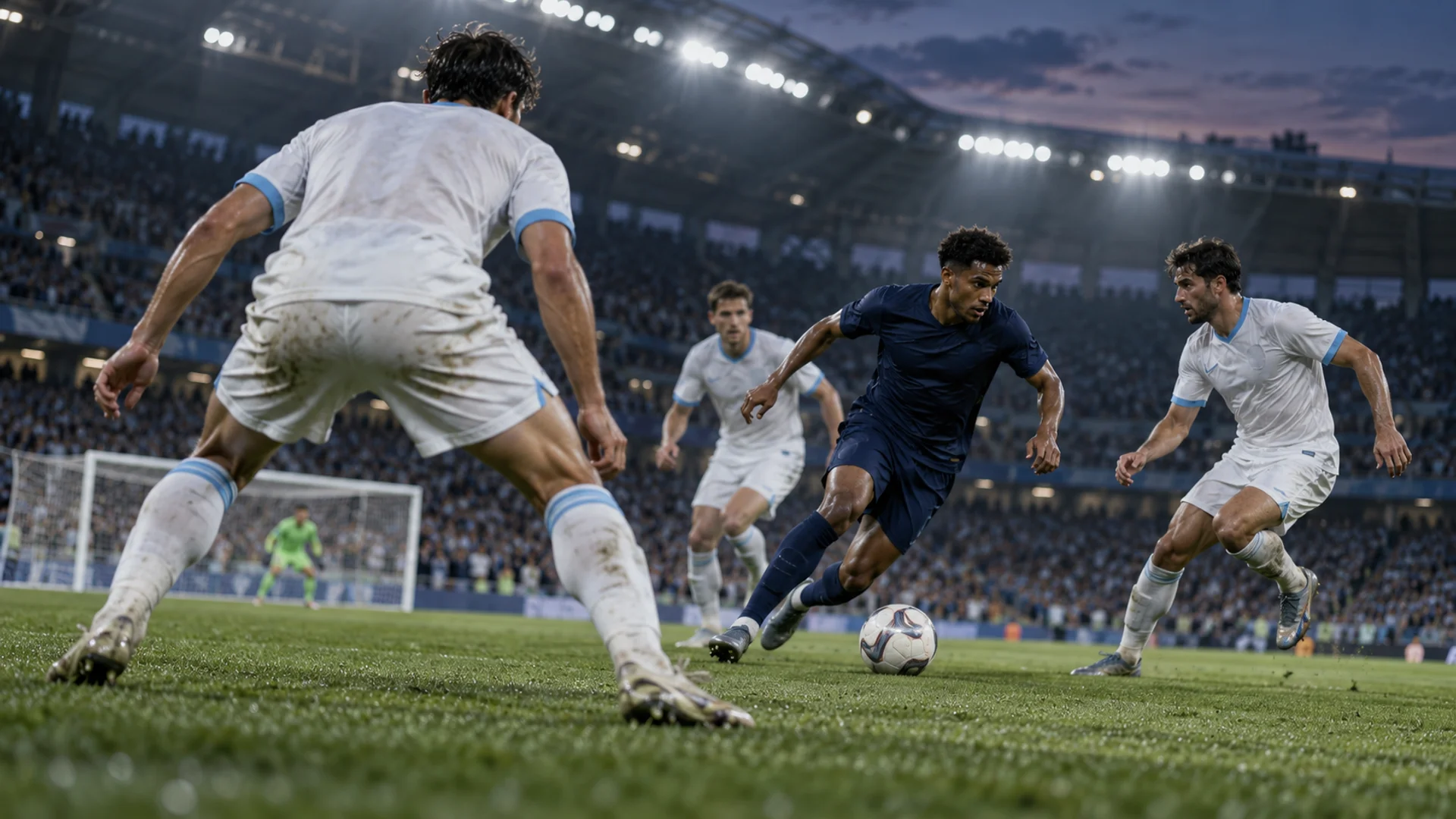
Marseille finally has a shape. The problem is what happens after 60 minutes
Against Le Havre, OM looked structurally clearer for an hour before unraveling. The issue is no longer finding a starting shape, but keeping it alive.
 Basil ArtemoffTerraces, Marseille & style
 Opinion
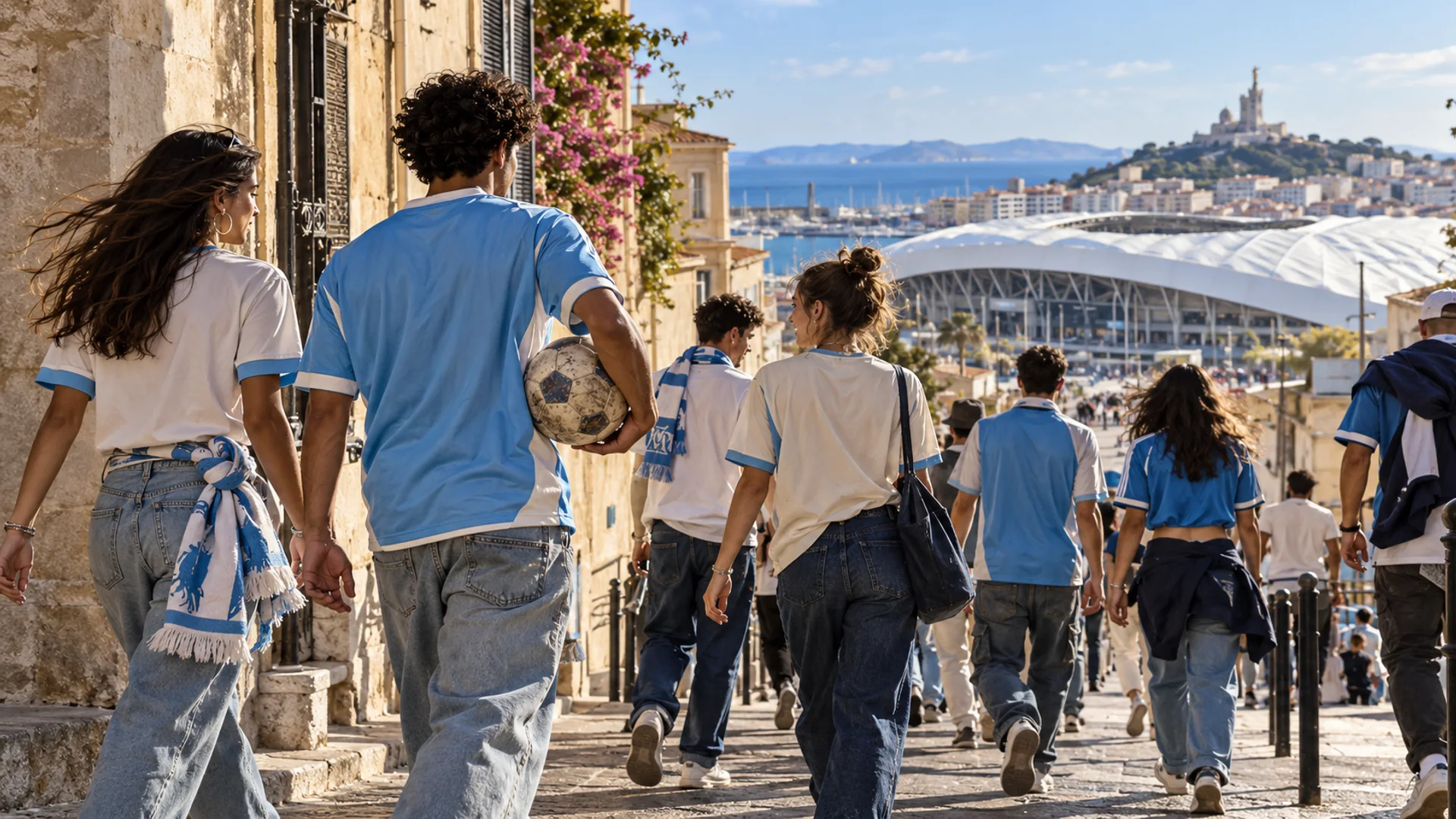
At the Vélodrome, OM’s supporters are still the club’s most stable asset
When the club wobbles, the stand holds. And as shirts turn into cultural objects, Marseille is a reminder that a demanding crowd is worth more than any launch campaign.
Basil ArtemoffTerraces, Marseille & style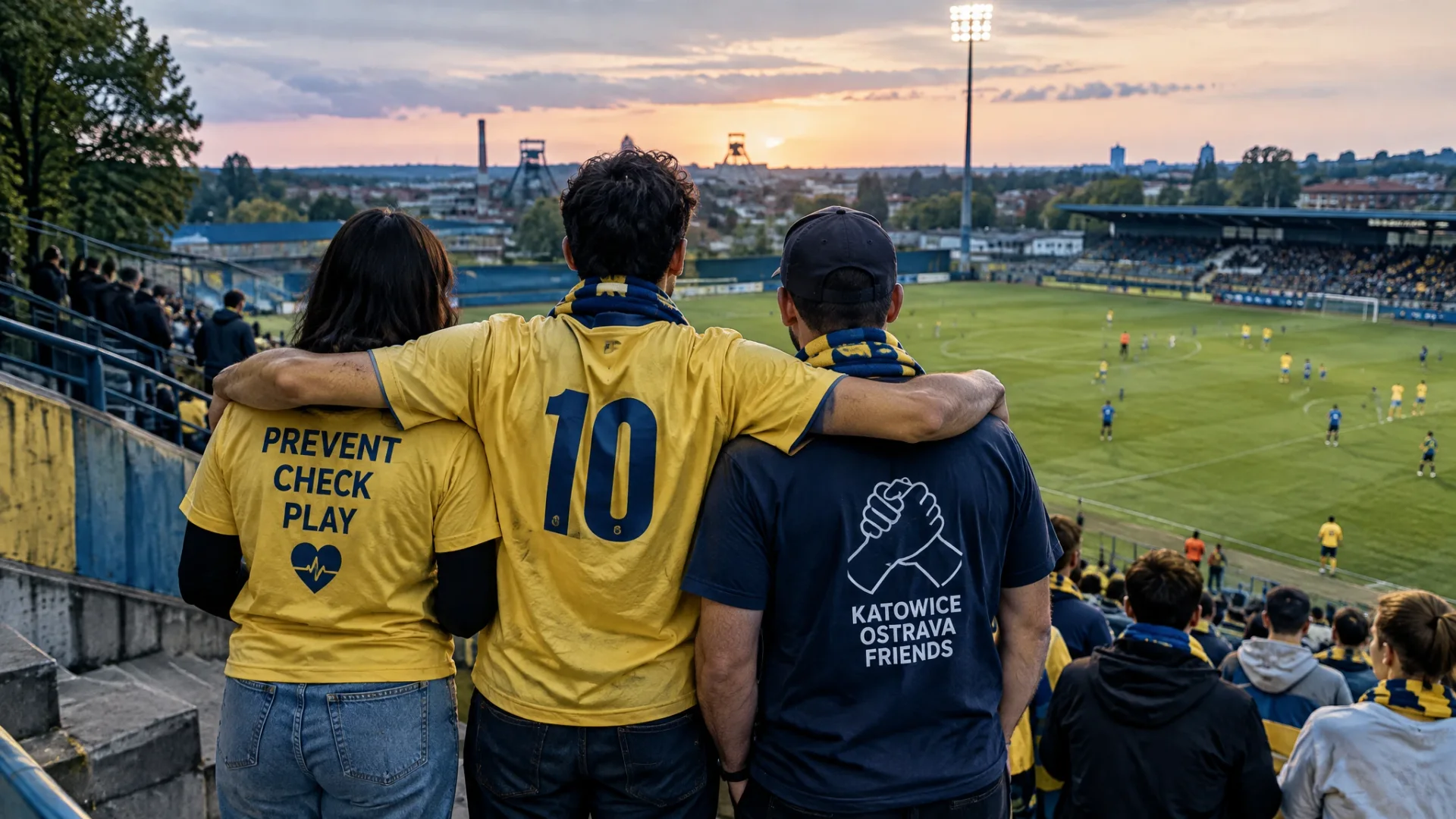 Opinion
When the shirt serves the stand: Union Saint-Gilloise, Katowice–Ostrava, PSG
When a shirt becomes a public-health tool, a symbol of supporter friendship or the visible frame for a campaign, the real question is simple: does it serve the club, the brand or the terrace first?
Basil ArtemoffTerraces, Marseille & style Opinion
US Saint-Malo, Les Marseillaises: when the shirt becomes an identity product
Why do special editions now say as much about the club as about the city, and why would Marseille recognise the pattern immediately?
Basil ArtemoffTerraces, Marseille & style Opinion
Rennes atop Ligue 1, for now: a compressed table leaves no room for self-congratulation
After the 3-0 win over Strasbourg, Rennes moves top provisionally. In a tight Ligue 1, the point is not the snapshot but what the club does with it.
 Étienne MorelThe football, the clubs, the decisions
 The Sunday review
Morel on Sunday: French football needs to become easier to love
Fixtures move, television rights return to the negotiating table and ambitious clubs keep promising a brighter tomorrow. This week raises a quieter question than any transfer saga, but a more important one: what makes people want to come back for the next match?
Étienne MorelThe football, the clubs, the decisions