
When a football shirt sells a city, a cause or a scene
Recent club and brand releases show a clear shift: football apparel is no longer sold only as product, but as belonging. Is that good for supporter culture, or just a smarter way to sell the same thing?
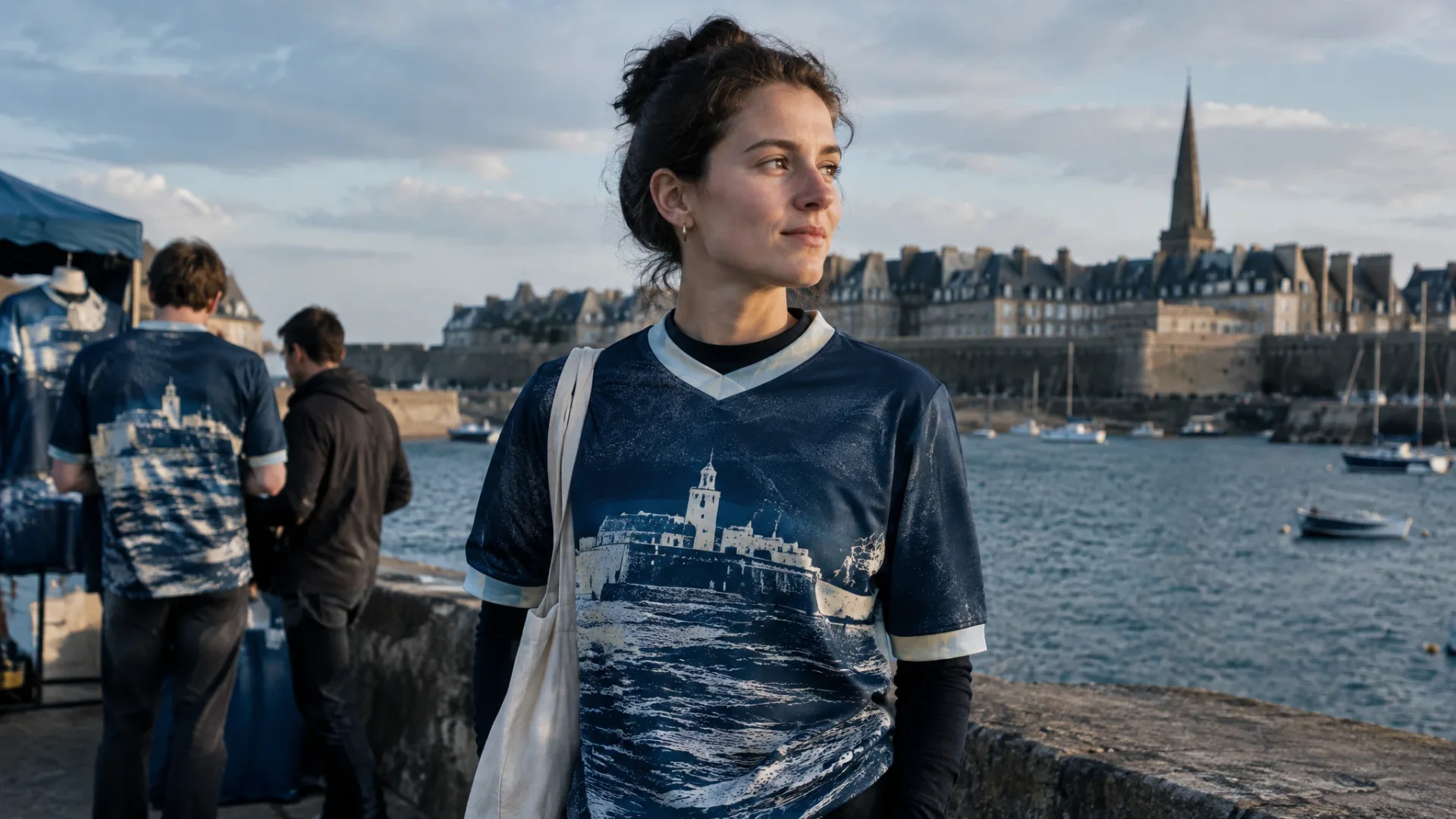
A shirt is no longer just a shirt
Football apparel has moved beyond the old drop logic and into identity-object territory. People are no longer buying only fabric, fit or a badge; they are buying a story, sometimes even a small social passport. The piece promises a city, a cause, a scene, or a way of being seen in the right place at the right time. That is more interesting than a simple colour change. It is also riskier, because a garment that claims to represent something has to earn that claim or it becomes just another backdrop.
That shift matters for supporters. When a shirt starts speaking the language of first aid, sailing, snowboard culture or lifestyle branding, it leaves the narrow field of performance gear and enters cultural instruction. The supporter is no longer just a customer; they are being asked to choose an aesthetic, moral or local camp. That is where the line becomes clear between an object that deepens club culture and one that merely borrows its aura.
Saint-Malo and Union Saint-Gilloise: two ways to load the fabric
US Saint-Malo presented a special Kappa shirt tied to the start of the Route du Rhum; the design is co-signed with Armor-Lux and the club version was sold as a limited edition in Saint-Malo. This is no longer “performance first” kit language, but a garment anchored in territory and in the imagery of offshore racing. The club becomes a carrier of maritime identity, and the shirt works as a bridge between local football and coastal culture. [3]
At Union Saint-Gilloise, the register is even more direct: the club partnered with the European Resuscitation Council on a limited-edition shirt linked to an awareness campaign around cardiac emergencies. Buying the shirt begins with lifesaving-gestures training. Here, the garment does not just sell style; it requires a social function before the purchase. That is stronger than a slogan, and also more demanding. If football wants to assign itself a mission, it has to accept giving up some marketing comfort. [2]
Sources : [2] Dégaine ↗[3] Dégaine ↗
Picture FC, or aesthetics as a form of belonging
Picture Organic Clothing launched Picture FC with the Finnish collective Helsingin Lumilautailijat, blending football codes with ski and snowboard-inspired pieces, and the line is presented as 100% recycled polyester. This is not a classic club shirt; it is a capsule that borrows football’s collective energy and sends it into another sporting and fashion scene. The garment acts as a bridge between communities, not as a simple match-day uniform. [1]
That is exactly why the debate gets interesting. A piece like this does not necessarily try to persuade through technical performance, but through visual belonging. It says: here is your tribe, or at least your vibe. For some supporters, that broadens the vocabulary of modern football. For others, it dilutes club identity into a wider lifestyle frame. Both readings make sense. The real question is not “is it nice?” but “what does this garment do to the bond between the club and the people who wear it?”
Sources : [1] Dégaine ↗
The boot market already reads supporters as tribes
Footpack’s study of the boots worn by 445 Ligue 1 players in 2026-27 shows that the equipment market already understands football as a field of positioning. adidas leads, Nike is rising, PUMA falls below 16 percent, and Mizuno becomes the main outsider. Those numbers can be read as a simple commercial snapshot; they can also be read as proof that equipment is sold not only through function, but through brand affiliation, style and a story told on the pitch. [4]
That is where clubs and brands should be judged. When a release is built on a real cause, a place or a clearly defined scene, it can enrich supporter culture instead of feeding on it. When it simply wraps emptiness in polished storytelling, it underestimates the intelligence of the audience. The 2026 supporter is not only buying an object; they are buying the coherence between what the garment claims to be and the community it claims to represent. That is a healthy demand. It should become the standard.
Sources : [4] Footpack ↗
Read next
 Opinion
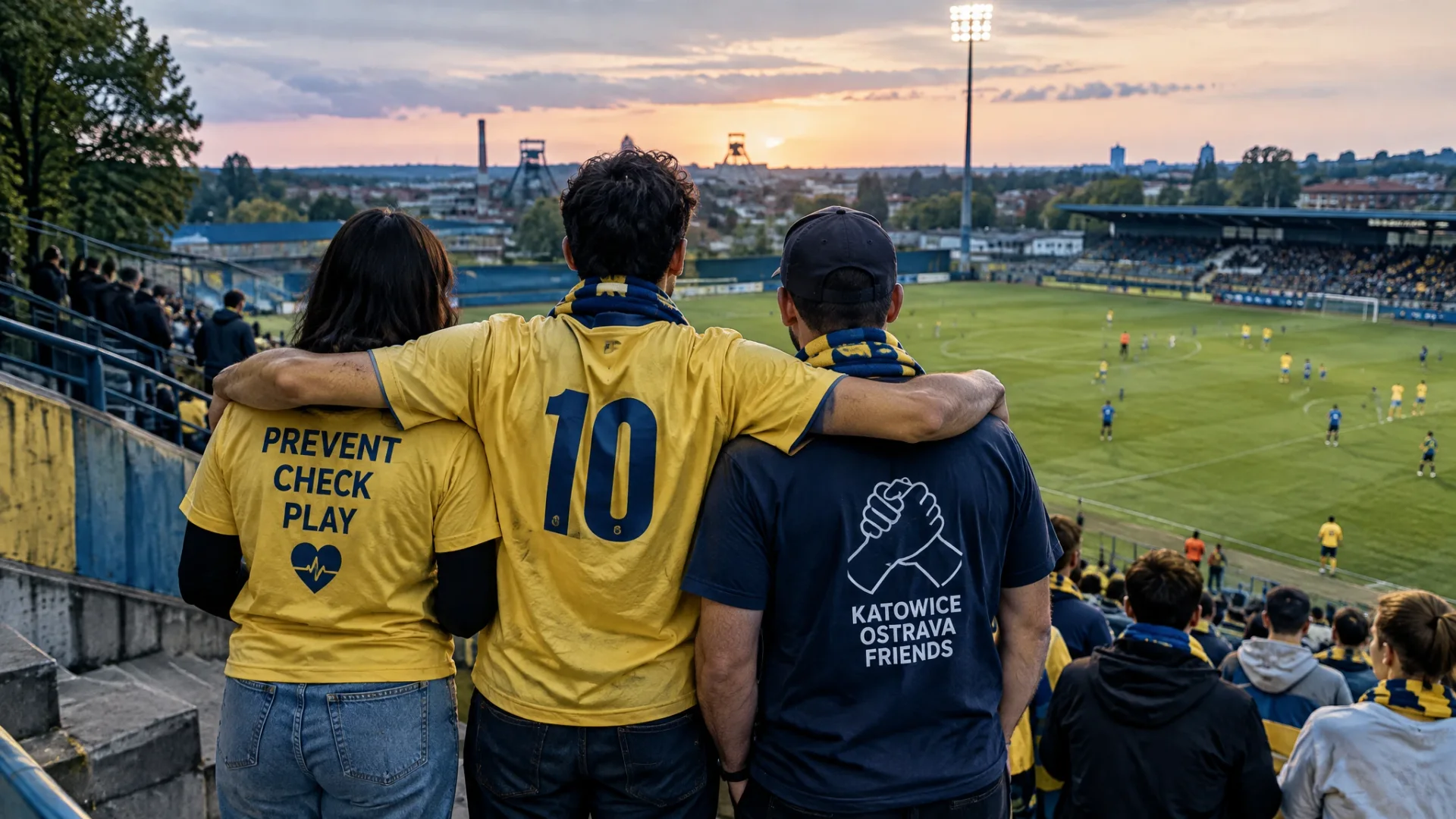
When the shirt serves the stand: Union Saint-Gilloise, Katowice–Ostrava, PSG
When a shirt becomes a public-health tool, a symbol of supporter friendship or the visible frame for a campaign, the real question is simple: does it serve the club, the brand or the terrace first?
 Basil ArtemoffTerraces, Marseille & style
 Opinion
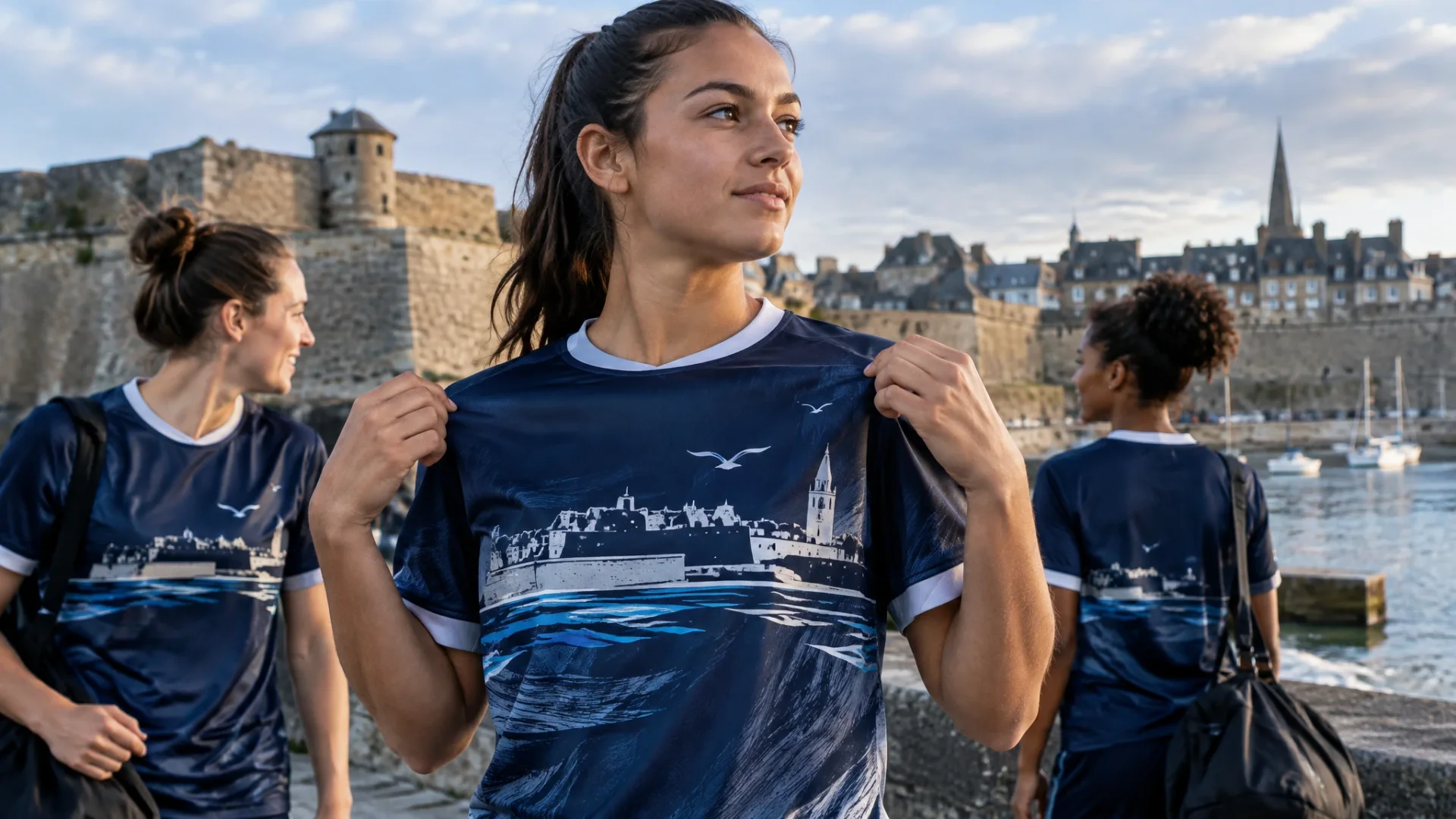
US Saint-Malo, Les Marseillaises: when the shirt becomes an identity product
Why do special editions now say as much about the club as about the city, and why would Marseille recognise the pattern immediately?
Basil ArtemoffTerraces, Marseille & style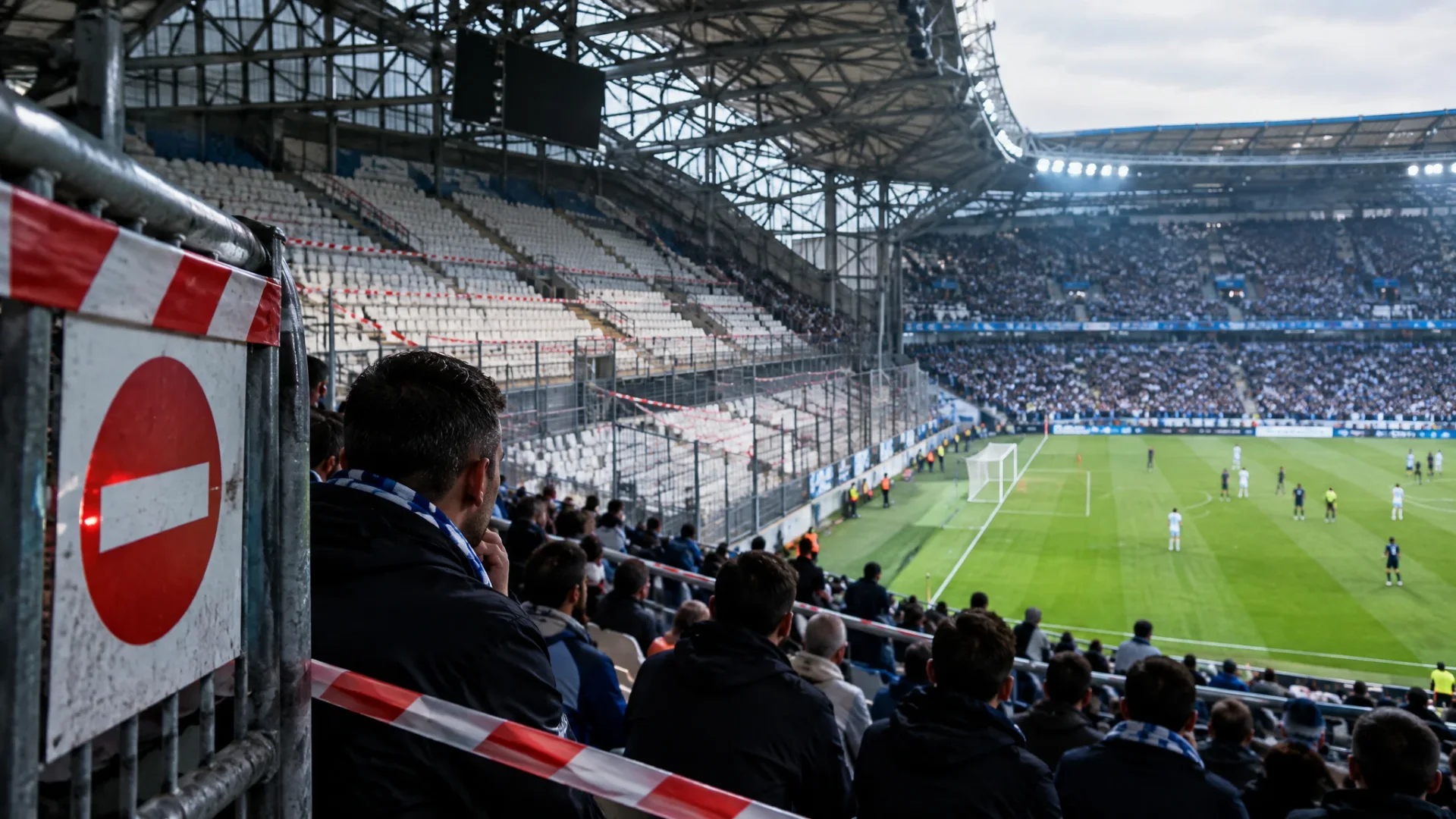 Opinion
Marseille and the Vélodrome: when the Nord stand becomes a tactical handicap
What is a team worth when it is finally playing better just as its stadium loses part of its voice? Marseille’s sanction is a reminder that a club cannot cleanly separate performance from stand-side disorder.
 Étienne MorelThe football, the clubs, the decisions
 Opinion
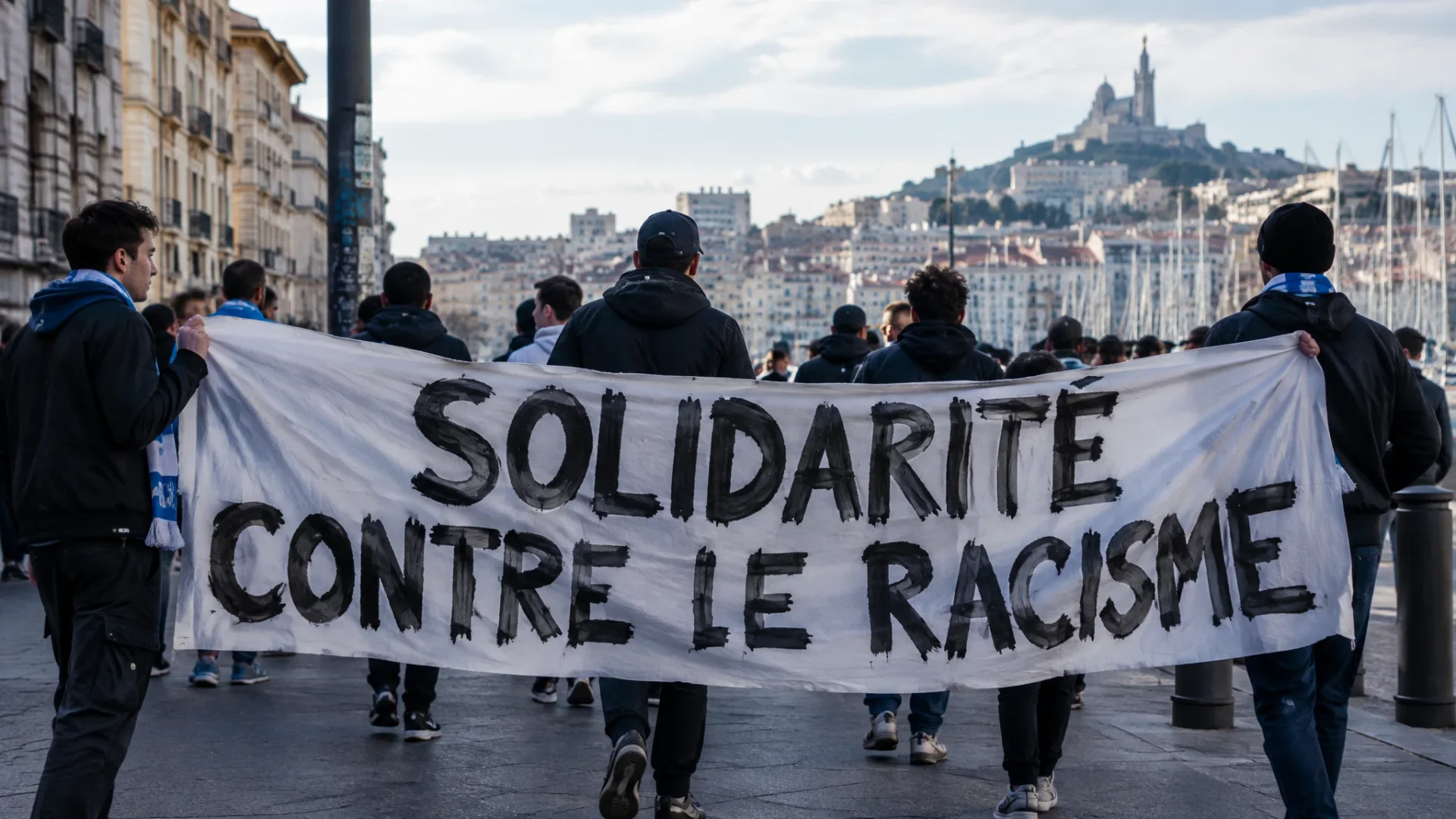
OM, the MTP and the banner as a civic act in Marseille
After Trappes, the MTP did more than protest: it moved the terrace into the city and turned a banner into a public anti-racism statement.
Basil ArtemoffTerraces, Marseille & style Opinion
Marseille finally has a shape. The problem is what happens after 60 minutes
Against Le Havre, OM looked structurally clearer for an hour before unraveling. The issue is no longer finding a starting shape, but keeping it alive.
Basil ArtemoffTerraces, Marseille & style Opinion
At the Vélodrome, OM’s supporters are still the club’s most stable asset
When the club wobbles, the stand holds. And as shirts turn into cultural objects, Marseille is a reminder that a demanding crowd is worth more than any launch campaign.
Basil ArtemoffTerraces, Marseille & style