
US Saint-Malo, Les Marseillaises: when the shirt becomes an identity product
Why do special editions now say as much about the club as about the city, and why would Marseille recognise the pattern immediately?
A shirt is no longer just a souvenir
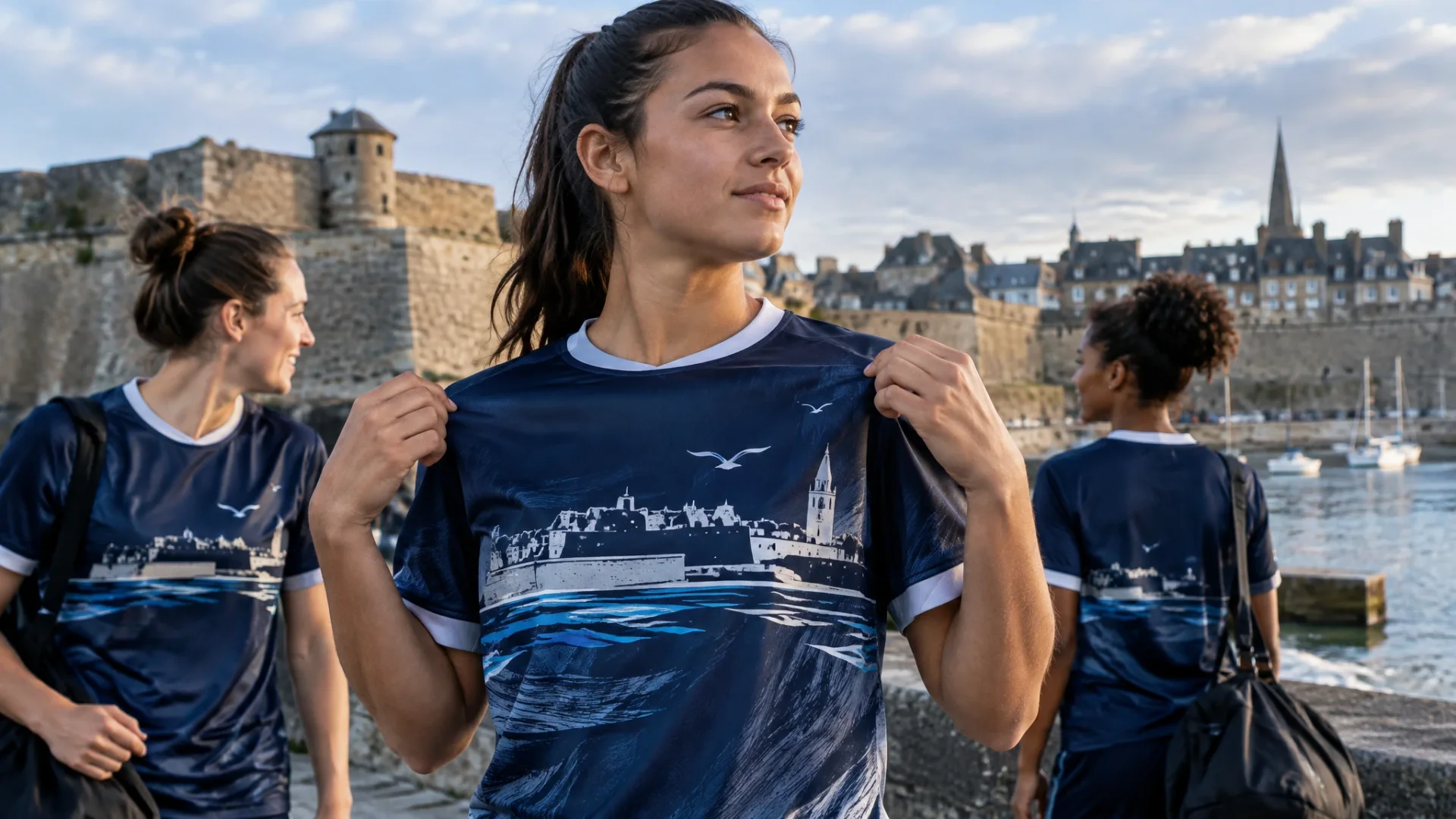
US Saint-Malo, with Kappa and Armor-Lux ahead of the Route du Rhum, is the latest reminder that club apparel now does more than cover a team on matchday. The limited edition announced around the race, with a sponsor-free version also sold online, is not just a collector’s item. It is a piece of local storytelling, borrowing Breton references to anchor the club more firmly in its own setting. [1]
That shift matters. Once a special shirt moves beyond the narrow logic of performance, it stops speaking only to supporters chasing the new kit. It also speaks to people buying belonging: a colour, a place, a civic mood. That is where football meets streetwear — in the blurred space where you wear a club the way you wear an identity. That is why these releases matter culturally, sometimes more than they matter sportingly. [1]
Sources : [1] Dégaine ↗
Marseille already understands the language
Marseille knows this logic well because OM has long functioned as a popular brand as much as a team. The club’s news page now sits comfortably with institutional updates, partnership announcements and match coverage, a small but telling sign of a club selling a broader experience rather than only a weekend result. [3]
The Marseillaises pushed the idea further with their Octobre Rose shirt, described by Footpack as the first one to carry their own name. Here the shirt is not a side product buried in the background. It is designed to make the women’s section more visible, more legible and more autonomous. That is not cosmetic marketing. It is a way of claiming space in public. [2]
Where heritage ends and branding begins
To be clear, not every special shirt is a good shirt, and not every local reference becomes meaningful just because it is printed on fabric. But the current moment rewards clubs that can turn apparel into culture rather than pure commerce. US Saint-Malo does it through a very readable territorial story; Les Marseillaises do it through a piece that widens their visibility. In both cases, the club becomes a platform for style, city identity and attachment. [1][2]
The danger is obvious: once everything is called local, nothing feels local anymore. The best special shirt is not the one that piles up the most symbols. It is the one that feels necessary, as if it had been drawn out of the city rather than layered on top of it. In that sense, quality lies in precision, not in excess. [1][2]
Sources : [1] Dégaine ↗[2] footpack. ↗
What supporters gain — and what they risk losing
For supporters, the real question is not whether the shirt looks good. It is whether it respects the fragile link between a club and its community. When a special garment tells the story of a city, a culture or a women’s section without flattening it, that link grows stronger. When it merely borrows a trend, it weakens. The difference is between an object you wear and a product you consume and forget. [1][2]
So this is more than a fashion moment. It shows that modern football sells belonging as much as it sells results. Marseille has understood that for years, which is why the angle is not parochial at all. It is almost universal. The shirt has become a statement again — if it still speaks the language of the club, and not only the language of commerce. [1][2][3]
Sources : [1] Dégaine ↗[2] footpack. ↗[3] Olympique de Marseille ↗
Read next
 Opinion
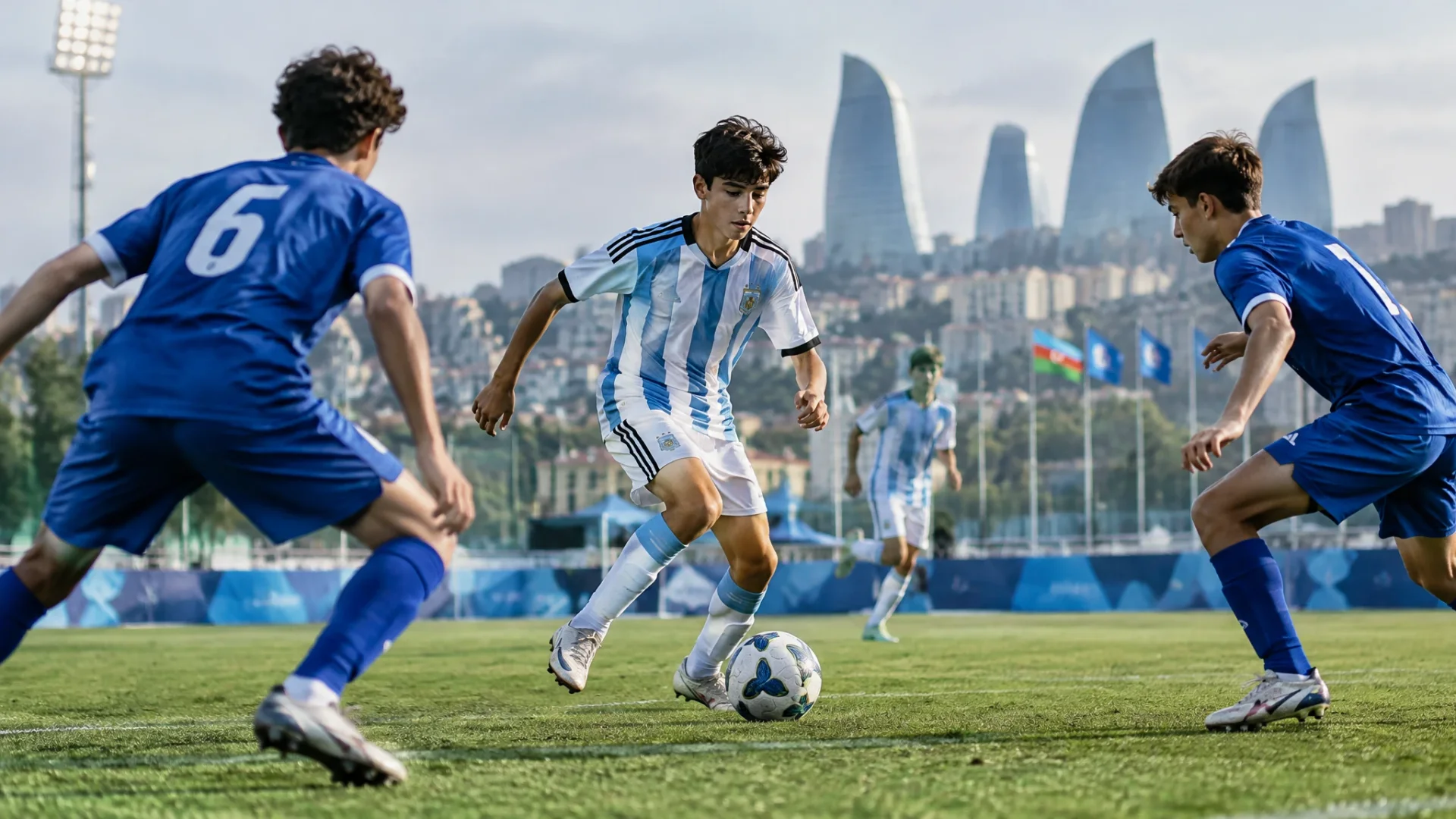
In Baku, FIFA’s new U-15 World Cup asks the right question: does more football actually mean better development?
FIFA’s first U-15 World Cup & Festival gives more federations repeated, competitive games. The real test is not the event’s scale in Baku, but what players take away from it.
 Inès ValençaLatin America & world football
 Opinion
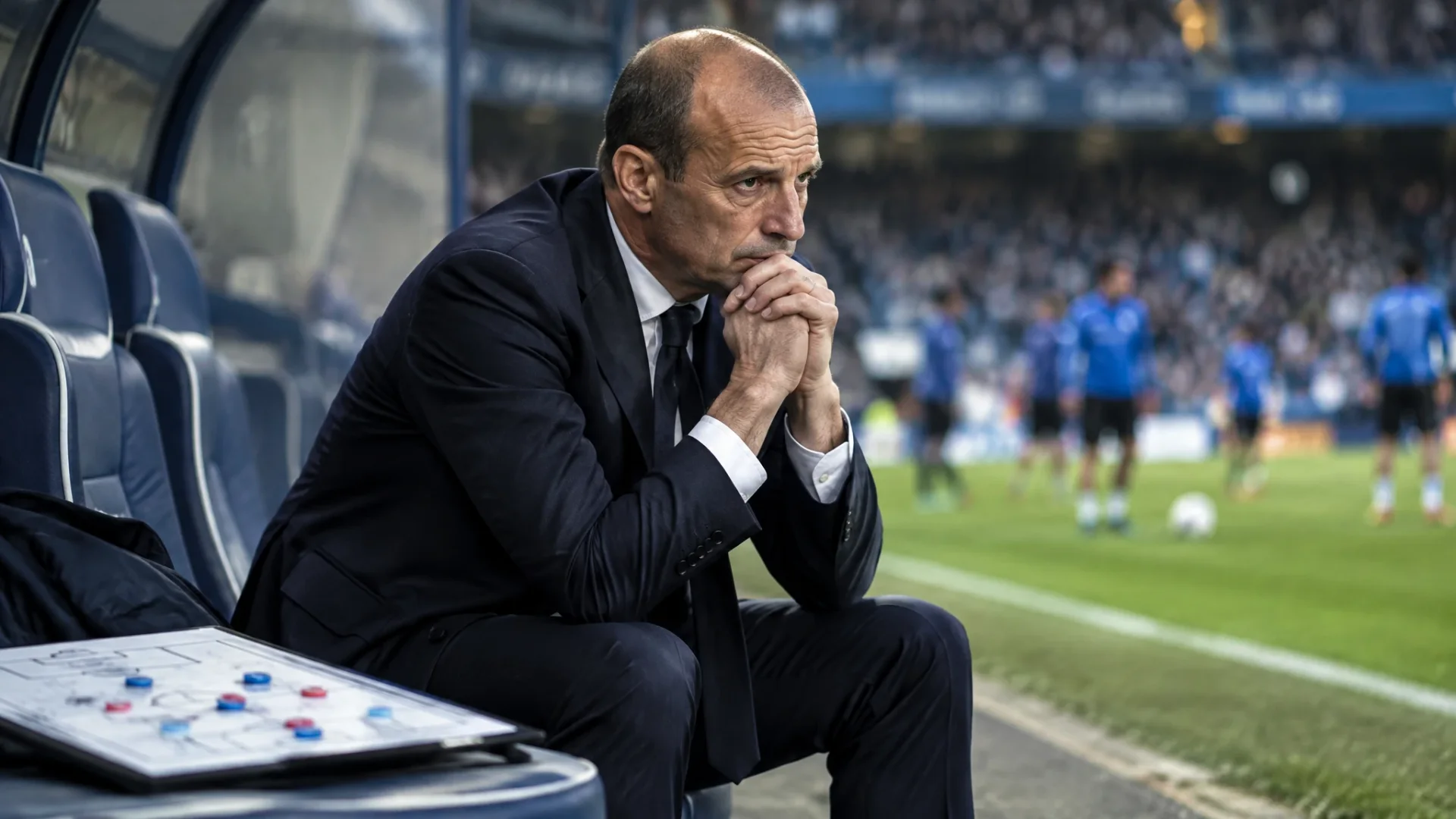
Napoli, Allegri and the very practical cost of a two-match ban
Massimiliano Allegri’s suspension is not just a discipline issue: it leaves Napoli without its coach for Monza and Juventus. How much turbulence can a title contender really absorb?
 Lucien DelcourtItaly, Germany, Spain & Turkey
 Opinion
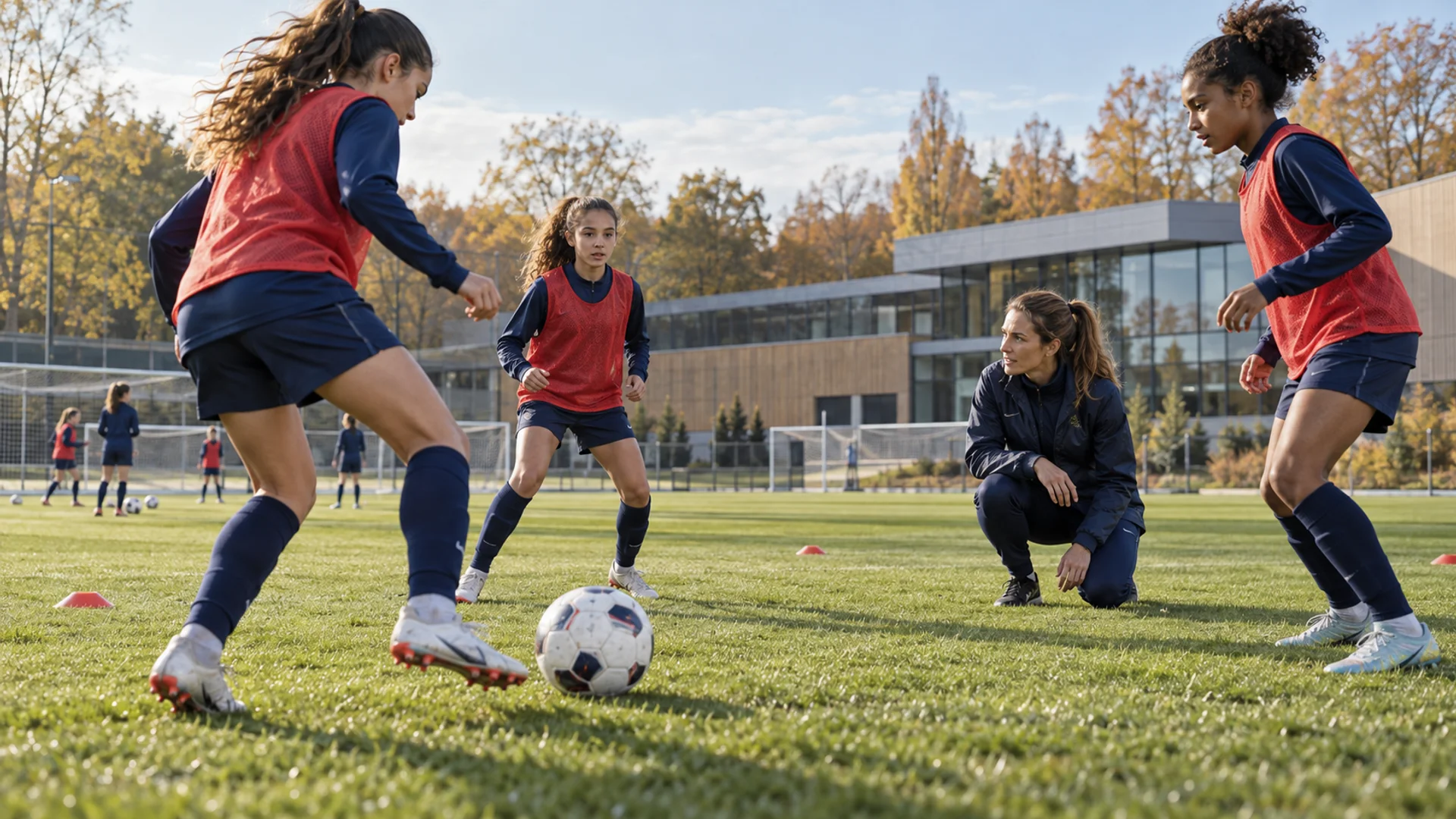
French women’s football is shifting its decisive investment before age 14
PSG’s new U12-U14 preformation centre and LAuRAFoot’s U14F interdistrict pathway show that the real contest is now who builds the first serious bridge into elite development.
 Camille LaurentAcademies & breakthrough seasons
 Opinion
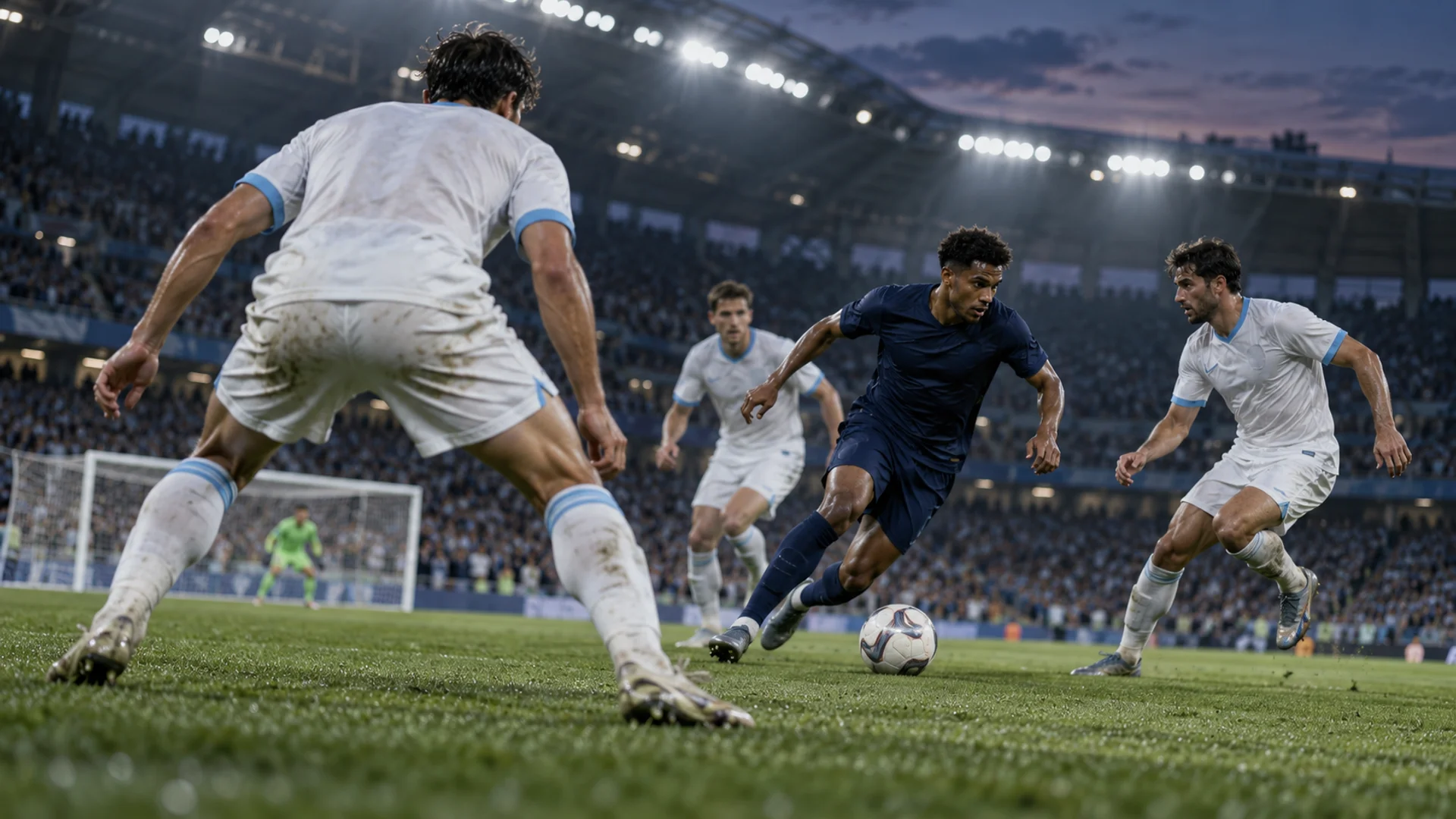
Marseille finally has a shape. The problem is what happens after 60 minutes
Against Le Havre, OM looked structurally clearer for an hour before unraveling. The issue is no longer finding a starting shape, but keeping it alive.
 Basil ArtemoffTerraces, Marseille & style
 Opinion
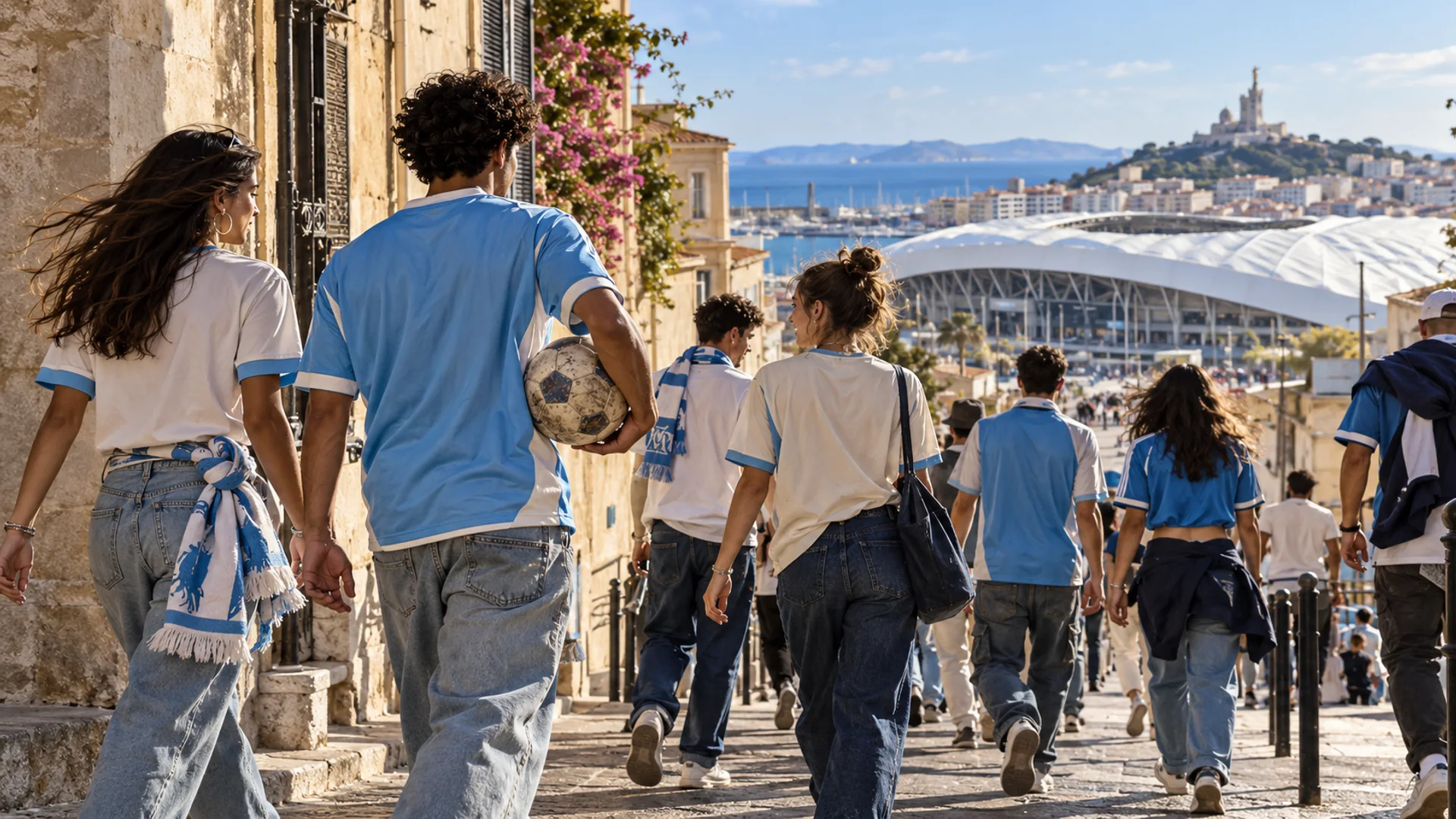
At the Vélodrome, OM’s supporters are still the club’s most stable asset
When the club wobbles, the stand holds. And as shirts turn into cultural objects, Marseille is a reminder that a demanding crowd is worth more than any launch campaign.
Basil ArtemoffTerraces, Marseille & style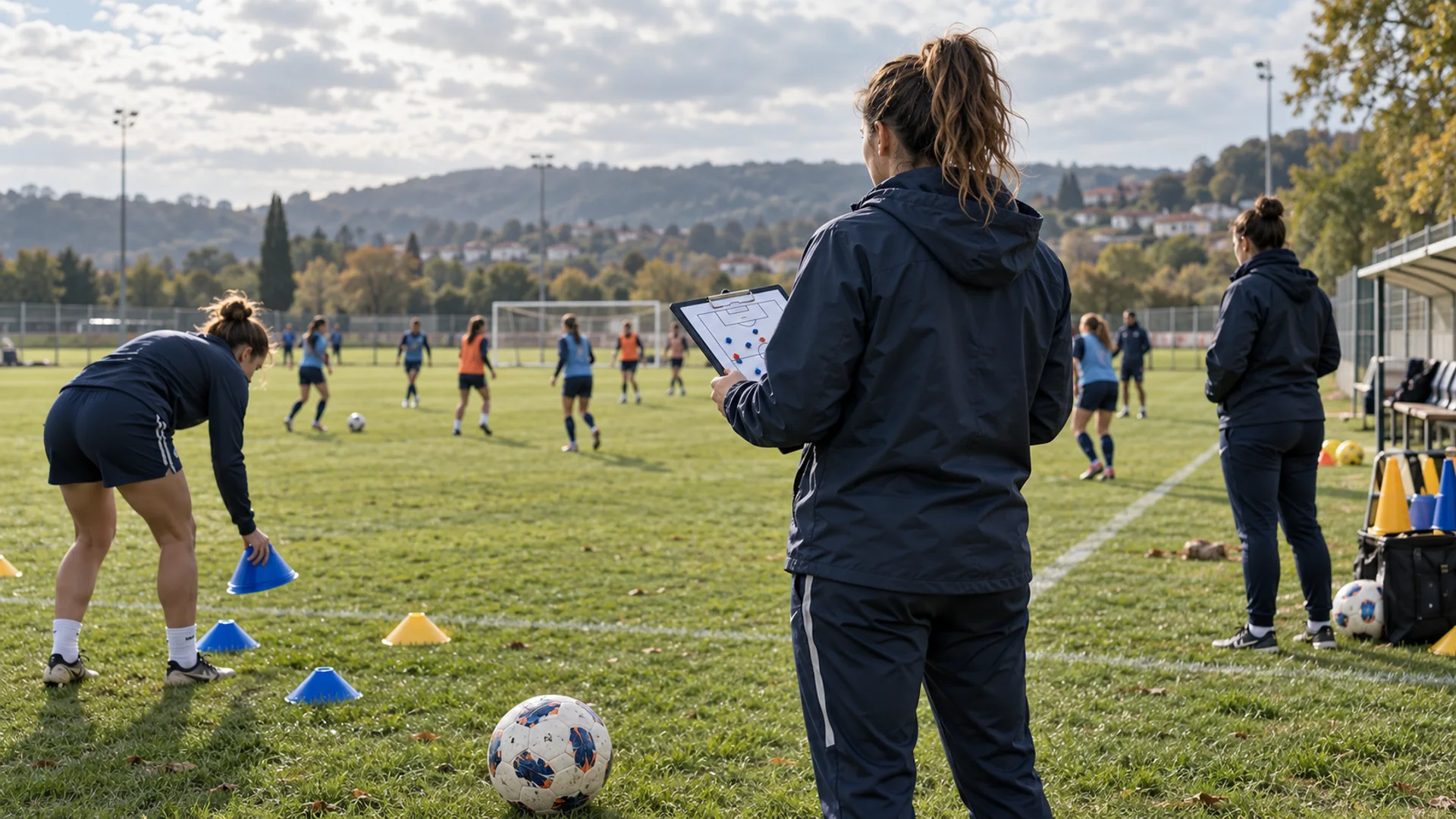 Opinion
French football’s smartest move: turning teenage girls into coaches
Nxt Gen Coaches is not a slogan. It is a pathway. For the women’s game, that may be the most important development right now.
Camille LaurentAcademies & breakthrough seasons