
French women’s football is shifting its decisive investment before age 14
PSG’s new U12-U14 preformation centre and LAuRAFoot’s U14F interdistrict pathway show that the real contest is now who builds the first serious bridge into elite development.
The decisive move is earlier than the usual rhetoric
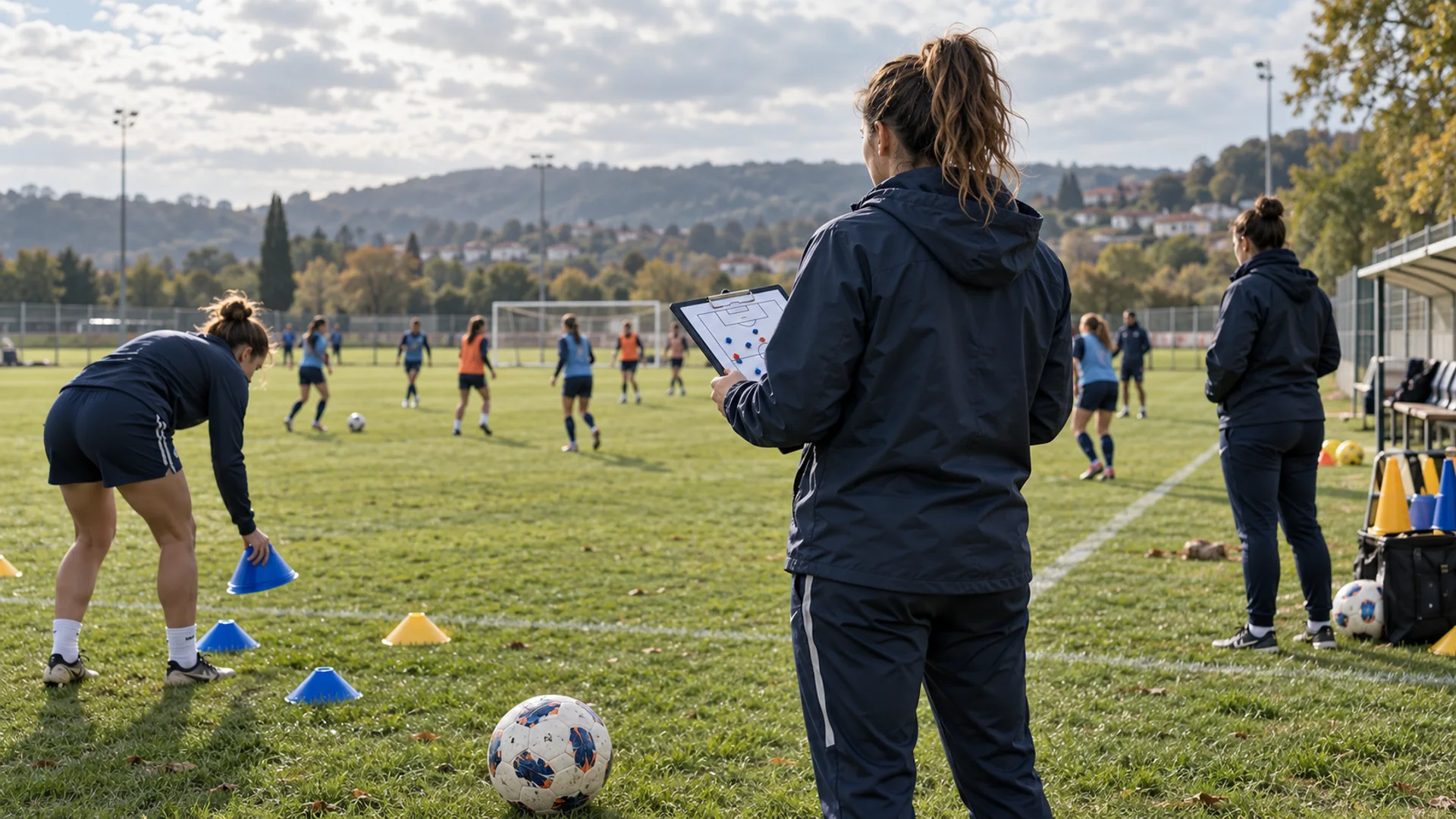
Paris Saint-Germain says it will open a female preformation centre at Campus PSG in Poissy for the 2026 school year, aimed at girls aged 12 to 14, with 14 selected players already welcomed into the programme. The club presents it as a link between amateur football and the academy, combining schooling and performance. That is a meaningful decision, because it shifts investment to the stage where too many girls still fall out of the pathway. [1]
This is more interesting than a routine expansion of elite structures. In France, we often talk about academies as though everything begins at the door of the final formation centre. In practice, the decisive moment comes earlier: when a player has to move from local football, often unevenly supported, into an environment that can organise progress without damaging school life, physical load or enjoyment. PSG is not promising stars; it is admitting that the useful point of intervention is earlier than many clubs act on. [1]
Sources : [1] Paris Saint-Germain ↗
Regional competition is not a waiting room
The Ligue Auvergne-Rhône-Alpes de Football launched the U14 girls’ Interdistricts Cup in Lyon as the first regional step in the season’s U14F PPF pathway, with twelve district delegations involved. The league is explicit about the purpose: to identify, track and guide the best players toward PPF structures, with the next interleague stage scheduled for April. This is not merely a staging post. It is the mechanism that can turn early spotting into an actual pathway. [2]
That matters because French football sometimes flatters itself with the language of detection while underinvesting in the middle layer that gives detection meaning. A well-run U14 interdistrict pathway is more valuable than a vague promise of opportunity: it creates timing, reference points and a clearer route for players and families. Without that, talent ID is just sorting. With it, it becomes development. [2]
Rennes shows what a functioning local pipeline looks like
Stade Rennais offers a useful public snapshot of how a club can feed several age groups at once: Lou Lemercier with France U17 in the first qualifying round for the UEFA Women’s U17 Euro, Keren Domingos and Louna Daniel with France U16, and Jeannette Lejri with France U15F. I would not turn that into a forecast of future stardom. It is better read as evidence that a club’s pathway is producing repeated entry points into national youth teams. [3]
That is the standard the French women’s game should demand. It does not need louder hype around teenagers; it needs stronger links between clubs, leagues and development structures so more players can move from visible talent to sustainable progress. PSG and LAuRAFoot are, in different ways, making the same case: the challenge is no longer just opening doors, but building the corridor. Less glamorous, much more useful. [1][2][3]
Sources : [1] Paris Saint-Germain ↗[2] Ligue Auvergne-Rhône-Alpes de Football ↗[3] Stade Rennais F.C. ↗
Read next
 Opinion
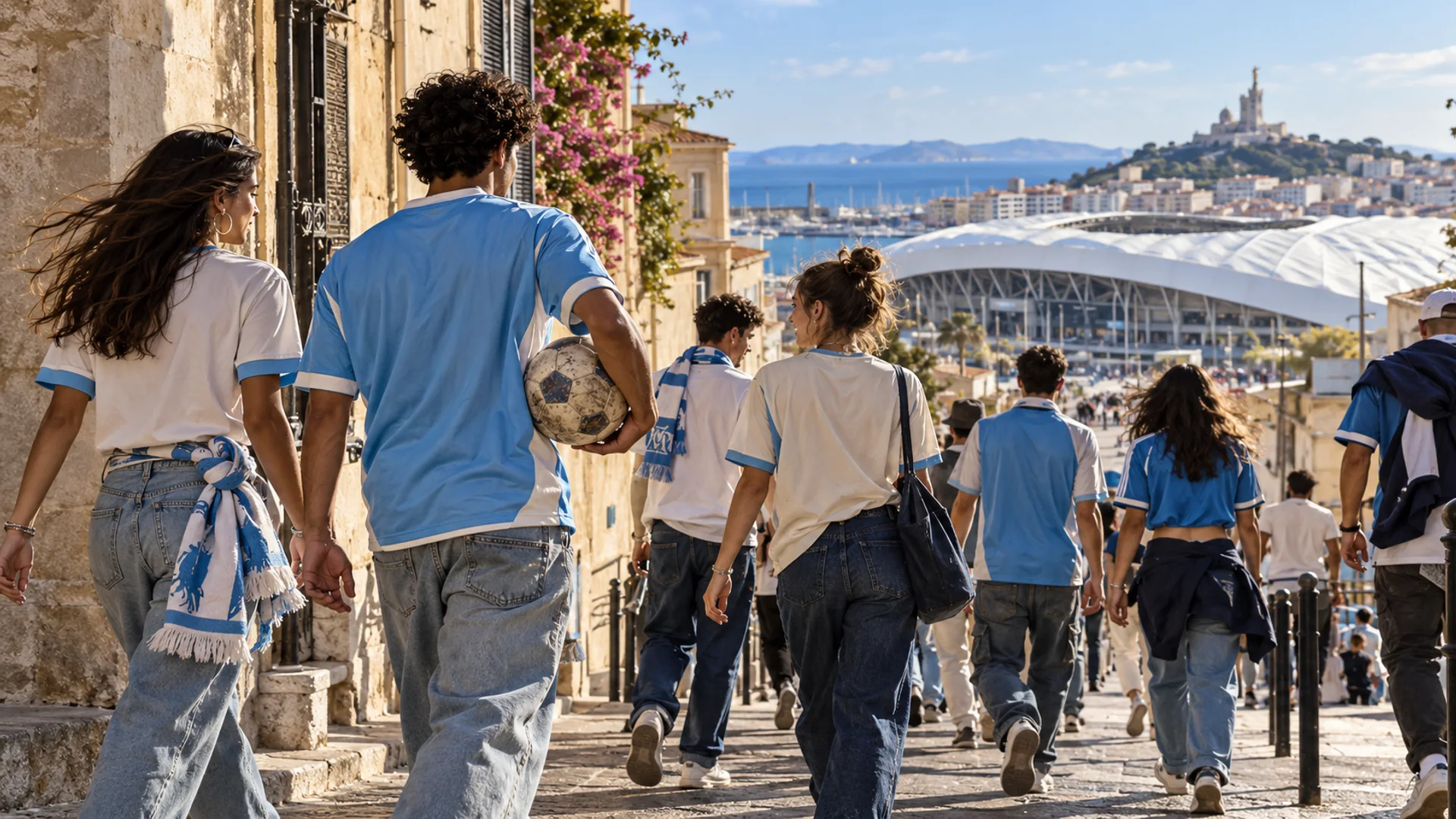
Marseille finally has a shape. The problem is what happens after 60 minutes
Against Le Havre, OM looked structurally clearer for an hour before unraveling. The issue is no longer finding a starting shape, but keeping it alive.
 Basil ArtemoffTerraces, Marseille & styleOpinion
At the Vélodrome, OM’s supporters are still the club’s most stable asset
When the club wobbles, the stand holds. And as shirts turn into cultural objects, Marseille is a reminder that a demanding crowd is worth more than any launch campaign.
Basil ArtemoffTerraces, Marseille & styleOpinionFrench football’s smartest move: turning teenage girls into coaches
Nxt Gen Coaches is not a slogan. It is a pathway. For the women’s game, that may be the most important development right now.
 Camille LaurentAcademies & breakthrough seasons
 The Sunday review
Morel on Sunday: French football needs to become easier to love
Fixtures move, television rights return to the negotiating table and ambitious clubs keep promising a brighter tomorrow. This week raises a quieter question than any transfer saga, but a more important one: what makes people want to come back for the next match?
 Étienne MorelThe football, the clubs, the decisions
 Opinion
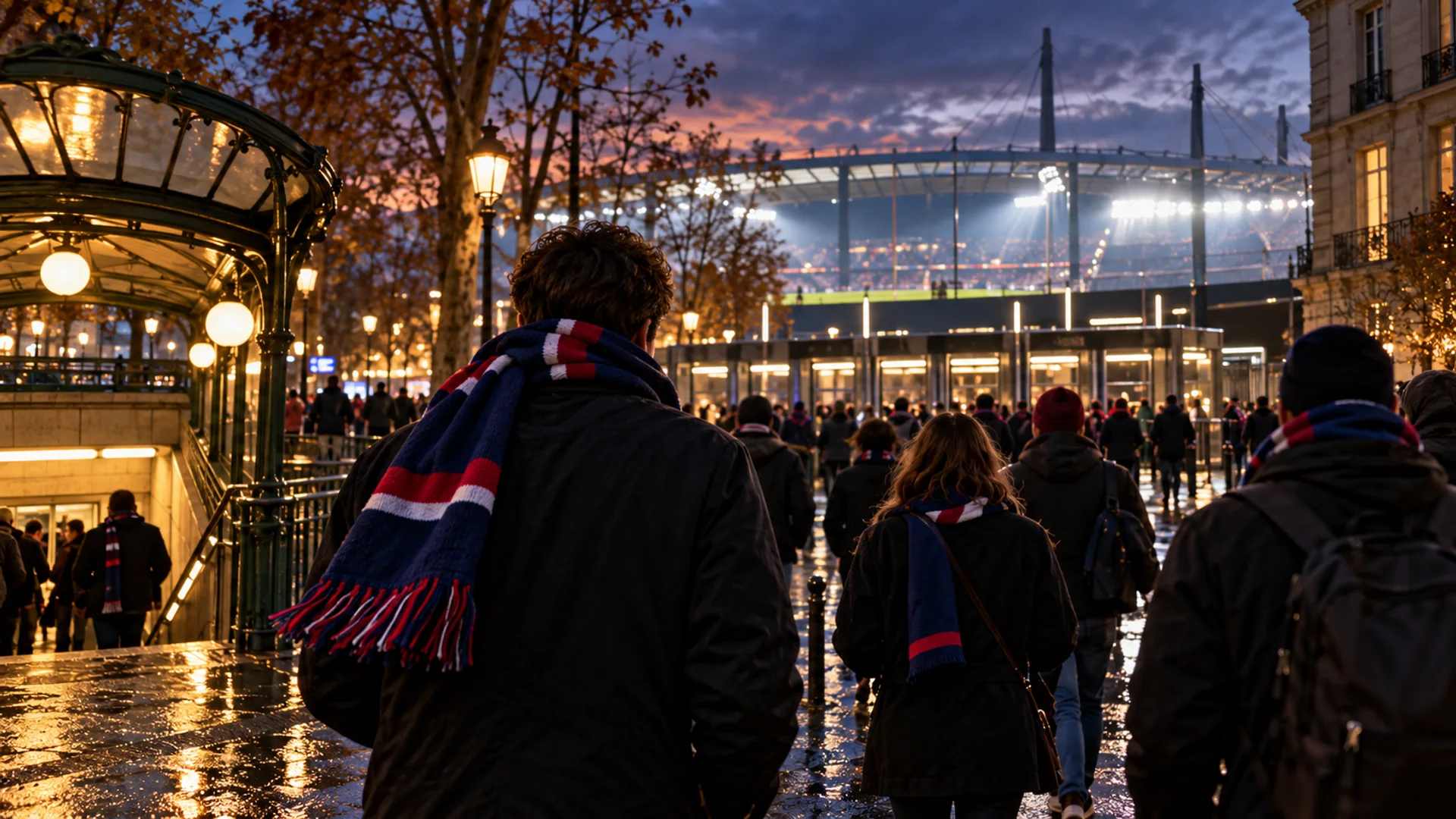
PSG–Lyon: supporters cannot be the spare part
A marquee fixture moves to Monday, a global football ceremony occupies the same evening, and the people who planned their Sunday must adapt. Moving a match can be necessary. Treating its audience as endlessly flexible is a choice.
Étienne MorelThe football, the clubs, the decisions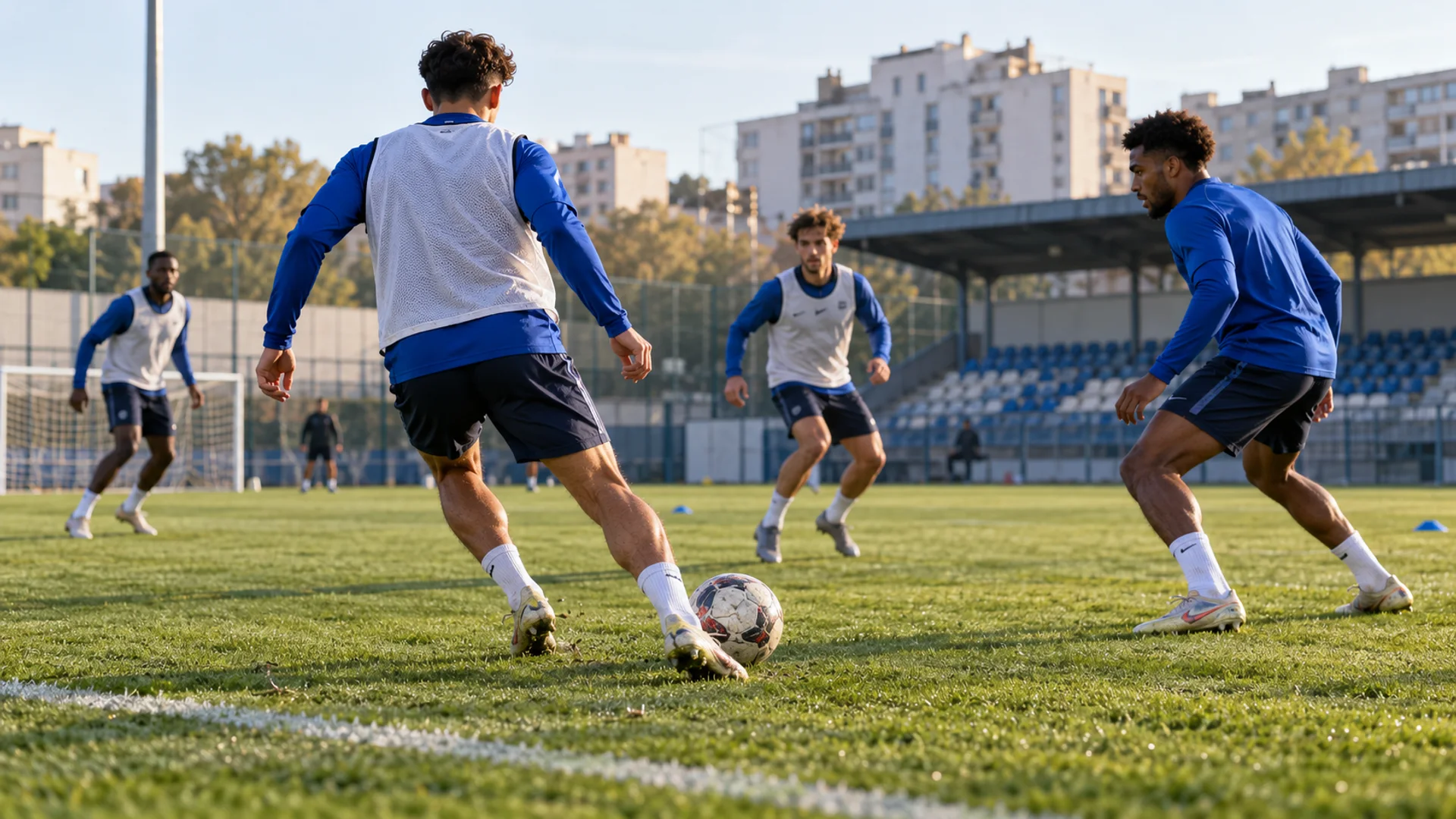 Opinion
Paris FC: spending more need not mean starting again
A club’s new ambitions draw attention. The players who were there before usually draw less. That can obscure something valuable: continuity is a footballing resource, provided it never becomes a sentimental excuse for avoiding difficult decisions.
Étienne MorelThe football, the clubs, the decisions