
PSG, U14F, U15F: French women’s development is finally tightening its pathway
Do PSG’s pre-academy and the regional U14F/U15F steps mark genuine structure, or just another layer of selection?

A clearer pathway, though not yet a perfect one
French women’s football is moving toward something clearer: earlier identification, more readable regional stages, and better signposted entry points for teenage players. Paris Saint-Germain’s announcement of a Women’s Pre-Academy, due to open at Poissy in autumn 2026, fits that direction. The club now links its association, a pre-academy and its Academy in one development pathway, with 14 players already welcomed and an age band of 12 to 14. That is not just a press release flourish. It is a structural choice. [1]
The real question is whether this structure helps players, or simply adds another screening layer. On that point, I’m cautious. The earlier you identify, the earlier you sort. Still, the merit of the current move is that it admits girls’ development can no longer depend on late improvisation, or on abrupt jumps between school football, local clubs and elite groups. The tunnel is narrowing; at least now it is visible. []
Sources : [1] Paris Saint-Germain ↗
Regional leagues are starting to look like a pathway
The regional documents show this is not confined to major clubs. In Lyon, the U14F Interdistricts Cup opened on 22 October as part of the U14F PPF pathway, with 12 delegations from the 11 districts involved and a final four scheduled for late November. In Bourgogne-Franche-Comté, the first U15F regional camp took place from 19 to 21 October after an inter-district step at the start of the month, with further fixtures announced for November and January. The leagues are no longer talking only about scouting; they are organising stages. [2][3]
That matters because a good development system is not built only on “detected” talent, but on understandable movement between levels. U14F and U15F are becoming public reference points, and that is healthy. We can now see where monitoring starts, how it continues and where it is tested. The danger remains the same, of course: clarity can be used to accelerate a very narrow selection rather than broaden the pool. But a framework now exists. []
Sources : [2] Ligue Auvergne-Rhône-Alpes de Football ↗[3] Ligue Bourgogne-Franche-Comté de Football ↗
Finally, adolescent girls are being treated as a development project
The main novelty is not simply lower entry ages, but the idea of dedicated support during adolescence. PSG is announcing a bridge from pre-academy to Academy; the leagues are chaining together gatherings, camps and friendlies to extend observation instead of reducing it to a single snapshot. That deserves credit, because it recognises something too long ignored: a 12-, 13- or 14-year-old player is not a file to be sorted, but an athlete in formation. [1][3]
I remain sceptical of the comforting “progress” narrative. Building pathways is not enough if they standardise early-maturing profiles and sideline slower, more technical or later-blooming trajectories. But the signal sent by these structures is useful: French women’s football is finally thinking in terms of continuity, not just the summit. That is where development gains credibility. []
Sources : [1] Paris Saint-Germain ↗[3] Ligue Bourgogne-Franche-Comté de Football ↗
What should be judged now
The test will not be the glamour of the announcements, but the quality of the transitions. A pre-academy at Poissy matters only if it avoids becoming a showcase. A U15F regional camp matters only if it leads to visible follow-up. And U14F should not become a simple sorting room, but a real space for guidance. The right direction exists; now it needs defending against slogan-level thinking. []
Read next
 Opinion
French women’s football is shifting its decisive investment before age 14
PSG’s new U12-U14 preformation centre and LAuRAFoot’s U14F interdistrict pathway show that the real contest is now who builds the first serious bridge into elite development.
 Camille LaurentAcademies & breakthrough seasons
 Opinion
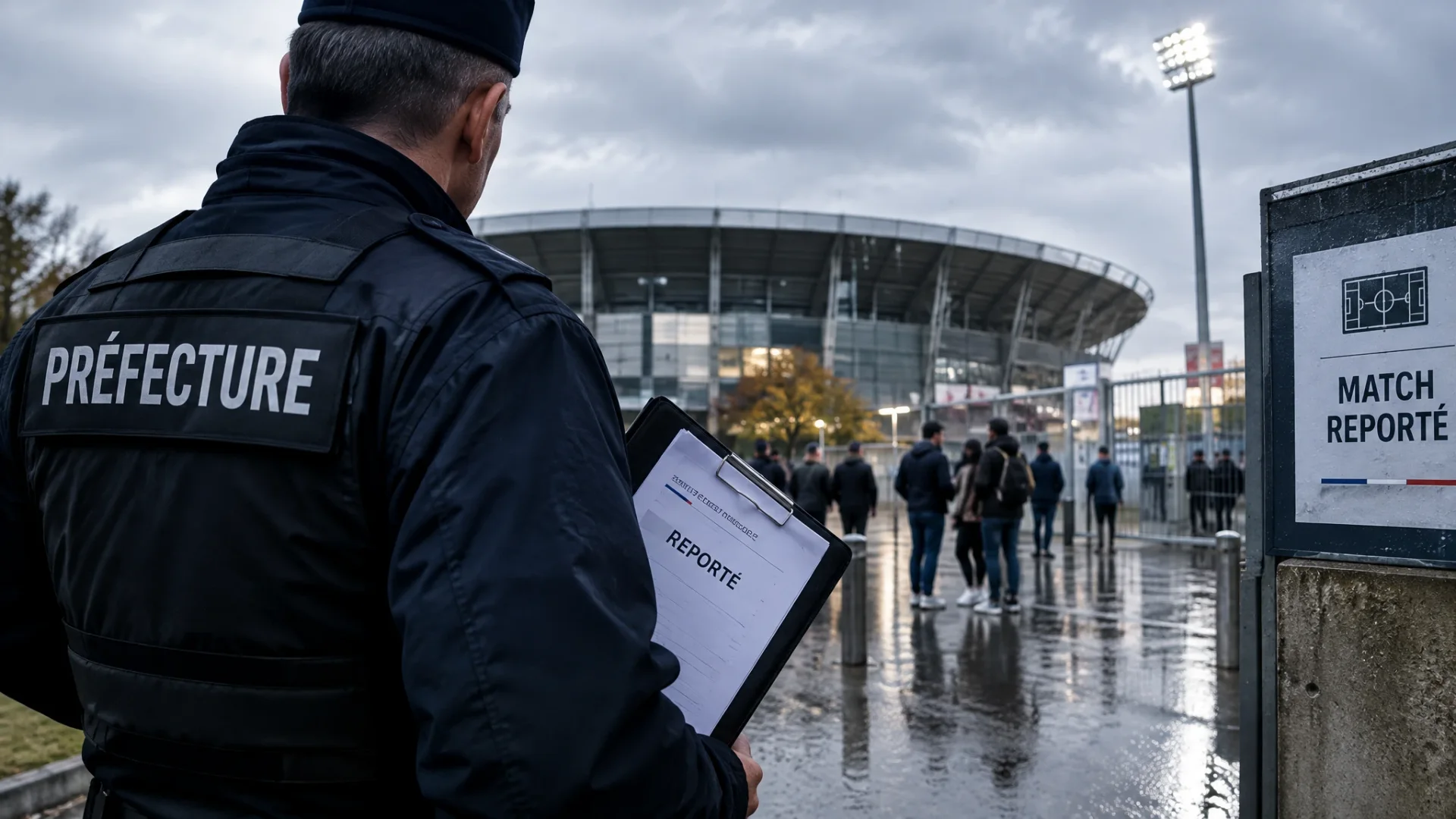
Nice, Lyon, Rennes: when prefects set Ligue 1’s tempo
The reshuffled dates for Nice-Rennes and OL-Angers are not just a calendar nuisance. They show how prefectural security decisions are increasingly shaping Ligue 1’s sporting rhythm.
 Étienne MorelThe football, the clubs, the decisions
 Opinion
When a football shirt sells a city, a cause or a scene
Recent club and brand releases show a clear shift: football apparel is no longer sold only as product, but as belonging. Is that good for supporter culture, or just a smarter way to sell the same thing?
 Basil ArtemoffTerraces, Marseille & style
 Opinion
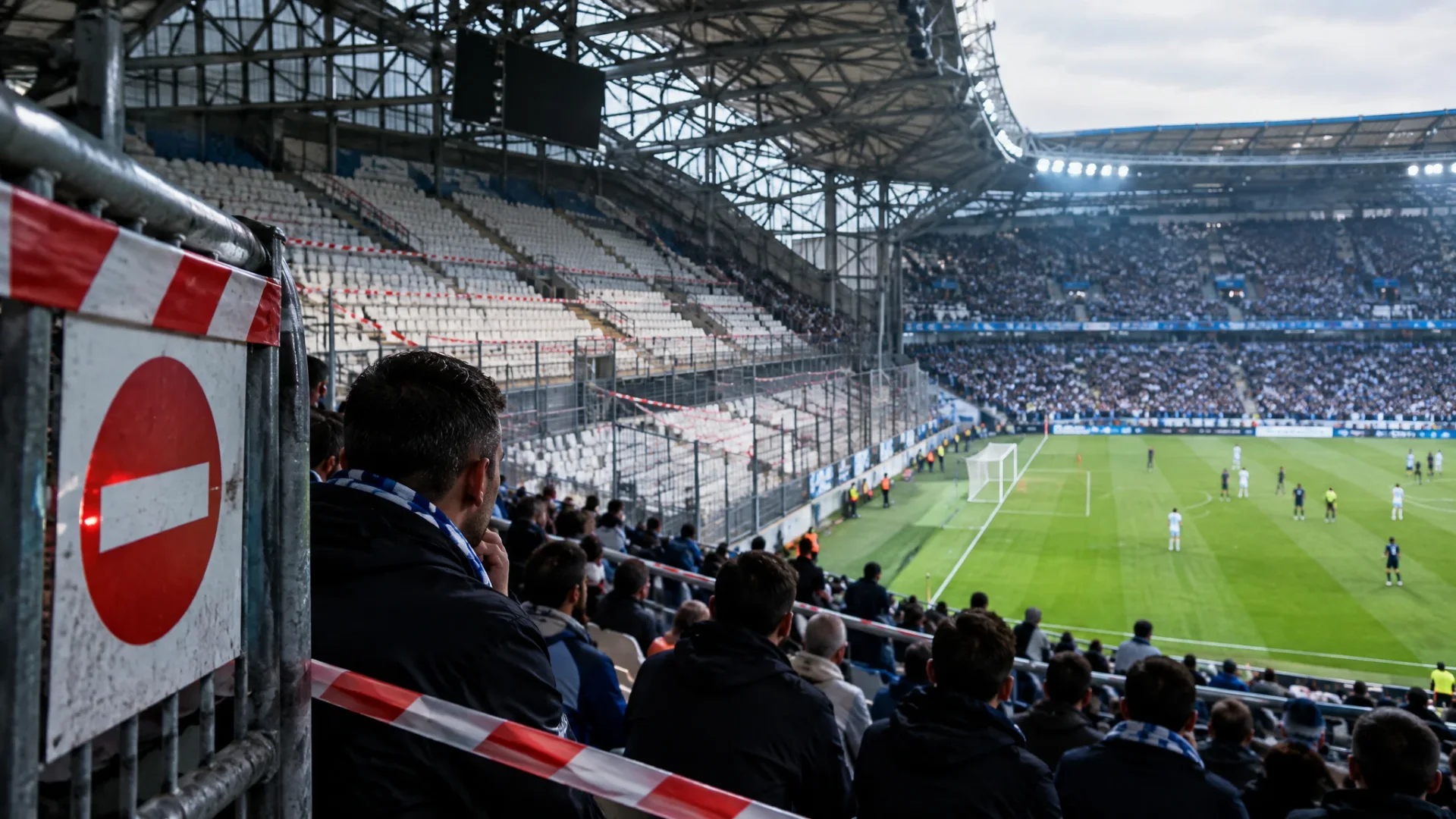
Marseille and the Vélodrome: when the Nord stand becomes a tactical handicap
What is a team worth when it is finally playing better just as its stadium loses part of its voice? Marseille’s sanction is a reminder that a club cannot cleanly separate performance from stand-side disorder.
Étienne MorelThe football, the clubs, the decisions Opinion
US Saint-Malo, Les Marseillaises: when the shirt becomes an identity product
Why do special editions now say as much about the club as about the city, and why would Marseille recognise the pattern immediately?
Basil ArtemoffTerraces, Marseille & style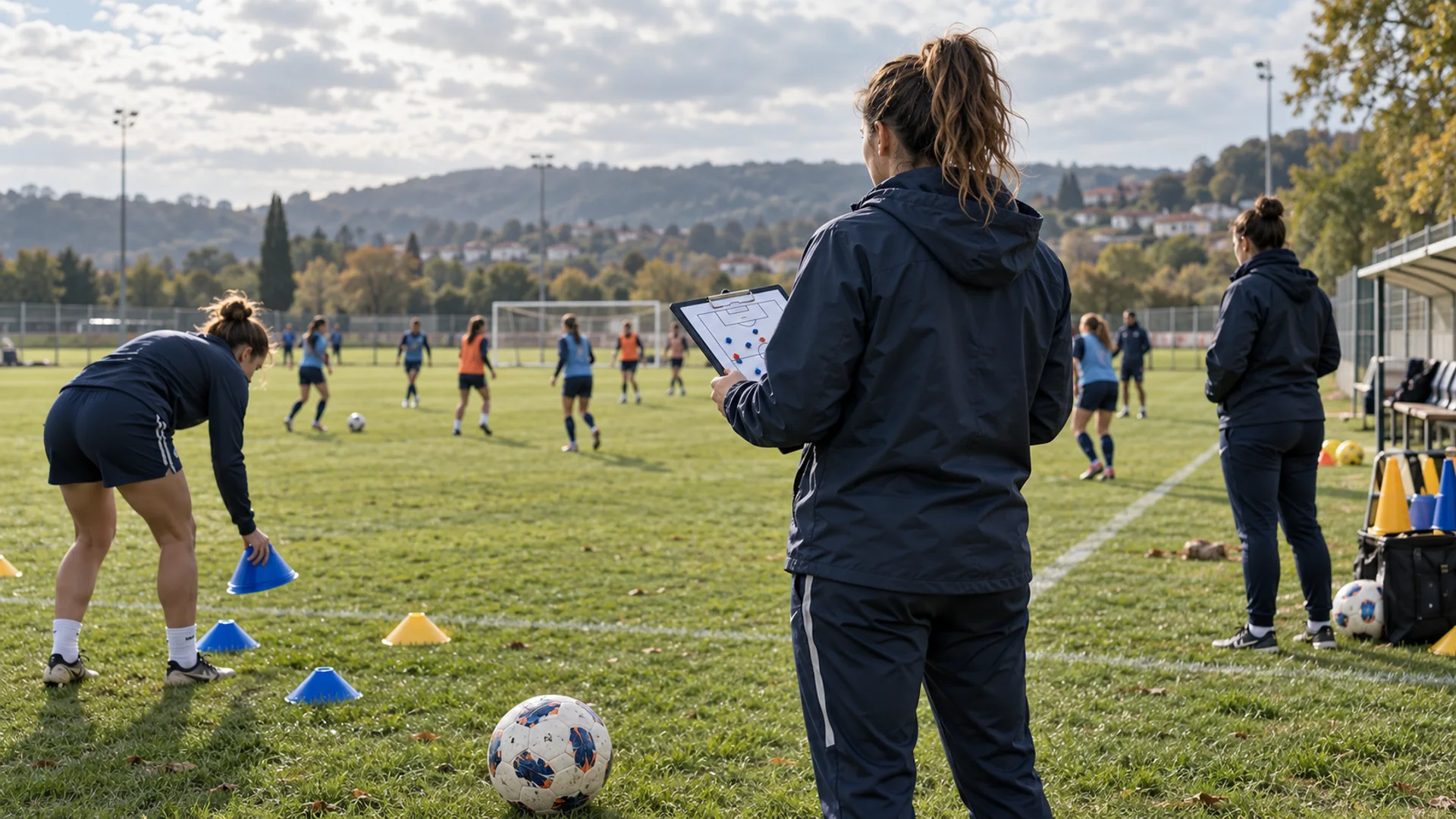 Opinion
French football’s smartest move: turning teenage girls into coaches
Nxt Gen Coaches is not a slogan. It is a pathway. For the women’s game, that may be the most important development right now.
Camille LaurentAcademies & breakthrough seasons