
Liverpool, Tommy Hilfiger and Jérémy Jacquet: when football turns into seasonal mood
“The Perfect Holiday” is not selling a match or a transfer. It is selling a silhouette, a sense of belonging and a very polished idea of taste around Liverpool.
A player, an atmosphere
Jérémy Jacquet appears in Tommy Hilfiger’s winter 2026 campaign, “The Perfect Holiday,” alongside other players tied to Liverpool. The sporting side matters only in the background: the brand places the French defender inside a seasonal setting built around gifts, layers and clean styling, with the club acting more like a cultural marker than a football subject. This is not a pitch-side announcement. It is an image-led performance of belonging.
That is exactly why the campaign is worth reading closely. Jacquet is not the lead because of a match event or a performance headline. He is there because his image can carry an idealised, tidy, almost postcard-ready version of footballing cool. Modern football no longer only produces shirts; it produces seasonal figures that travel easily between sport, fashion and retail desire.
Sources : [1] Dégaine ↗
Liverpool as a sign of elegance
This logic did not appear overnight. An earlier piece had already shown Tommy Hilfiger and Liverpool in a formal partnership, with players used as style ambassadors for a summer 2026 collection sold through the brand’s channels. The November campaign is therefore not a new sporting chapter; it is a continuation of an existing commercial arrangement.
That distinction matters. Fans should not mistake polished fashion imagery for a football signal, or overread every cleanly lit face as if it carried tactical or transfer meaning. Liverpool is being used here as a cultural guarantee, a badge of legitimacy that lets an American brand speak in the language of preppy taste and seasonal desire while staying anchored to football. Elegance becomes a product of affiliation, not a decorative extra.
Sources : [2] Dégaine ↗[1] Dégaine ↗
What supporters actually see
For supporters, the real issue is not whether the clothes are good, but what this kind of image says about the club today. Big clubs now sell more than colours: they sell ways of living in those colours. The campaign’s layered, gift-friendly, preppy tone makes that plain. The message is simple: football can be worn as a Christmas mood.
There is nothing wrong with style, and nothing wrong with a player fronting a fashion campaign. But it would be a mistake to confuse that with sporting proof, or with a sign that the club’s identity is somehow more authentic because it photographs well. Here everything is carefully arranged to generate belonging without friction. It is effective, sometimes attractive, and highly controlled. Clubs still speak the language of the crowd; campaigns prefer comfort, polish and easy aspiration.
Sources : [1] Dégaine ↗[2] Dégaine ↗
A polished image of the game
That is why Jacquet matters in this campaign beyond his simple presence. He becomes a window figure in a story where Liverpool supplies the badge, Tommy Hilfiger the styling bridge, and the seasonal outfit the common language. Football gains surface appeal, but loses some of its noise, tension and disorder. That is the price of well-oiled collaborations: they turn passion into ease.
In the end, this is a very contemporary piece of football culture. Clubs no longer only try to win over terraces; they sell moods, silhouettes and ways of appearing together. That is not a scandal. It is the norm. But it should be named for what it is: an image campaign, not a sporting announcement, and a neat example of how the game is now styled all the way down.
Sources : [1] Dégaine ↗[2] Dégaine ↗
Read next
 Opinion
Kids of Immigrants and Nike Tiempo: when a boot becomes an identity story
The new Kids of Immigrants Tiempo matters less as a limited drop than as proof that football now sells heritage, migration and performance in one package.
 Basil ArtemoffTerraces, Marseille & style
 Opinion
Ligue 1, Nike and PSG: when the Tiempo moves from pitch to street
Nike has released a Tiempo made to play and to be seen. But in Ligue 1, Nike’s showcase still keeps reflecting PSG: is this still football geography, or already style geography?
Basil ArtemoffTerraces, Marseille & style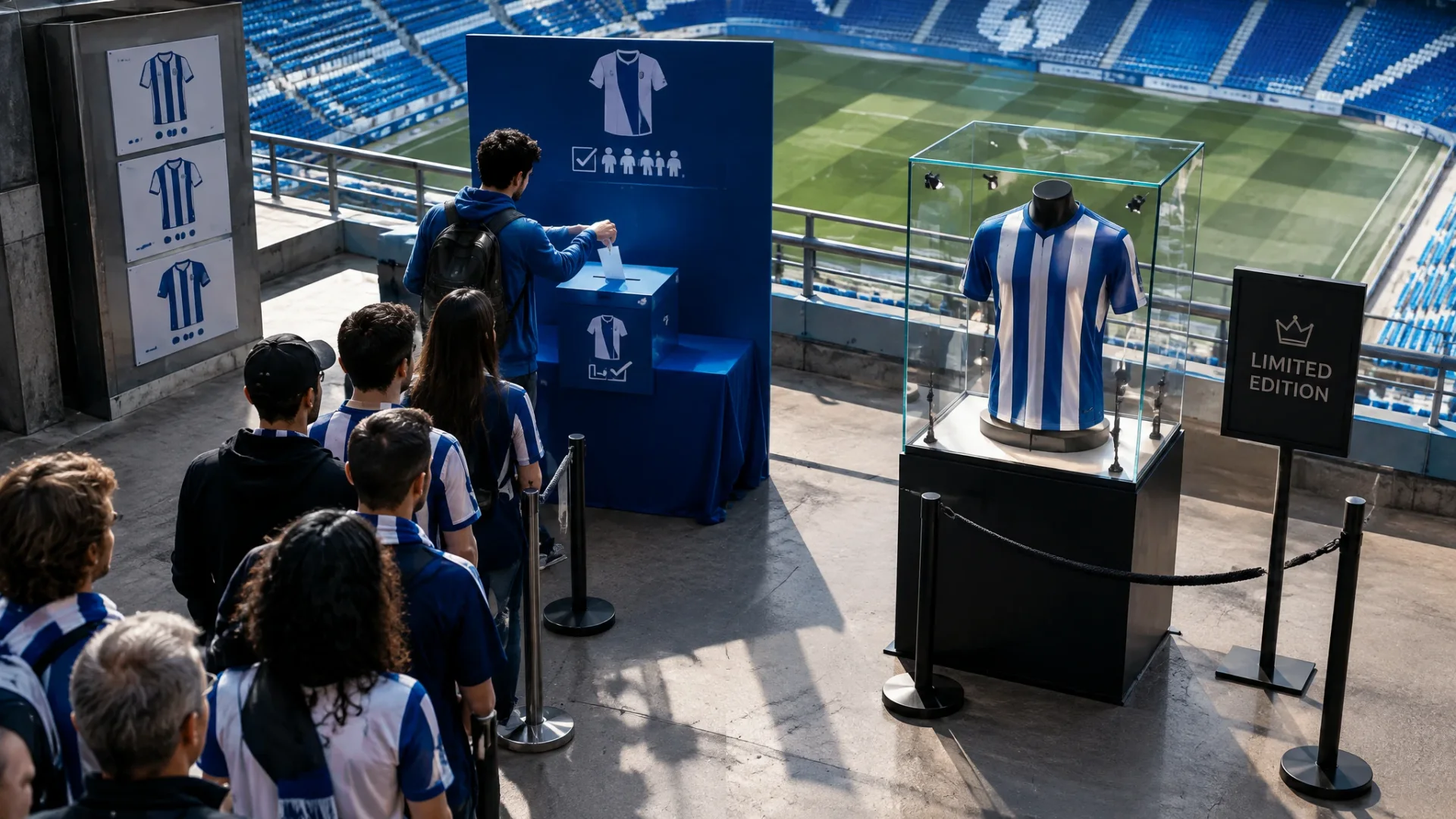 Opinion
Espanyol’s shirt vote and the football-fashion economy of scarcity
Espanyol’s fan vote looks democratic. The bigger trend is still controlled rarity: clubs invite participation, brands keep the most desirable objects tightly managed.
Basil ArtemoffTerraces, Marseille & style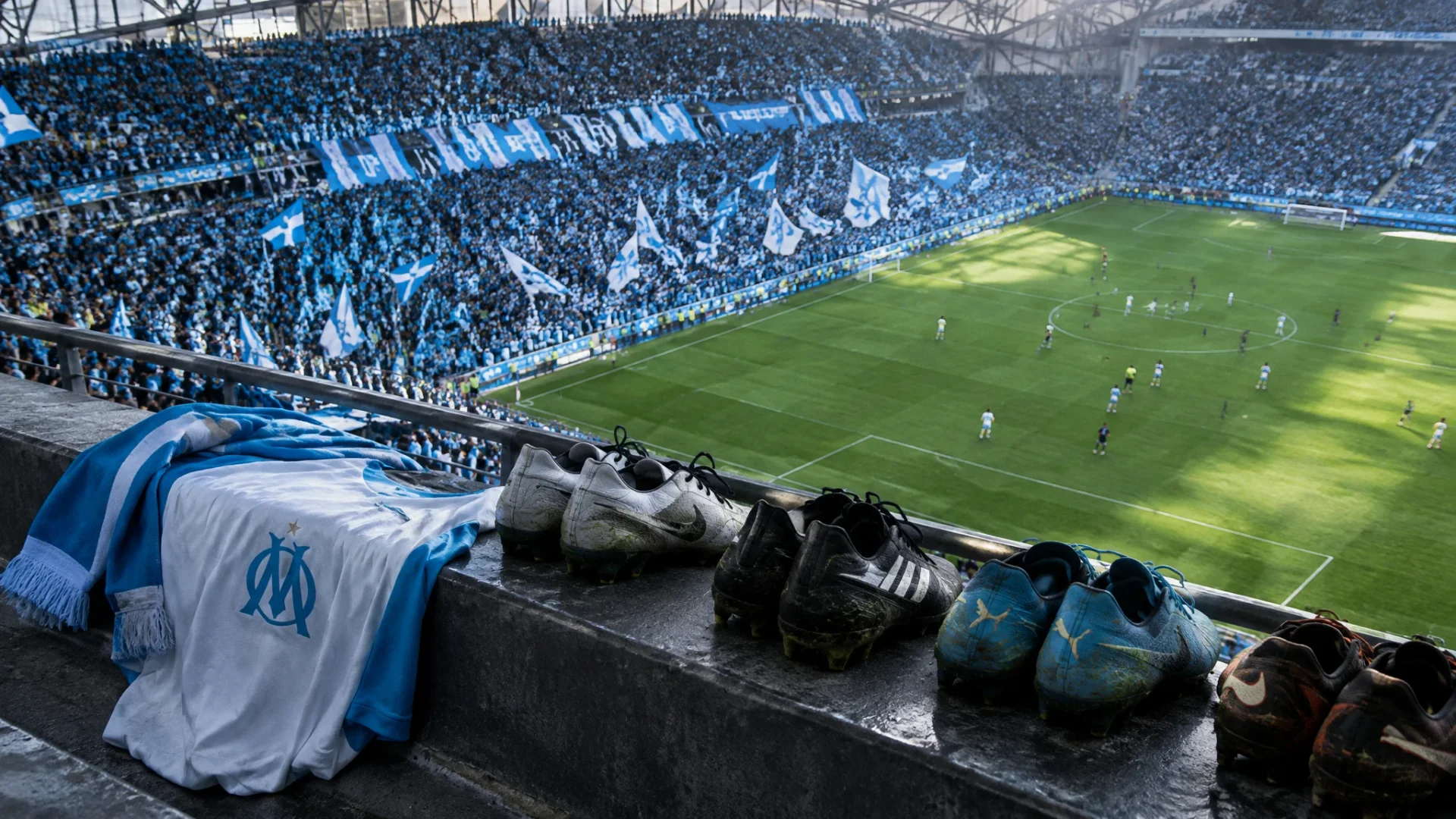 Opinion
OM in Ligue 1: the club brands the stands, not the boots
Why does Marseille still look unified in the curve, while the players’ feet tell a different story? Because the official image and the real dressing-room habits no longer match.
Basil ArtemoffTerraces, Marseille & style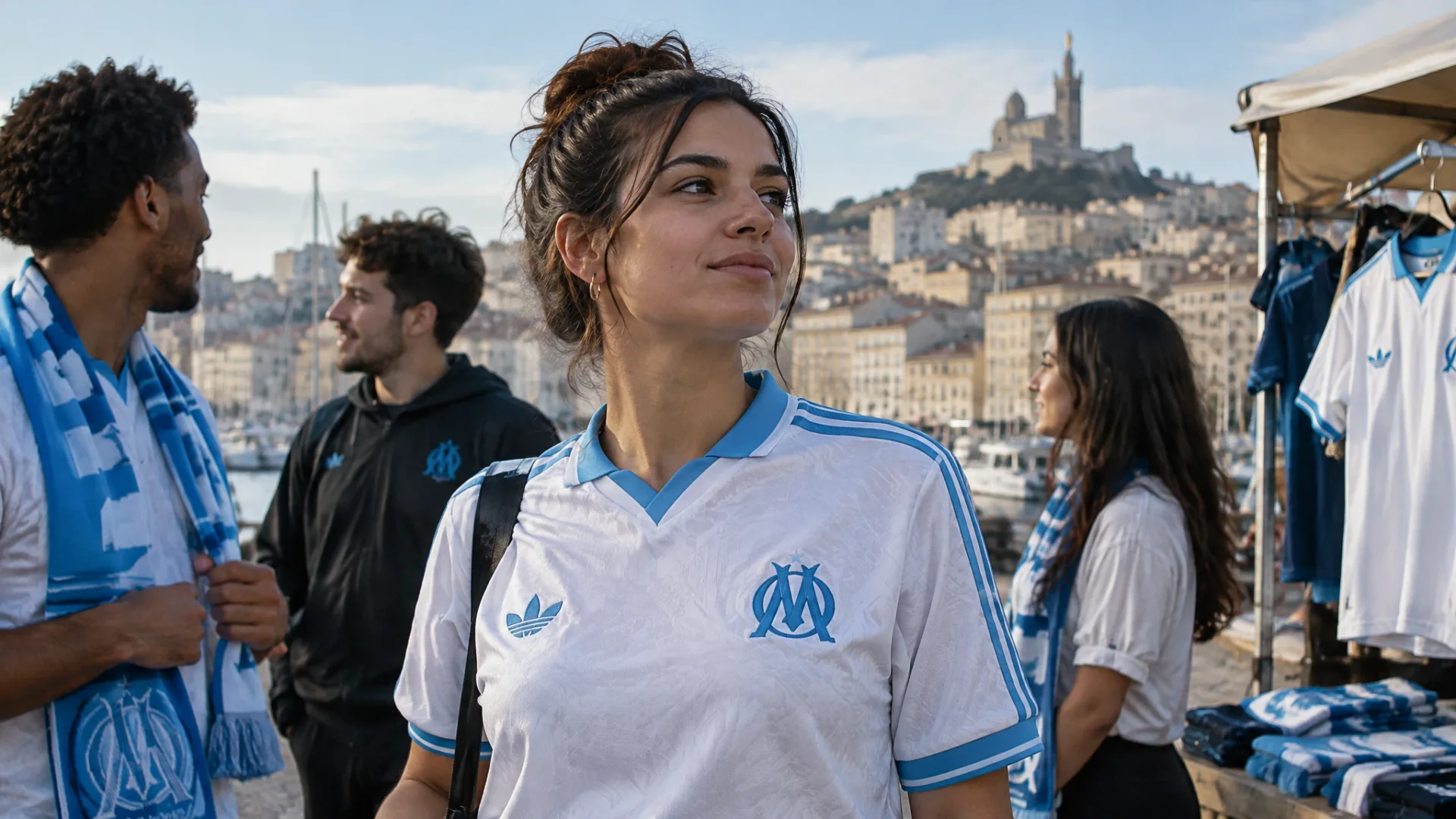 Opinion
OM and Adidas: why the comeback is a shirt, terrace and market reset
Why does Adidas’s return to Olympique de Marseille matter beyond the badge? Because it reconnects the club’s visual memory, terrace culture and shirt economy in one move.
Basil ArtemoffTerraces, Marseille & style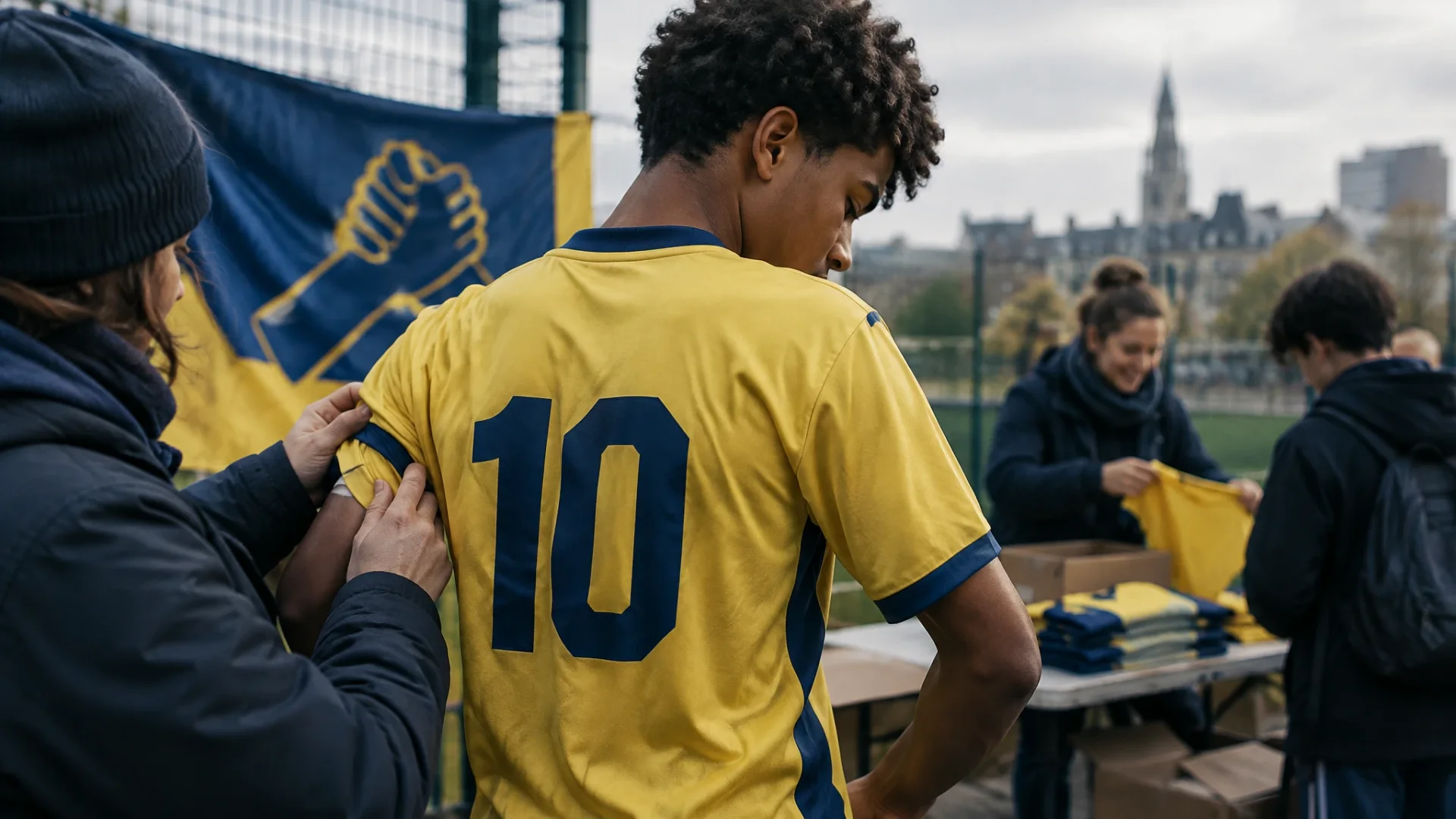 Opinion
Union Saint-Gilloise, Kappa and the civic shirt: who gets to define it?
From Brussels to Marseille, the football shirt is no longer just a colour swatch for sale: it can organise solidarity. But when a garment turns civic, who really defines its meaning — the club, the brand, or the stand?
Basil ArtemoffTerraces, Marseille & style