
Kids of Immigrants and Nike Tiempo: when a boot becomes an identity story
The new Kids of Immigrants Tiempo matters less as a limited drop than as proof that football now sells heritage, migration and performance in one package.
A Tiempo that also sells a story
Kids of Immigrants’ first Nike Tiempo is not just for boot collectors. What matters is how the collaboration is framed: Honduran and Liberian roots are placed front and centre, and the release is described as limited. The product therefore arrives carrying a narrative before anyone even judges it on pitch terms.
It is also worth noting that the pair had already been seen on Matheus Cunha before release. That detail says a lot. The boot is no longer only equipment for a player; it is part of image-making. The 19 November release belongs to that economy, where scarcity and storytelling feed each other.
Sources : [1] Footpack ↗
Football now sells heritage as a brand language
I do not dismiss this kind of collaboration. I am saying it tells football in a very contemporary way: identity, migration and transmission have become commercial arguments in their own right. That does not make the story false. It just makes it highly coded. A brand is no longer selling only a sole, an upper or touch on the ball; it is selling origin, feeling and representation.
That is exactly why the project is culturally interesting. Kids of Immigrants is not a neutral name, and Nike knows very well what that sort of pairing produces in the language of sport and style. You are not only buying a “performance” boot. You are buying a narrative that fits the way a younger audience wants to see itself: mobile, hybrid, readable in the street as much as on the pitch.
Sources : [1] Footpack ↗
Why the Tiempo is the right vessel
The history of the Tiempo line makes the logic even clearer. Footpack traces it back to 1983 and presents it as a pillar that has moved through generations while being refreshed over time. In other words, this is not a random marketing shell; it is a model already heavy with football memory.
That is why the collaboration works. When you wrap a silhouette with that much history in a story about heritage, you are not starting from zero. You are grafting a new narrative onto an object that already has credibility. But that credibility should not hide the commercial machine underneath it. Tradition is being used here as the base for a very current story about brand, diaspora and aesthetics.
Sources : [2] Footpack ↗[1] Footpack ↗
From boots to shirts: two loyalties, two logics
As a supporter, I still think football’s deepest meaning lives elsewhere: in shirts, terraces and the folds of belonging. A shirt does not need a sophisticated narrative to matter. It already carries a club, a city, a collective memory, and sometimes disagreement too. That is a rougher loyalty than a boot presented as a total cultural object.
Boot culture tells a different story: movement, fashion, self-staging and desire. That is not less legitimate, but it is more heavily commercialised. That is why this Tiempo deserves to be read as a sign. It shows that modern football can package identity inside a product without losing style. It also reminds us that a supporter’s bond to a club is not reducible to a polished story around a pair of boots.
Read next
 Opinion
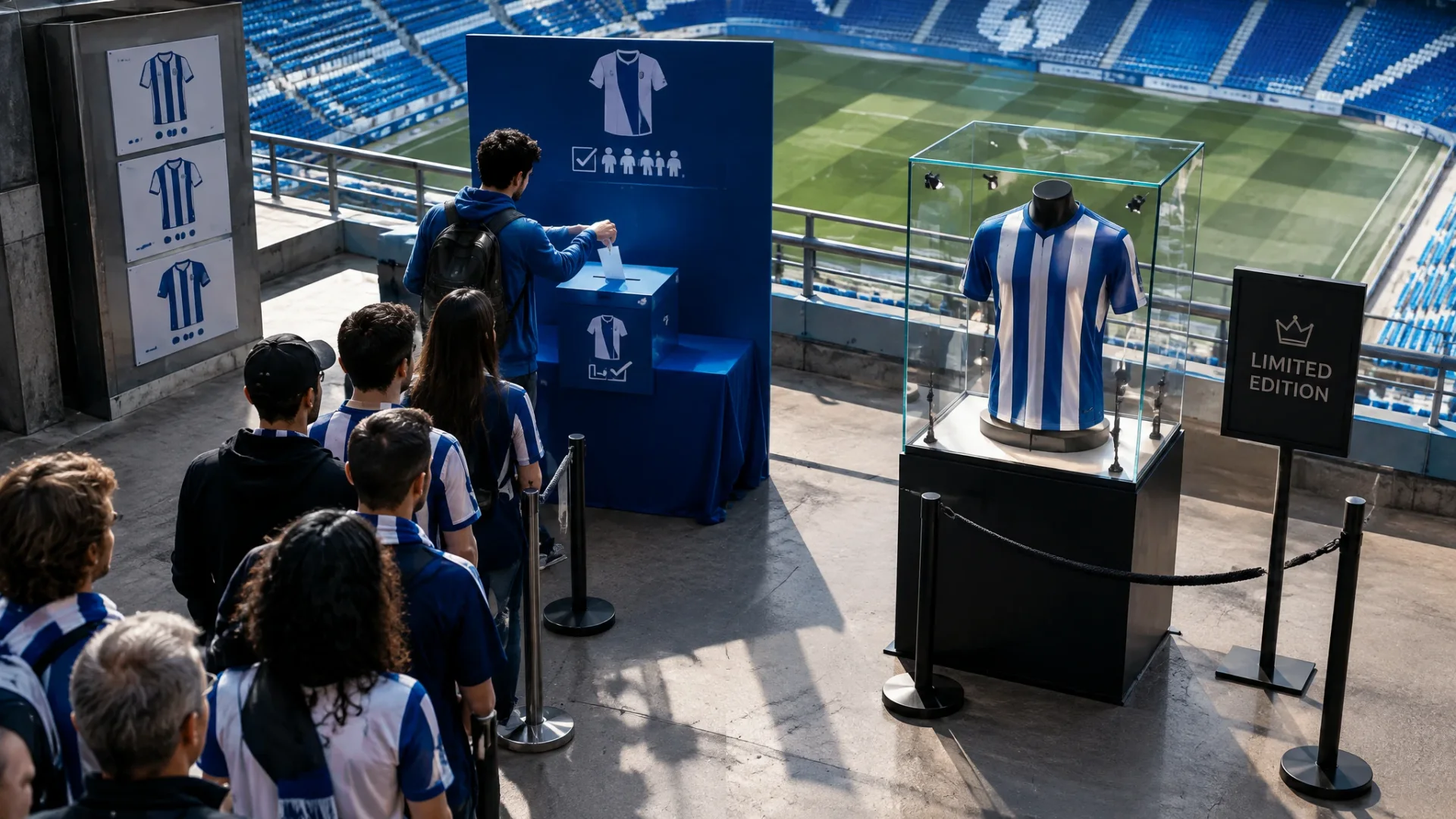
Espanyol’s shirt vote and the football-fashion economy of scarcity
Espanyol’s fan vote looks democratic. The bigger trend is still controlled rarity: clubs invite participation, brands keep the most desirable objects tightly managed.
 Basil ArtemoffTerraces, Marseille & style
 Opinion
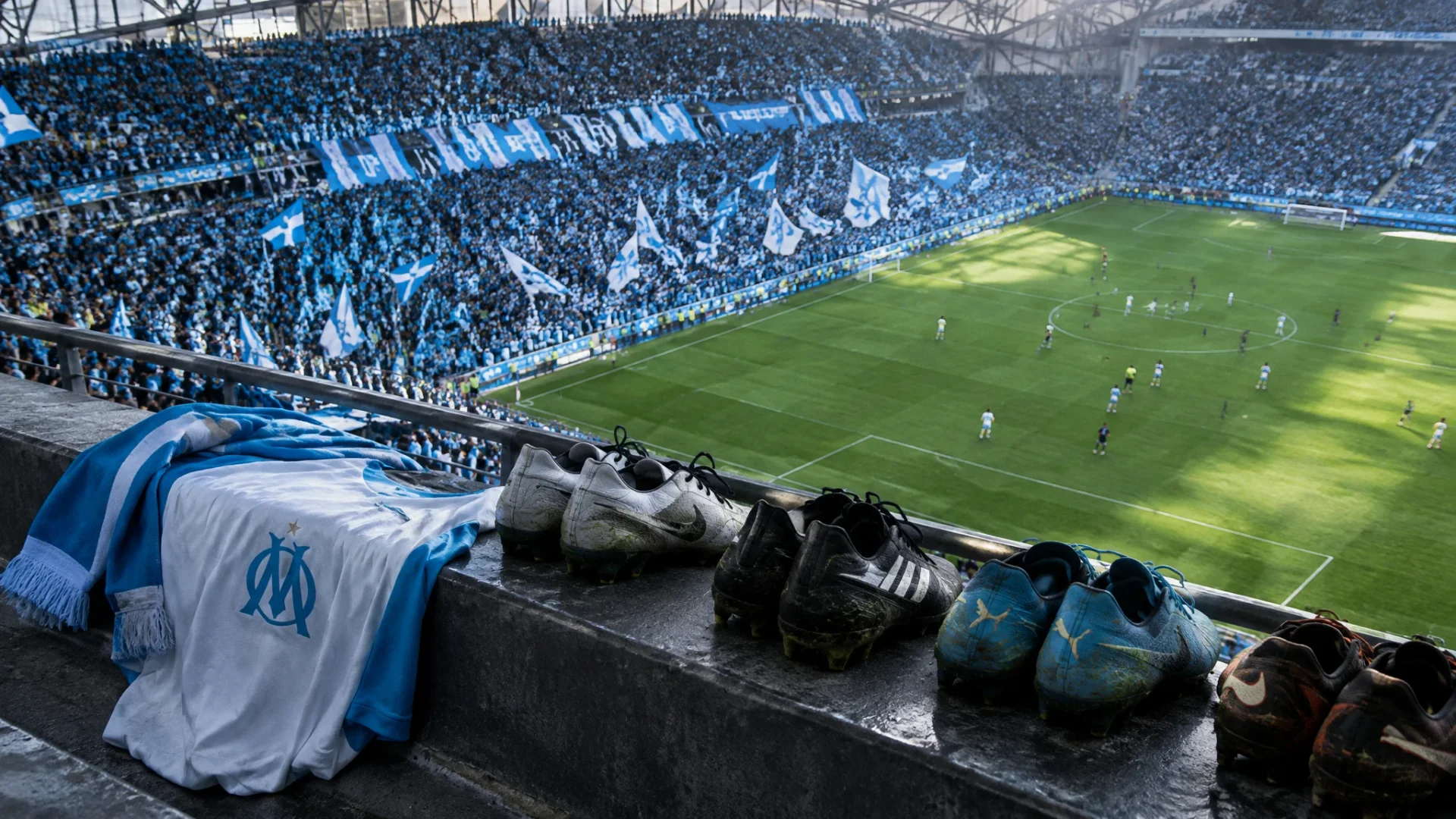
OM in Ligue 1: the club brands the stands, not the boots
Why does Marseille still look unified in the curve, while the players’ feet tell a different story? Because the official image and the real dressing-room habits no longer match.
Basil ArtemoffTerraces, Marseille & style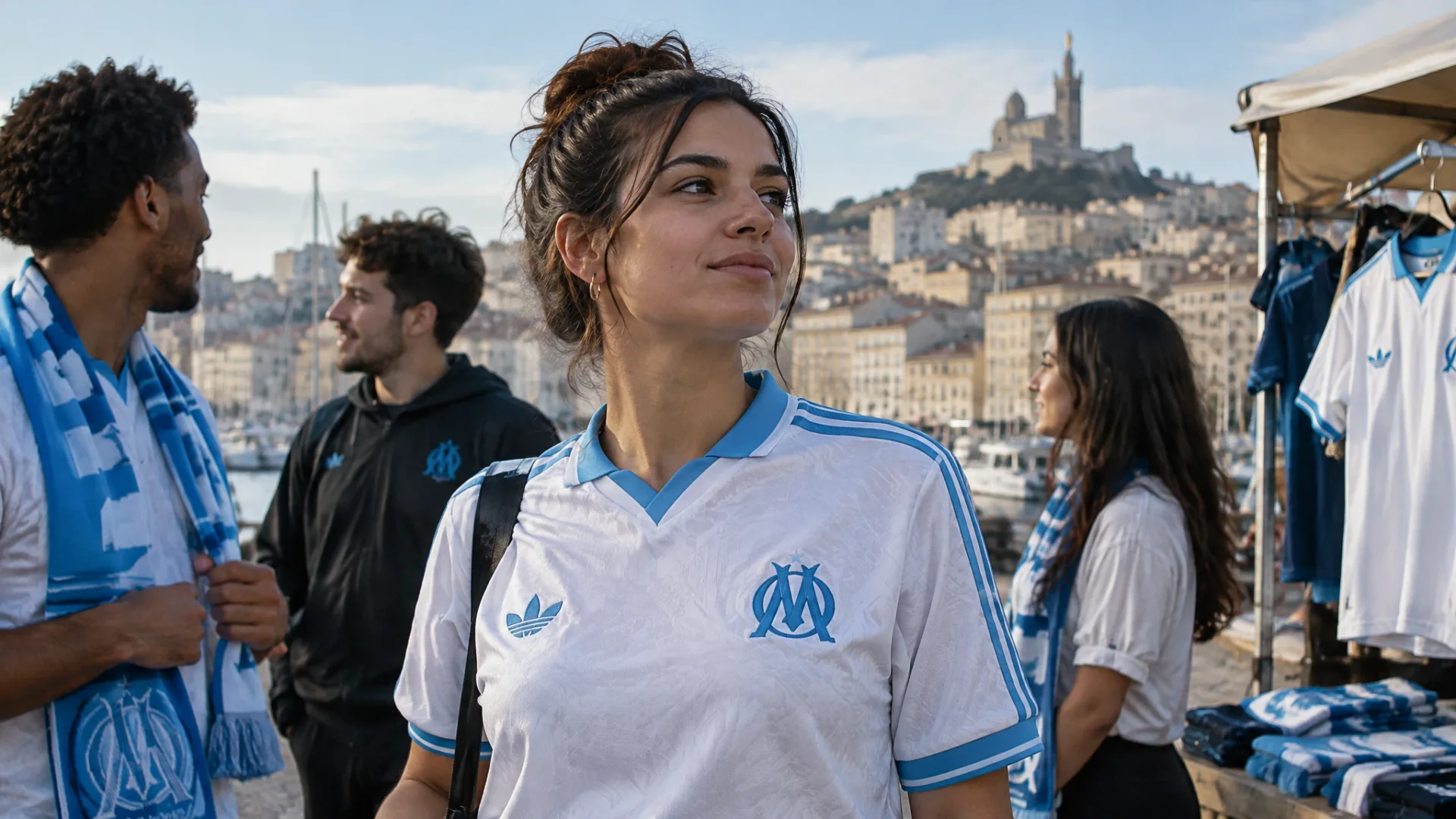 Opinion
OM and Adidas: why the comeback is a shirt, terrace and market reset
Why does Adidas’s return to Olympique de Marseille matter beyond the badge? Because it reconnects the club’s visual memory, terrace culture and shirt economy in one move.
Basil ArtemoffTerraces, Marseille & style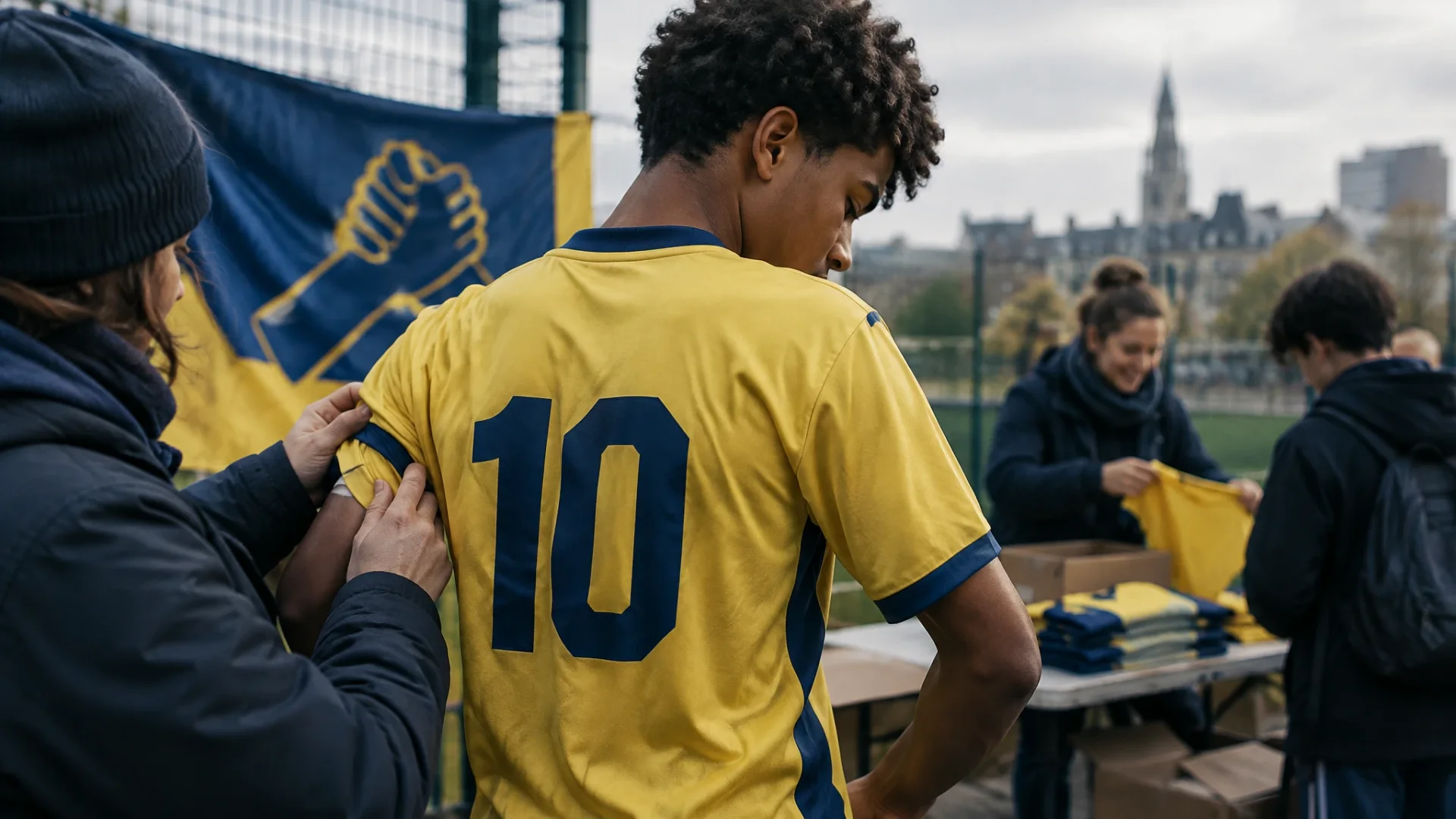 Opinion
Union Saint-Gilloise, Kappa and the civic shirt: who gets to define it?
From Brussels to Marseille, the football shirt is no longer just a colour swatch for sale: it can organise solidarity. But when a garment turns civic, who really defines its meaning — the club, the brand, or the stand?
Basil ArtemoffTerraces, Marseille & style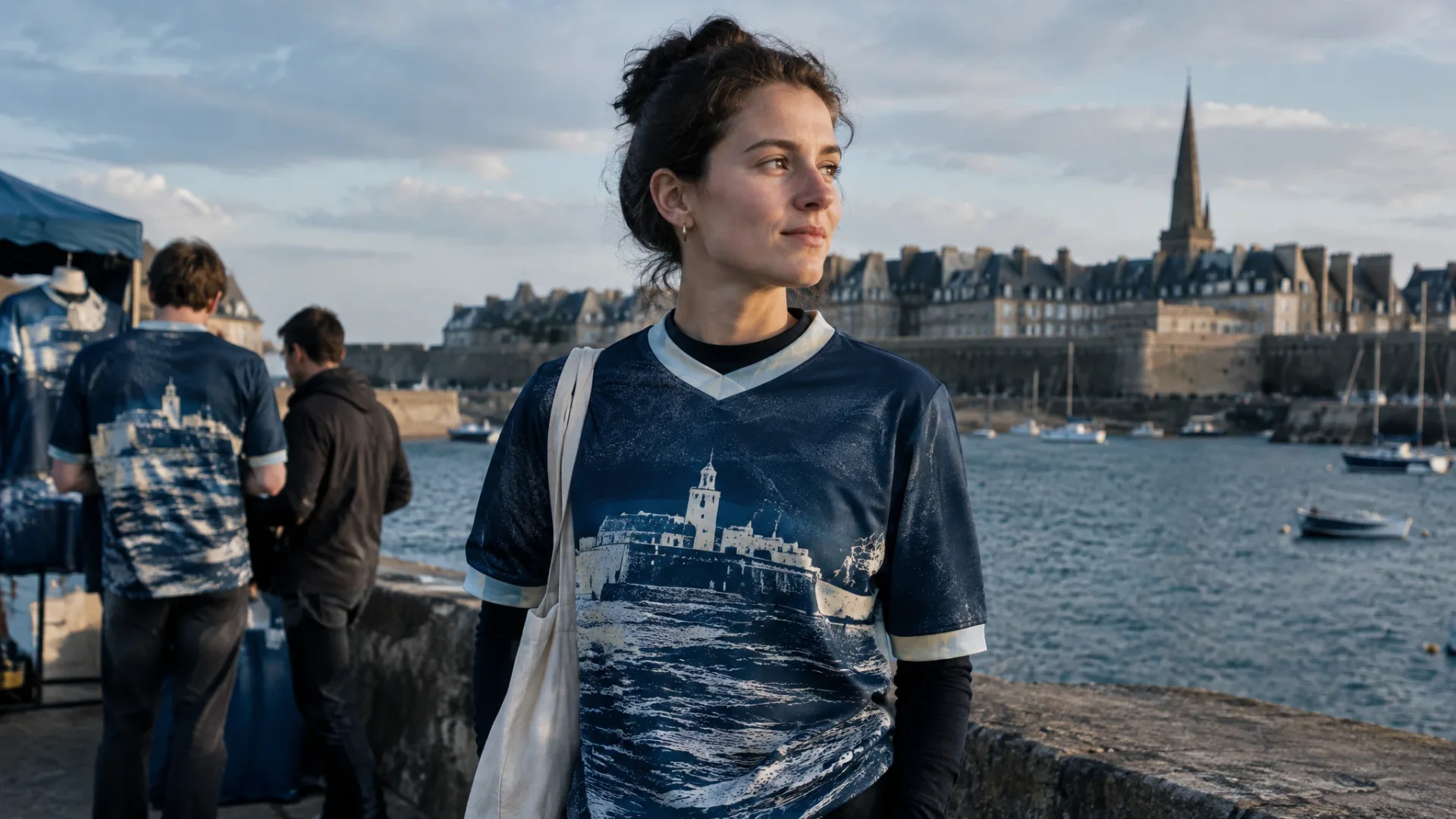 Opinion
When a football shirt sells a city, a cause or a scene
Recent club and brand releases show a clear shift: football apparel is no longer sold only as product, but as belonging. Is that good for supporter culture, or just a smarter way to sell the same thing?
Basil ArtemoffTerraces, Marseille & style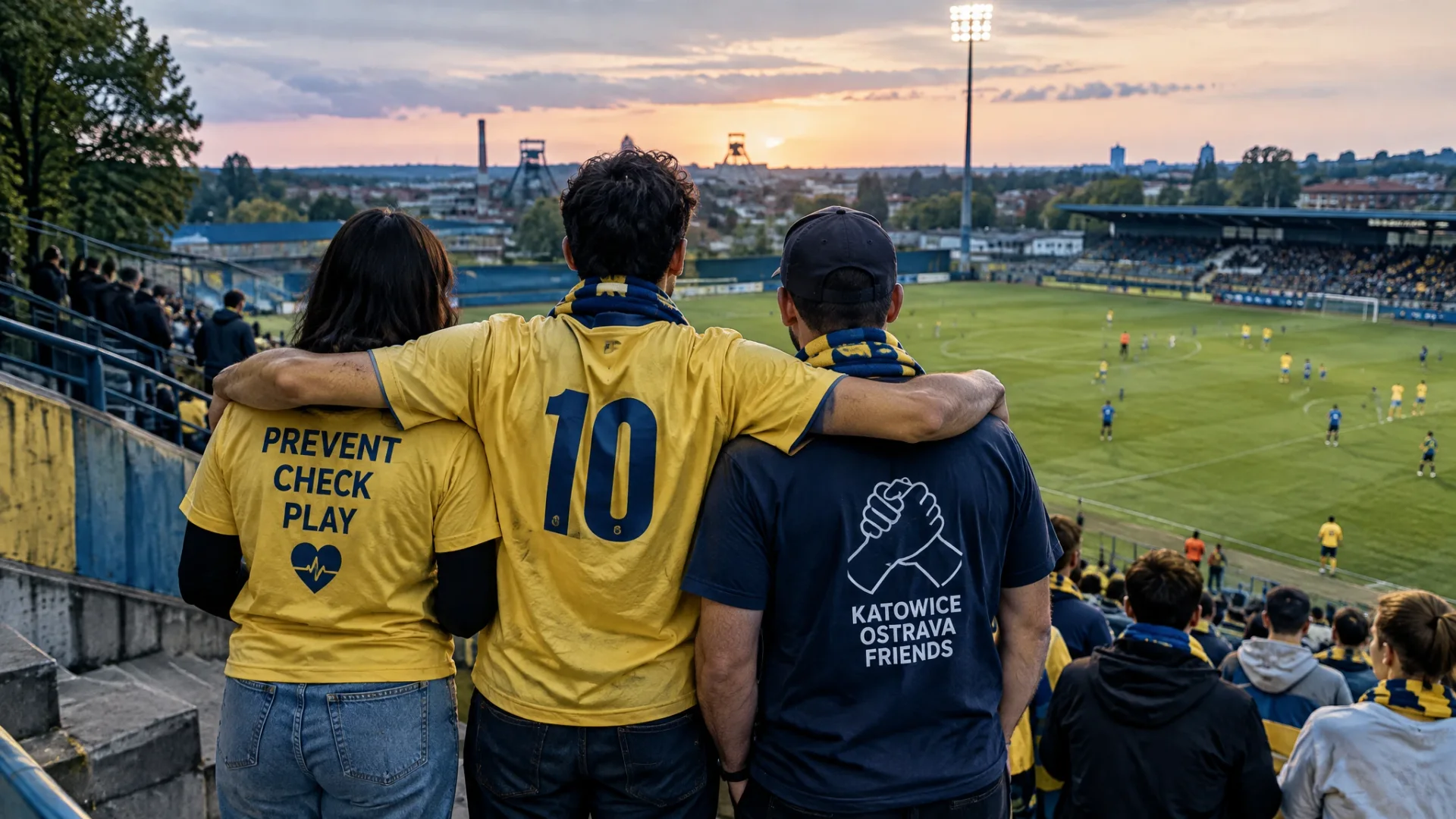 Opinion
When the shirt serves the stand: Union Saint-Gilloise, Katowice–Ostrava, PSG
When a shirt becomes a public-health tool, a symbol of supporter friendship or the visible frame for a campaign, the real question is simple: does it serve the club, the brand or the terrace first?
Basil ArtemoffTerraces, Marseille & style