
OM and Adidas: why the comeback is a shirt, terrace and market reset
Why does Adidas’s return to Olympique de Marseille matter beyond the badge? Because it reconnects the club’s visual memory, terrace culture and shirt economy in one move.
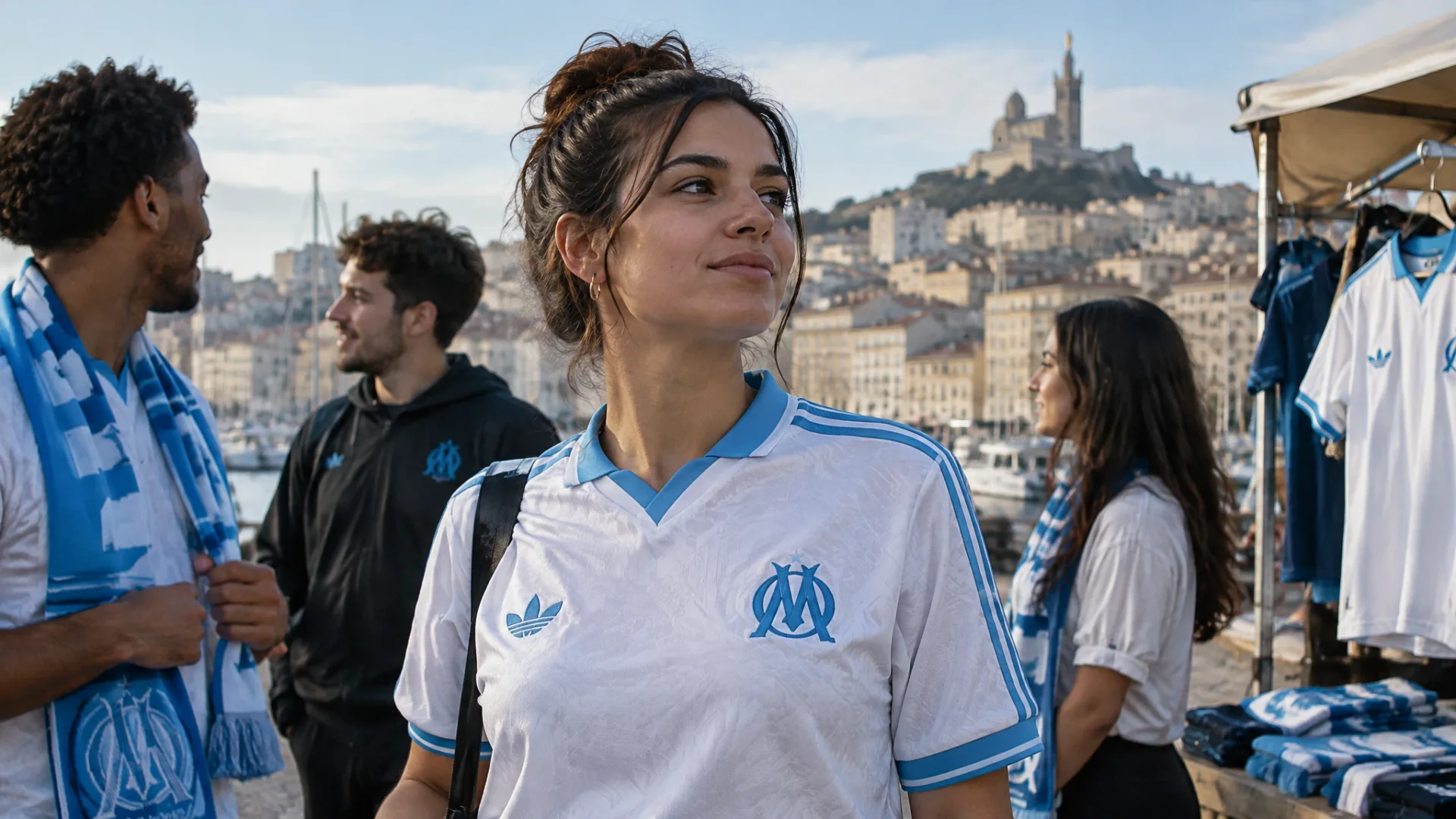
A comeback that speaks to image and income
Adidas’s return to Olympique de Marseille is not just a supplier change. It is a change in language. OM is not merely reopening a contract; it is reopening an archive. In this case, the shirt is not decoration. It is a rallying sign, a memory object, and a product that moves between the street, the stands and the club shop. That is why this deal matters more than most sponsorship announcements.
The locally reported figures show the scale of the shift: the future Adidas deal is being framed at around €32m to €35m per season, a clear step up from the Puma era, which was described as much lower. So yes, this is commercial. But it is also symbolic. The club is not only replacing a brand; it is reassigning value to its crest.
Sources : [3] Football Club de Marseille ↗[4] FootMarseille ↗
The shirt as culture, not just merchandise
In Marseille, a shirt is never neutral. It can be worn, collected, remixed and debated. Supporter culture does not stop at the stadium; it carries on in the street, online, and in the details people notice: a collar, a stripe, a cut. When a club like OM returns to Adidas, it is not just selling more desirable tees. It is reviving a visual grammar that is instantly legible, which is exactly why the streetwear angle matters.
There is a clear distinction to make here: commercial releases are one thing, independent criticism is another. The first aims for buzz and scarcity; the second asks whether a design says something real about the club, or simply monetises nostalgia. Adidas’s comeback will be judged on that basis. Not on marketing noise, but on whether the shirt still feels like Marseille rather than a generic fashion drop.
Terrace, market, identity: one and the same tension
Marseille supportership has always worked like an ecosystem. What appears on a player’s chest quickly appears in the stands, then in the commercial orbit around the club. That triangle is why this return matters so much: the shirt becomes a bridge between emotion and revenue. If the design is right, it can feed passion without diluting it. If it is lazy, it turns heritage into catalogue copy.
The market side matters too. Footpack’s 2026-27 study says Adidas is already the most worn brand in Ligue 1, with 47.4% of the 445 players it tracked, ahead of Nike and PUMA. In other words, OM is not choosing an outlier. It is plugging into a dominant current. That may make sense commercially. But for Marseille, the real test is not whether the club matches the trend. It is whether it turns that trend into something unmistakably its own.
Sources : [2] Footpack ↗
What supporters will actually judge
So the central question is not Adidas or Puma. It is: what does this return say about the club? If the deal is only about boosting income and multiplying product lines, OM will miss the chance to turn a partnership into identity. If, however, it puts the shirt back at the centre of an exacting supporter culture, then the club gains more than a sponsor. It regains a place in terrace imagination and in the wardrobes of young Marseille fans.
That is why this should be read as a reset, not a cosmetic switch. In Marseille, a good shirt is never just nice-looking. It should feel inevitable. And when a club manages to align economy, memory and style, it is not merely selling a season. It is consolidating a culture.
Read next
 Opinion
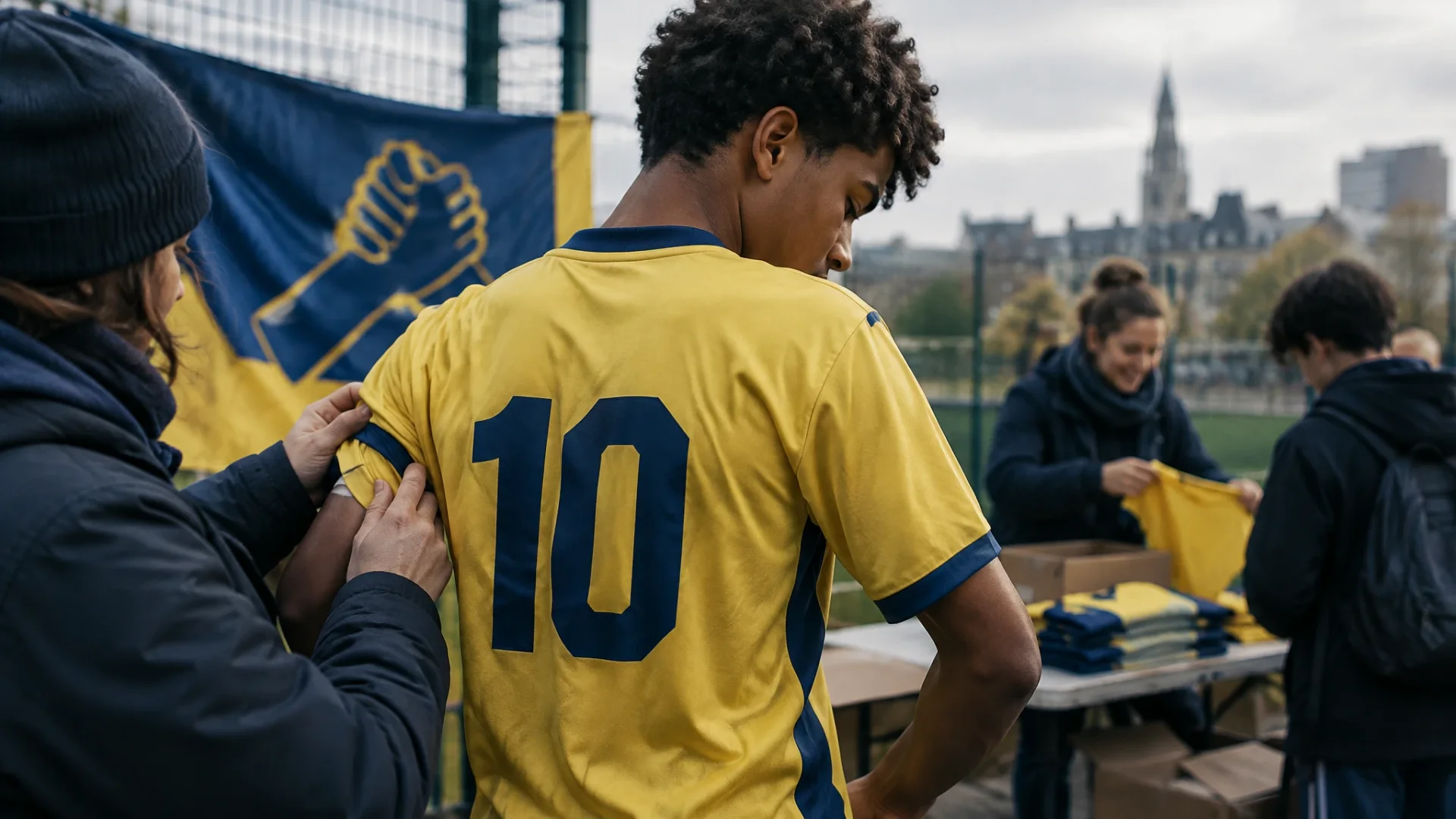
Union Saint-Gilloise, Kappa and the civic shirt: who gets to define it?
From Brussels to Marseille, the football shirt is no longer just a colour swatch for sale: it can organise solidarity. But when a garment turns civic, who really defines its meaning — the club, the brand, or the stand?
 Basil ArtemoffTerraces, Marseille & style
 Opinion
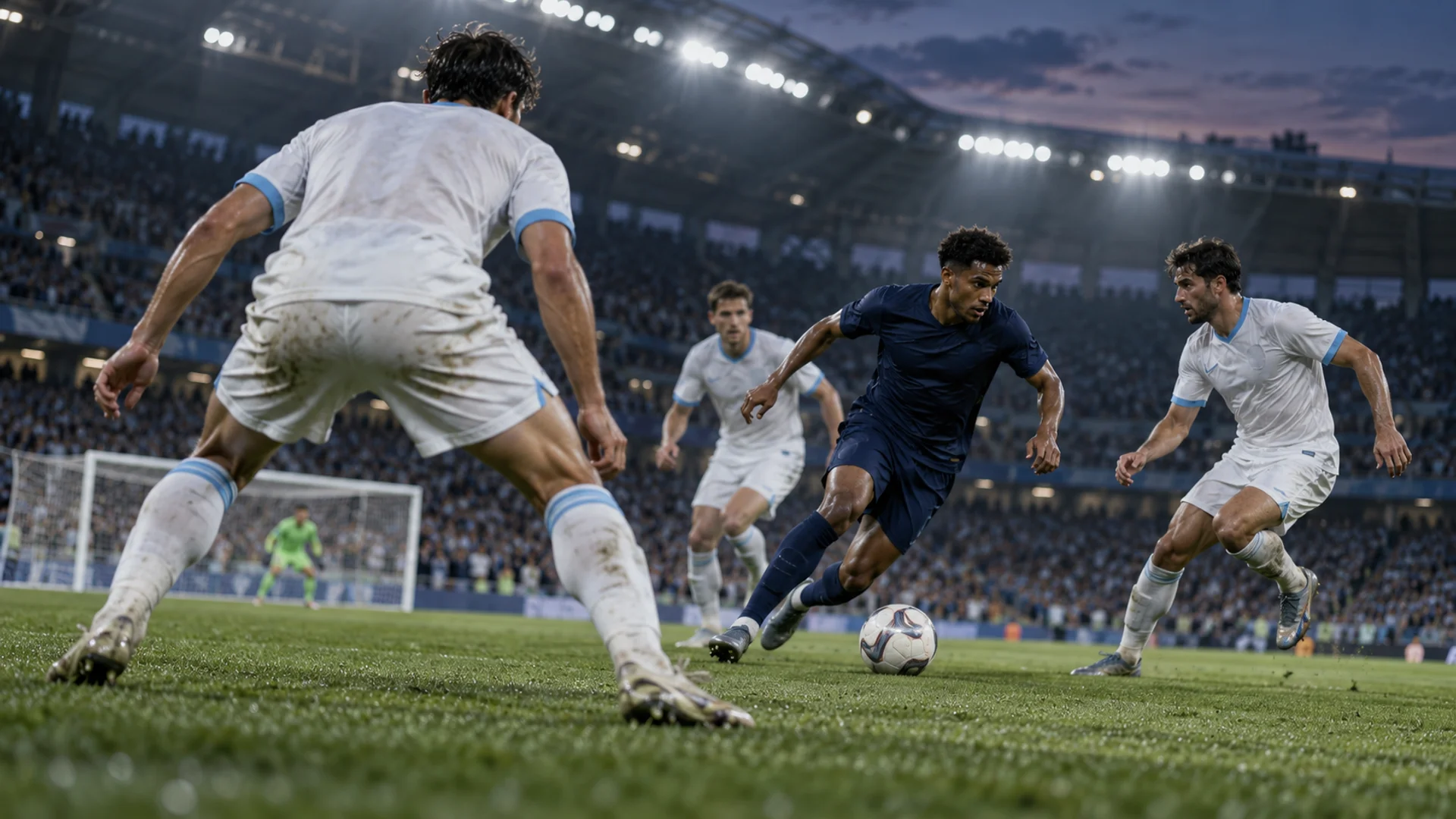
Marseille finally has a shape. The problem is what happens after 60 minutes
Against Le Havre, OM looked structurally clearer for an hour before unraveling. The issue is no longer finding a starting shape, but keeping it alive.
Basil ArtemoffTerraces, Marseille & style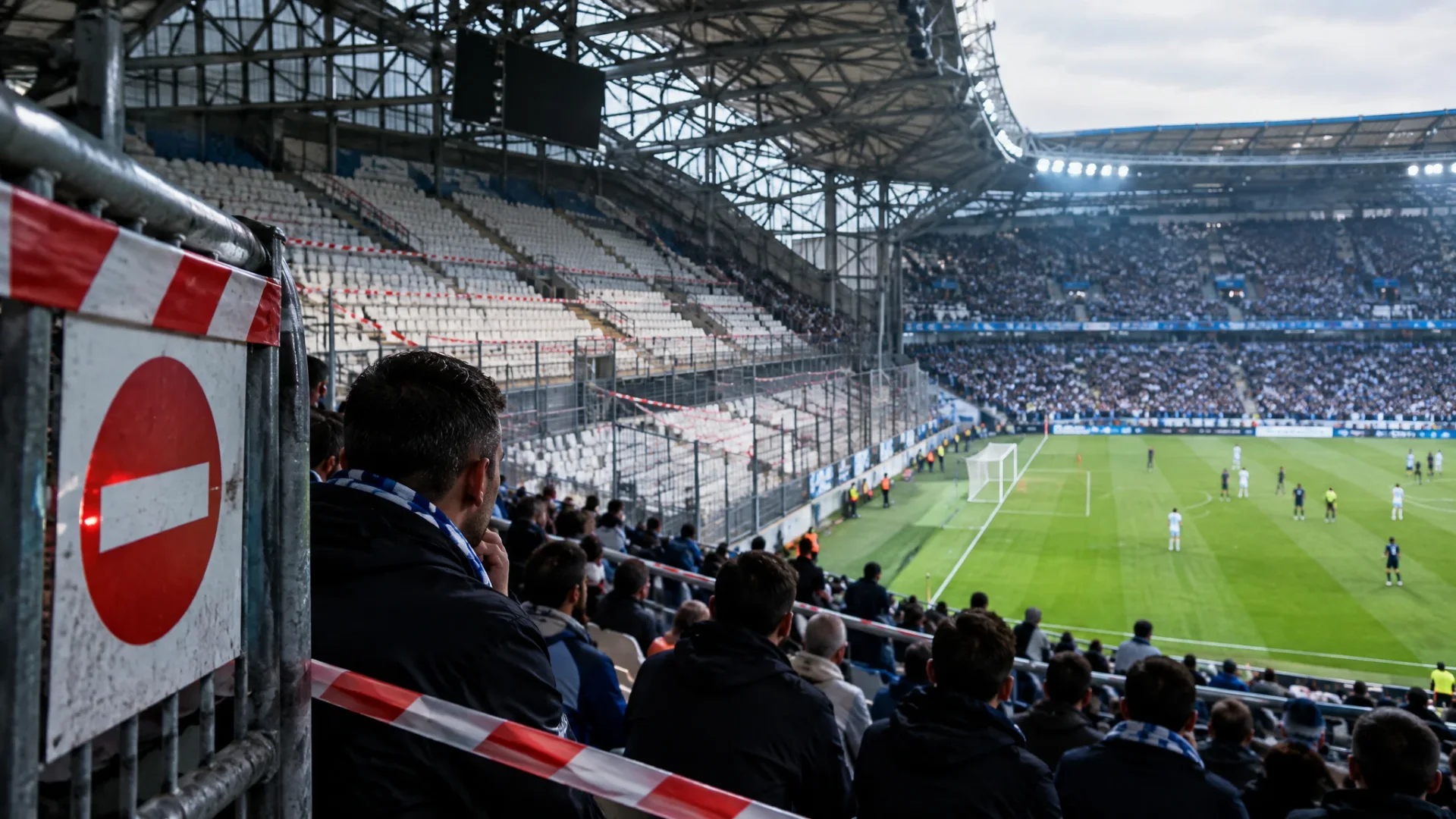 Opinion
Marseille and the Vélodrome: when the Nord stand becomes a tactical handicap
What is a team worth when it is finally playing better just as its stadium loses part of its voice? Marseille’s sanction is a reminder that a club cannot cleanly separate performance from stand-side disorder.
 Étienne MorelThe football, the clubs, the decisions
 Opinion
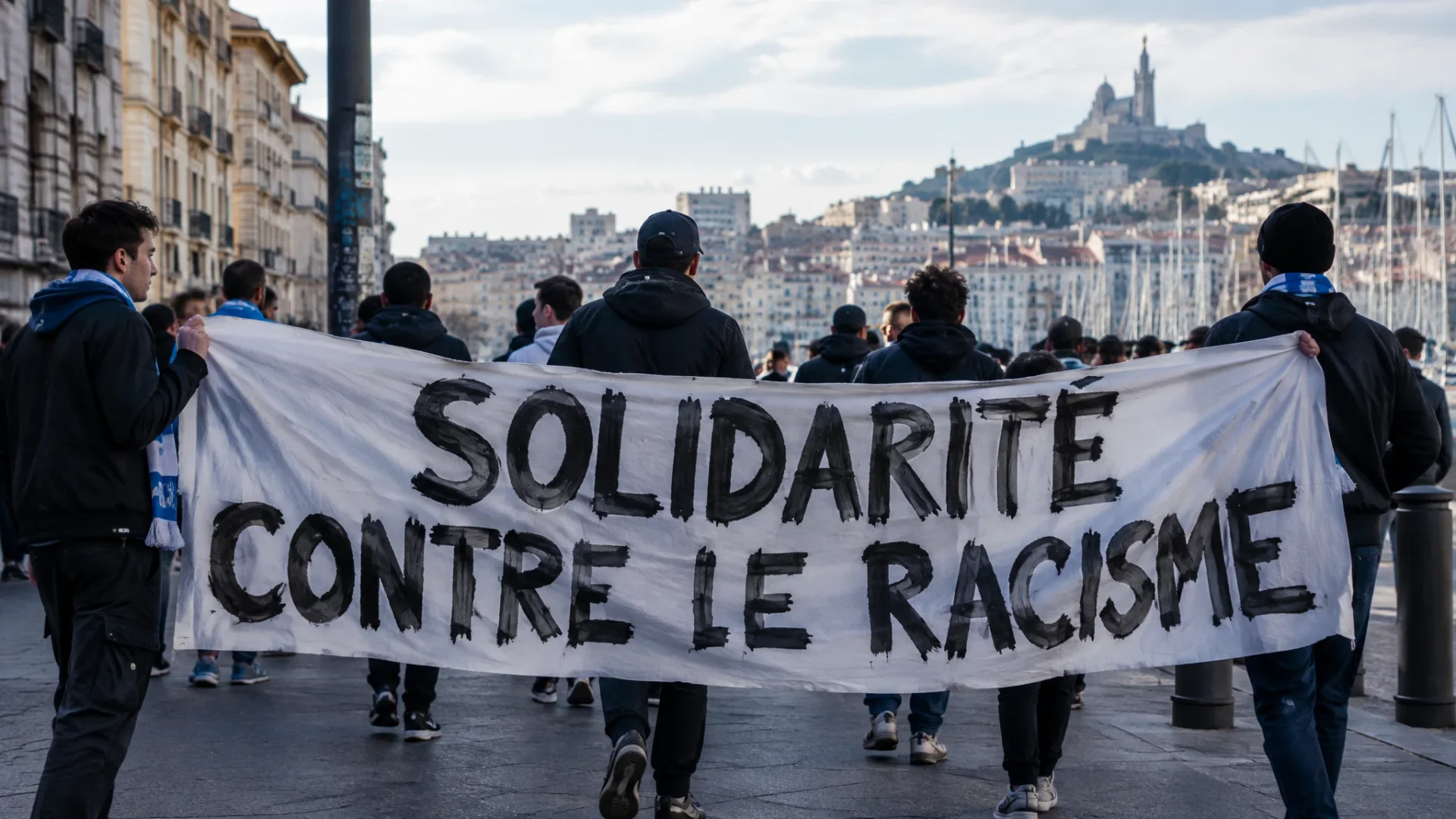
OM, the MTP and the banner as a civic act in Marseille
After Trappes, the MTP did more than protest: it moved the terrace into the city and turned a banner into a public anti-racism statement.
Basil ArtemoffTerraces, Marseille & style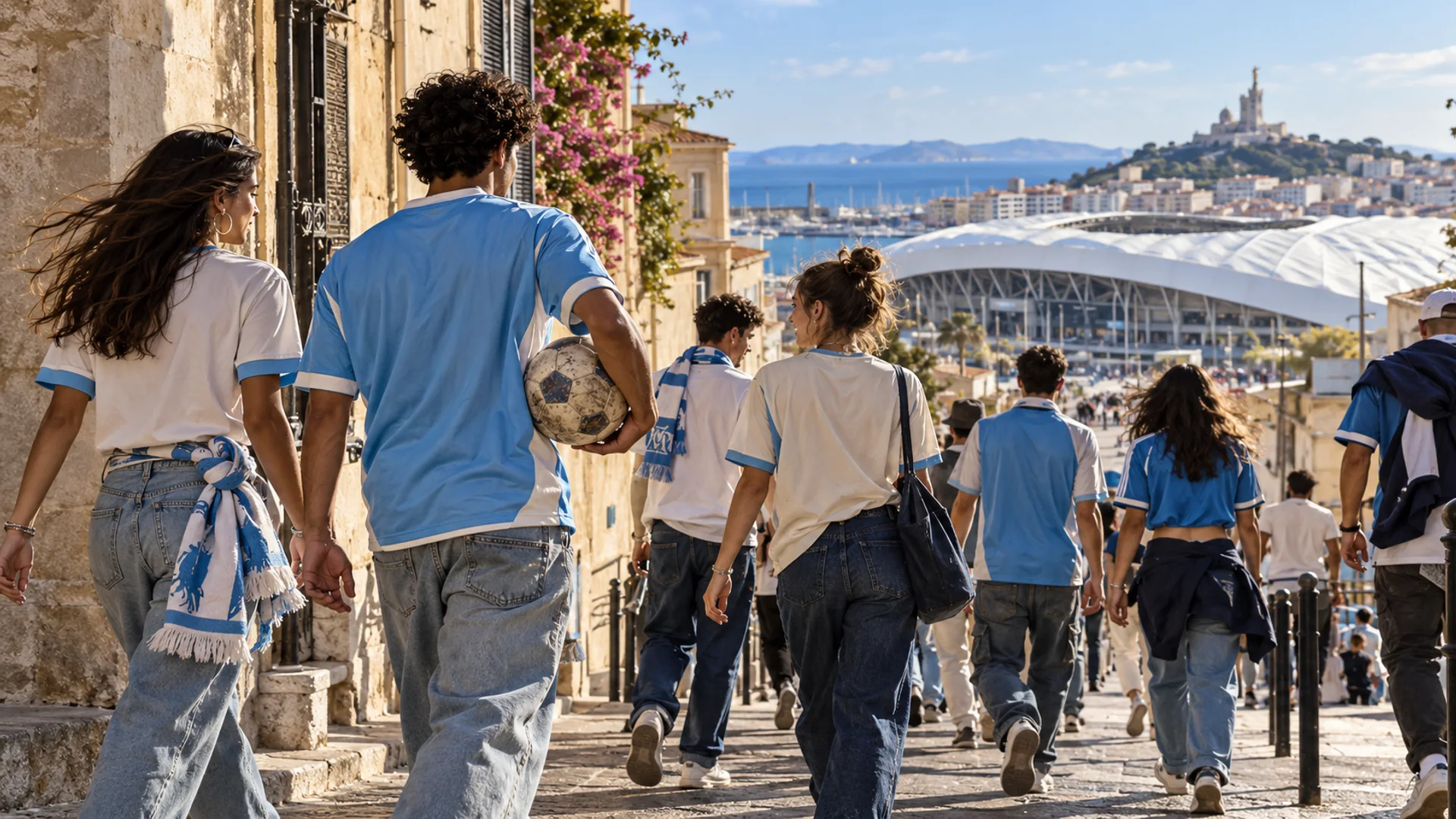 Opinion
At the Vélodrome, OM’s supporters are still the club’s most stable asset
When the club wobbles, the stand holds. And as shirts turn into cultural objects, Marseille is a reminder that a demanding crowd is worth more than any launch campaign.
Basil ArtemoffTerraces, Marseille & style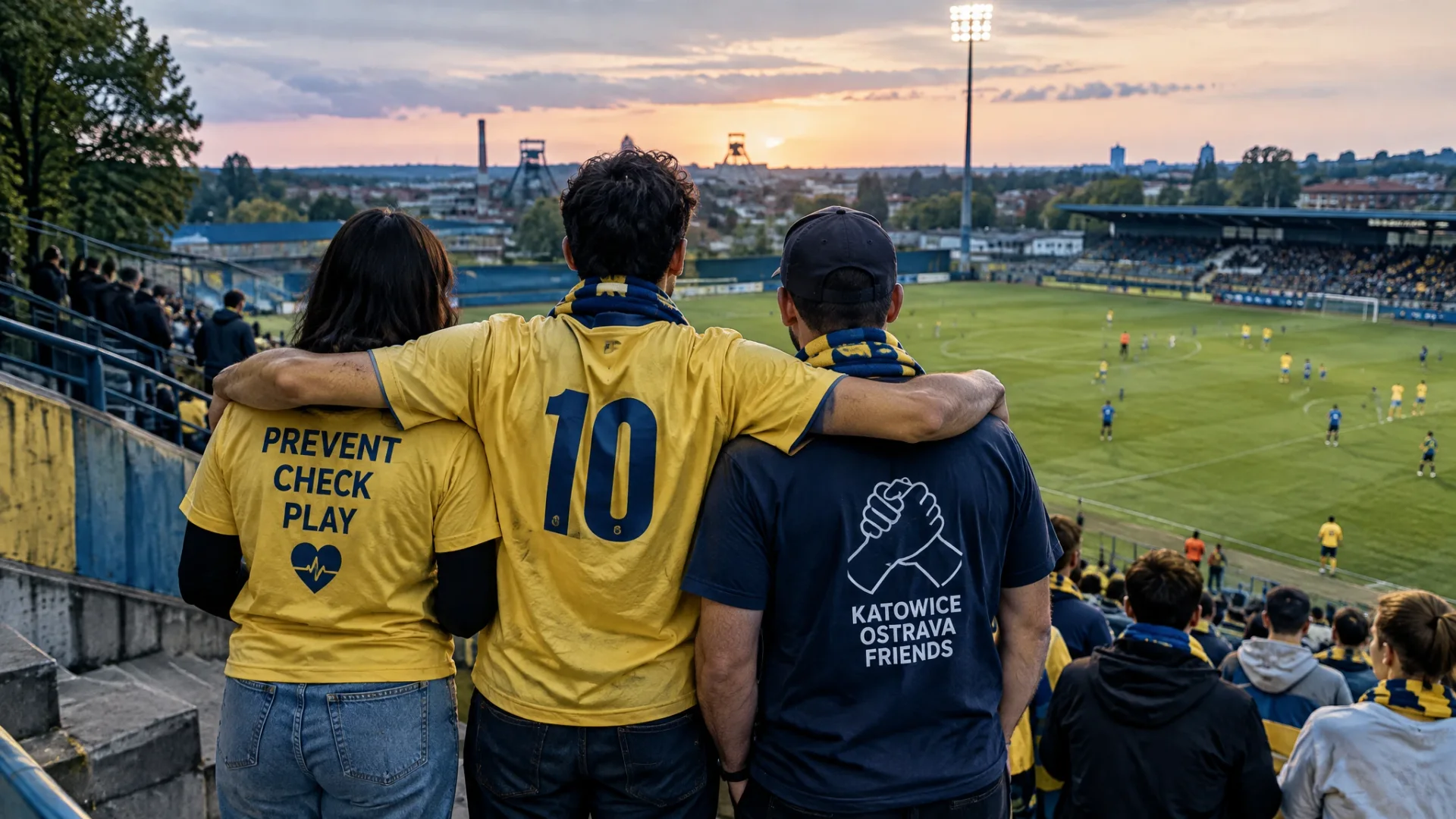 Opinion
When the shirt serves the stand: Union Saint-Gilloise, Katowice–Ostrava, PSG
When a shirt becomes a public-health tool, a symbol of supporter friendship or the visible frame for a campaign, the real question is simple: does it serve the club, the brand or the terrace first?
Basil ArtemoffTerraces, Marseille & style