
Union Saint-Gilloise, Kappa and the civic shirt: who gets to define it?
From Brussels to Marseille, the football shirt is no longer just a colour swatch for sale: it can organise solidarity. But when a garment turns civic, who really defines its meaning — the club, the brand, or the stand?
The shirt is no longer just a product
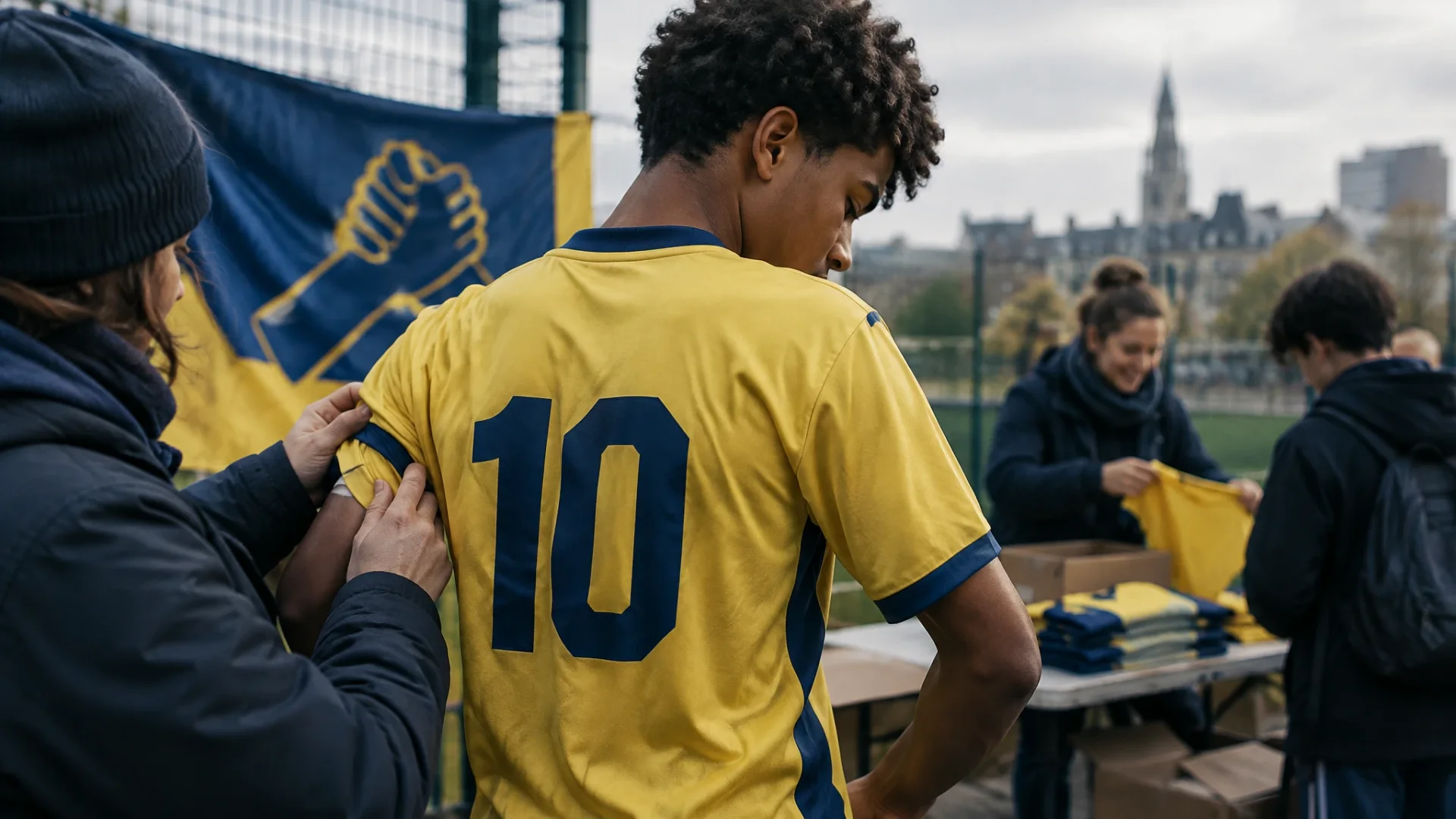
Football used to treat the shirt as a commercial skin: one season, one graphic, one campaign, then on to the next model. That logic is still there, but it is no longer enough to explain what the shirt means now. It has become a language tool. It says who is speaking, for whom, and in the name of which community. In that struggle, the club wants to keep control, the brand wants to sign the object, and supporters want to stop meaning being taken away from them.
From Marseille, the point is easy to understand: a shirt is never neutral. It is watched, judged, repurposed, sometimes even rescued by the stand. That is exactly why the current shift matters. When a club or manufacturer presents a shirt as a simple launch, it forgets that supporters read symbol first. The garment moves through the street, the terraces and social media; it escapes the official script.
In Brussels, the shirt is made useful
Union Saint-Gilloise has pushed that idea further with a shirt tied to a first-aid awareness campaign. Access to the special edition depends on learning life-saving gestures, and the club also presents the shirt as a way to identify trained helpers quickly in the stands. The players are said to wear it too, which folds it into the matchday image rather than leaving it as a side project. Here, the shirt does more than represent the club: it organises a form of collective responsibility.
That shift matters because it moves the debate away from marketing and toward social function. You are no longer just buying a colour or a crest; you are validating a public message. Of course, the club still acts as the gatekeeper. But once a shirt claims civic usefulness, it leaves the comfortable lane of merchandise. It enters a space where credibility matters more than scarcity.
Sources : [2] Dégaine ↗
Kappa, nostalgia and independent criticism
Kappa’s return to the boot market with the Gyra shows the other side of the issue. Footpack describes a model shaped by vintage Italian cycling aesthetics, and the release is framed as Kappa trying to carve out space in a market dominated by Nike, adidas and PUMA. But the key point is not the launch language: it is the fact that the item is handled as a test, with an assessment of comfort, touch and manoeuvrability. In other words, independent criticism takes back the floor where the brand would naturally prefer to control the story. [1]
That distinction matters for shirts too. The manufacturer likes to tell the object as a design success. The club likes to tell it as an identity project. Supporters want something else: does this garment respect the culture it claims to serve? Does it mean something beyond commerce? When the answer is yes, the shirt can become a visual common good. When it is no, it remains just another commodity, even if it is nicely lit and beautifully photographed.
Sources : [1] Footpack ↗
The stand is the real referee
So the battle is not between tradition and modernity; it is between imposed use and lived use. A shirt can be civic, yes — but only if its meaning does not stay trapped inside the marketing department. The club can open the door, the brand can provide the material, but the stand decides through acceptance, refusal or reinterpretation. That is where Marseille and Brussels meet: in the idea that a textile object only truly exists when it is claimed by the people who wear it.
What should matter to us is not the spectacle of the launch, but football’s ability to produce objects that serve something other than consumption. A good shirt is not only beautiful. It is legible, useful and debatable. And if football still wants to speak to a popular audience, it should remember this: the meaning of a shirt is not decreed. It is earned.
Read next
 Opinion
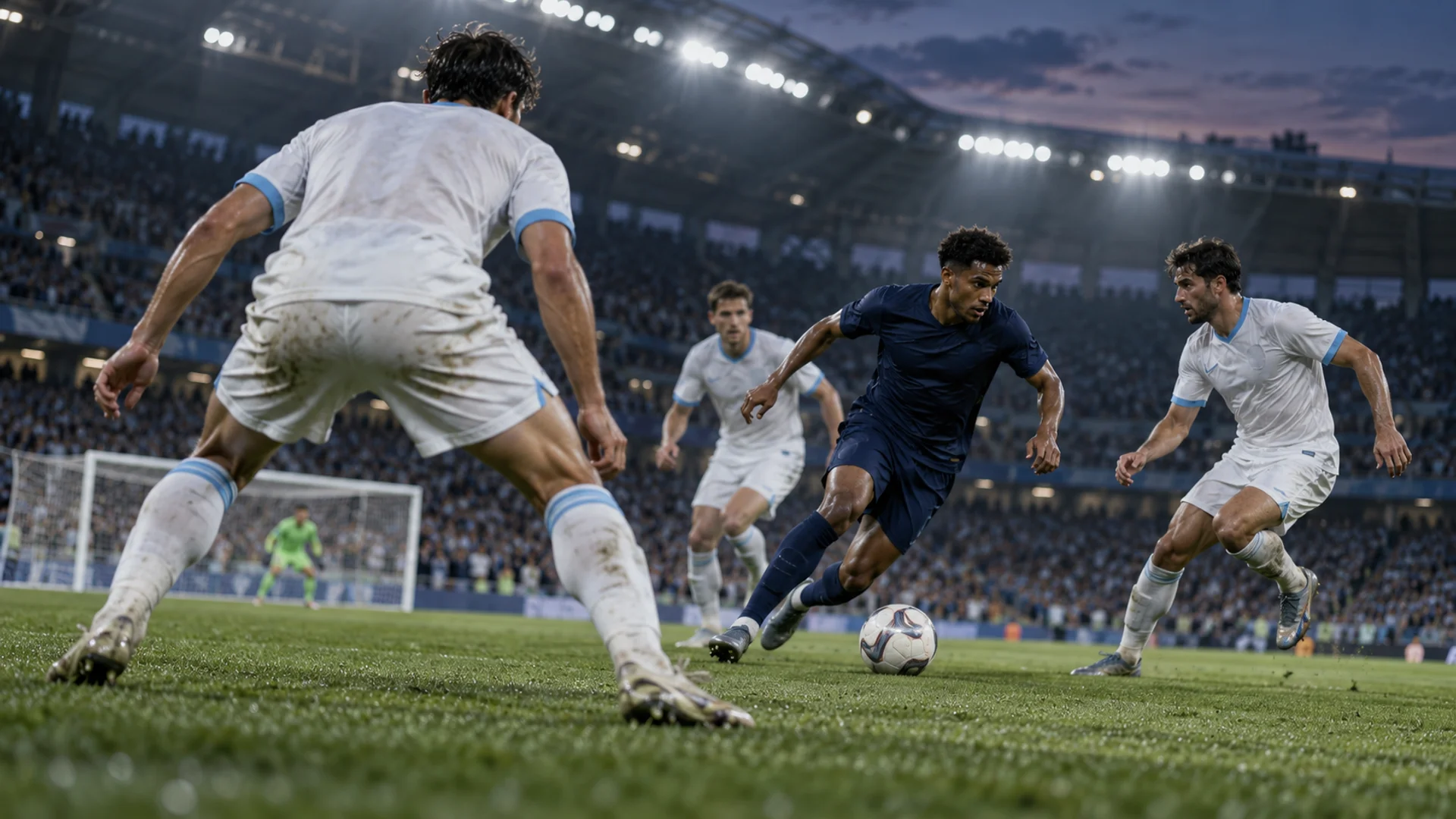
Marseille finally has a shape. The problem is what happens after 60 minutes
Against Le Havre, OM looked structurally clearer for an hour before unraveling. The issue is no longer finding a starting shape, but keeping it alive.
 Basil ArtemoffTerraces, Marseille & style
 Opinion
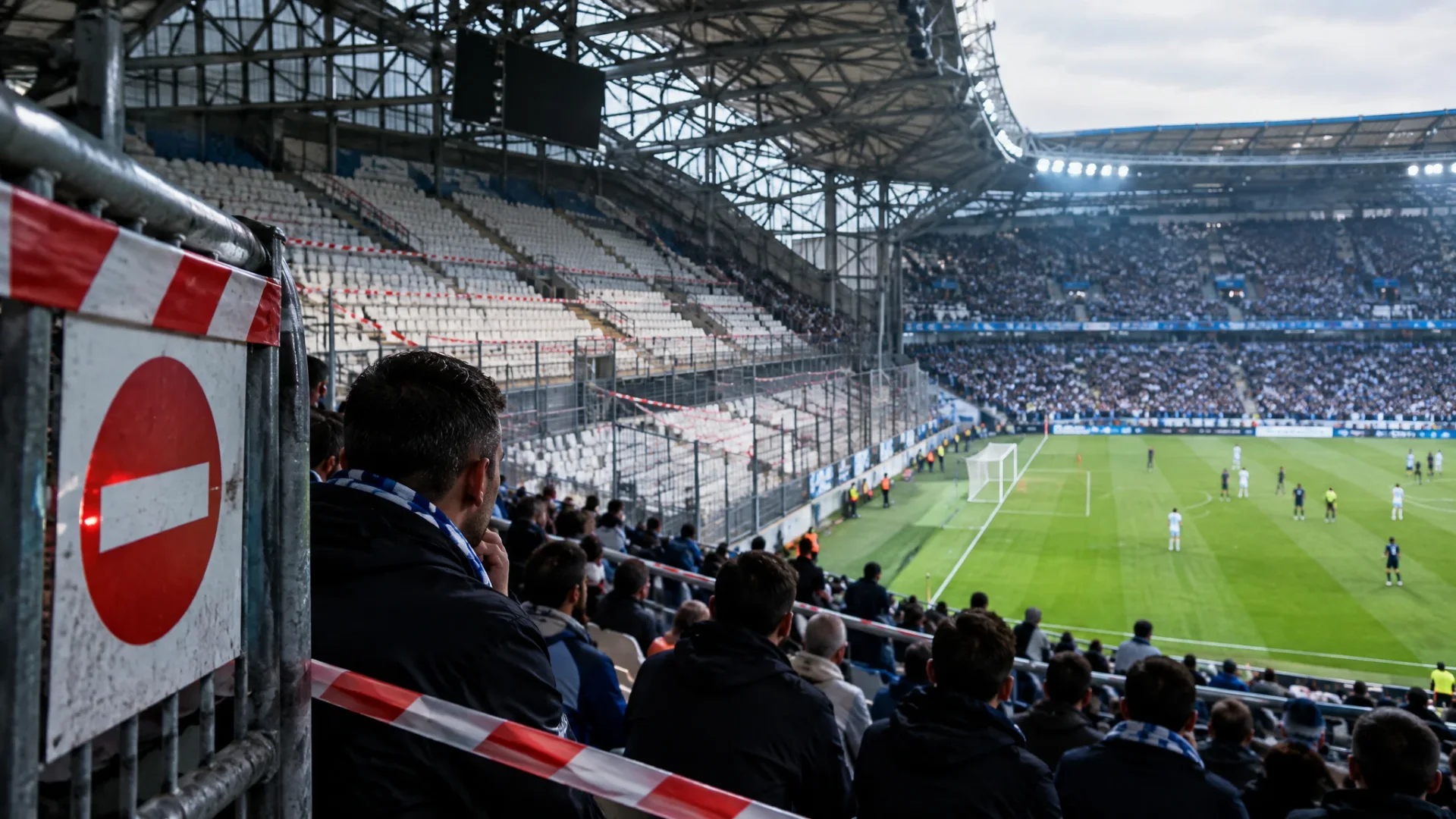
Marseille and the Vélodrome: when the Nord stand becomes a tactical handicap
What is a team worth when it is finally playing better just as its stadium loses part of its voice? Marseille’s sanction is a reminder that a club cannot cleanly separate performance from stand-side disorder.
 Étienne MorelThe football, the clubs, the decisions
 Opinion
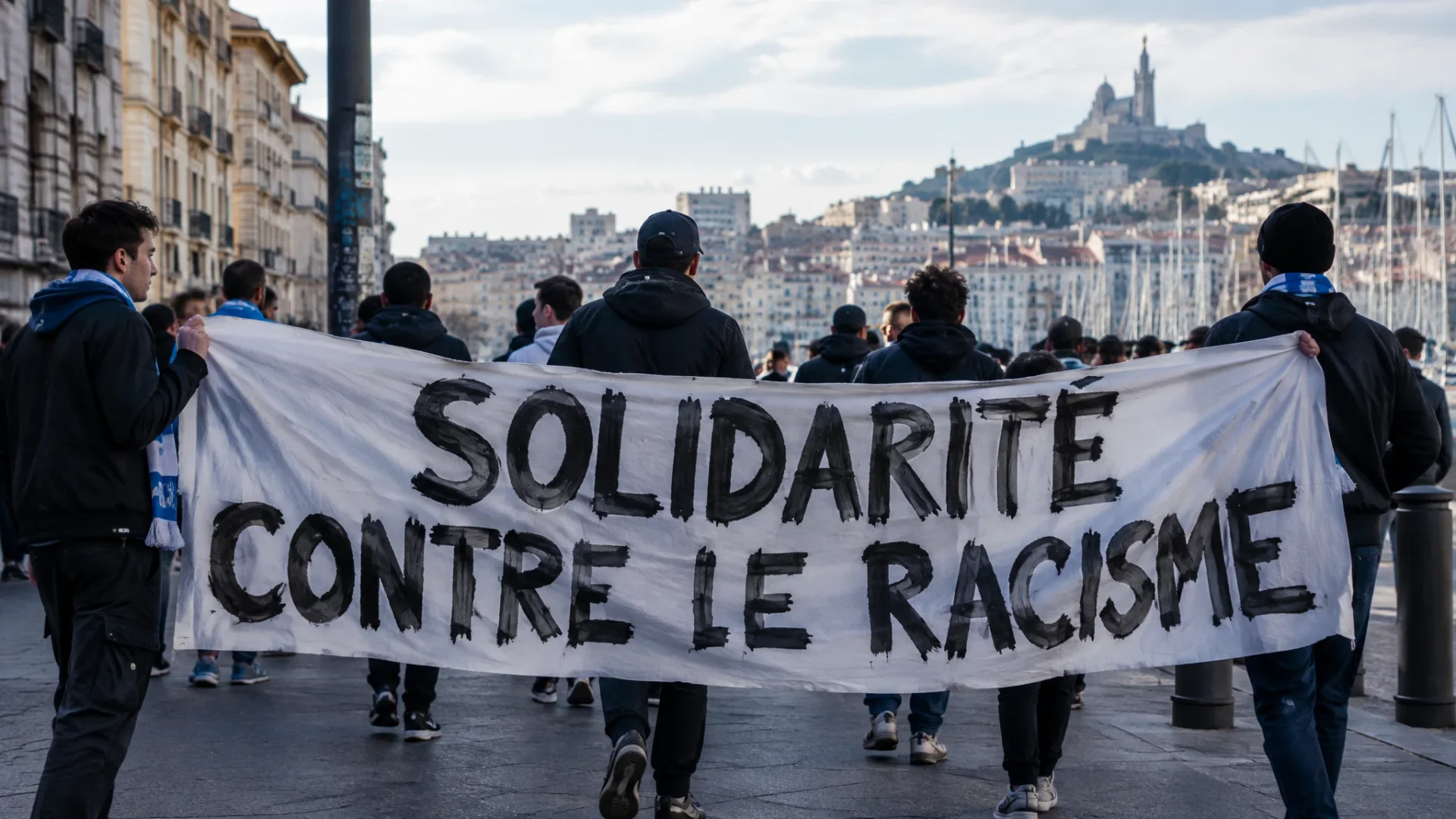
OM, the MTP and the banner as a civic act in Marseille
After Trappes, the MTP did more than protest: it moved the terrace into the city and turned a banner into a public anti-racism statement.
Basil ArtemoffTerraces, Marseille & style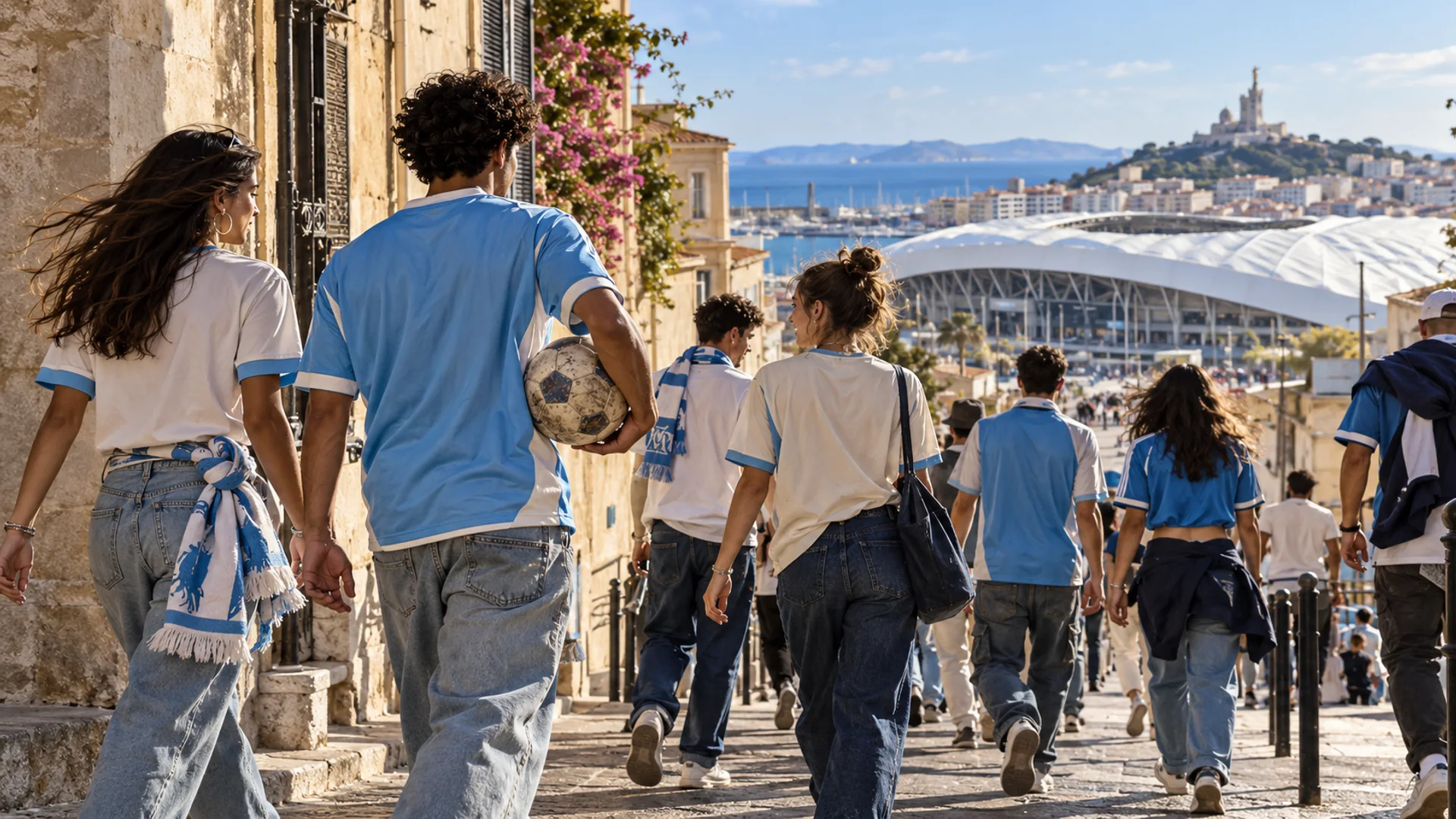 Opinion
At the Vélodrome, OM’s supporters are still the club’s most stable asset
When the club wobbles, the stand holds. And as shirts turn into cultural objects, Marseille is a reminder that a demanding crowd is worth more than any launch campaign.
Basil ArtemoffTerraces, Marseille & style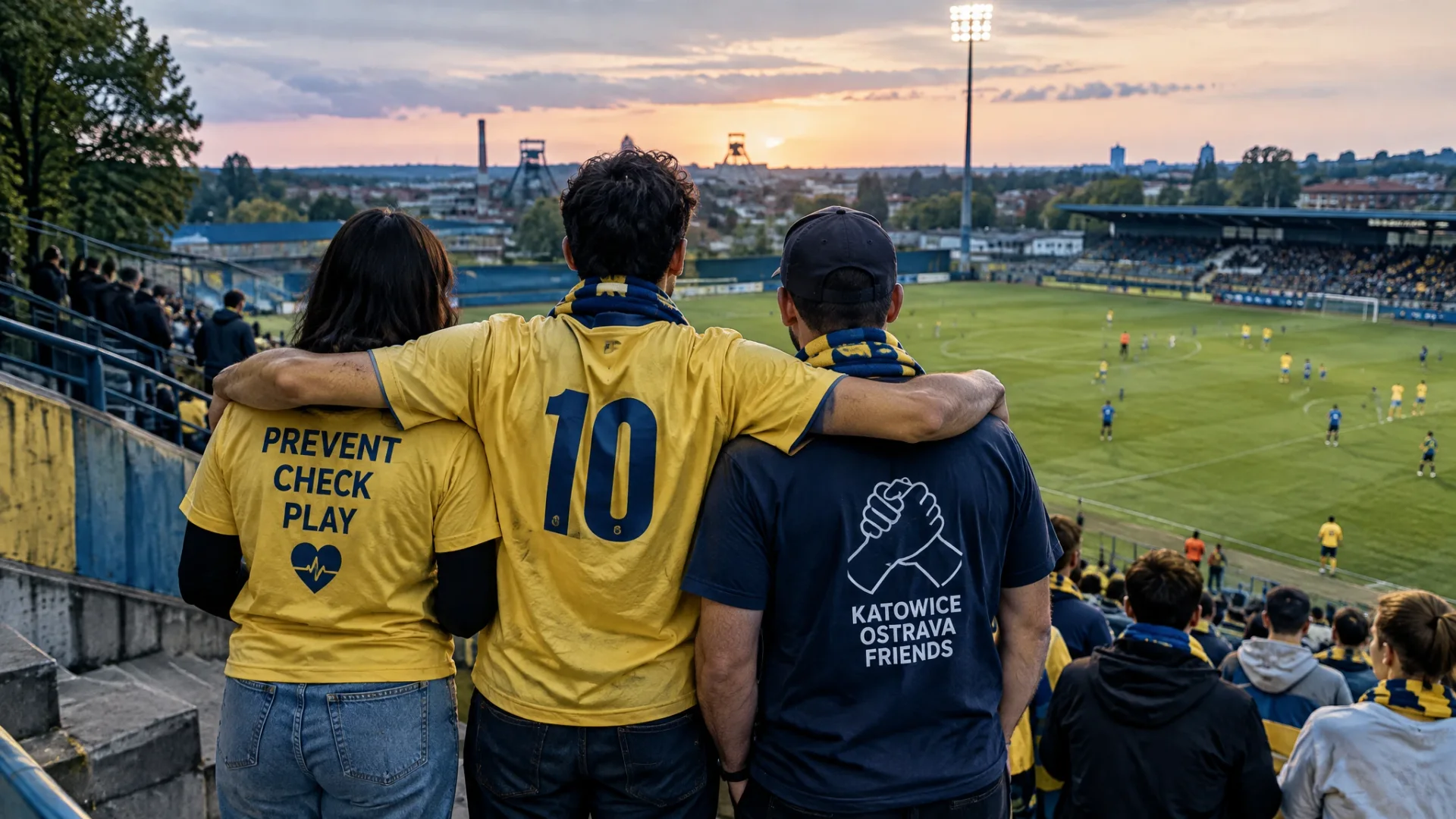 Opinion
When the shirt serves the stand: Union Saint-Gilloise, Katowice–Ostrava, PSG
When a shirt becomes a public-health tool, a symbol of supporter friendship or the visible frame for a campaign, the real question is simple: does it serve the club, the brand or the terrace first?
Basil ArtemoffTerraces, Marseille & style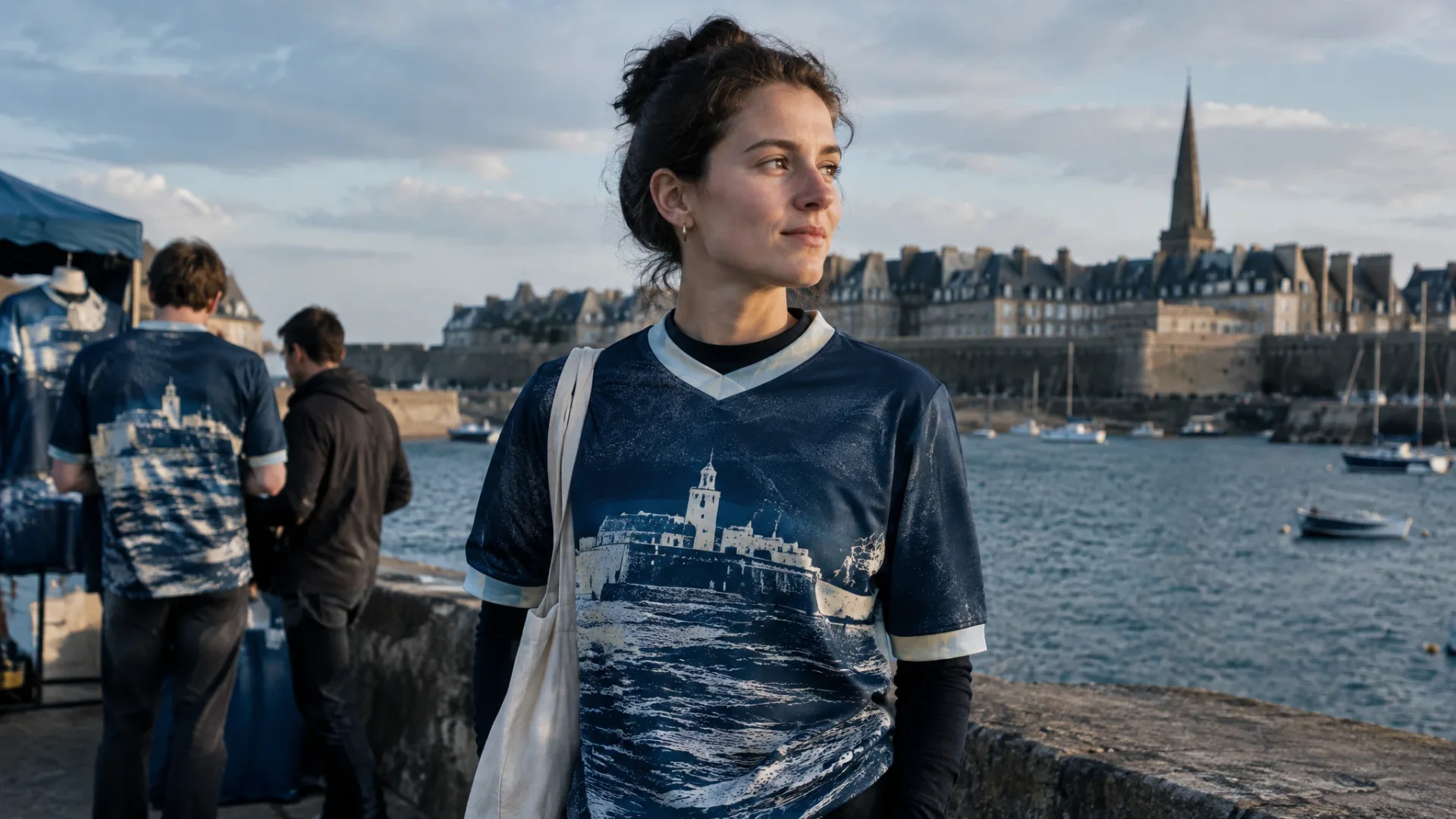 Opinion
When a football shirt sells a city, a cause or a scene
Recent club and brand releases show a clear shift: football apparel is no longer sold only as product, but as belonging. Is that good for supporter culture, or just a smarter way to sell the same thing?
Basil ArtemoffTerraces, Marseille & style