
Espanyol’s shirt vote and the football-fashion economy of scarcity
Espanyol’s fan vote looks democratic. The bigger trend is still controlled rarity: clubs invite participation, brands keep the most desirable objects tightly managed.
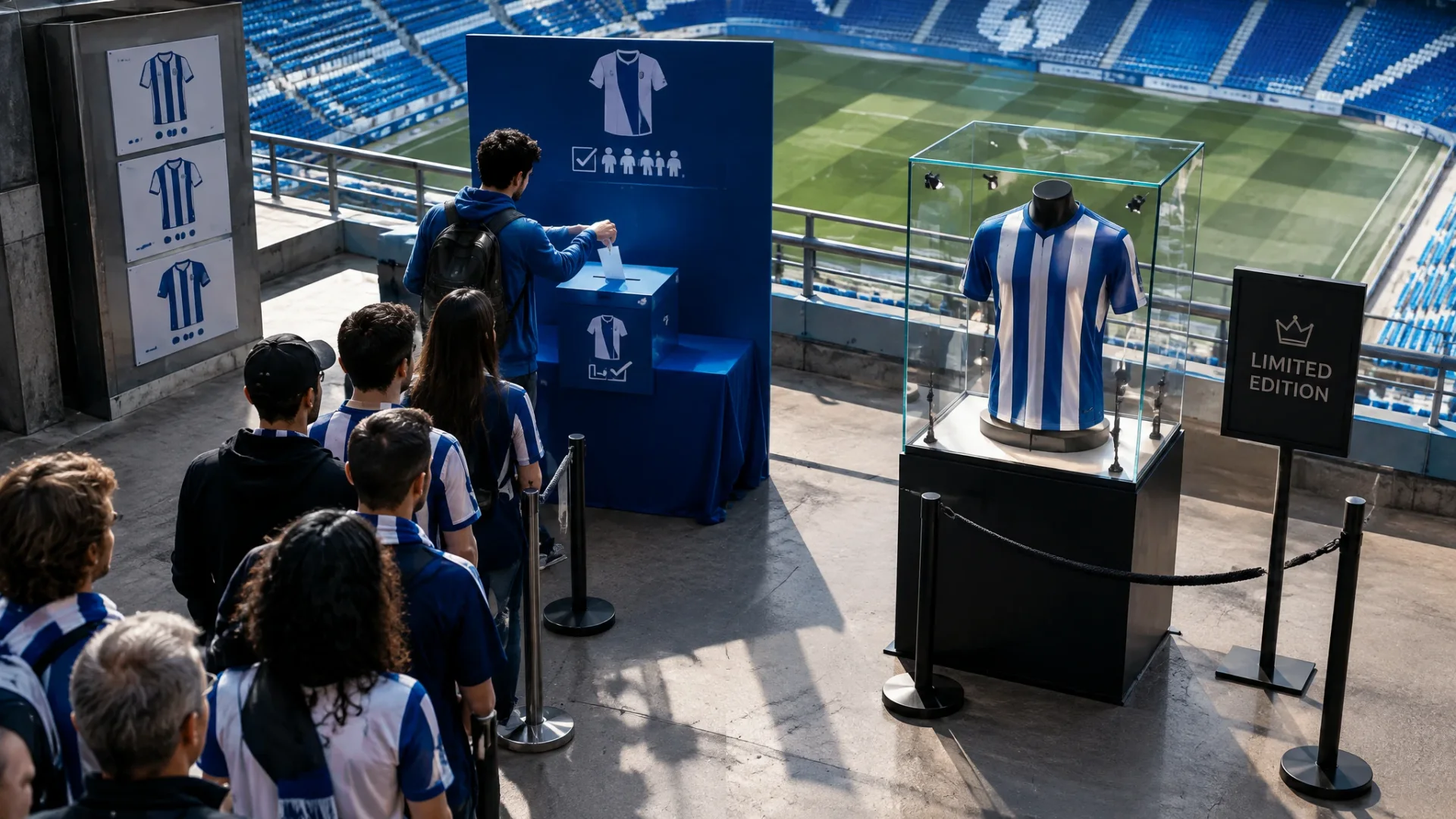
A vote that opens the door without handing over the keys
Espanyol has asked supporters to choose its next home shirt from three proposed designs, timed to the club’s 126th anniversary. On the surface, it is a generous gesture: the fan base gets a say in a garment that carries identity, memory and weekly visibility. It treats the shirt as a shared symbol rather than a sealed product. That is unusual enough to matter. But it should not be confused with a transfer of power. [1]
The club still sets the options, defines the frame and controls the final decision. Supporters are consulted, but they do not author the project from scratch. They are invited into the editing room, not the workshop. In modern football culture, that distinction is crucial. Participation can feel meaningful without being fully democratic, and clubs know how to make that feeling look substantial.
Sources : [1] Dégaine ↗
Scarcity is still the market’s favourite design
The equipment market shows where the real momentum lies. PUMA has launched the Future 10 as a worldwide limited edition of 500 pairs, while Skechers issued a special SKX_2 for Harry Kane in just 73 examples. In both cases, the boot is framed less as a mass-use tool than as a controlled object of desire: a launch signal in one case, a celebratory collector piece in the other. Rarity is not incidental; it is the product. [2][3]
That is why football fashion remains a game of managed access. A club can ask fans to vote on a shirt design, but the brands still decide what stays scarce, what gets numbered and what becomes a talking point precisely because most people will never own it. The fan gets symbolic participation; the market keeps the rarest object. In cultural terms, that is the real hierarchy.
Sources : [2] Footpack ↗[3] Footpack ↗
Why supporters should care
This is not an argument against fan input. Quite the opposite: any club willing to treat supporters as more than passive consumers deserves credit. The problem is that design participation often arrives with a polished boundary around it. It offers recognition, not authorship; access, not autonomy. That may still be better than silence, but it is not the same as collective control. []
Espanyol’s vote is worth watching because it shows the current shape of football culture: clubs are ready to borrow the language of democracy, while equipment brands keep mastering the economics of desirability. Supporters are being invited closer to the table, but the most valuable objects are still rationed elsewhere. That is why this story matters beyond one shirt. It shows who gets to choose, and who gets to profit from the choice.
Read next
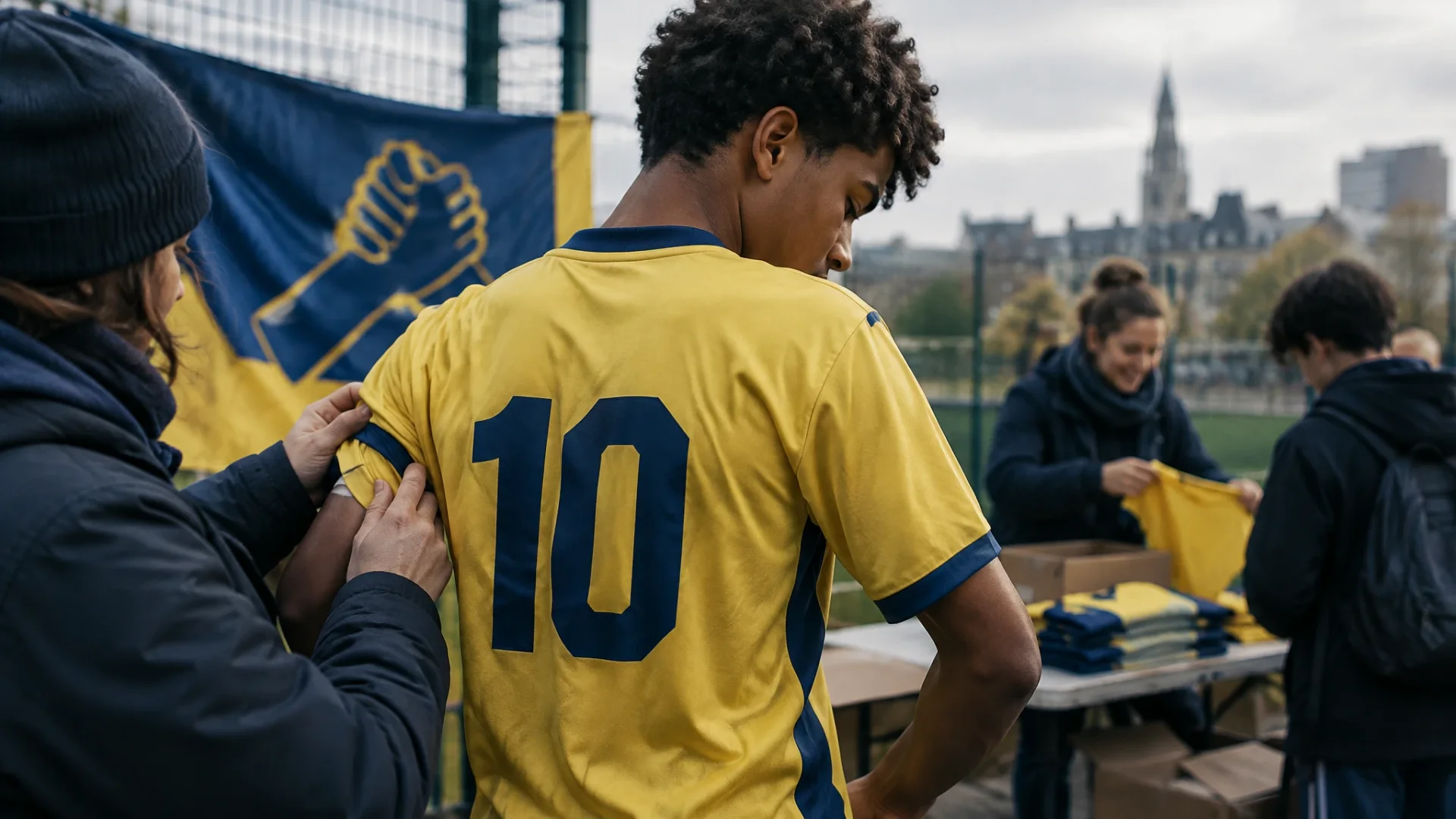 Opinion
Union Saint-Gilloise, Kappa and the civic shirt: who gets to define it?
From Brussels to Marseille, the football shirt is no longer just a colour swatch for sale: it can organise solidarity. But when a garment turns civic, who really defines its meaning — the club, the brand, or the stand?
 Basil ArtemoffTerraces, Marseille & style
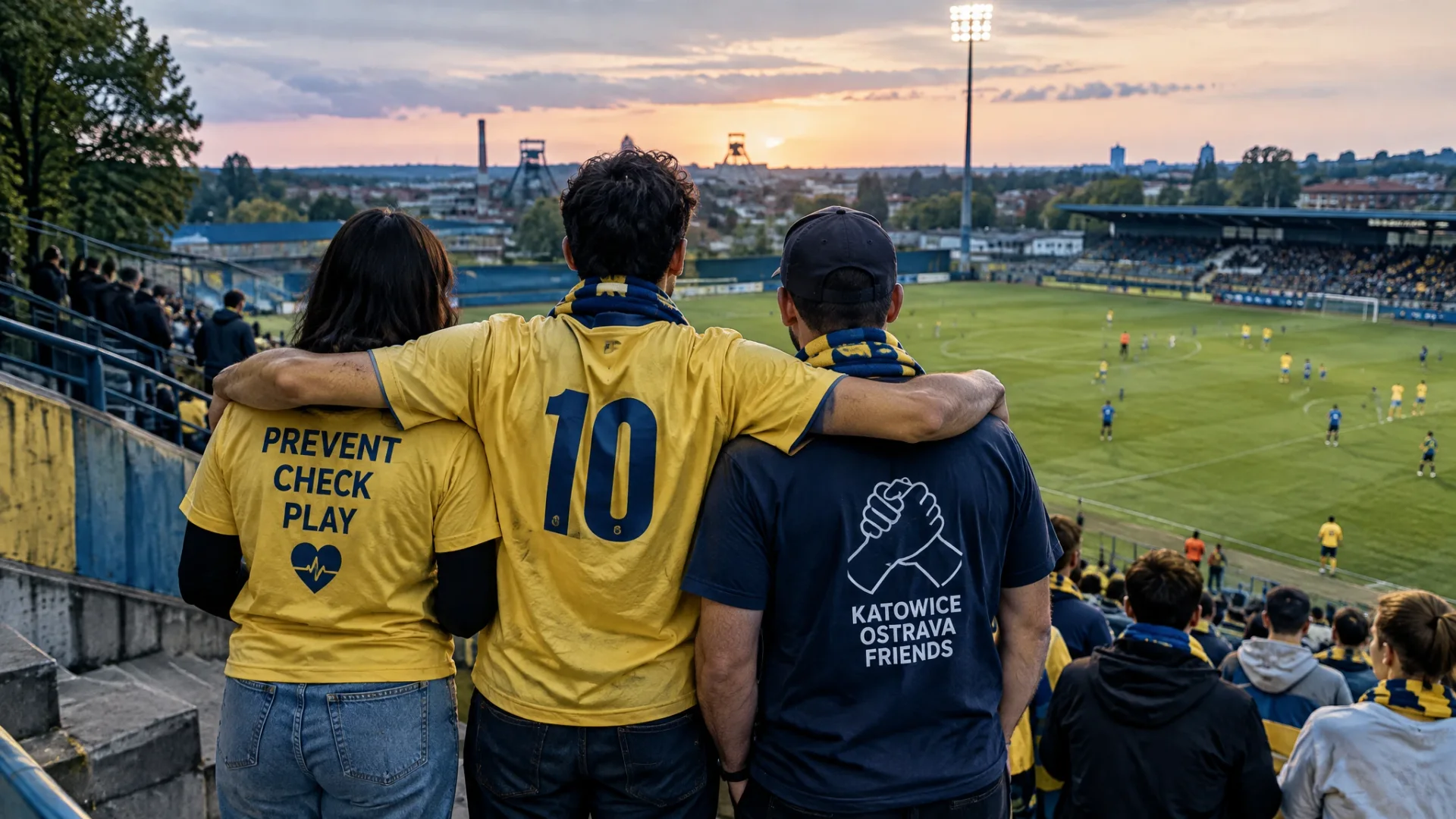 Opinion
When the shirt serves the stand: Union Saint-Gilloise, Katowice–Ostrava, PSG
When a shirt becomes a public-health tool, a symbol of supporter friendship or the visible frame for a campaign, the real question is simple: does it serve the club, the brand or the terrace first?
Basil ArtemoffTerraces, Marseille & style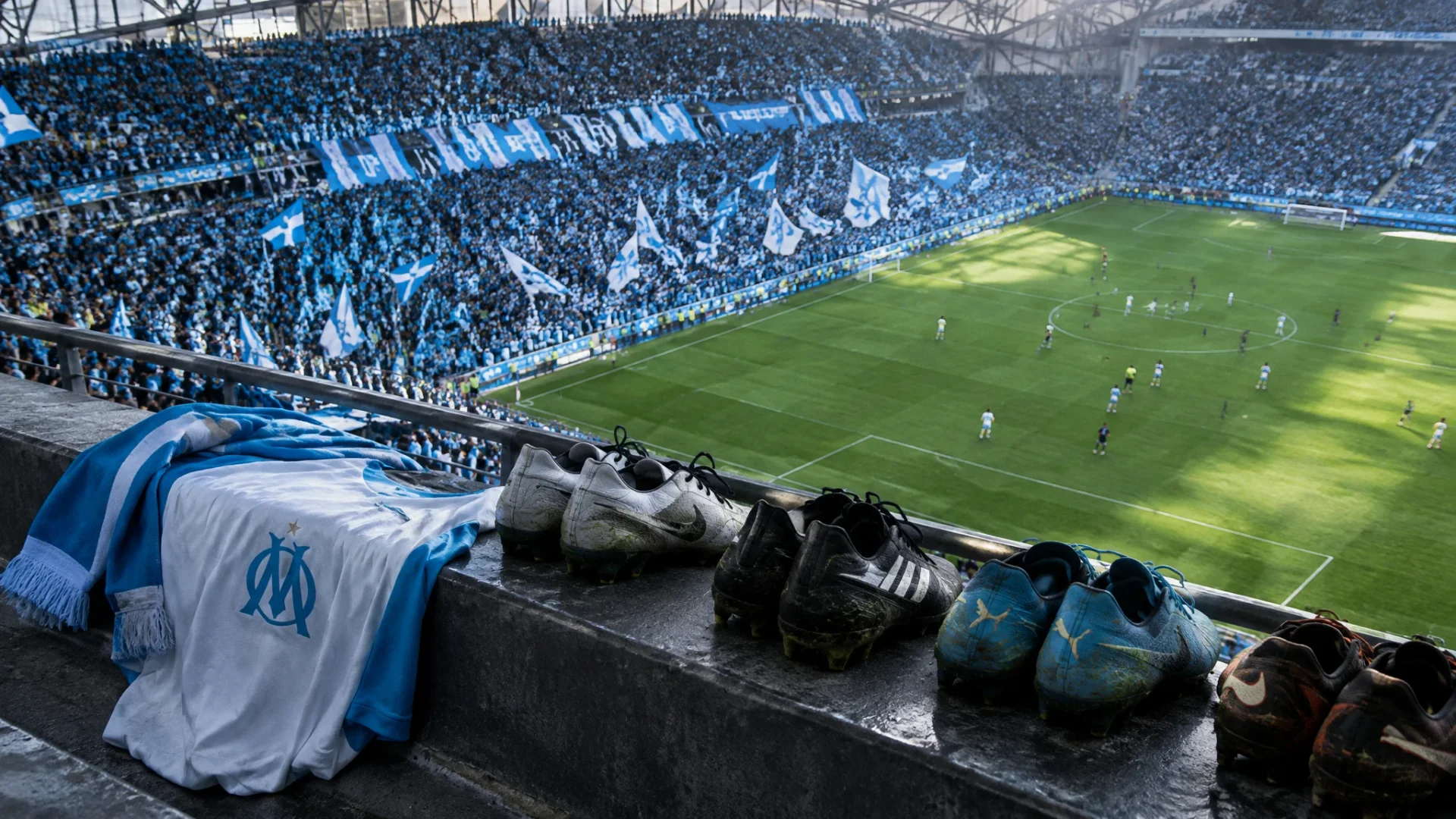 Opinion
OM in Ligue 1: the club brands the stands, not the boots
Why does Marseille still look unified in the curve, while the players’ feet tell a different story? Because the official image and the real dressing-room habits no longer match.
Basil ArtemoffTerraces, Marseille & style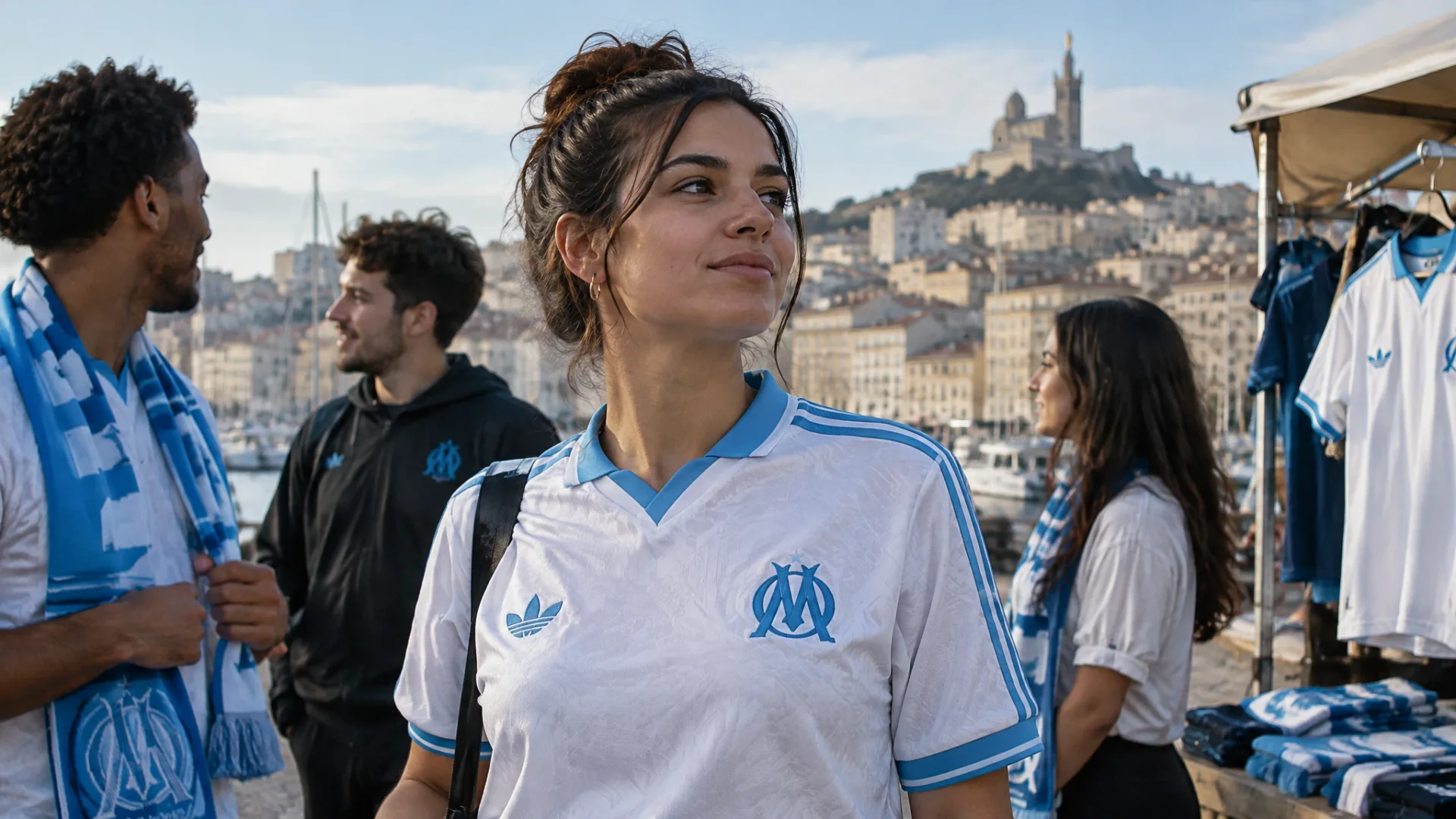 Opinion
OM and Adidas: why the comeback is a shirt, terrace and market reset
Why does Adidas’s return to Olympique de Marseille matter beyond the badge? Because it reconnects the club’s visual memory, terrace culture and shirt economy in one move.
Basil ArtemoffTerraces, Marseille & style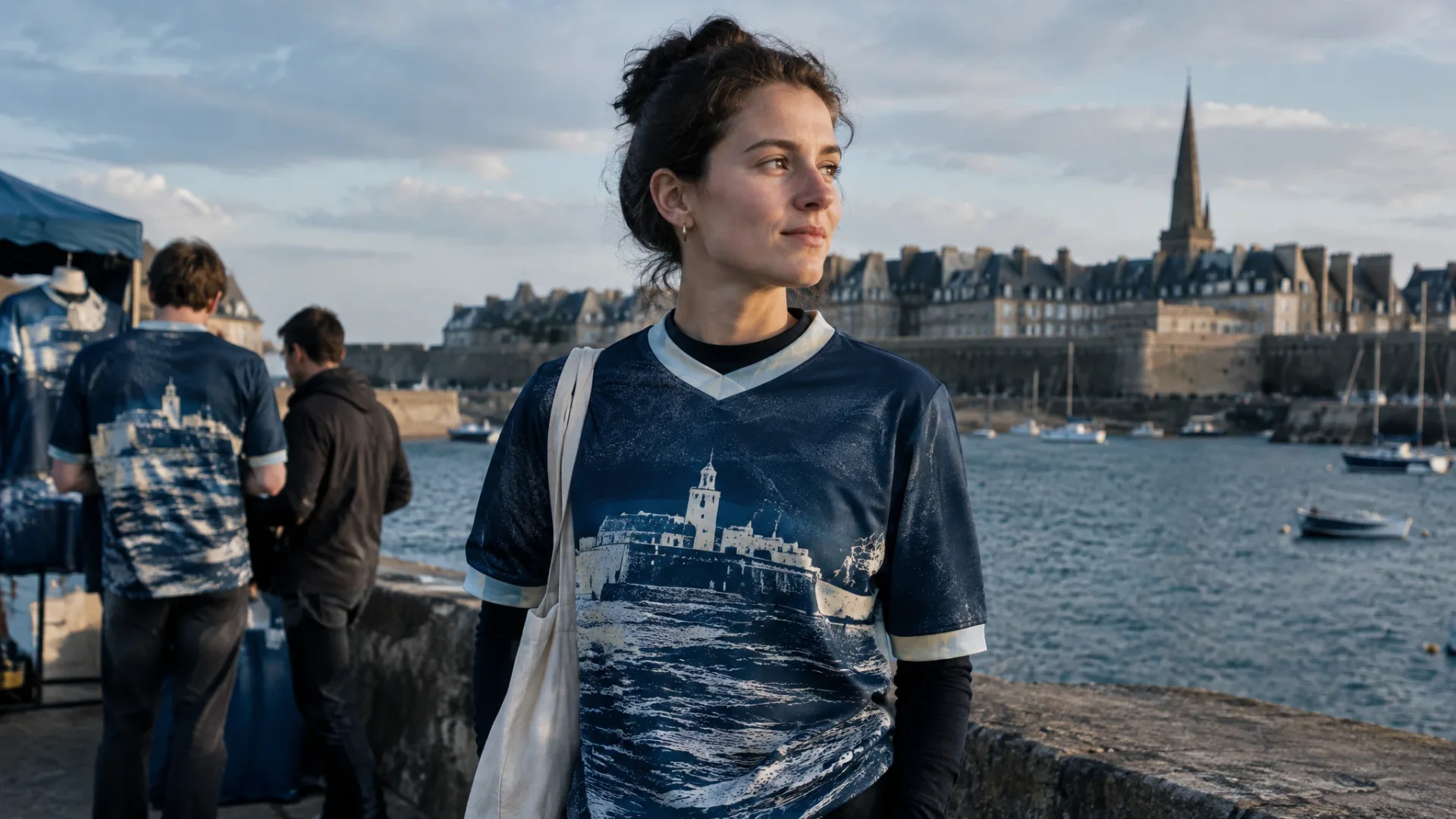 Opinion
When a football shirt sells a city, a cause or a scene
Recent club and brand releases show a clear shift: football apparel is no longer sold only as product, but as belonging. Is that good for supporter culture, or just a smarter way to sell the same thing?
Basil ArtemoffTerraces, Marseille & style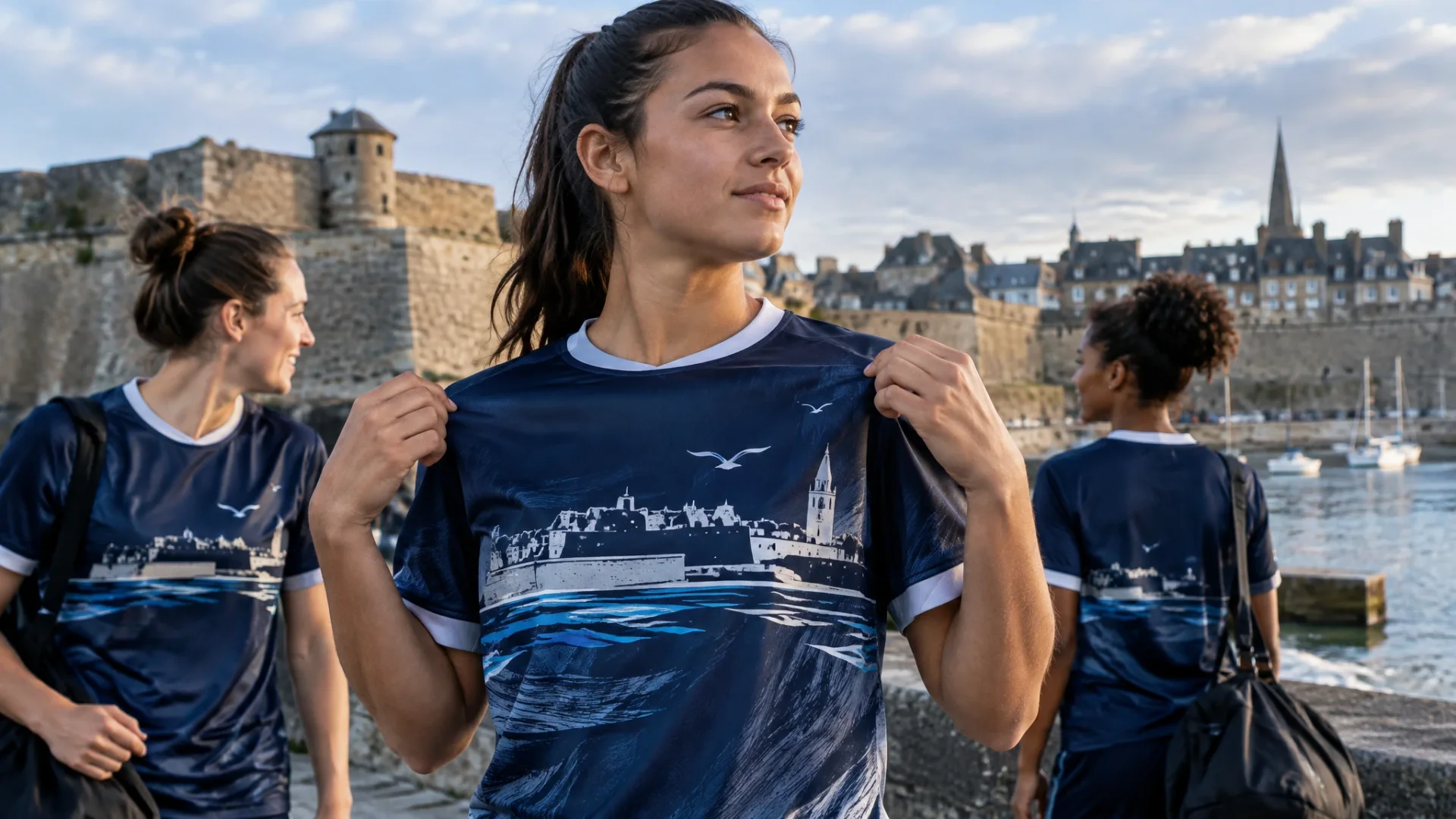 Opinion
US Saint-Malo, Les Marseillaises: when the shirt becomes an identity product
Why do special editions now say as much about the club as about the city, and why would Marseille recognise the pattern immediately?
Basil ArtemoffTerraces, Marseille & style