
Leverkusen’s sterile possession met Marseille’s low block into focus
Why Bayer Leverkusen’s first Europa League defeat looks less like a talent crisis than a warning: against a deep block, the ball means little if decisions are too slow.

Marseille chose to wait
Bayer Leverkusen suffered their first defeat in the Europa League league phase, at home to Marseille, after winning their opening three European games without conceding. The scoreline tells you the outcome; it does not explain the trap. Marseille took their first points of the phase by accepting a patient, deep defensive game after an aggressive start, then waiting for the opponent’s mistake. [1][2]
This was not about surrender. It was about risk management. When a team chooses to protect its box rather than chase the ball, it asks a blunt question: can you find a useful pass before the space disappears? Leverkusen too often answered by keeping the ball as if possession itself were the point. [2]
Sources : [1] Bundesliga ↗[2] Sportschau ↗
The real issue was speed of judgment
After the match, Robert Andrich spoke of too many quick turnovers and too many poor attacking decisions; Simon Rolfes said the game offered few chances and that one lapse was punished. Those are not polite post-match fillers. They describe the core problem: Leverkusen did not lack the ball, it lacked mental tempo. [3]
Against a low block, possession only matters if it speeds up the reading of the game. If the first touch opens a lane, if the next pass arrives before the channel closes, circulation becomes a weapon. Otherwise it becomes decorative ribbon around a locked box. Leverkusen often looked structurally sound and rhythmically flat. [3]
Sources : [3] Bundesliga ↗
Marseille did not steal the night
It would be lazy to frame Marseille’s win as mere luck. The pattern points to a very clear plan: an energetic opening, then a deep retreat, then a hunt for the opponent’s error. Amine Gouiri scored the decisive goal after a mistake, which fits the logic of the night: force Leverkusen into one pass too many, or the wrong one. [2]
That is what makes the match worthwhile for coaches rather than only for stat counters. Marseille won by accepting that they would offer very little with the ball. Leverkusen lost by confusing control with domination. Those are not the same thing. In the tight corridors of European football, the difference bites quickly. [2]
Sources : [2] Sportschau ↗
A useful warning, not a verdict
It would be overblown to turn this result into a sweeping diagnosis of Leverkusen. A first European defeat does not erase their strong start or the quality in the squad. But it does restate a tactical truth ambitious clubs sometimes forget once their possession feels secure: keeping the ball does not exhaust an opponent who has decided to fight for the last fifteen metres. [1][3]
So the question is not whether Leverkusen can play football. Of course they can. The real question is whether they can accelerate at the right moment, with enough sharpness to turn territorial control into a clean chance. Against Marseille, the answer was too often no. And in Europe, the ball rewards teams that think quickly. [2][3]
Read next
 Opinion
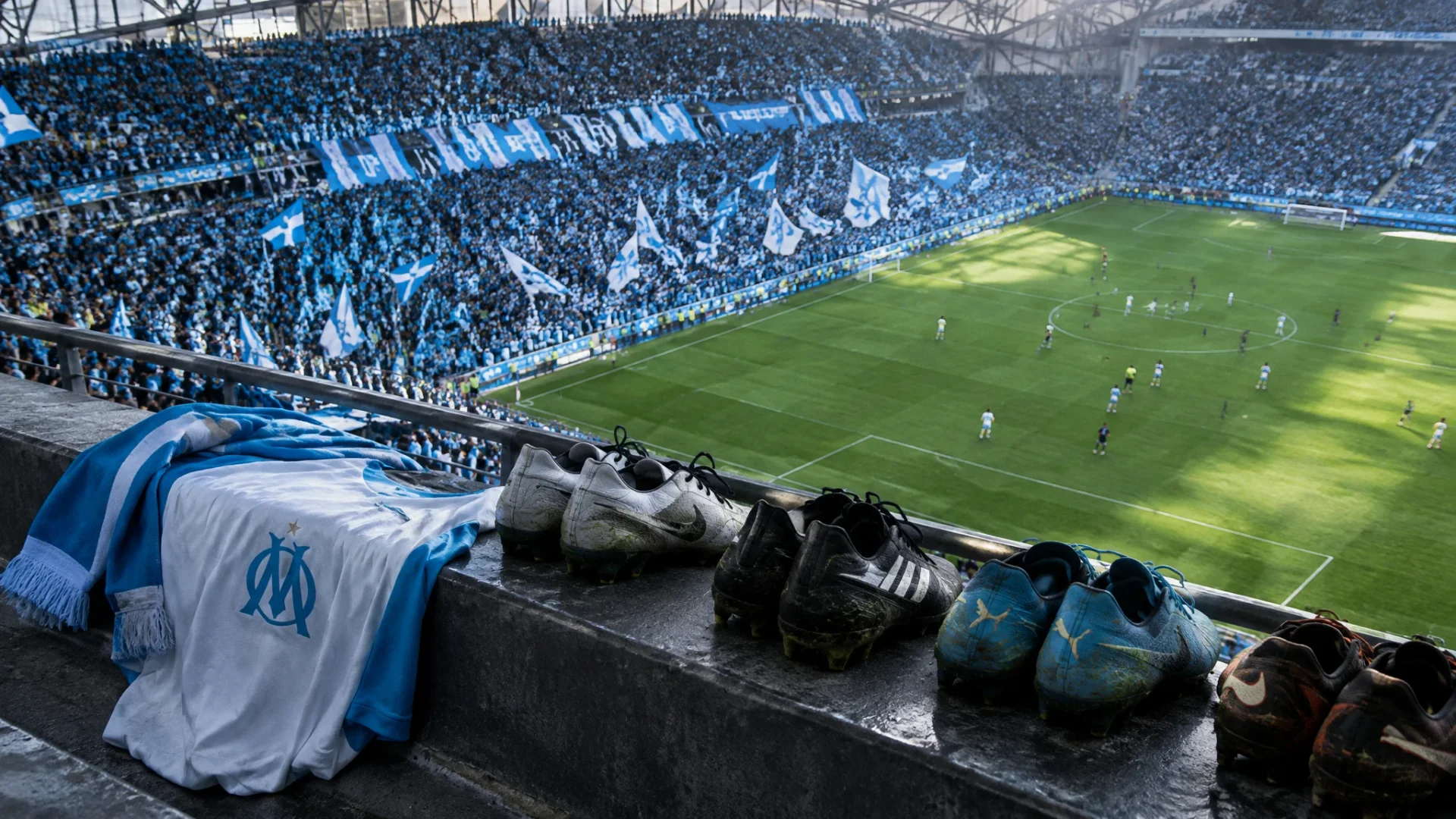
OM in Ligue 1: the club brands the stands, not the boots
Why does Marseille still look unified in the curve, while the players’ feet tell a different story? Because the official image and the real dressing-room habits no longer match.
 Basil ArtemoffTerraces, Marseille & style
 Opinion
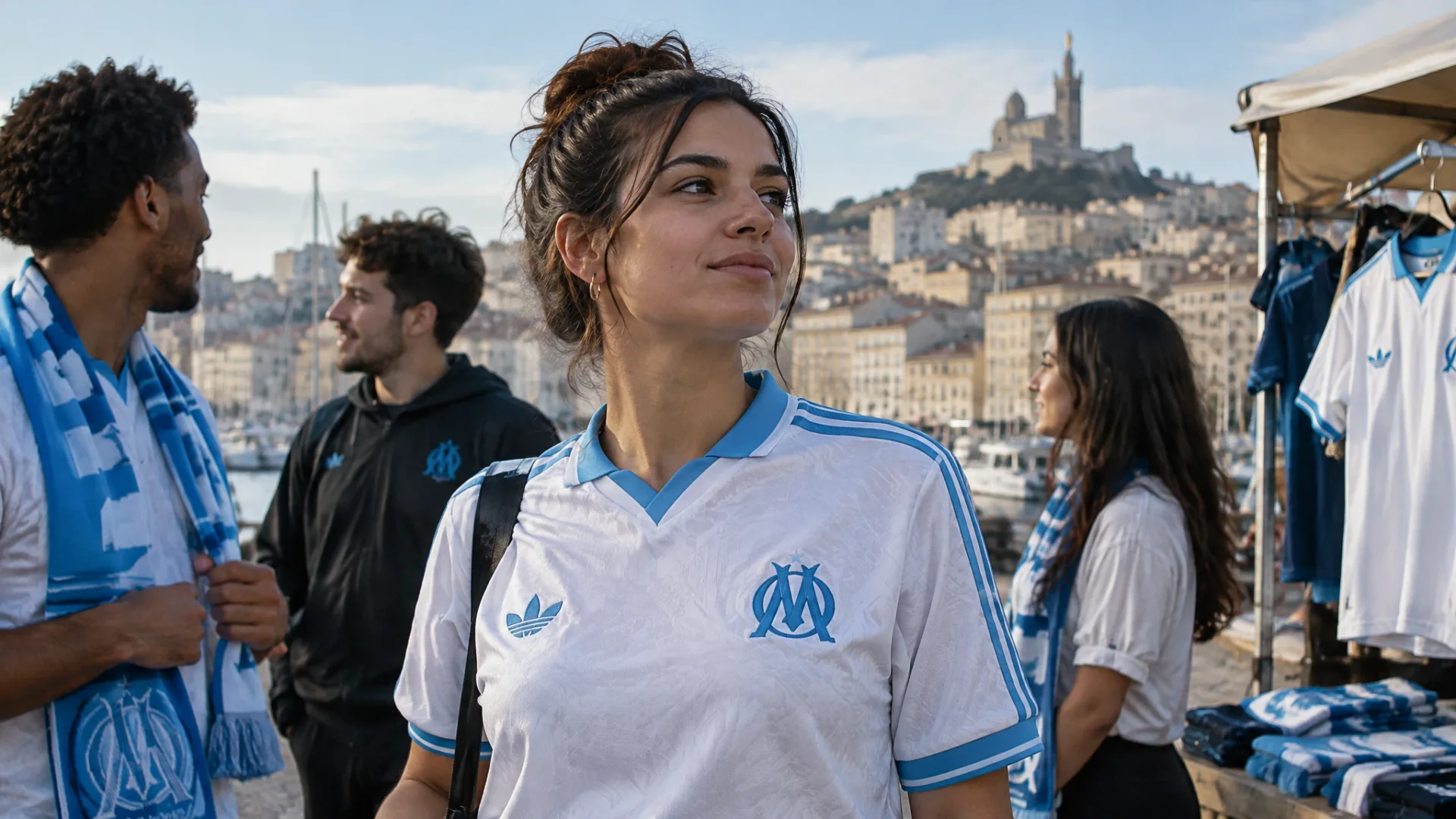
OM and Adidas: why the comeback is a shirt, terrace and market reset
Why does Adidas’s return to Olympique de Marseille matter beyond the badge? Because it reconnects the club’s visual memory, terrace culture and shirt economy in one move.
Basil ArtemoffTerraces, Marseille & style Opinion
Union Saint-Gilloise, Kappa and the civic shirt: who gets to define it?
From Brussels to Marseille, the football shirt is no longer just a colour swatch for sale: it can organise solidarity. But when a garment turns civic, who really defines its meaning — the club, the brand, or the stand?
Basil ArtemoffTerraces, Marseille & style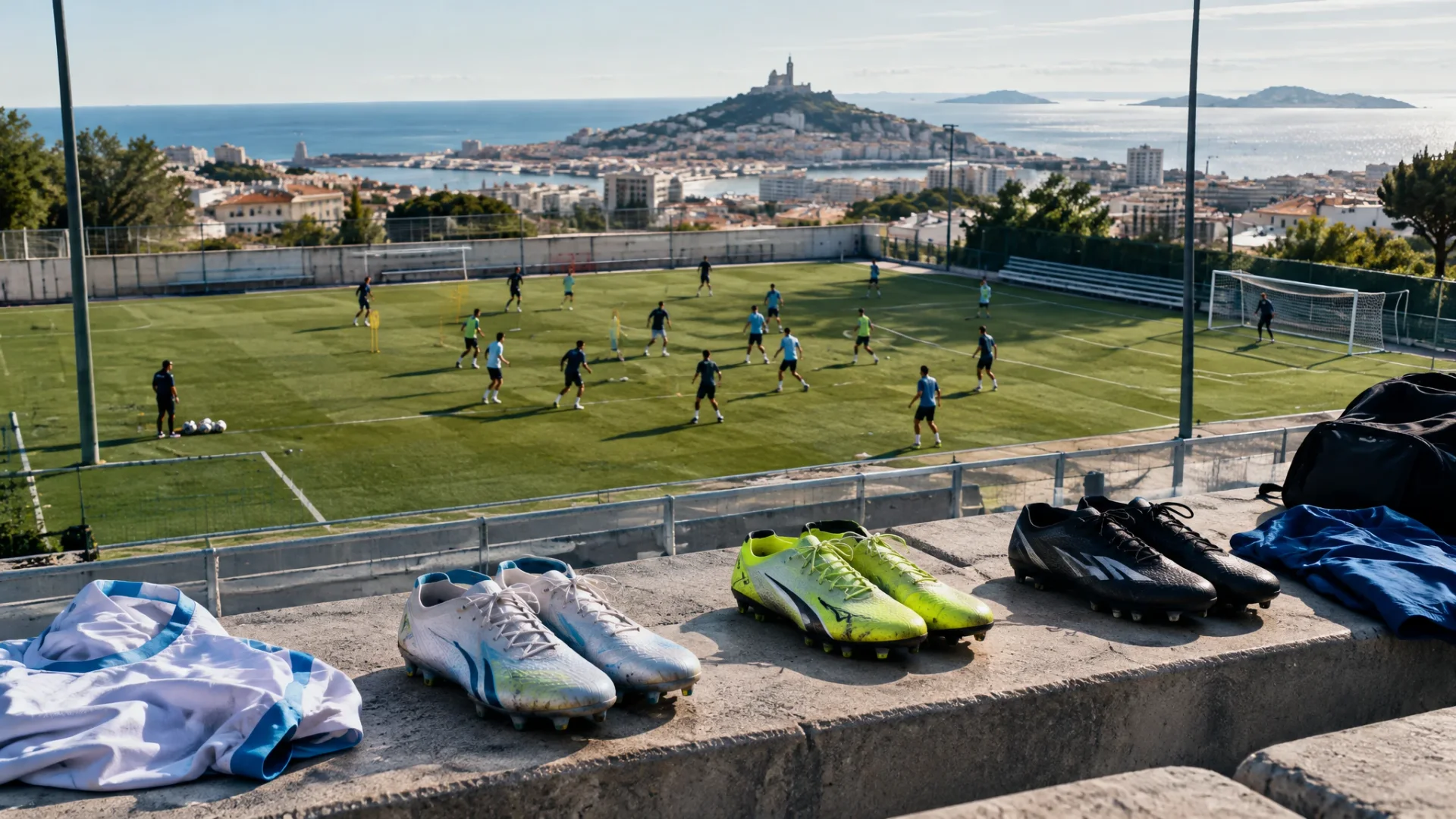 Opinion
OM, PUMA and adidas boots: in Marseille, the shirt no longer runs the whole show
In Marseille, the shirt still matters. But the boots tell a different story: players now have far more autonomy than the club’s kit deal suggests.
Basil ArtemoffTerraces, Marseille & style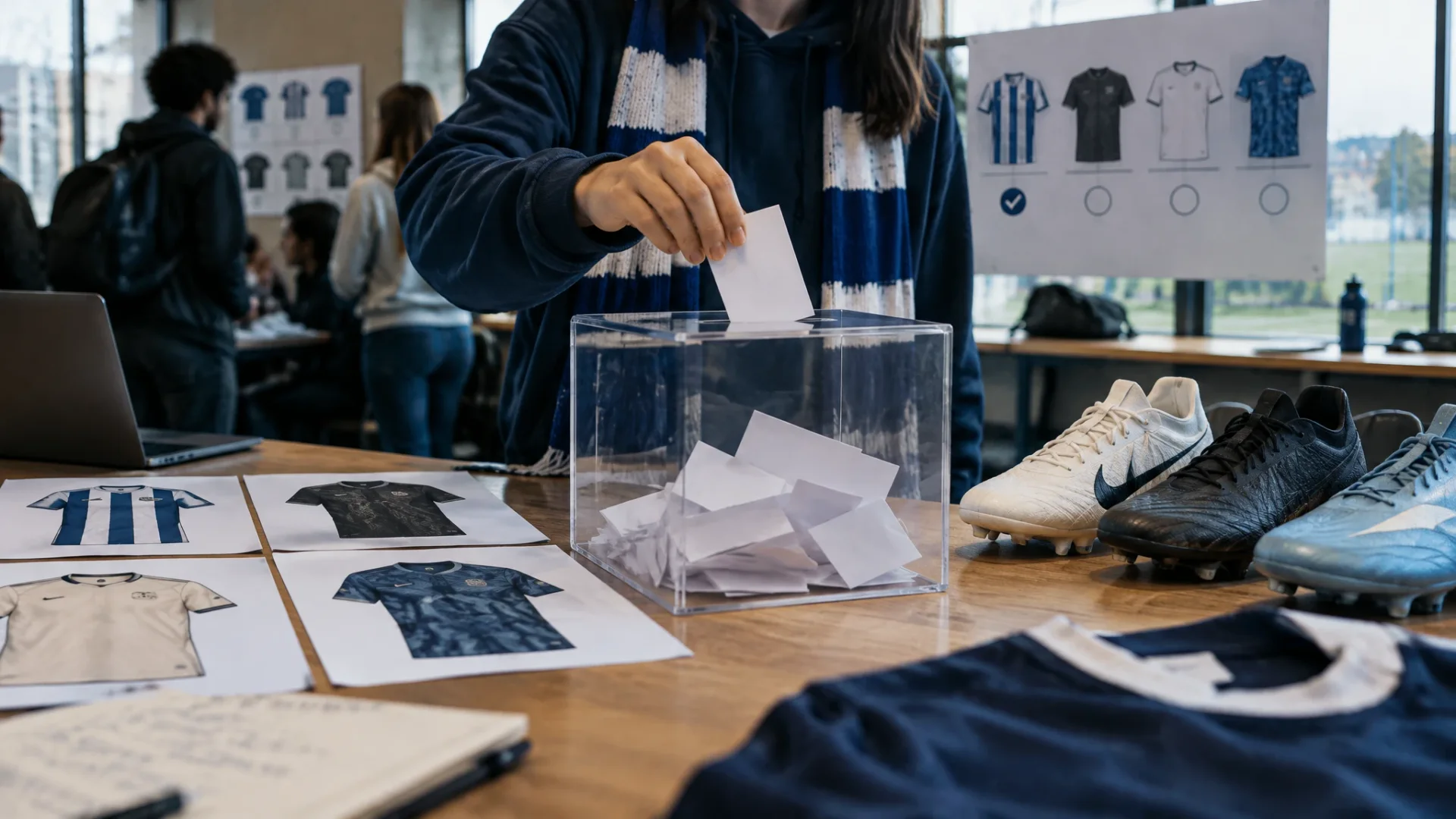 Opinion
Espanyol, Marseille, Footpack: shirts are becoming voted-on, market-tested culture pieces
When a club lets supporters choose a home shirt and a study shows boot choice already sits outside shirt sponsorship, who still controls club identity?
Basil ArtemoffTerraces, Marseille & style Opinion
OM, the Virages and the shirt: Marseille won’t let brands own the meaning
Why Marseille supporter culture still offers the clearest reading of the modern football shirt: clubs and brands package meaning in drops, while Marseille’s groups create it themselves through banners, chants and public space.
Basil ArtemoffTerraces, Marseille & style