
OM, the Virages and the shirt: Marseille won’t let brands own the meaning
Why Marseille supporter culture still offers the clearest reading of the modern football shirt: clubs and brands package meaning in drops, while Marseille’s groups create it themselves through banners, chants and public space.
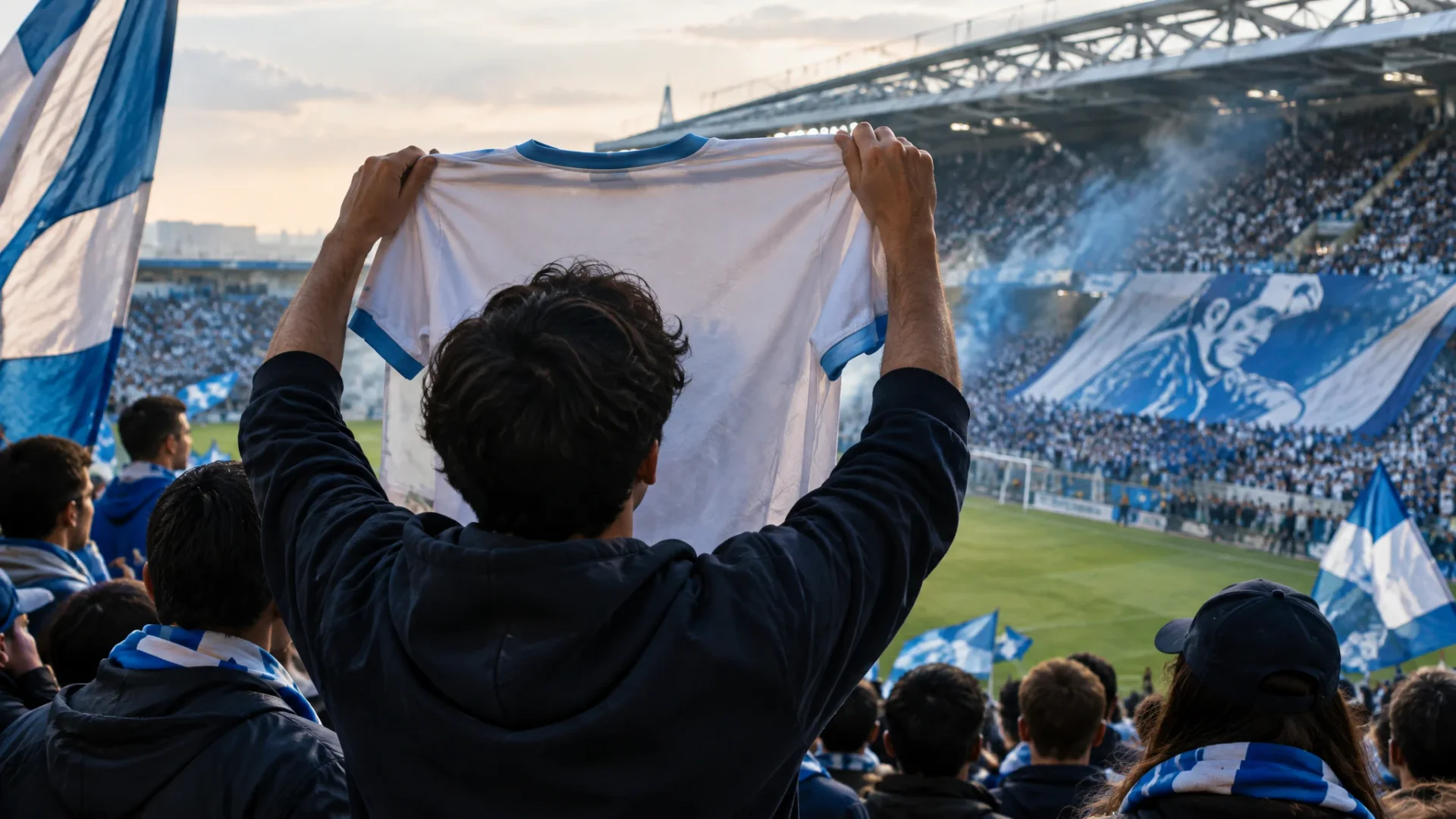
The shirt is now a contested space
Modern football loves manufacturing meaning in small batches. A shirt becomes a “story”, a pair of boots becomes a celebration item, and scarcity is sold as value in itself. Skechers’ special Harry Kane SKX release, limited to 73 pairs, shows how comfortably the market turns rarity into the product’s main argument. This is no longer just equipment; it is desirability staged as an event.
At the other end of the spectrum, Union Saint-Gilloise framed a shirt around a civic campaign on resuscitation awareness, with an educational step linked to the European Resuscitation Council before purchase. That is still club-brand communication speaking before the stands do. You can appreciate the initiative and still see what it reveals: football now commercialises meaning instead of simply dressing a team.
Sources : [1] Dégaine ↗[2] Footpack ↗
In Marseille, meaning is not handed down
That is where Marseille remains the sharper reference. On OM’s official supporters page, the Virage Nord and Virage Sud are presented as central to the match atmosphere, with chants, tifos and away travel treated as part of the club’s identity. That matters because it states something obvious but often forgotten: here, supporters are not background scenery. They are the people making the club visible, noisy and legible.
In Marseille, a shirt has never been only a retail object. It is read, worn, disputed and reclaimed. The Marseille supporter knows when a club is trying to sell a pre-packaged memory. And they also know the opposite move: turning ordinary fabric into a collective sign. That is why Marseille remains more useful than most launch campaigns for understanding what a football shirt actually means.
Sources : [3] OM.fr ↗
The real question: who makes the meaning?
The distinction is not aesthetic, it is political in supporter terms. Brands build closed narratives: limited edition, noble context, scarcity, launch date, purchase. Supporter groups create meaning in public space: banners, chants, repeated gestures, shared colours, common memory. The first model sells intention; the second makes it real.
That is why Marseille matters so much to the contemporary reading of the shirt. The city reminds us that a football garment is not doomed to be a refined consumer object. It can still be a tool of opposition, pride and collective language. When the market reduces a shirt to its drop, the virages answer that a shirt only lives once it is taken up by the people wearing it together.
What clubs should learn
The point is not that every collaboration should be rejected, or that every commercial initiative is suspicious by nature. The point is that you can instantly tell the difference between a product that speaks about supporters and a product that speaks for them. Marseille, with its virages, chants and command of public space, remains one of the clearest places to see that difference.
That is exactly why the city stays so important in shirt culture: it prevents football from telling a neat story about itself. It forces clubs to choose between packaging and expression. In Marseille, the best shirt is not necessarily the one that sells fastest. It is the one that still leaves room for supporters to write on it, even without a pen.
Sources : [3] OM.fr ↗
Read next
 Opinion
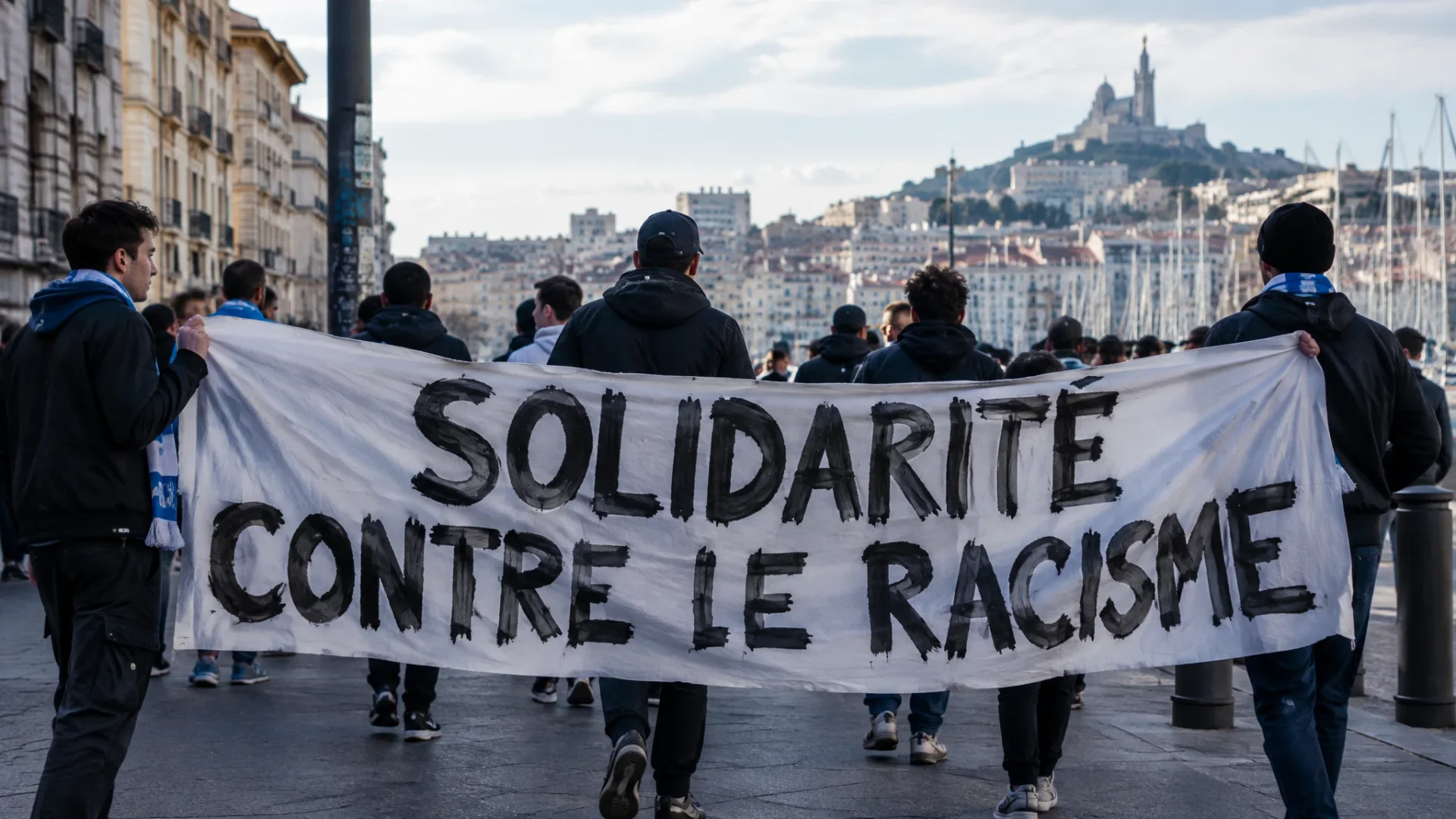
OM, the MTP and the banner as a civic act in Marseille
After Trappes, the MTP did more than protest: it moved the terrace into the city and turned a banner into a public anti-racism statement.
 Basil ArtemoffTerraces, Marseille & style
 Opinion
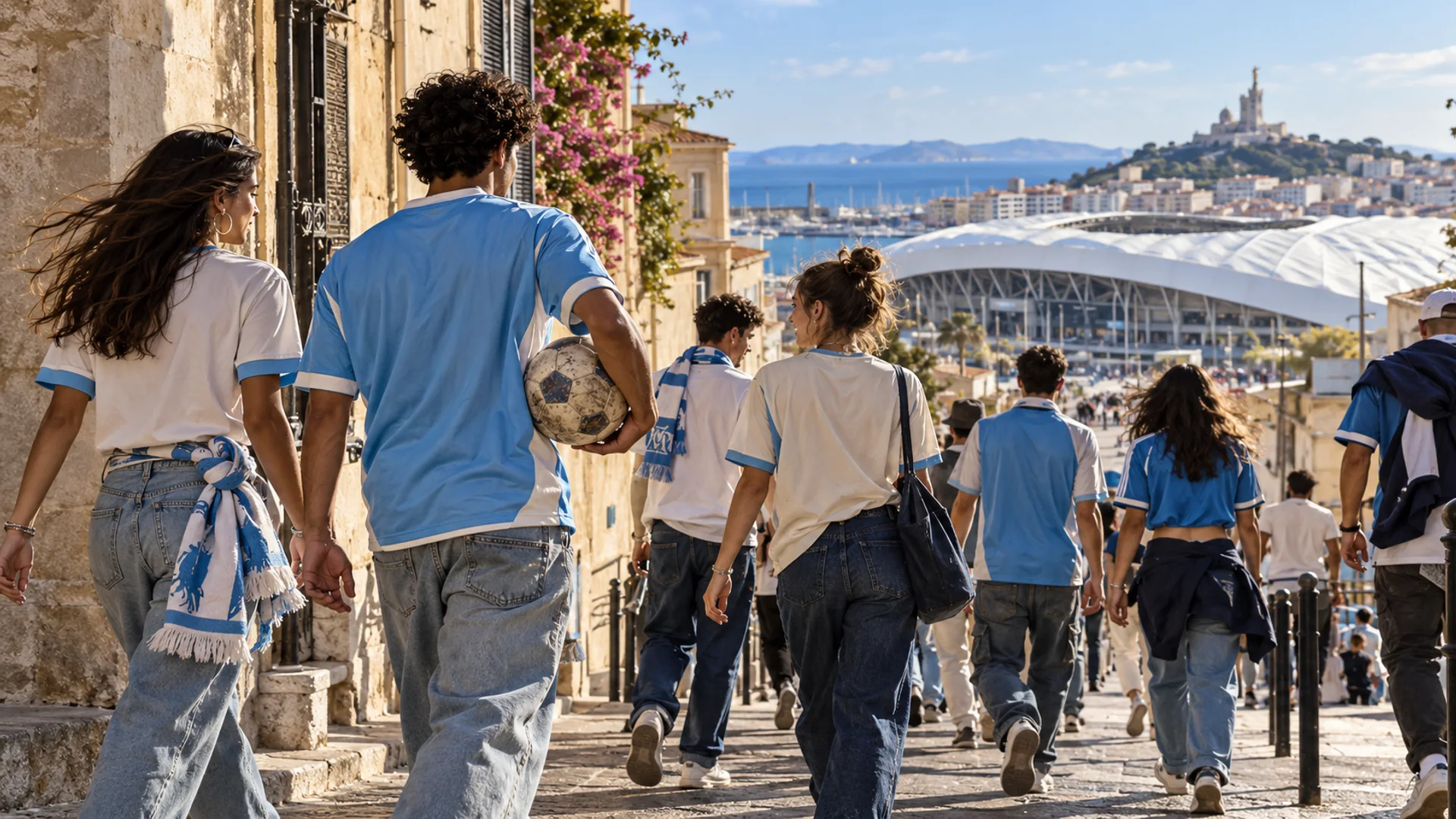
At the Vélodrome, OM’s supporters are still the club’s most stable asset
When the club wobbles, the stand holds. And as shirts turn into cultural objects, Marseille is a reminder that a demanding crowd is worth more than any launch campaign.
Basil ArtemoffTerraces, Marseille & style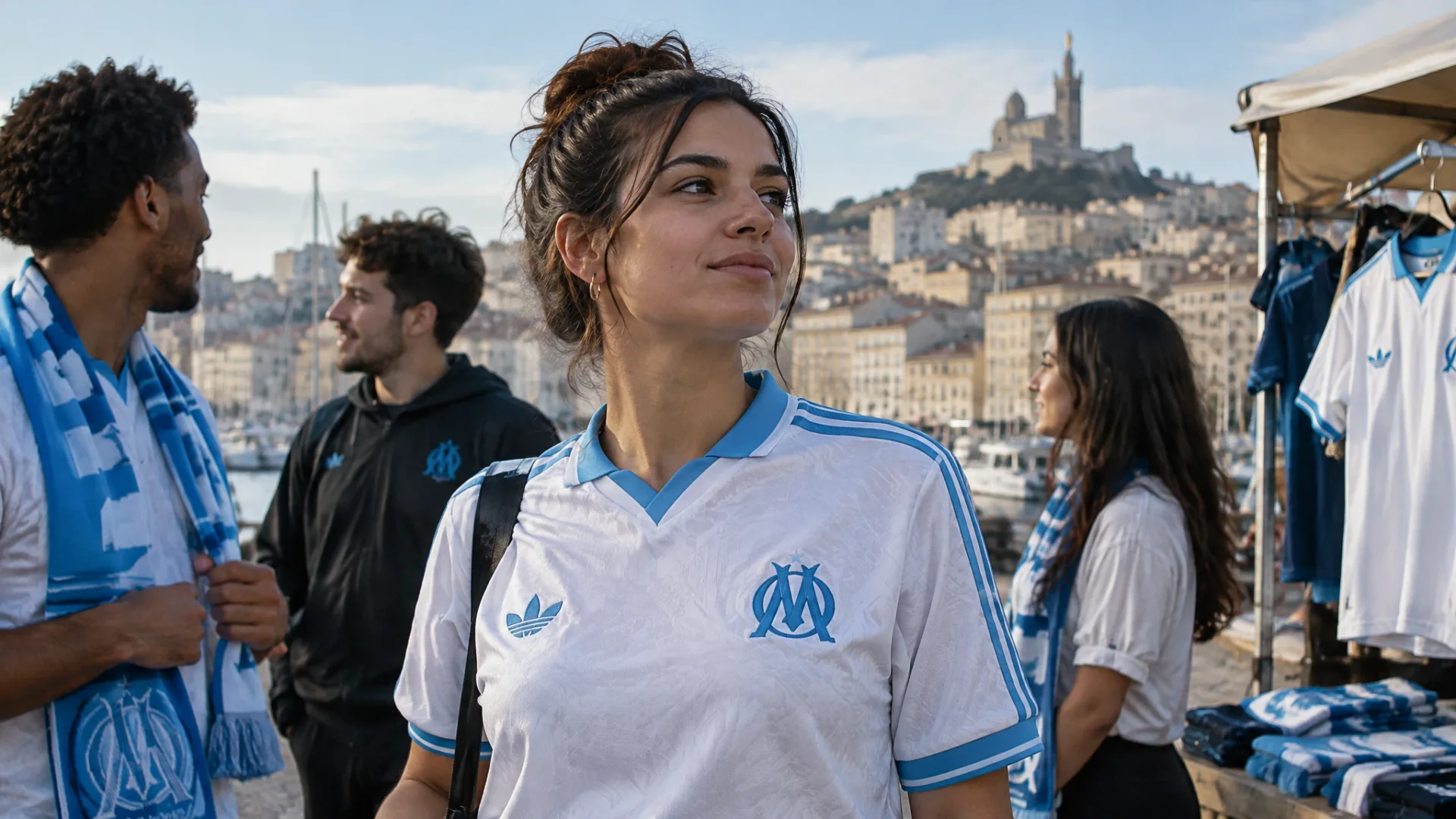 Opinion
OM and Adidas: why the comeback is a shirt, terrace and market reset
Why does Adidas’s return to Olympique de Marseille matter beyond the badge? Because it reconnects the club’s visual memory, terrace culture and shirt economy in one move.
Basil ArtemoffTerraces, Marseille & style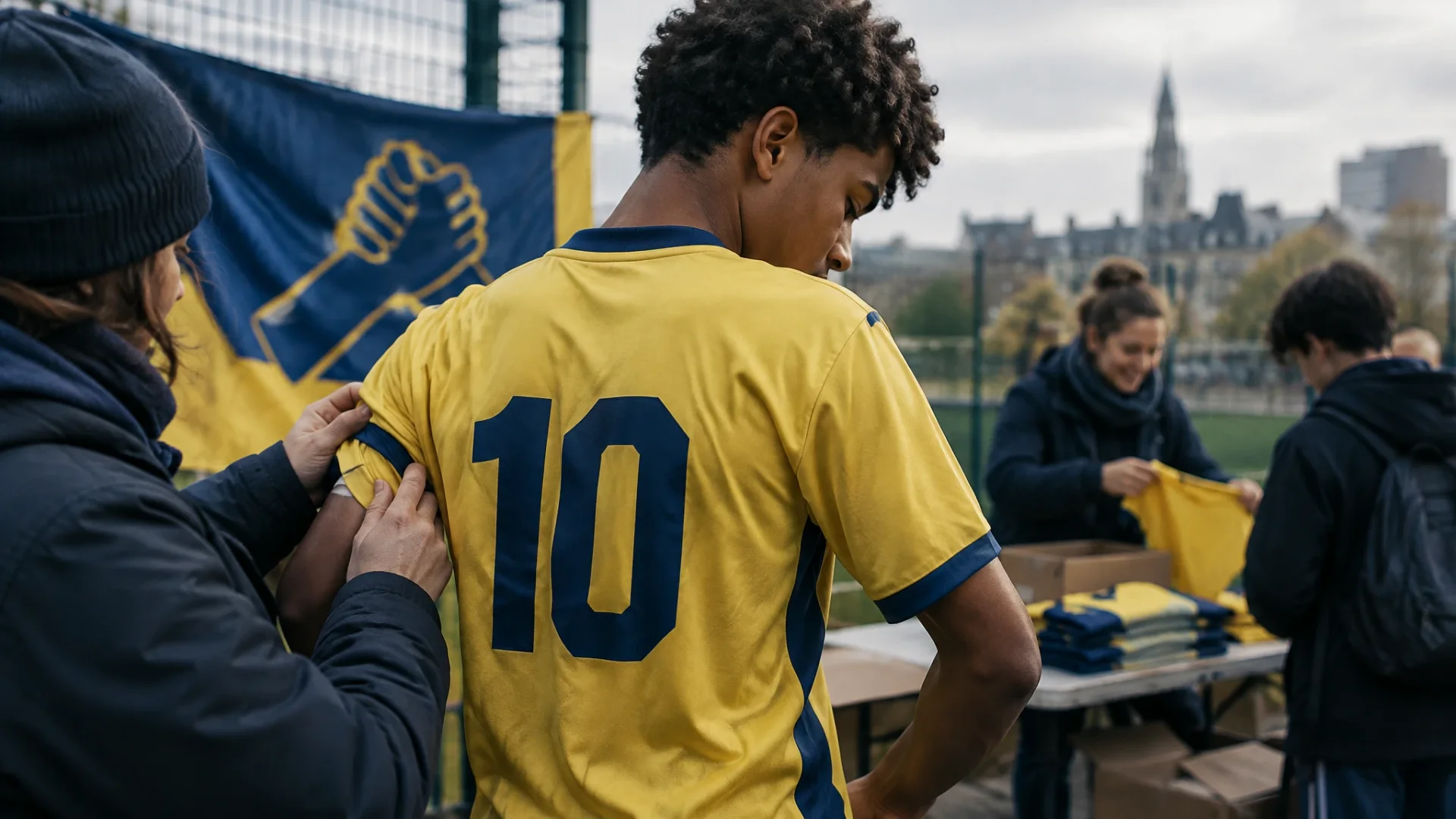 Opinion
Union Saint-Gilloise, Kappa and the civic shirt: who gets to define it?
From Brussels to Marseille, the football shirt is no longer just a colour swatch for sale: it can organise solidarity. But when a garment turns civic, who really defines its meaning — the club, the brand, or the stand?
Basil ArtemoffTerraces, Marseille & style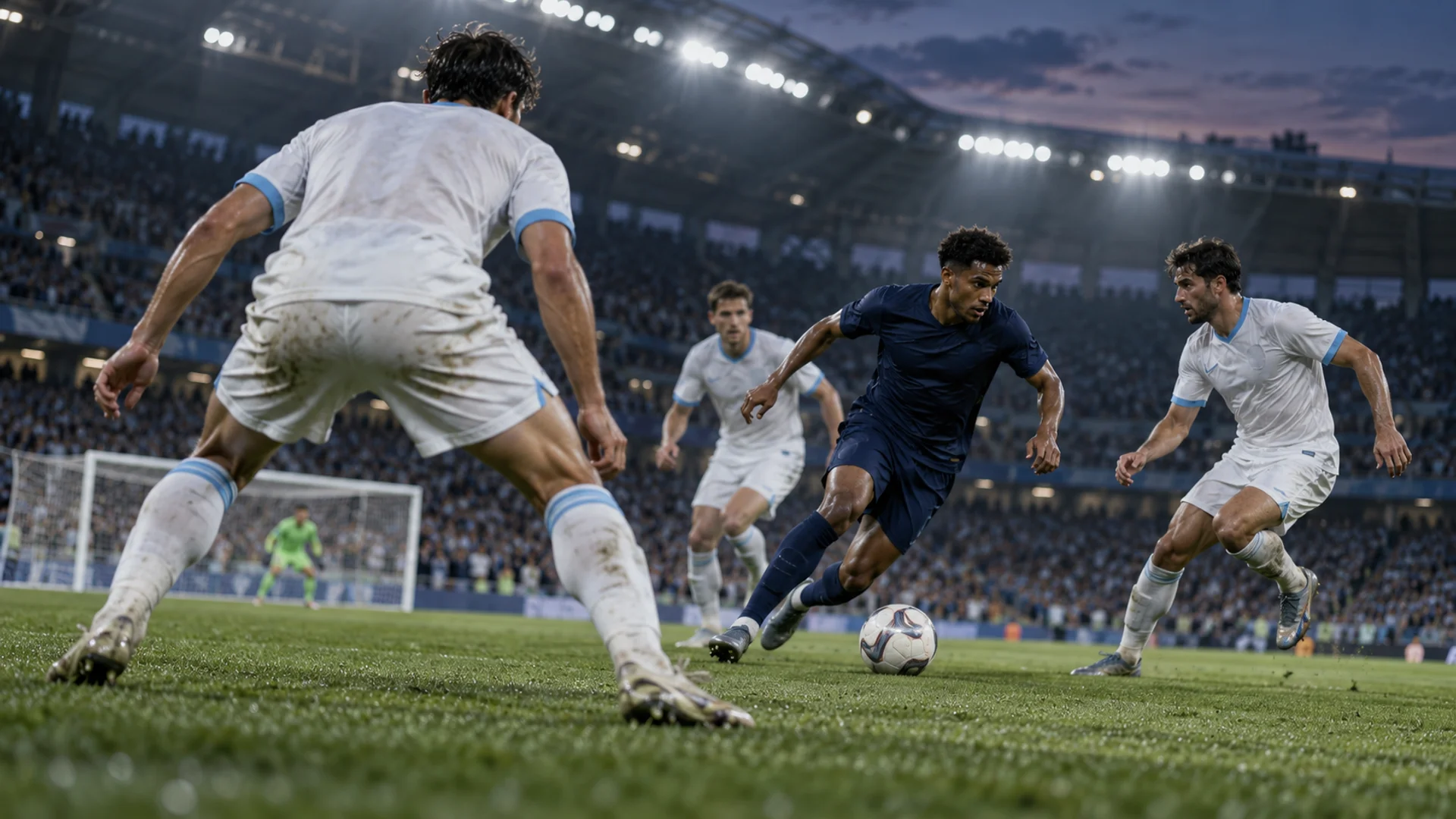 Opinion
Marseille finally has a shape. The problem is what happens after 60 minutes
Against Le Havre, OM looked structurally clearer for an hour before unraveling. The issue is no longer finding a starting shape, but keeping it alive.
Basil ArtemoffTerraces, Marseille & style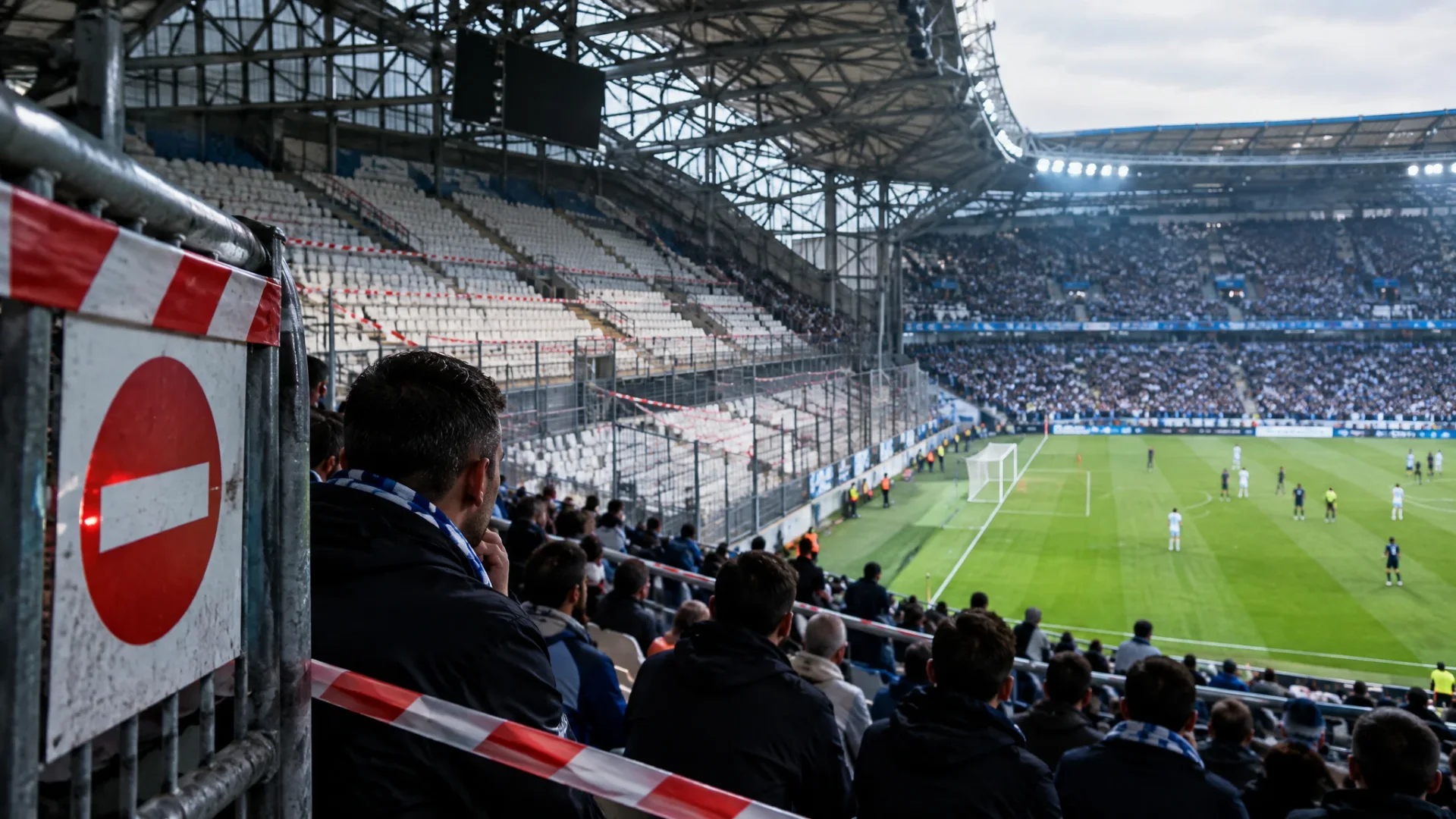 Opinion
Marseille and the Vélodrome: when the Nord stand becomes a tactical handicap
What is a team worth when it is finally playing better just as its stadium loses part of its voice? Marseille’s sanction is a reminder that a club cannot cleanly separate performance from stand-side disorder.
 Étienne MorelThe football, the clubs, the decisions