
When the shirt serves the stand: Union Saint-Gilloise, Katowice–Ostrava, PSG
When a shirt becomes a public-health tool, a symbol of supporter friendship or the visible frame for a campaign, the real question is simple: does it serve the club, the brand or the terrace first?
The shirt is no longer just a product
Modern football loves selling identity stitched into fabric. But these three documented cases show something else: the shirt can move beyond pure commerce and into social use. It becomes a signal, a filter, a community gesture. The line is messy, and that is exactly why it matters.
Clubs are increasingly trying to give clothing a function that goes beyond looks. Once a shirt is used to identify trained people, celebrate supporter friendship or carry a cause in a match setting, we are no longer dealing with branding alone. We are in a fight over what the shirt means.
Union Saint-Gilloise: a shirt built around prevention
Union Saint-Gilloise has launched a limited-edition shirt with the European Resuscitation Council. To buy it, supporters must complete first-aid training; the club says the idea is also to help identify trained people in the stands. This is not just a keepsake: the shirt is designed as a marker of competence and a safety tool [1].
That is a strong idea because it flips the usual hierarchy. Normally, the club uses the supporter to sell a story; here, it tries to give the supporter public value. Of course, there is communication in it, and that should not be ignored. But it deserves less scepticism than a pure lifestyle drop. When a garment helps make the stand more prepared, it is doing real social work.
Sources : [1] Dégaine ↗
Katowice–Ostrava: supporter friendship before merchandise
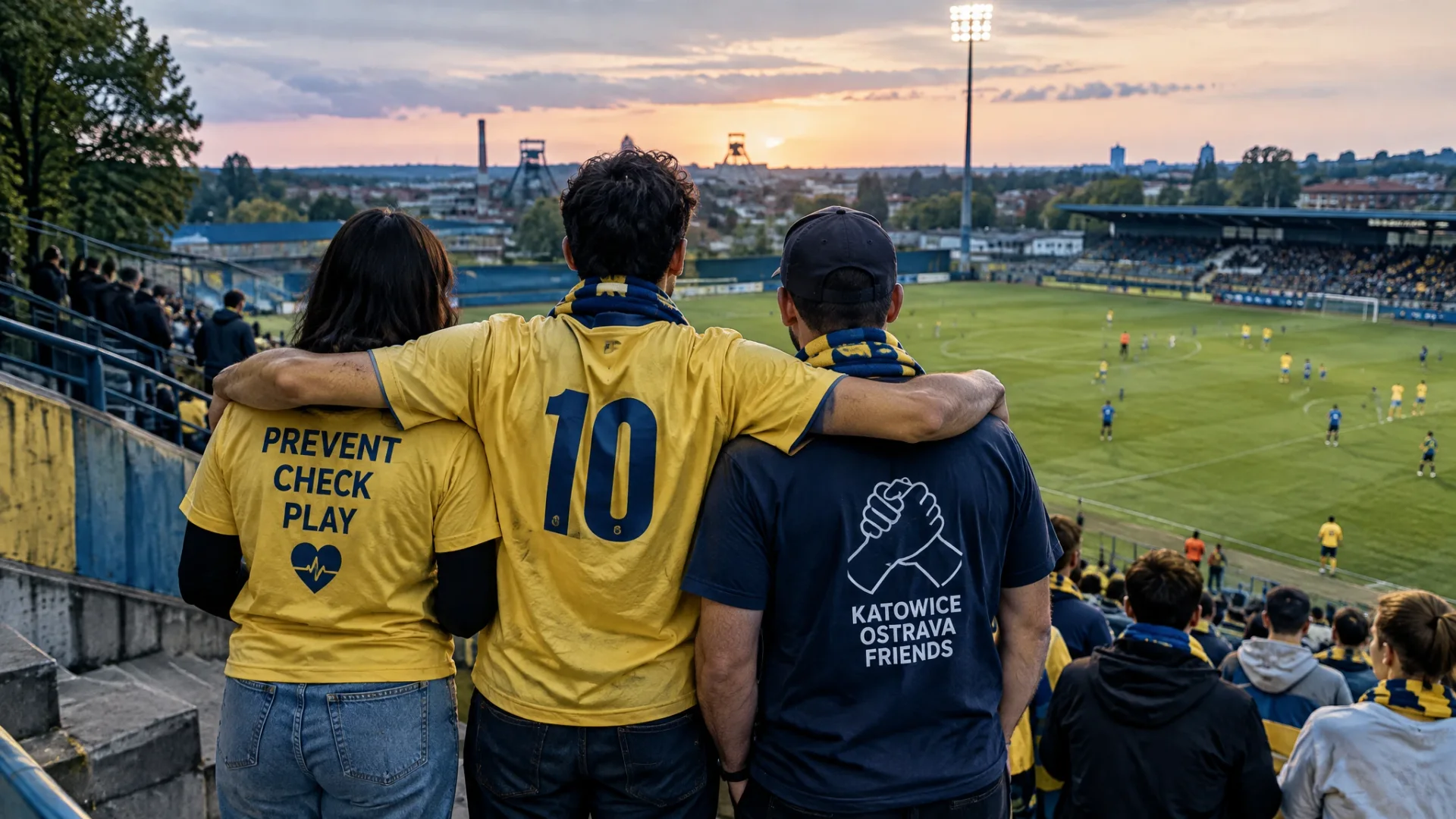
At the other end of the spectrum, GKS Katowice and Baník Ostrava have unveiled a shared shirt to mark 30 years of friendship between their supporters. The Macron-made edition is described as limited and will be worn by both clubs in league matches; Footpack also notes mining-inspired symbols woven into the design [2].
Here, the shirt starts as a terrace story, not as a top-down art-direction campaign. That difference matters. A collaboration is not automatically authentic because it looks good, but it becomes believable when it grows out of an already real and visible supporter relationship. Commerce is still there, of course: a shared shirt sold as a rare object is still a product. Yet the intent feels less cynical than many nostalgia-heavy collabs that leave actual fans outside the frame.
Sources : [2] Footpack ↗
PSG: when a cause is worn on matchday
PSG chose a different route: against Lyon, the club unveiled an Octobre Rose shirt. The home base remains, but the names and numbers shift into a pink gradient, with a pink ribbon on the chest; the worn shirts are then to be auctioned for AP-HP Sorbonne Université [3].
Again, we should separate visibility from depth. Yes, this is brand activation. Yes, the club is using a match to project a cause-led image. But it is not empty, because the auction and the hospital reference give the gesture a concrete destination. The problem with much of football now is not that it communicates; it is that it communicates without a tangible effect. When the shirt is tied to an identifiable action, the commercial awkwardness recedes a little.
Sources : [3] Footpack ↗
What the shirt is really saying
The real divide today is not between “tradition” and “modernity”. It is between a shirt that recycles a community in order to sell and a shirt that accepts being useful to that community. Union Saint-Gilloise is the most radical in that logic; Katowice and Ostrava are the most convincing as a supporter-friendship statement; PSG remains closest to the commercial machine, but still gives the garment a visible mission.
That is where contemporary football culture lives: in a club’s ability to turn an over-marketed object into something socially legible. A shirt will not save football from commodification. But sometimes it can stop being only a sales uniform and become a carrier of care, memory or fraternity. At that point, we finally look at the fabric for what it does, not just for what it earns.
Read next
 Opinion
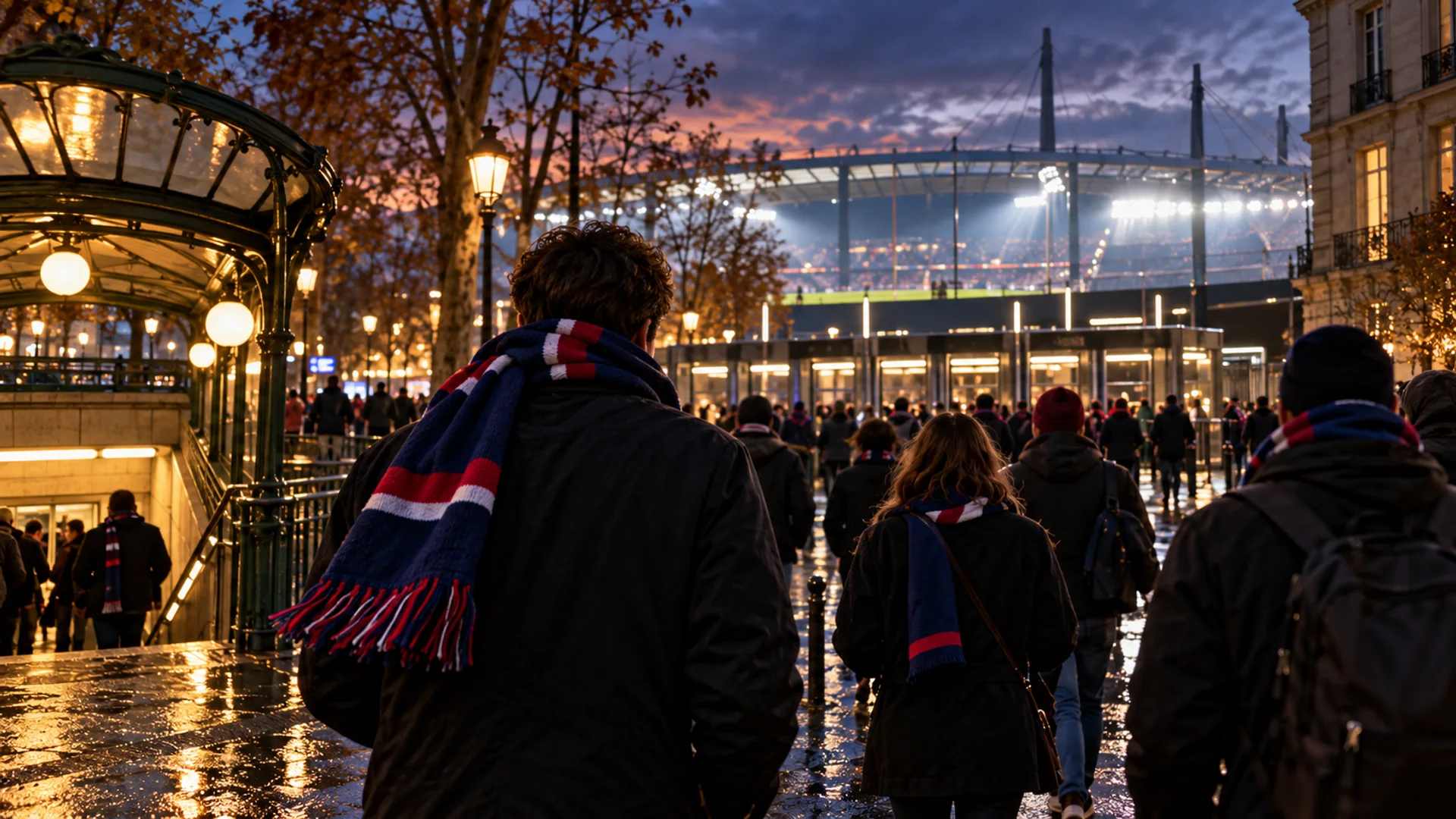
PSG–Lyon: supporters cannot be the spare part
A marquee fixture moves to Monday, a global football ceremony occupies the same evening, and the people who planned their Sunday must adapt. Moving a match can be necessary. Treating its audience as endlessly flexible is a choice.
 Étienne MorelThe football, the clubs, the decisions
 Opinion
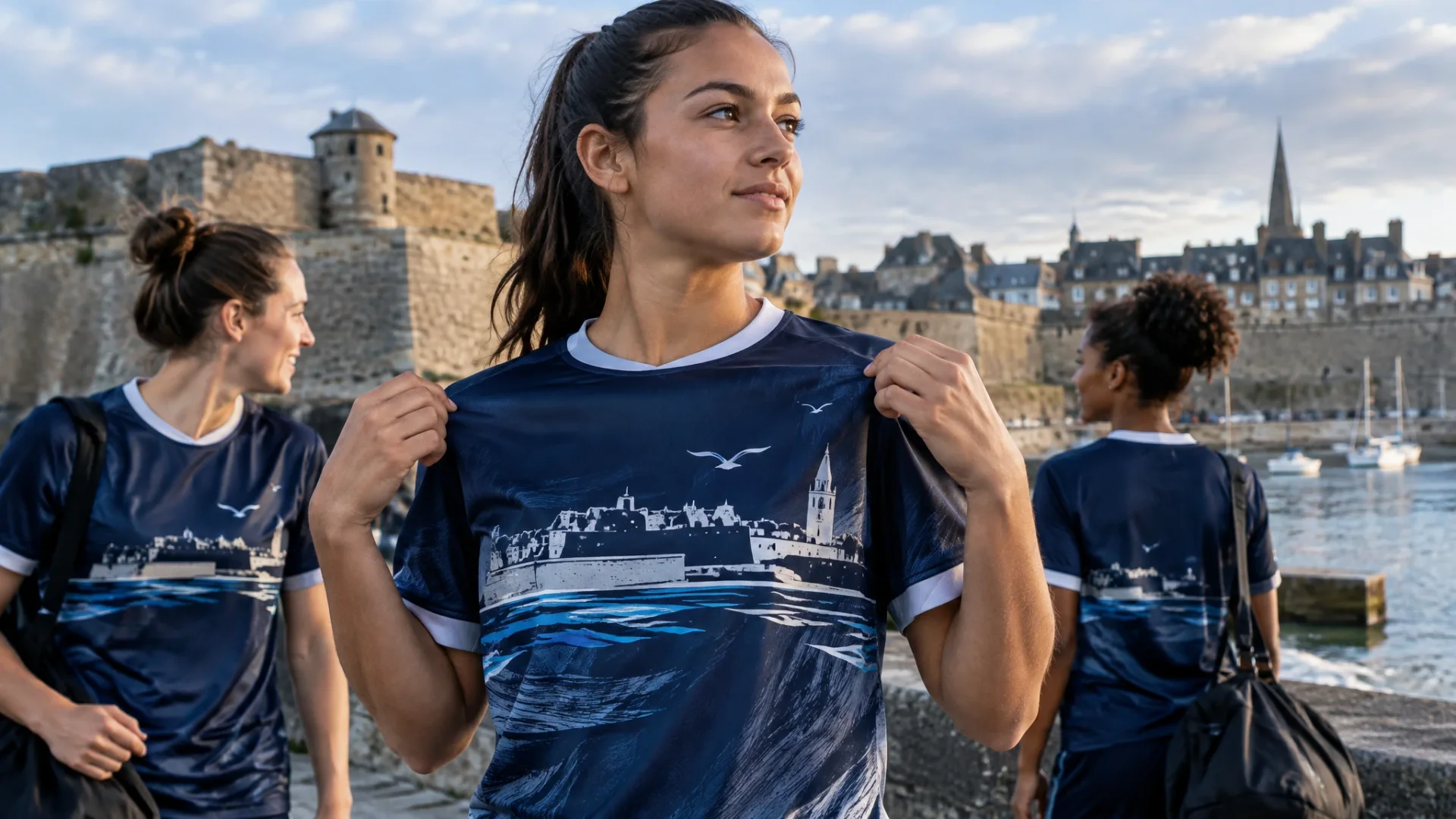
US Saint-Malo, Les Marseillaises: when the shirt becomes an identity product
Why do special editions now say as much about the club as about the city, and why would Marseille recognise the pattern immediately?
 Basil ArtemoffTerraces, Marseille & style
 Opinion
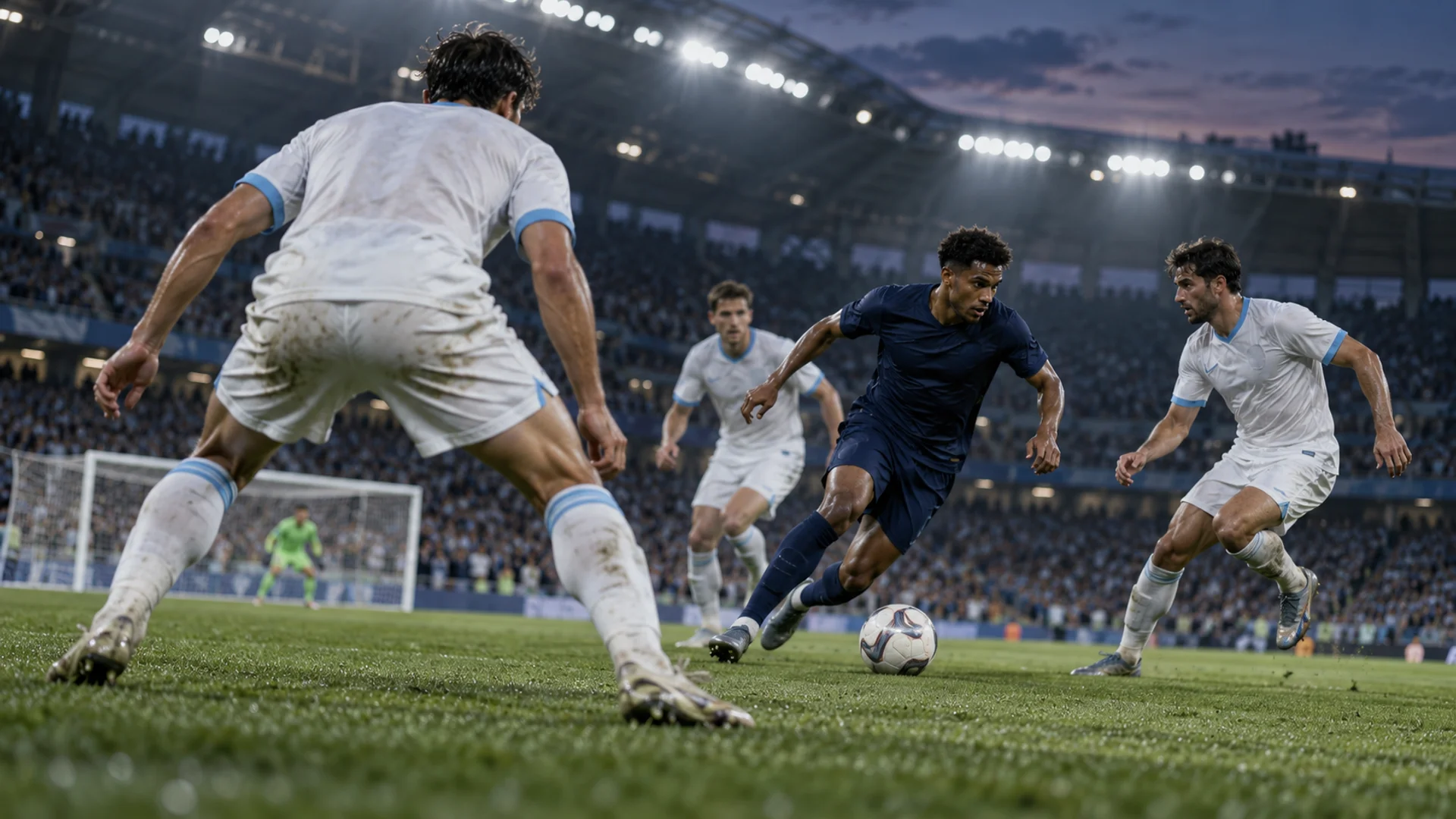
Marseille finally has a shape. The problem is what happens after 60 minutes
Against Le Havre, OM looked structurally clearer for an hour before unraveling. The issue is no longer finding a starting shape, but keeping it alive.
Basil ArtemoffTerraces, Marseille & style Opinion
Rennes atop Ligue 1, for now: a compressed table leaves no room for self-congratulation
After the 3-0 win over Strasbourg, Rennes moves top provisionally. In a tight Ligue 1, the point is not the snapshot but what the club does with it.
Étienne MorelThe football, the clubs, the decisions The Sunday review
Morel on Sunday: French football needs to become easier to love
Fixtures move, television rights return to the negotiating table and ambitious clubs keep promising a brighter tomorrow. This week raises a quieter question than any transfer saga, but a more important one: what makes people want to come back for the next match?
Étienne MorelThe football, the clubs, the decisions Opinion
Paris FC: spending more need not mean starting again
A club’s new ambitions draw attention. The players who were there before usually draw less. That can obscure something valuable: continuity is a footballing resource, provided it never becomes a sentimental excuse for avoiding difficult decisions.
Étienne MorelThe football, the clubs, the decisions