
Hertha Berlin, Benfica and the Premier League: the shirt is becoming a political territory again
Why are clubs taking back control of their shirts while the Premier League still turns the poppy into a civic symbol on the chest?
The shirt is not a catalogue
The real issue is not aesthetics, and not even merchandising. It is power. Footpack’s piece on Hertha Berlin, Benfica, São Paulo and Bayern shows that some clubs are now setting explicit limits on what kit manufacturers can change. On a shirt, not everything is negotiable. That recovery of control says something healthy and obvious: a club is not a blank surface to be filled by a brand.
That is exactly why this debate deserves better than the usual colourway-and-collar chatter. A shirt is not just a seasonal product. It is a public, almost civic surface on which a club decides what it is willing to show of itself. When the manufacturer pushes forward, the club has to know where it stops.
Sources : [1] Footpack ↗
Symbols do not belong to sponsors alone
The Premier League shows the other side of the argument: a shirt can also carry a symbol that goes beyond the club and beyond commerce. Footpack explains that clubs wear the poppy during the remembrance period, and that the practice began with Leicester City on 2 November 2003. The same coverage notes the annual Poppy Appeal window and the possibility of signed shirts later being auctioned for the Royal British Legion.
That matters because it shows the shirt is not only a branded object, but a shared code. A club can refuse to let a maker twist its silhouette and still allow a civic symbol to sit on top of it. Those two choices do not clash; they establish a hierarchy. The club wants control over form, not surrender over meaning.
Sources : [2] Footpack ↗
From a Marseille point of view, restraint is the point
In a city like Marseille, it is easy to understand why this struggle matters. The shirt is never neutral here: it is worn in the street, in the stand, sometimes like a second skin, sometimes like a statement. The more football sells itself as a world of collections and capsules, the more important it becomes to defend the idea that a club owns its image before it becomes a format for the commercial machine.
I would rather see a club set hard limits for a manufacturer than confuse visibility with dependence. Real style is not about stacking effects; it is about knowing what you refuse. In modern football, that is where taste begins: keeping hold of the design so the brand does not write the story alone.
Read next
 Opinion
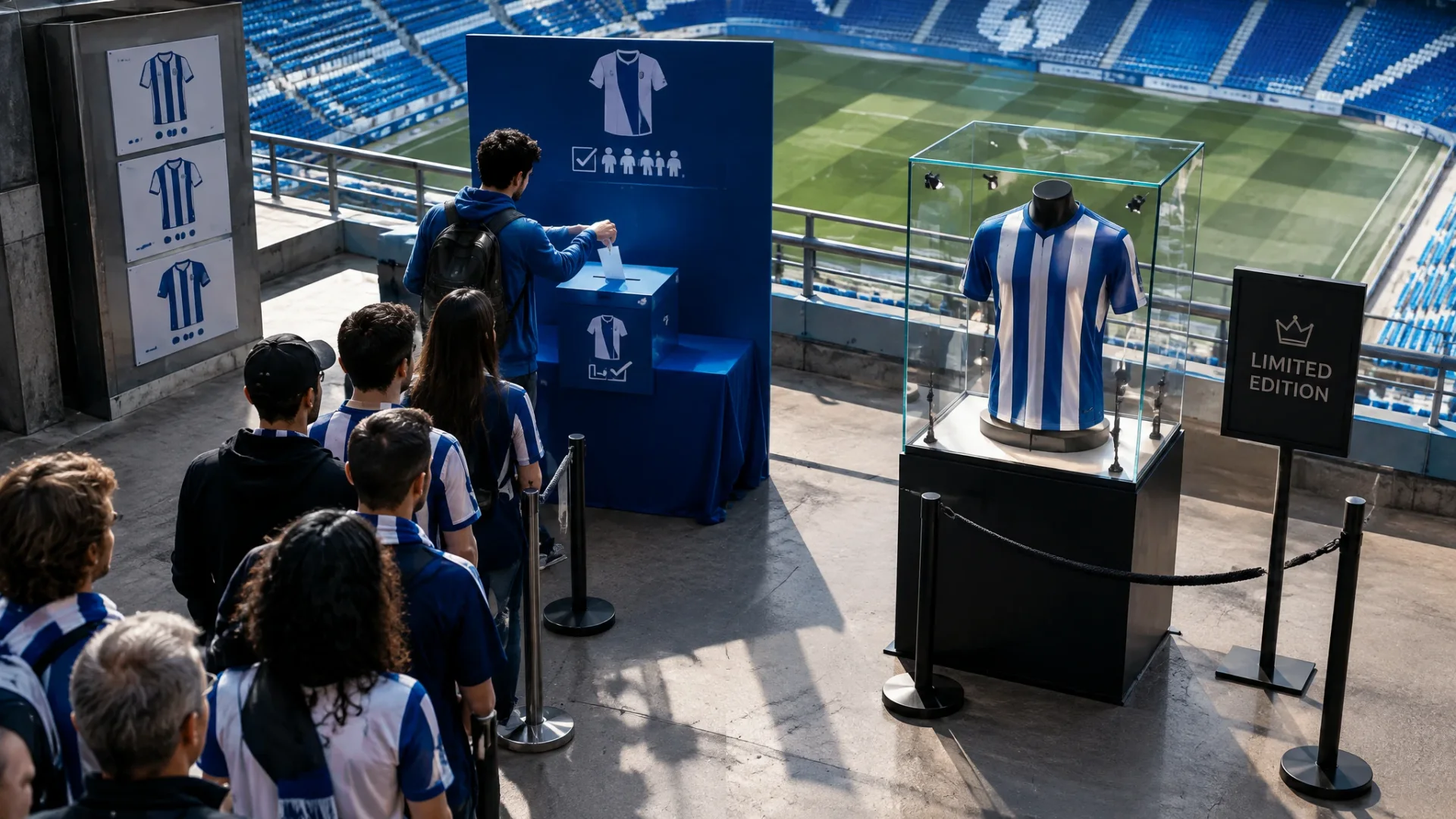
Espanyol’s shirt vote and the football-fashion economy of scarcity
Espanyol’s fan vote looks democratic. The bigger trend is still controlled rarity: clubs invite participation, brands keep the most desirable objects tightly managed.
 Basil ArtemoffTerraces, Marseille & style
 Opinion
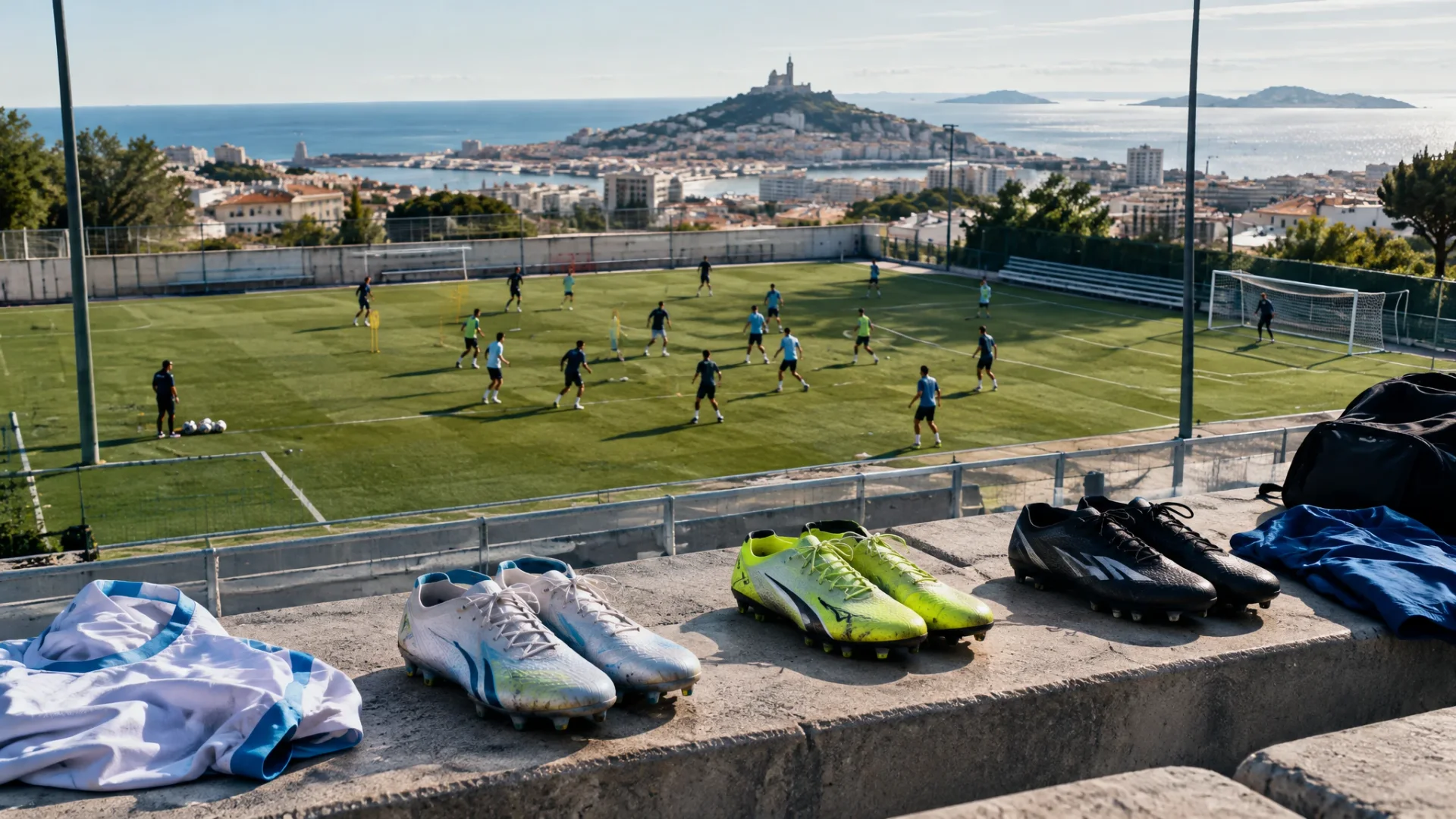
OM, PUMA and adidas boots: in Marseille, the shirt no longer runs the whole show
In Marseille, the shirt still matters. But the boots tell a different story: players now have far more autonomy than the club’s kit deal suggests.
Basil ArtemoffTerraces, Marseille & style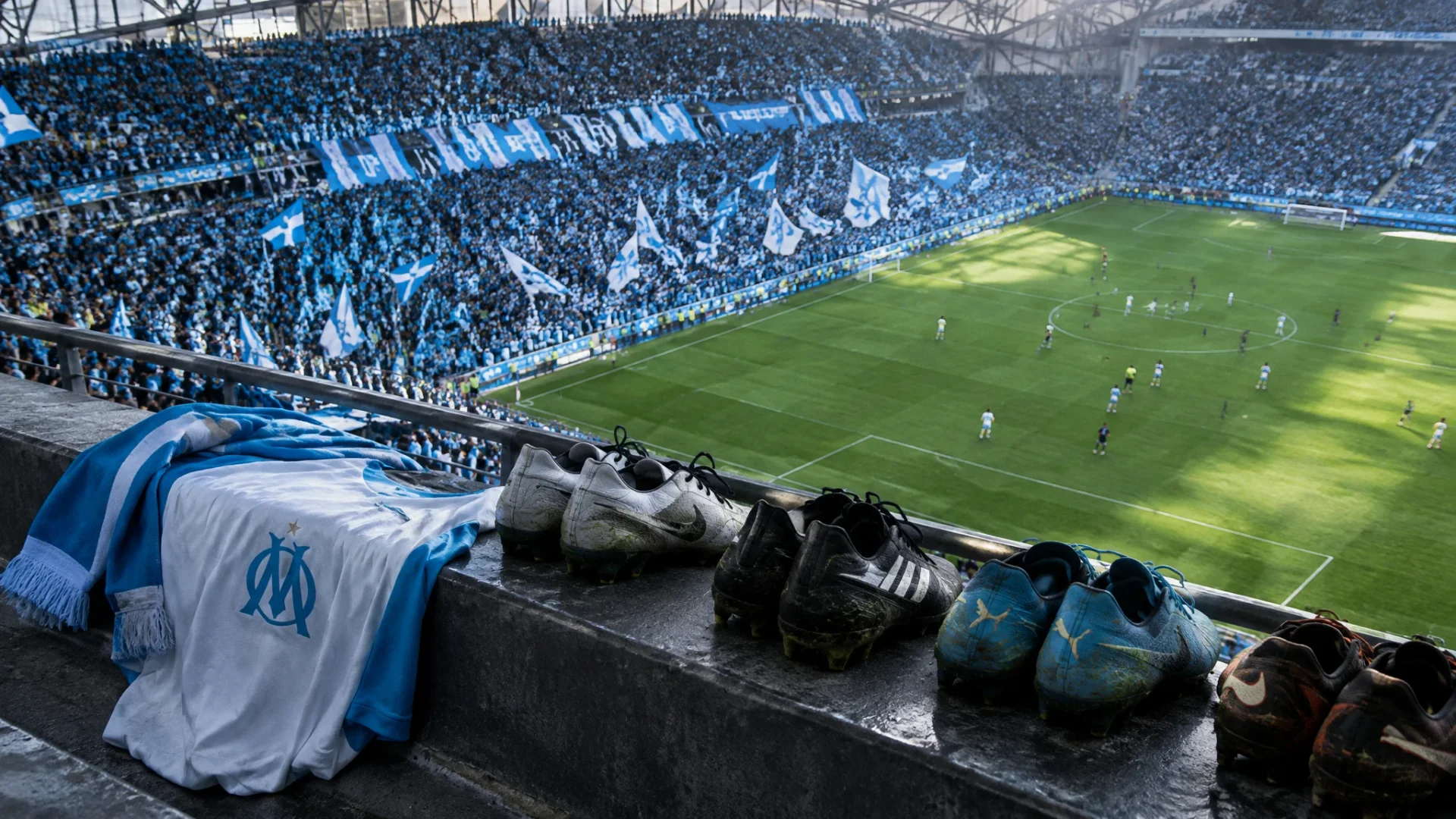 Opinion
OM in Ligue 1: the club brands the stands, not the boots
Why does Marseille still look unified in the curve, while the players’ feet tell a different story? Because the official image and the real dressing-room habits no longer match.
Basil ArtemoffTerraces, Marseille & style Opinion
Espanyol, Marseille, Footpack: shirts are becoming voted-on, market-tested culture pieces
When a club lets supporters choose a home shirt and a study shows boot choice already sits outside shirt sponsorship, who still controls club identity?
Basil ArtemoffTerraces, Marseille & style Opinion
OM, the Virages and the shirt: Marseille won’t let brands own the meaning
Why Marseille supporter culture still offers the clearest reading of the modern football shirt: clubs and brands package meaning in drops, while Marseille’s groups create it themselves through banners, chants and public space.
Basil ArtemoffTerraces, Marseille & style Opinion
OM and Adidas: why the comeback is a shirt, terrace and market reset
Why does Adidas’s return to Olympique de Marseille matter beyond the badge? Because it reconnects the club’s visual memory, terrace culture and shirt economy in one move.
Basil ArtemoffTerraces, Marseille & style