
Fortaleza, Manaus and FIFA: women’s football advances through boring but decisive infrastructure
Women’s football moves forward not through slogans but through free places, club staff, local tournaments and federations that keep girls in the game after the photo op.
The infrastructure that matters
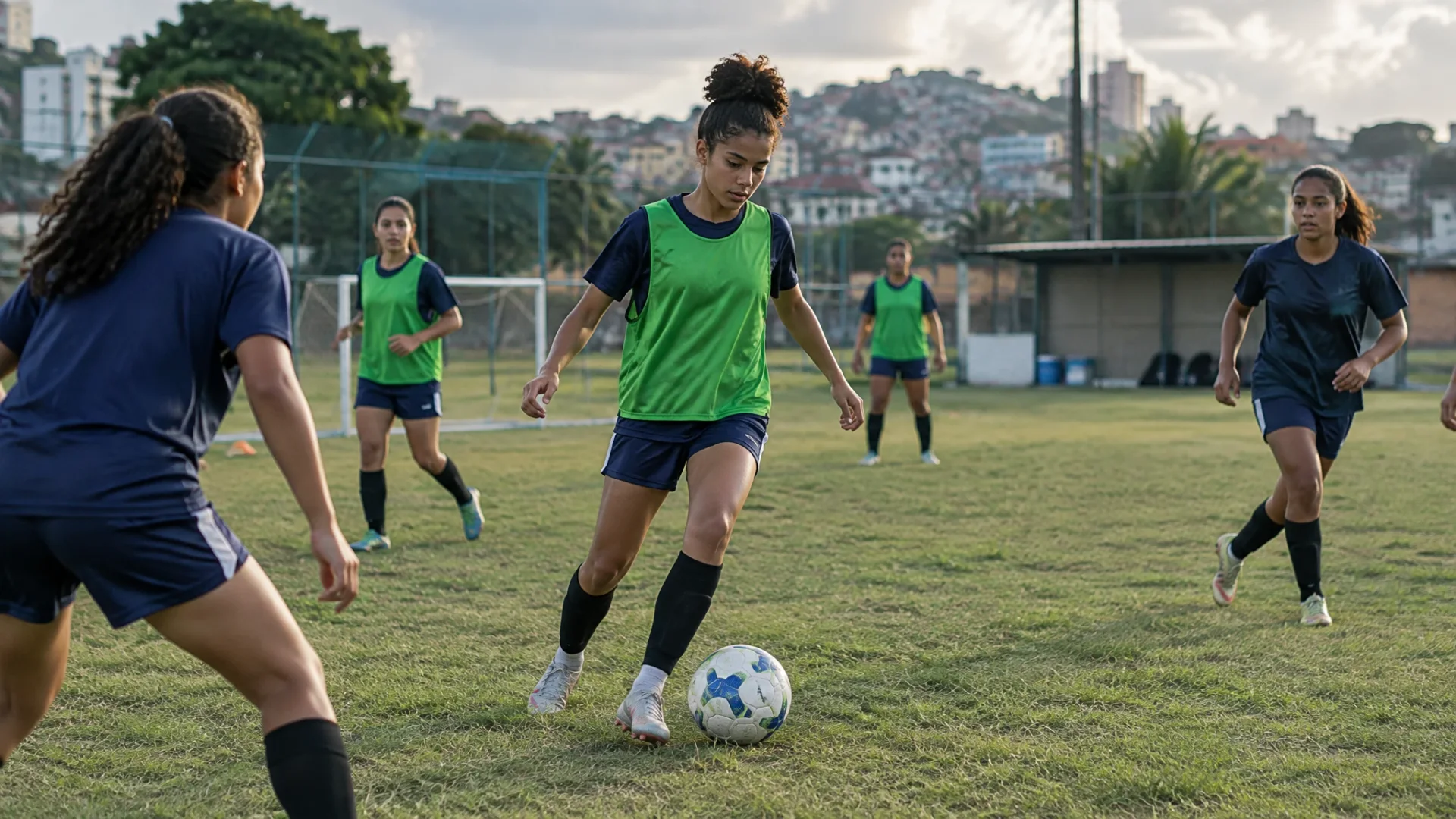
Women’s football is too often discussed as a story of visibility. In practice, what pushes it forward are unglamorous decisions: opening free places, running regular sessions, offering psychological and social support, and linking clubs to public schools. It is less photogenic than a campaign, but far more durable.
Fortaleza’s Leoas do Futuro project shows that logic in action. The club says it offers 160 free places for girls aged 6 to 17 who attend public schools, with football classes plus psychological and social-assistance support. The programme exists only through a private partnership and support from Brazil’s sports incentive law. That is exactly the kind of structure that should be judged by whether it lasts, not by the launch narrative around it.
Sources : [2] ge ↗
What a strategy is worth when it becomes a service
The same issue appears at a larger scale. FIFA says its October work on women’s football in Brazil involved the CBF, Arthur Elias and other stakeholders, with a meaningful promise: players at Brazil’s 2027 Women’s World Cup should receive the same service levels as male players at the 2026 World Cup. Again, the useful point is not heritage rhetoric, but the concrete alignment of resources.
I take that announcement seriously because it changes the frame. As long as we talk only about promotion, women’s football remains an image add-on. When we talk about logistics standards, federation backing and continuity of pathways, we finally get to what changes a player’s career. The test is simple: do these commitments survive the communications cycle, and are they visible in daily life for clubs and families?
Sources : [1] FIFA ↗
Access through the side door
The Amazonas case shows another version of the same principle. The state federation says 22 women undergoing cancer treatment will take part in the official team entrance at a women’s football festival linked to Outubro Rosa and the Barezinho Delas Under-15 competition. Yes, it is symbolic. But it also underlines that real inclusion comes from repeated, concrete opportunities, not from a one-off statement.
We should also be clear-eyed: the federation presents the action as a gesture of welcome and inclusion, but that social effect is the organiser’s intention, not a measured outcome. That is precisely where good journalism starts. We can welcome the idea without attributing to it more proof than it provides. Women’s football progresses when it accepts being ordinary: time slots, coaches, age groups, and links to health, school and neighbourhood life.
Sources : [3] ge ↗
The real sign of progress
The contrast between Fortaleza, Manaus and FIFA’s announcements is instructive. The language speaks of growth; the useful decisions speak of access. Free places, staff support, local competition, standardised services: these are the bricks that keep girls in the game after the spotlight fades. Without them, the momentum disappears as soon as the cameras leave.
My view is straightforward: women’s football advances when it stops being treated as an event and starts being built like a sporting public service, even when private partners are involved. There is nothing heroic about that. That is exactly why it matters. Durable progress is rarely spectacular; it is organisational, repetitive and, at last, measurable.
Sources : [1] FIFA ↗[2] ge ↗[3] ge ↗
Read next
 Opinion
FIFA, Argentina and Brazil: women’s football is now a pathway problem
FIFA’s latest women’s-football roundup points to the real bottleneck: campaigns and tournaments only matter if federations turn them into durable routes into the game.
 Inès ValençaLatin America & world football
 Opinion
Libertadores Femenina: Brazil has already won the competition before kickoff
Corinthians v Cruzeiro guarantees Brazil a 15th continental title in 18 editions. The real question is no longer who lifts the trophy, but why the gap remains so wide.
Inès ValençaLatin America & world football Opinion
Platense, AFA’s U-12 girls’ tournament and the real question: can Argentina build a lasting pathway?
Argentina is starting to build its women’s pipeline from both ends: a visible U-17 team abroad and a first official U-12 girls’ tournament at home. The point is not celebration, but continuity.
Inès ValençaLatin America & world football Opinion
Inter de Limeira and the first real SAF decision: invest in the pitch first
The real test of a SAF is not a photo with famous names. It is where the money goes first, and at Limeira the opening move says a lot about governance.
Inès ValençaLatin America & world football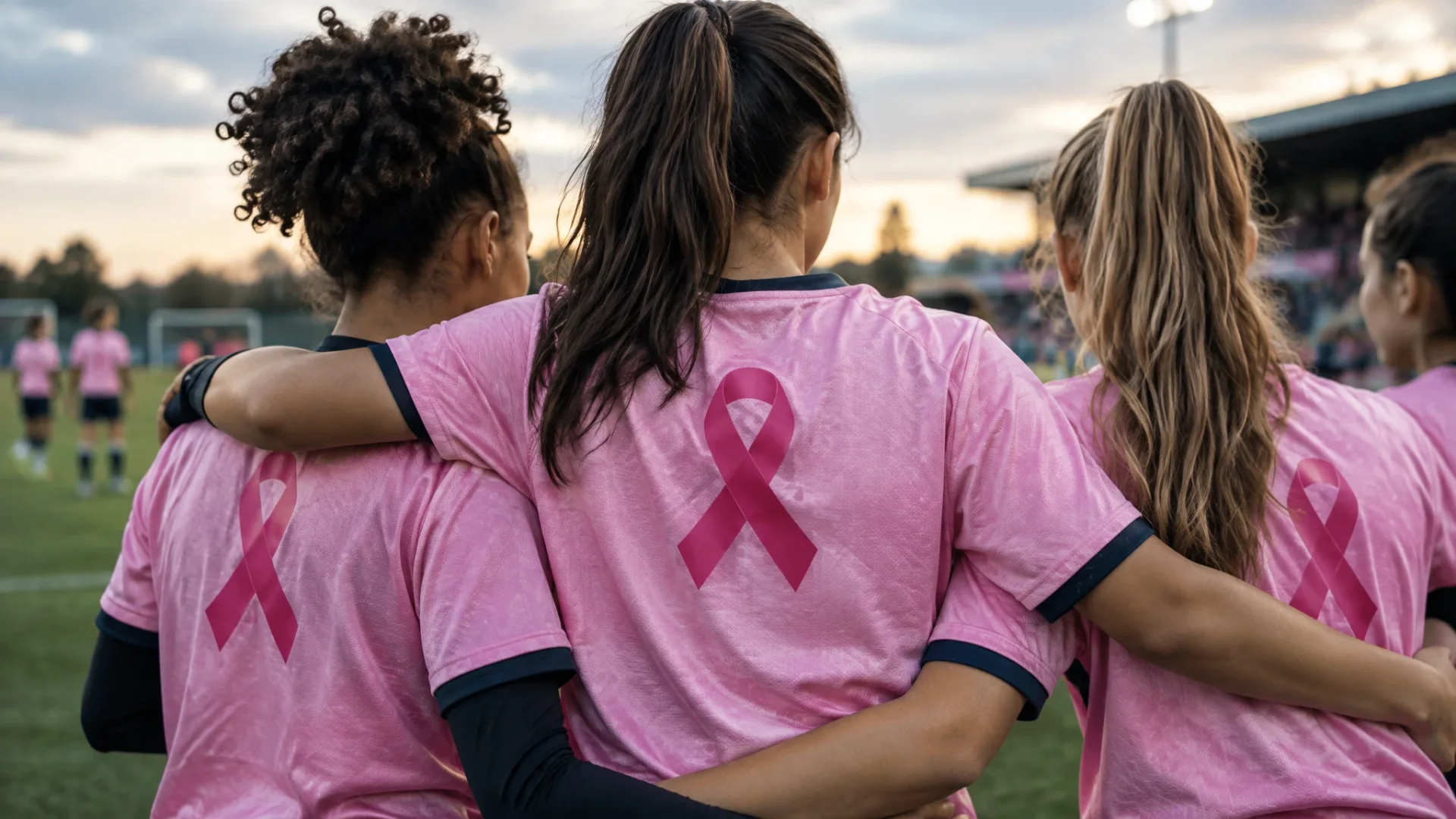 Opinion
PSG and Les Marseillaises: when the shirt becomes a public instrument
PSG and Marseille are no longer just dressing a team: they are using the shirt as a civic, charitable and identity-making object. The real question is simple: who now controls the symbol — the club, the sponsor or the cause?
 Étienne MorelThe football, the clubs, the decisions
 Opinion
Platense, the final and the real governance test
The Copa Argentina final is not just a shock run: it asks whether Platense can turn knockout survival into institutional progress and a continental pathway.
Inès ValençaLatin America & world football