
FIFA, Argentina and Brazil: women’s football is now a pathway problem
FIFA’s latest women’s-football roundup points to the real bottleneck: campaigns and tournaments only matter if federations turn them into durable routes into the game.
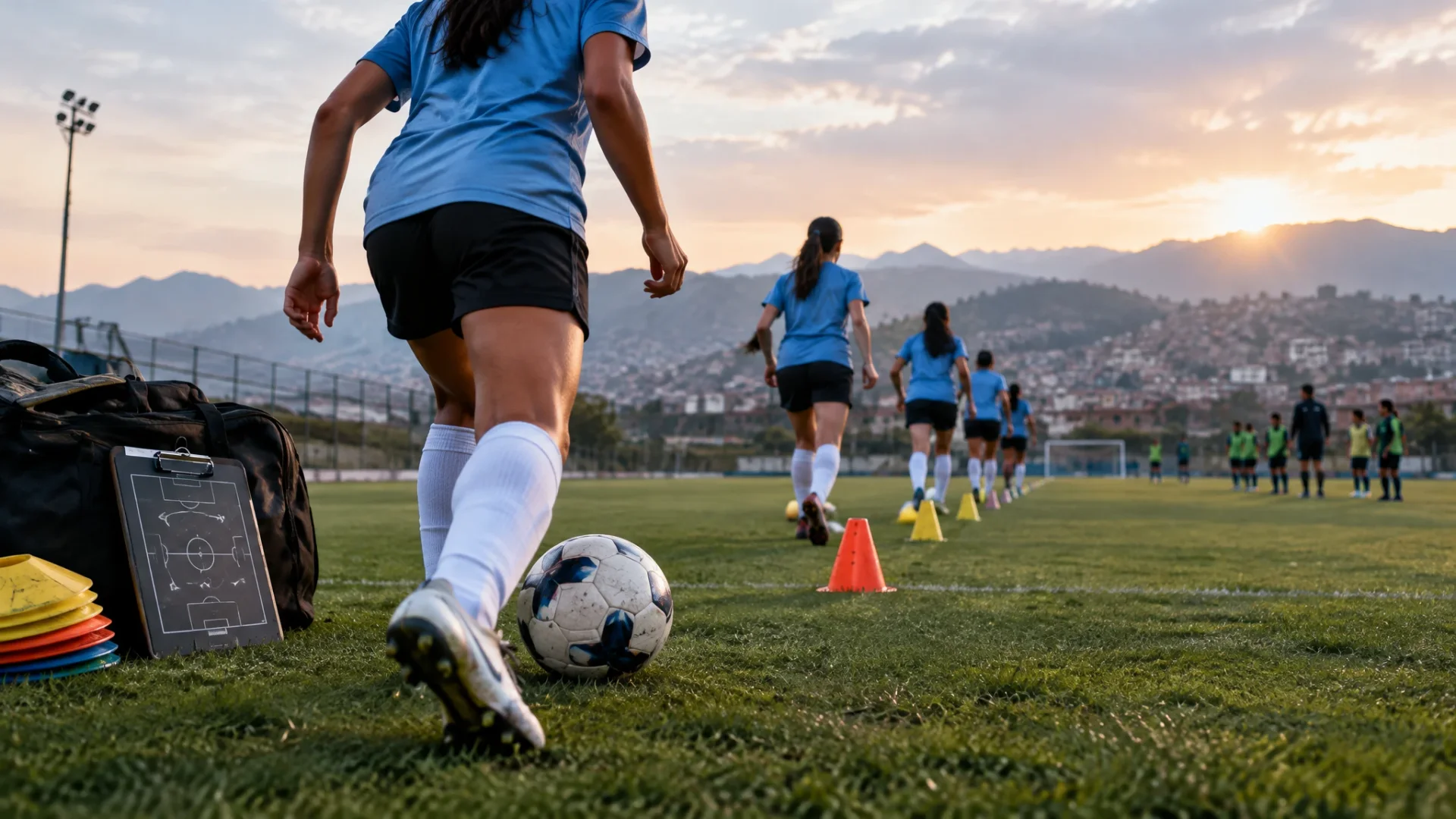
Visibility is no longer the main obstacle
FIFA’s October 2026 women’s-football roundup makes a useful admission: the aim is not just to talk about the women’s game, but to reach 60 million female players by 2027. In that picture, Latin America is not a side note. FIFA highlights activity in Bolivia, Uruguay, Guatemala and Brazil, alongside a boost linked to the 2027 FIFA Women’s World Cup in Brazil. [1]
That matters because it puts the issue in the right place. Visibility has improved. What still fails too often is the pathway: the handover from one-off events to stable calendars, from introductory workshops to clubs that can actually keep girls in the game. Football policy should be judged there, not by the number of announcements alone.
Sources : [1] FIFA ↗
Bolivia and Guatemala show the continuity test
In Bolivia, FIFA says its latest Women’s Football Campaign reached more than 60 girls in Santa Cruz, with four festivals planned across different regions. In Guatemala, FIFA says a U-15 girls’ youth tournament will run from September to December 2026, with 12 clubs and 360 players. Those are not huge numbers, but they reveal the real divide: an event can open a door, a tournament can create rhythm, yet neither guarantees what comes next. [1]
This is where federations are accountable. If these formats exist only to create a photo opportunity or a clean press line, they will fade quickly. If they are tied to clubs, player follow-up and regular competition, then they begin to become infrastructure. South American women’s football does not need a rescue narrative. It needs systems that last.
Sources : [1] FIFA ↗
Brazil-Argentina only matters if it leads somewhere
Argentina’s away friendly series against Brazil in Recife points in the right direction, at least on paper. The AFA says the matches are part of preparation for next year’s World Cup, with the second game scheduled for 13 October 2026 at Arena Pernambuco. The interesting question is not the prestige of the fixture; it is what the fixture is used for. [2]
My view is straightforward: these matches matter only if they sit inside a continuum linking the senior team, clubs and youth categories. Otherwise, they add visibility to a system that still needs deeper work. The Brazil-Argentina axis can set a regional standard, but its real value will be measured in whether federations can turn campaigns, tournaments and friendlies into durable, trackable and accessible pathways. That is now the real bottleneck in women’s football across the region.
Sources : [2] AFA ↗
Read next
 Opinion
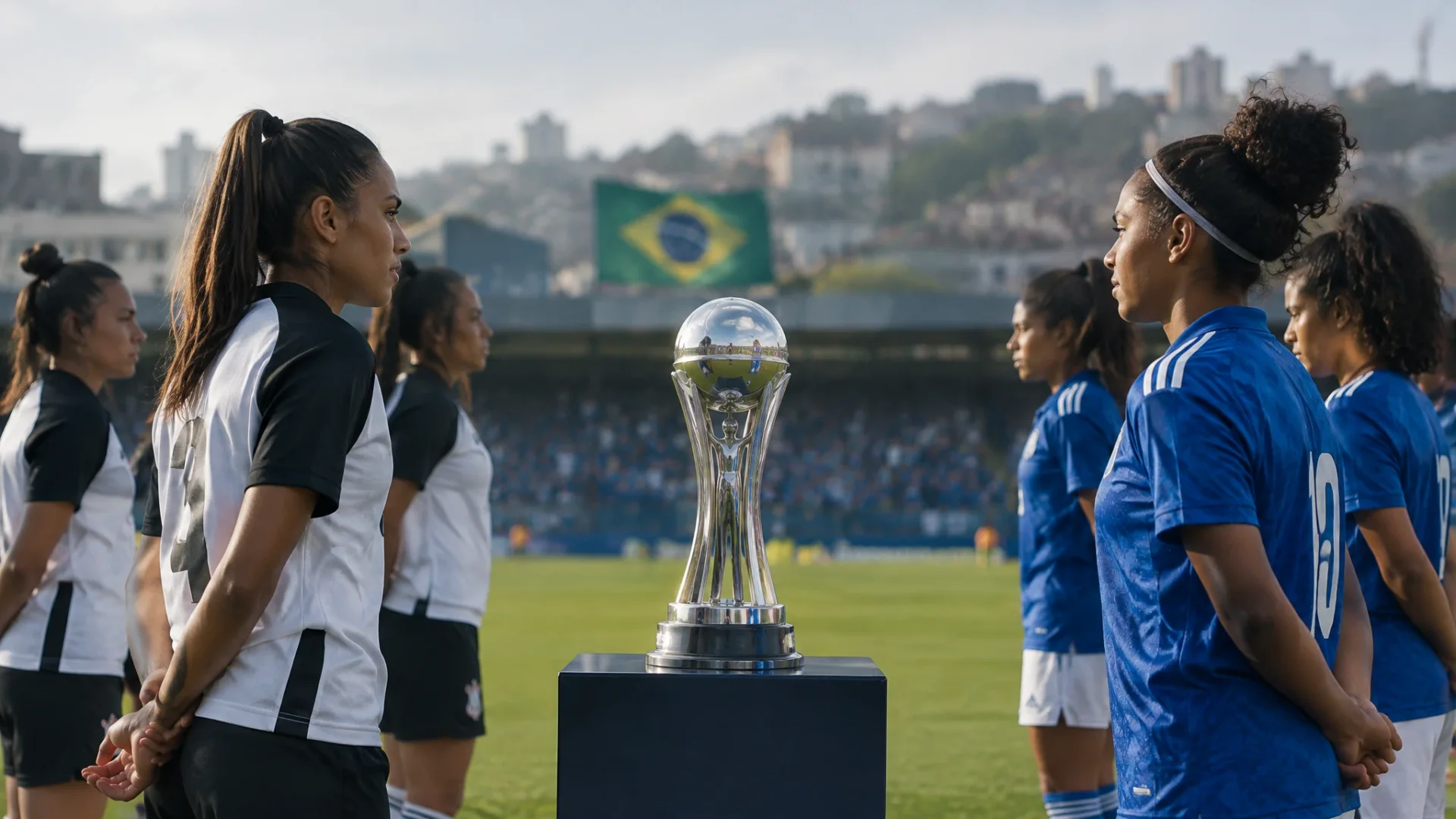
Libertadores Femenina: Brazil has already won the competition before kickoff
Corinthians v Cruzeiro guarantees Brazil a 15th continental title in 18 editions. The real question is no longer who lifts the trophy, but why the gap remains so wide.
 Inès ValençaLatin America & world football
 Opinion
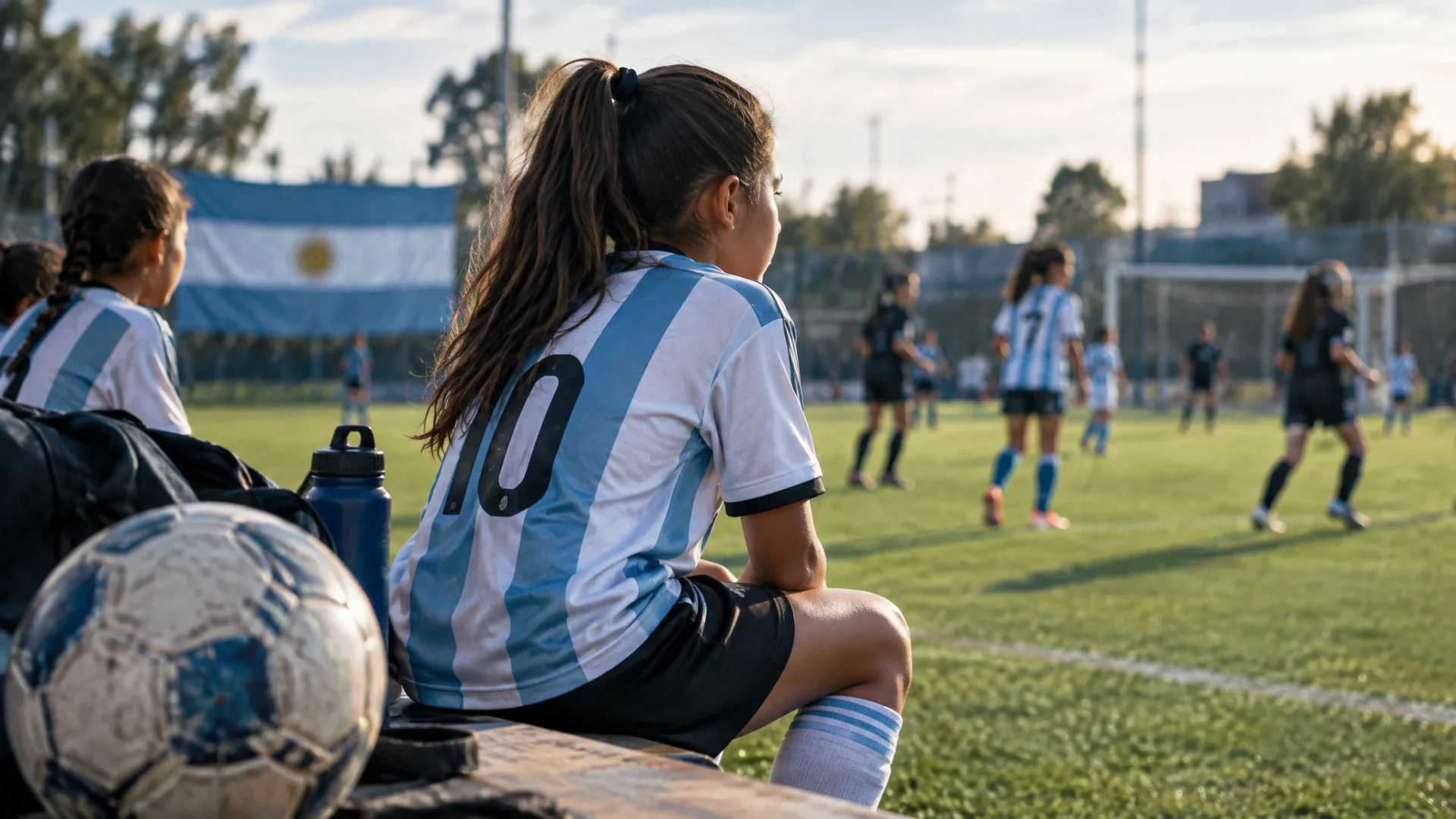
Platense, AFA’s U-12 girls’ tournament and the real question: can Argentina build a lasting pathway?
Argentina is starting to build its women’s pipeline from both ends: a visible U-17 team abroad and a first official U-12 girls’ tournament at home. The point is not celebration, but continuity.
Inès ValençaLatin America & world football Opinion
Platense, the final and the real governance test
The Copa Argentina final is not just a shock run: it asks whether Platense can turn knockout survival into institutional progress and a continental pathway.
Inès ValençaLatin America & world football Opinion
Inter de Limeira and the first real SAF decision: invest in the pitch first
The real test of a SAF is not a photo with famous names. It is where the money goes first, and at Limeira the opening move says a lot about governance.
Inès ValençaLatin America & world football Opinion
San Lorenzo is suing itself through its former president
Why does San Lorenzo’s crisis go beyond a balance sheet? Because a former president is now demanding $270,000 from the club while the current board says it still needs about $700,000 just to unlock sporting operations.
Inès ValençaLatin America & world football Opinion
In Baku, FIFA’s new U-15 World Cup asks the right question: does more football actually mean better development?
FIFA’s first U-15 World Cup & Festival gives more federations repeated, competitive games. The real test is not the event’s scale in Baku, but what players take away from it.
Inès ValençaLatin America & world football