
Platense, the final and the real governance test
The Copa Argentina final is not just a shock run: it asks whether Platense can turn knockout survival into institutional progress and a continental pathway.
A match won, an open question
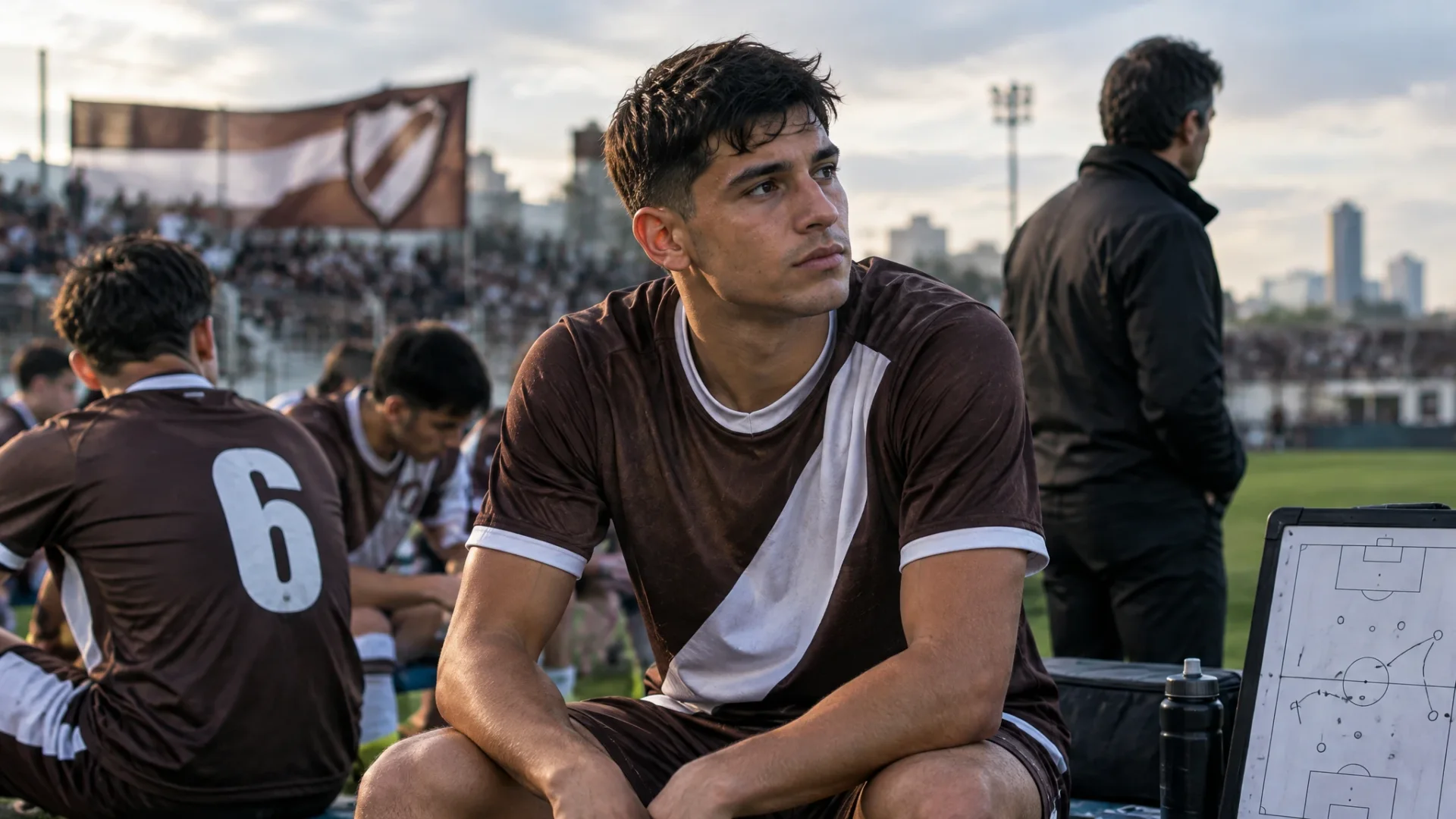
Platense became the first finalist of the 2026 Copa Argentina after beating Atlético Tucumán on penalties in Salta. The result matters, but it is not the whole story. This club has crossed this stage for the first time in this edition, and now it stands one step away from a final that carries more weight than a trophy alone. The official and press reports agree on the essentials: 1-1 after 90 minutes, 5-4 in the shootout, with Juan Pablo Cozzani saving a penalty and Guido Mainero striking the decisive kick. [1][2]
These nights are usually wrapped in easy underdog language. That is not the most useful reading. Platense has earned a more serious test: can it show that a cup run also reflects decision-making, squad protection and emotional control under pressure? That is where the real value of this final lies. [2]
Sources : [1] AFA ↗[2] TyC Sports ↗
From one-off surprise to actual project
TyC Sports notes that the Copa Argentina winner qualifies for the Copa Libertadores, and that Platense could still reach the 2027 Libertadores even if it loses the final, depending on how the rest of the Argentine season shakes out. So this is no longer just a “nice run”: it is a concrete chance to convert knockout momentum into a continental route. [3]
But that opening should not be mistaken for automatic progress. A continental place only matters if the club uses it to strengthen its routines: sharper recruitment, a clearer squad hierarchy, continuity in the staff, and budgeting that is less reactive. A cup run creates visibility; it does not guarantee structure. If Platense treats this window as a symbolic bonus, it will waste it. [3]
Sources : [3] TyC Sports ↗
What a cup run really reveals
Platense’s interest does not lie in a romantic tale of the smaller club. It lies in what a knockout competition exposes about a club’s habits. A good run can raise a squad’s profile, but the deeper question is whether it improves how the club works: how it prepares matches, manages pressure, protects key players and turns a strong stretch into a platform rather than a spike. [1][2]
The final is therefore a governance test. If Platense only chases the short-term result, it risks sliding back into the instability that catches so many smaller clubs. If it uses this campaign to stabilise its choices and sharpen its sporting direction, then the cup will have done something more valuable than delivering one night of celebration: it will have given the club a tool for growth. [1][3]
A clear verdict
Platense should approach this final as an institutional opportunity, not as a sentimental detour. In Argentine football, a cup run only really matters if it changes how a club thinks beyond the scoreline and the shootout. [2][3]
Sources : [2] TyC Sports ↗[3] TyC Sports ↗
Read next
 Opinion
Platense, AFA’s U-12 girls’ tournament and the real question: can Argentina build a lasting pathway?
Argentina is starting to build its women’s pipeline from both ends: a visible U-17 team abroad and a first official U-12 girls’ tournament at home. The point is not celebration, but continuity.
 Inès ValençaLatin America & world football
 Opinion
San Lorenzo is suing itself through its former president
Why does San Lorenzo’s crisis go beyond a balance sheet? Because a former president is now demanding $270,000 from the club while the current board says it still needs about $700,000 just to unlock sporting operations.
Inès ValençaLatin America & world football Opinion
In Baku, FIFA’s new U-15 World Cup asks the right question: does more football actually mean better development?
FIFA’s first U-15 World Cup & Festival gives more federations repeated, competitive games. The real test is not the event’s scale in Baku, but what players take away from it.
Inès ValençaLatin America & world football Opinion
Inter de Limeira and the first real SAF decision: invest in the pitch first
The real test of a SAF is not a photo with famous names. It is where the money goes first, and at Limeira the opening move says a lot about governance.
Inès ValençaLatin America & world football Opinion
Borussia Dortmund’s Fan Mode asks a better question than bans: can rewards protect stadium atmosphere?
Dortmund is testing whether less phone use can be encouraged, not imposed. That matters because the club is trying to defend matchday feeling without turning supporters into content machines.
Inès ValençaLatin America & world football