
Libertadores Femenina: Brazil has already won the competition before kickoff
Corinthians v Cruzeiro guarantees Brazil a 15th continental title in 18 editions. The real question is no longer who lifts the trophy, but why the gap remains so wide.
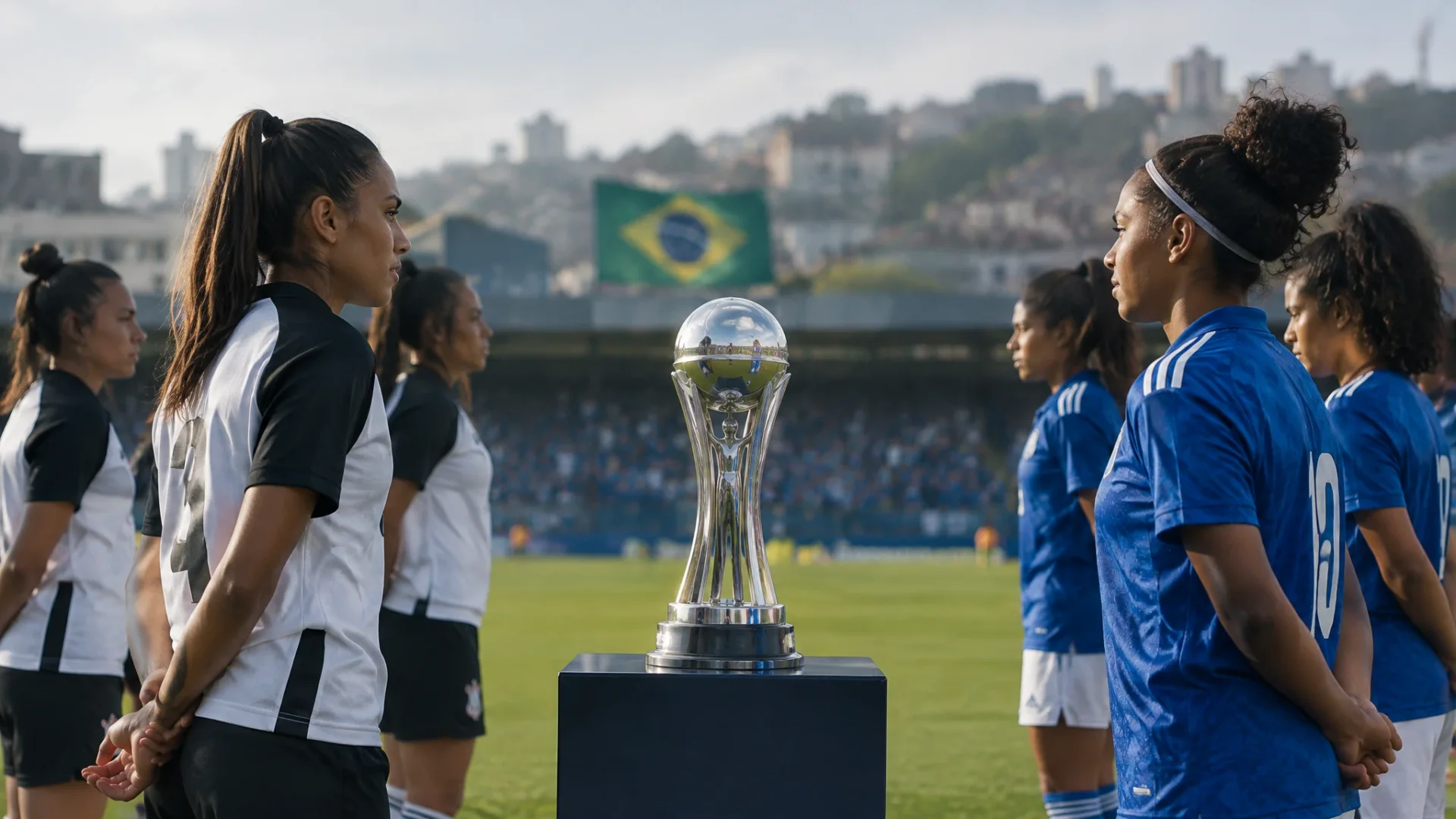
A final that fixes the picture
The final between Corinthians and Cruzeiro will do more than decide a winner; it will lock in a wider reality. Whatever happens in Quito, Brazil will add a 15th Libertadores Femenina title. At this point, this is no longer a favourable run or a brief spell of strength. It is a durable structure of dominance.
The important detail is that this is not a loose claim about Brazilian power. The verified facts are exact: 15 Brazilian titles in 18 editions, a final that is entirely Brazilian, and Corinthians arriving with six trophies already, including the 2025 edition. In a tournament meant to map the continent’s hierarchy, the final mainly shows how concentrated that hierarchy has become.
Sources : [1] ge ↗[2] FIFA ↗
The problem is bigger than Corinthians
Corinthians best embodies that reality because it has turned consistency into a standard. Six titles are more than a decorated record; they show that one club has built continuity, a method and a winning culture that rivals have not matched. But stopping there would be too easy. The real issue is collective: if Brazil fields three 2026 entrants — Corinthians, Cruzeiro and Palmeiras — and two of them reach the final, then the gap is deeper than one outstanding club.
Cruzeiro deserves to be treated seriously, not patronised. It is reaching its first final, and that matters in a competition where simply getting to the last match is already a barrier. But this is not some romantic upset story. It points to something else: Brazil does not depend on one giant alone. It can also generate challengers capable of walking straight into the final act.
Sources : [1] ge ↗[2] FIFA ↗
What the tournament says about the continent
The Libertadores Femenina ought to be read as a measure of continental development. Yet the 2026 edition mainly shows concentration: of resources, of structure, of competitive capacity. FIFA notes that the tournament features 16 clubs from ten nations, but that diversity of entry does not become diversity of power. The winner will earn a place in the FIFA Women’s Champions Cup 2027, but an international berth does not solve the imbalance that exists before the ball is kicked.
That is why the reading must stay honest. Brazilian dominance is not a lucky coincidence or a one-off moment. It shows that, in this competition, the continent still has a heavy centre of gravity. The tournament therefore reveals as much about Brazil’s strength as it does about the weakness of the chase behind it. And as long as the final looks like this, the debate should not stop at the trophy. It should move to the conditions that make true competitiveness possible.
Sources : [2] FIFA ↗[1] ge ↗
Why fans should care
For supporters, this final matters because it is not just one match between two clubs. It is a stress test for the health of women’s football in South America. If Brazil wins again, that should not be filed away as random good fortune. It should be understood as evidence of a system that keeps producing finalists and champions with a consistency the rest of the continent has not yet found.
That is why this final should be read as a signal, not a novelty. Brazil no longer merely leads the Libertadores Femenina; it sets the ceiling. The useful question is not whether that dominance is impressive. It is who, outside Brazil, will build a credible sporting answer to it.
Sources : [1] ge ↗[2] FIFA ↗
Read next
 Opinion
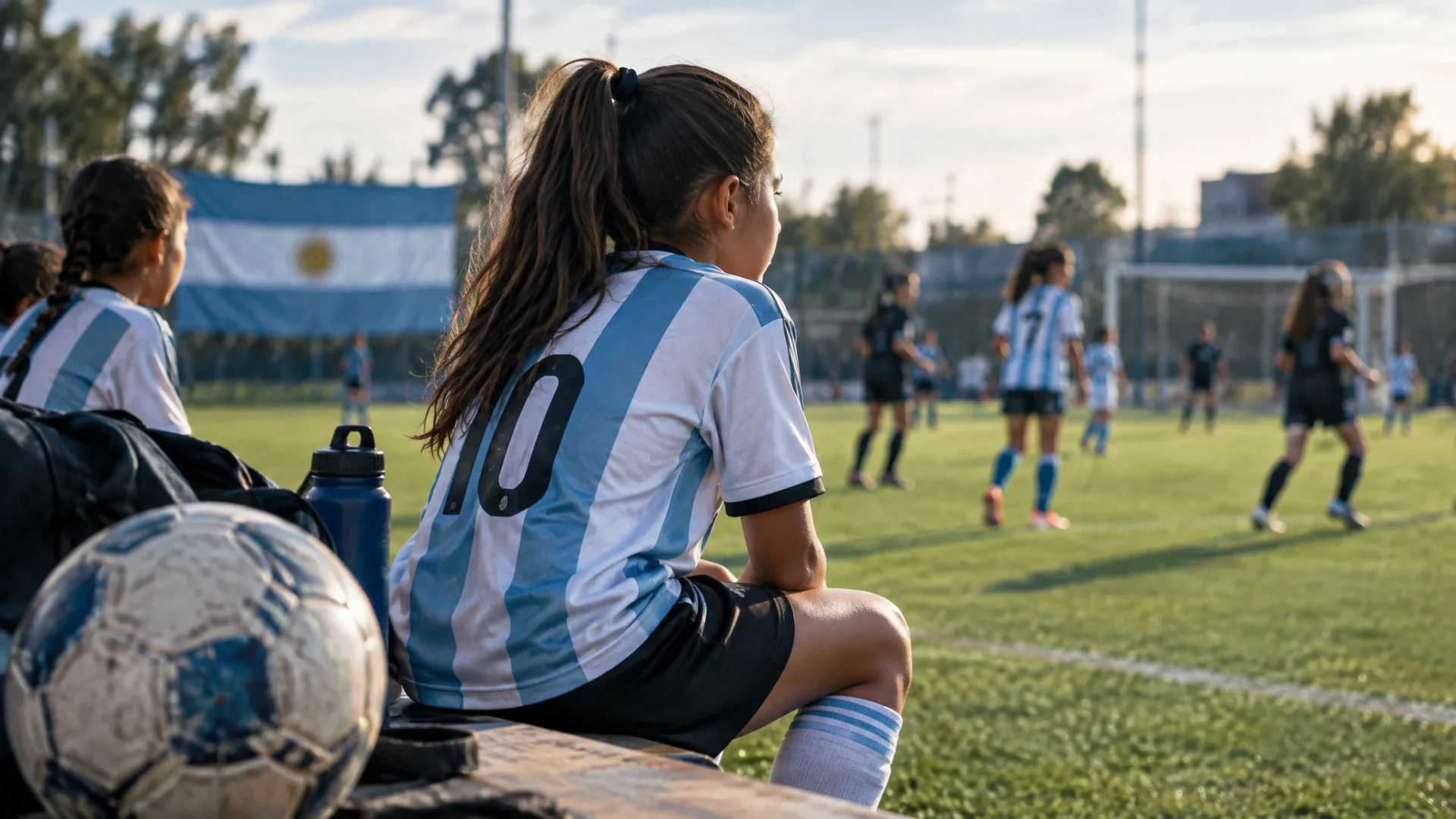
Platense, AFA’s U-12 girls’ tournament and the real question: can Argentina build a lasting pathway?
Argentina is starting to build its women’s pipeline from both ends: a visible U-17 team abroad and a first official U-12 girls’ tournament at home. The point is not celebration, but continuity.
 Inès ValençaLatin America & world football
 Opinion
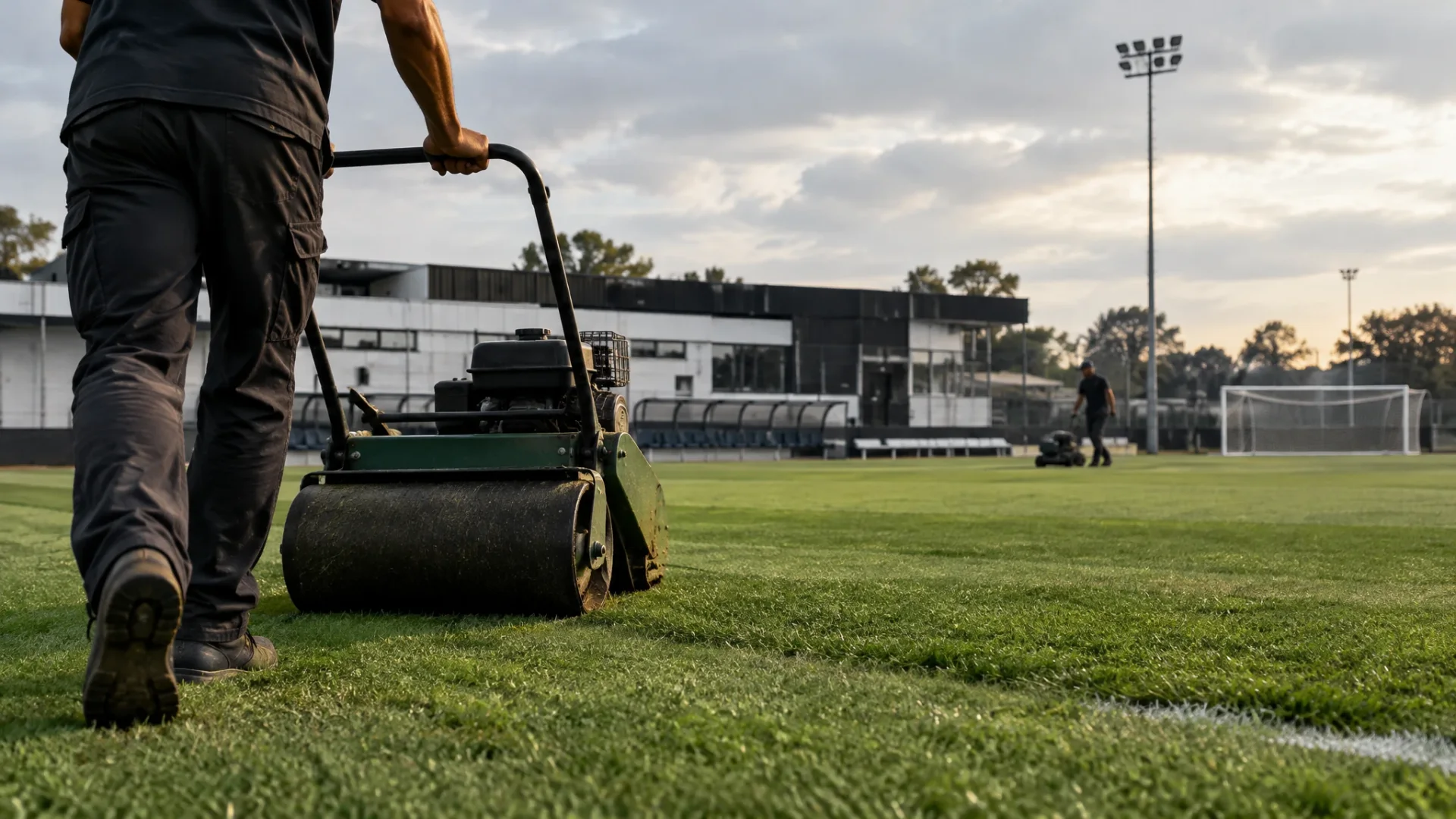
Inter de Limeira and the first real SAF decision: invest in the pitch first
The real test of a SAF is not a photo with famous names. It is where the money goes first, and at Limeira the opening move says a lot about governance.
Inès ValençaLatin America & world football Opinion
PSG and Les Marseillaises: when the shirt becomes a public instrument
PSG and Marseille are no longer just dressing a team: they are using the shirt as a civic, charitable and identity-making object. The real question is simple: who now controls the symbol — the club, the sponsor or the cause?
 Étienne MorelThe football, the clubs, the decisions
 Opinion
Platense, the final and the real governance test
The Copa Argentina final is not just a shock run: it asks whether Platense can turn knockout survival into institutional progress and a continental pathway.
Inès ValençaLatin America & world football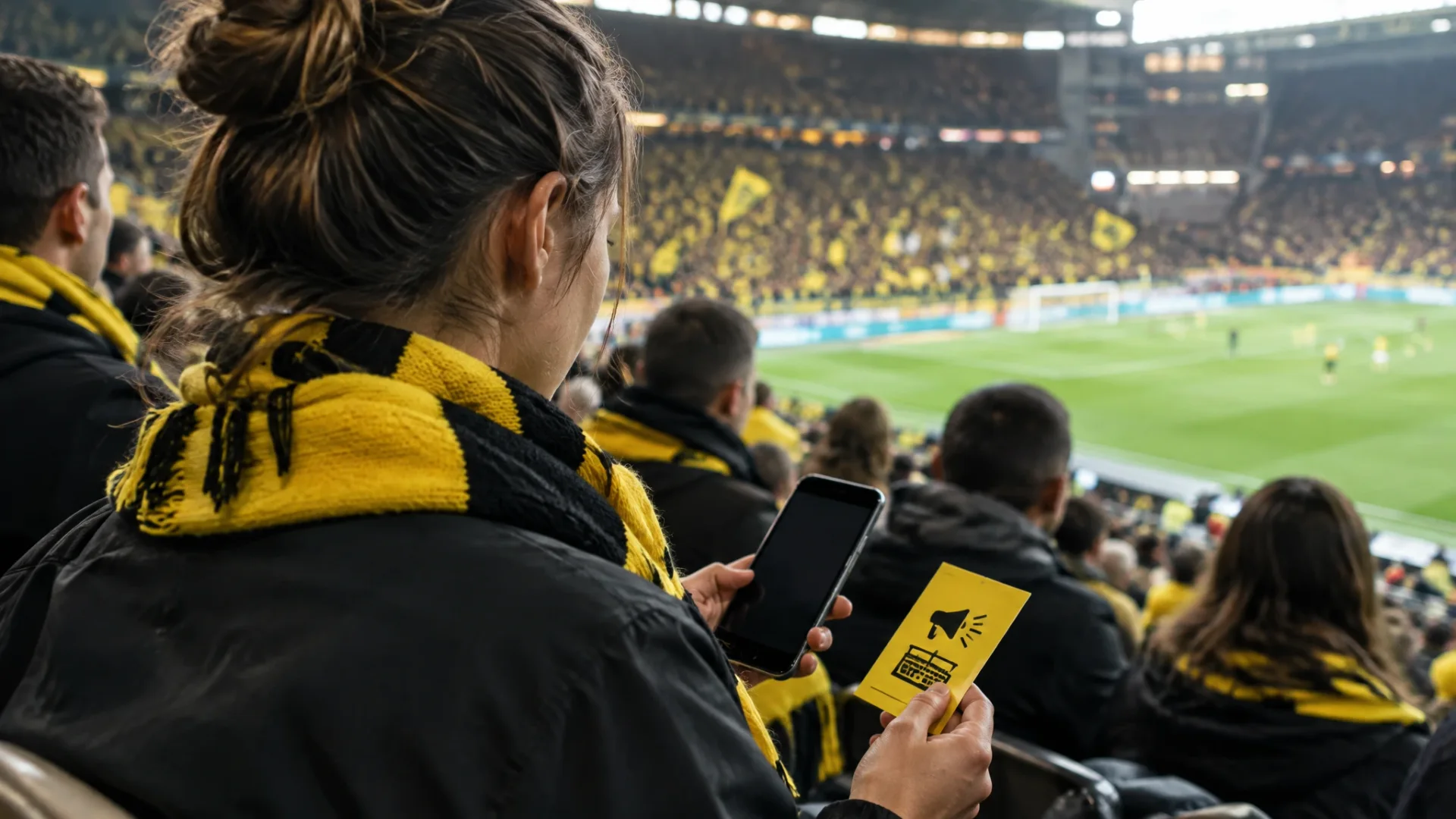 Opinion
Borussia Dortmund’s Fan Mode asks a better question than bans: can rewards protect stadium atmosphere?
Dortmund is testing whether less phone use can be encouraged, not imposed. That matters because the club is trying to defend matchday feeling without turning supporters into content machines.
Inès ValençaLatin America & world football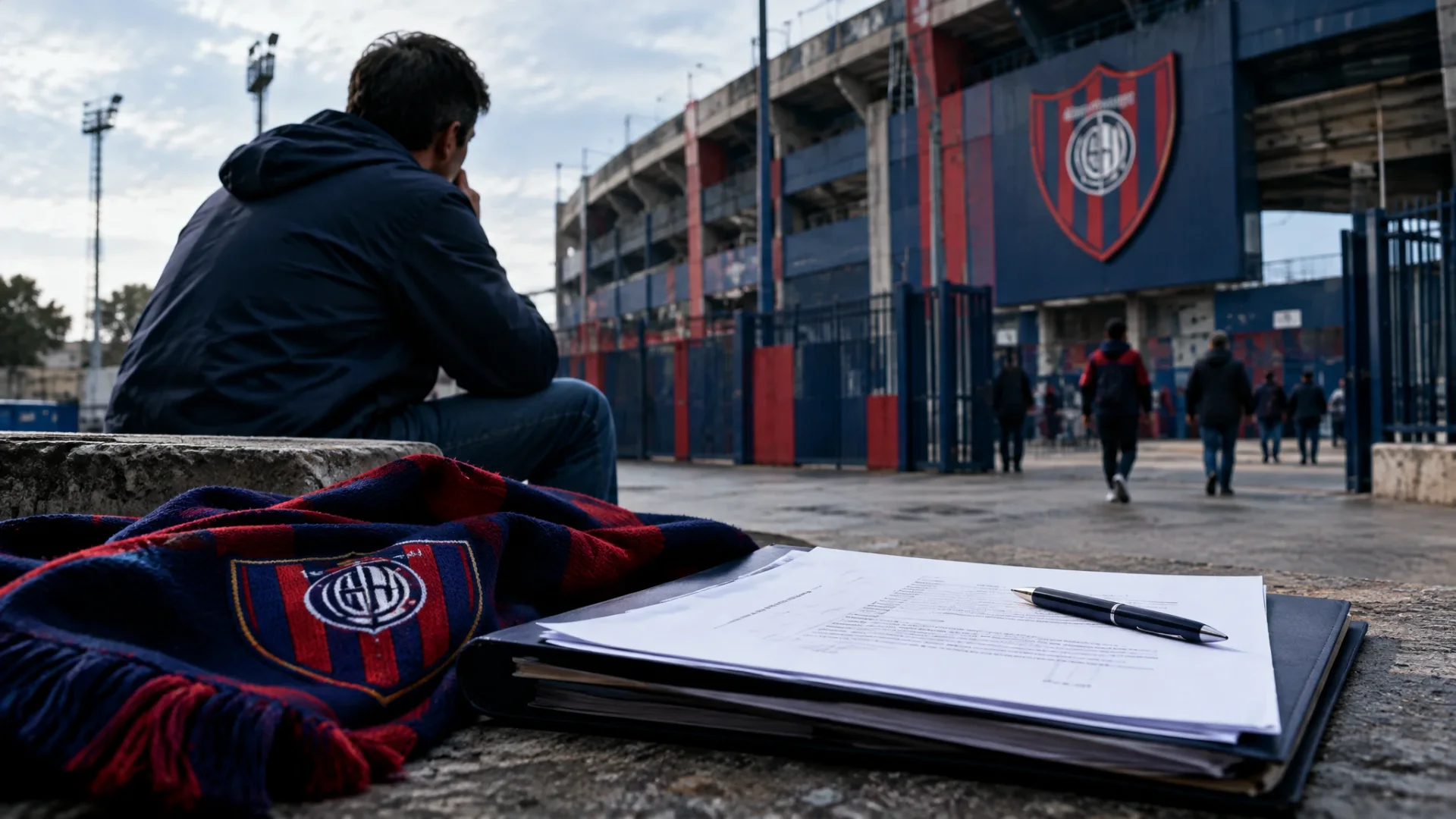 Opinion
San Lorenzo is suing itself through its former president
Why does San Lorenzo’s crisis go beyond a balance sheet? Because a former president is now demanding $270,000 from the club while the current board says it still needs about $700,000 just to unlock sporting operations.
Inès ValençaLatin America & world football