
Inter de Limeira and the first real SAF decision: invest in the pitch first
The real test of a SAF is not a photo with famous names. It is where the money goes first, and at Limeira the opening move says a lot about governance.
The test starts underfoot
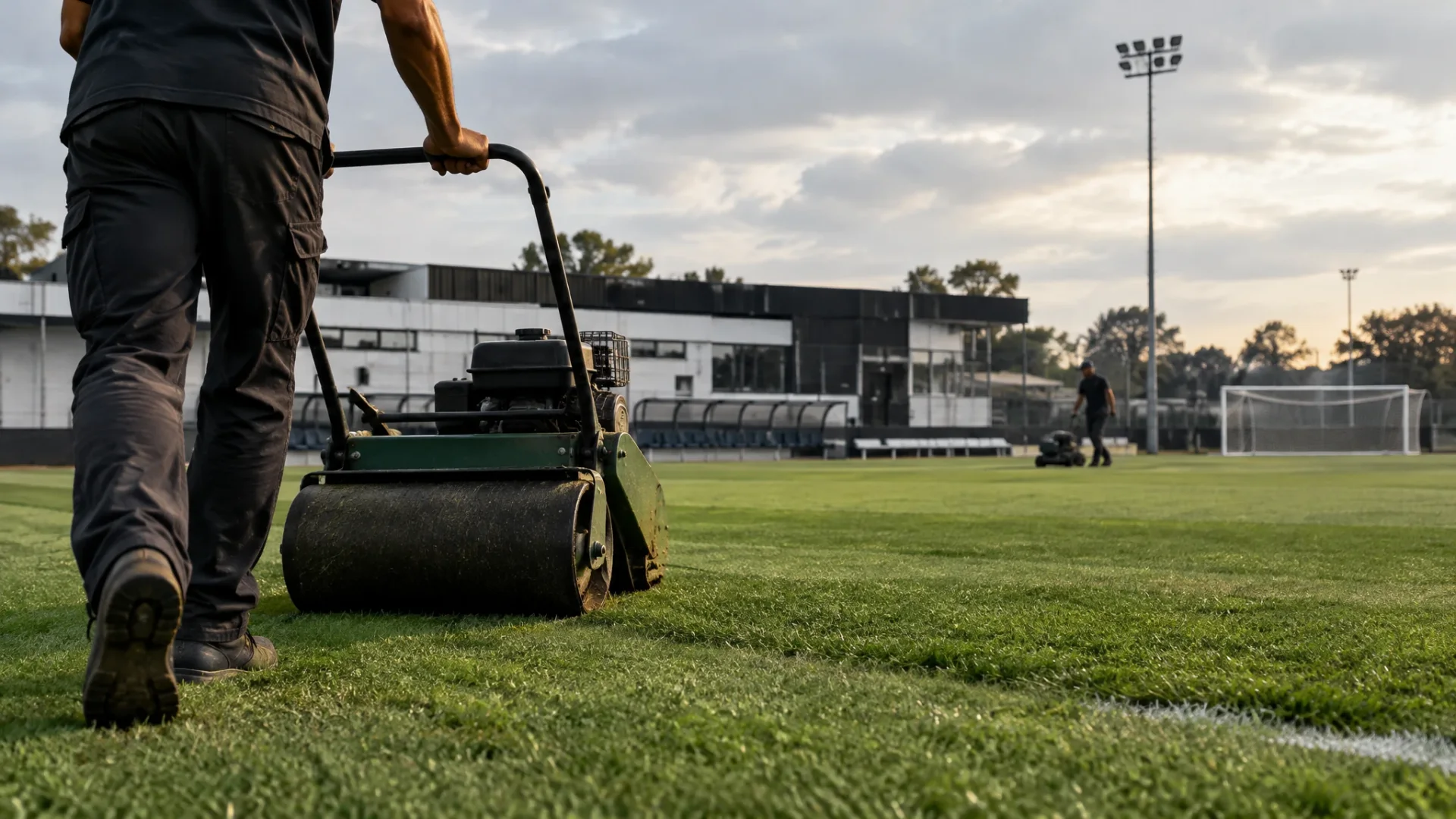
Inter de Limeira began modernising its training centre on 27 October. The club says the project will cost about R$4 million and includes a new pitch plus a building with changing rooms, a gym, physiotherapy, a dining room and offices. The target is to finish this phase by the end of 2026, or at the latest by mid-January 2027, though rain could delay it. [1]
That may sound like a routine construction story, but it is the opposite of cosmetic. In Brazilian football, many ownership projects begin with branding and end in vague promises. Here, the first spending is not prestige, but the basics that shape a team’s working week. That is where you can tell the difference between investors selling a future and investors organising one. [1]
Sources : [1] ge ↗
What a useful SAF promise looks like
The investment agreement signed on 19 October points to more than R$450 million over ten years. The SAF was not yet formally completed then, but the document already sets out the ownership split: 80% for the investor group and 20% for the association. It also places priority on the professional team, youth development, the training centre and the stadium. [2]
That ordering makes sense to me, provided it remains real and not rhetorical. In a SAF, governance should not be judged only by boardroom optics or celebrity names. It should be judged by concrete decisions: where the club works, how it recovers, what daily conditions are offered to players and staff. If those decisions are serious, the model becomes a tool rather than a slogan. [2]
Sources : [2] ge ↗
What supporters should watch
The question is not whether familiar names make the project easier to market. The question is whether the new structure improves the club’s daily routine: a playable pitch, functional dressing rooms, proper conditioning spaces, organised medical care, and offices that actually support sporting work. Those are not small details. They determine the quality of the week, and often the quality of the football. [1][2]
That is why this first move matters. A governance reform only deserves trust if it changes the club’s working life before it changes its mythology. At Limeira, the first investment points in the right direction. The real audit now is whether that practical logic remains central once the early symbolism fades. [1][2]
Read next
 Opinion
Borussia Dortmund’s Fan Mode asks a better question than bans: can rewards protect stadium atmosphere?
Dortmund is testing whether less phone use can be encouraged, not imposed. That matters because the club is trying to defend matchday feeling without turning supporters into content machines.
 Inès ValençaLatin America & world football
 Opinion
San Lorenzo is suing itself through its former president
Why does San Lorenzo’s crisis go beyond a balance sheet? Because a former president is now demanding $270,000 from the club while the current board says it still needs about $700,000 just to unlock sporting operations.
Inès ValençaLatin America & world football Opinion
In Baku, FIFA’s new U-15 World Cup asks the right question: does more football actually mean better development?
FIFA’s first U-15 World Cup & Festival gives more federations repeated, competitive games. The real test is not the event’s scale in Baku, but what players take away from it.
Inès ValençaLatin America & world football