
Marseille finally has a shape. The problem is what happens after 60 minutes
Against Le Havre, OM looked structurally clearer for an hour before unraveling. The issue is no longer finding a starting shape, but keeping it alive.
The idea is finally there
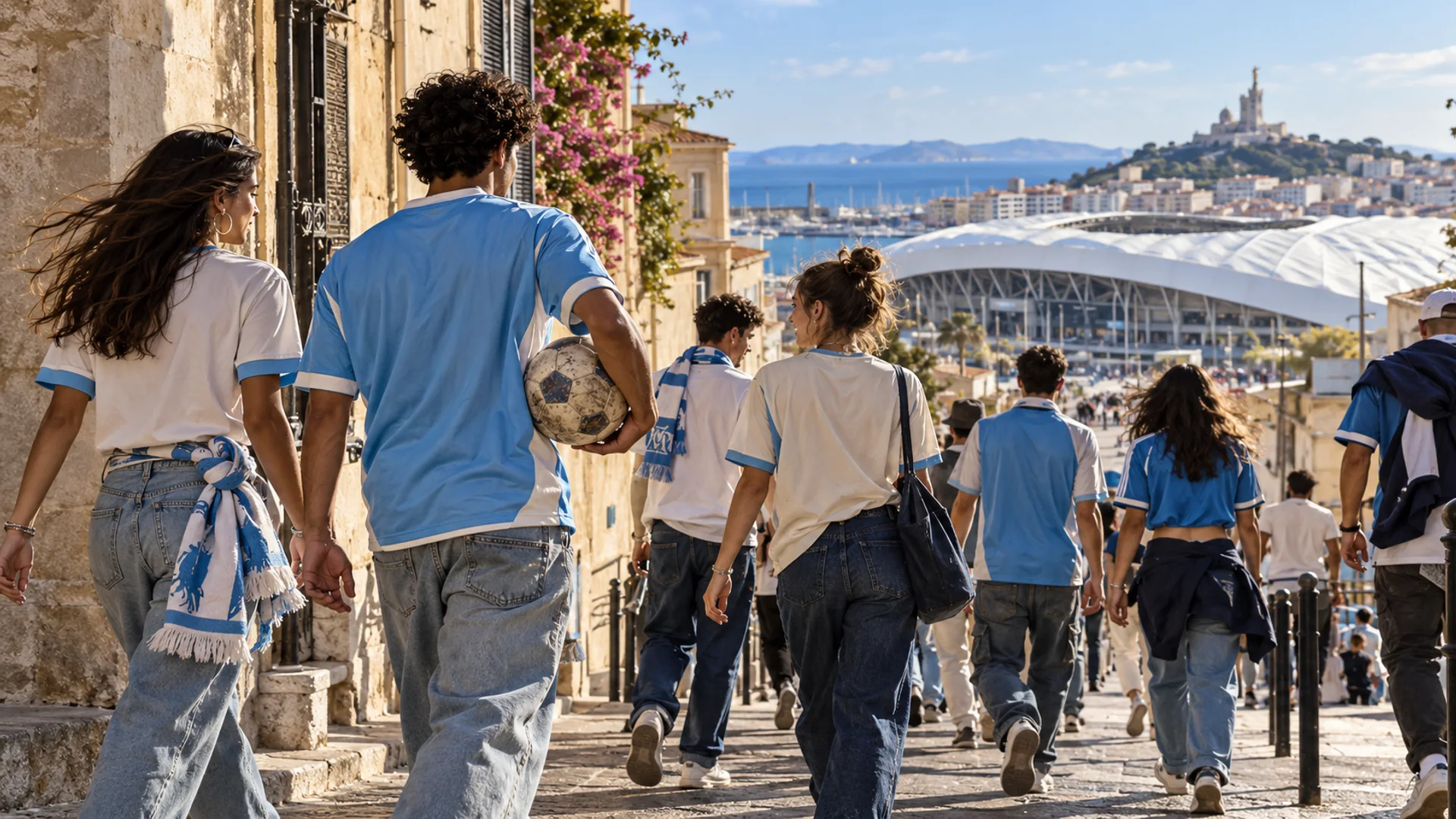
There are nights when Marseille no longer looks like a puzzle, but like a team that has finally been framed. The 4-3 win over Le Havre leaves that impression: a more coherent starting XI, a clearer collective, and better spacing between the lines. The headline is not the scoreline, wild as it was; it is that OM looked collectively in control for more than an hour.
That matters. For too long, Marseille has lived with the need to reinvent its silhouette at kickoff. Here, the base appears to exist: a more stable structure, with Højbjerg and Nnadi in front of the defense, and enough clarity in the animation to give the team a direction. When a club like OM rediscovers a simple hierarchy, the whole stadium can breathe differently.
Sources : [1] Football Club de Marseille ↗
The real test is not the first surge
Marseille’s problem now sits elsewhere. It is no longer about finding a team shape; it is about keeping that shape alive when fatigue, substitutions and nerves arrive. The Le Havre match says exactly that: a comfortable lead, then a loss of control. That warning is not minor, because it came after the most convincing stretch of the game.
Football Club de Marseille points to a drop in cohesion after the changes, and it is easy to see why that detail matters. A side can be well assembled on paper, but if the bench dissolves it the moment the tempo drops, the structure is only surface deep. In Marseille, the first hour should not be the celebration. It should be the standard the team can carry into the final half-hour.
Sources : [1] Football Club de Marseille ↗
An intensity club must also learn continuity
This kind of win speaks to Marseille’s supporter culture because it exposes a very simple truth: OM is never judged on flair alone. The crowd accepts emotion, bursts of energy, drama. What it accepts less is a team falling apart just when the match should be closed. In a city where the club’s identity is a living thing, continuity matters as much as momentum.
That is why the criticism has to stay sharp. Having finally found a more convincing XI is progress. But modern football does not reward lineups that switch on and then switch off. If Marseille wants this structure to become a base rather than a one-night fix, the substitutes must extend the framework instead of breaking it. Otherwise OM remains the club that can launch an idea without being able to inhabit it all the way through.
Sources : [1] Football Club de Marseille ↗
A result that confirms the diagnosis, not the cure
OM.FR did publish a page on the 4-3 against Le Havre, which is fair enough: this is the kind of match that feeds the club’s own narrative. But a narrative is not an answer. An official recap celebrates the result; analysis has to look at how long the solidity lasted. On that point, Marseille still has the hardest part to solve.
The good news is that a structure seems to exist. The bad news is that it remains fragile. Marseille’s problem is therefore no longer the starting shape, but its durability. For a club that lives with the Vélodrome’s pressure, that may be the most serious chantier of all: learning how to remain Marseille after the hour when so many teams start to wobble.
Sources : [2] Olympique de Marseille ↗[1] Football Club de Marseille ↗
Read next
 Opinion
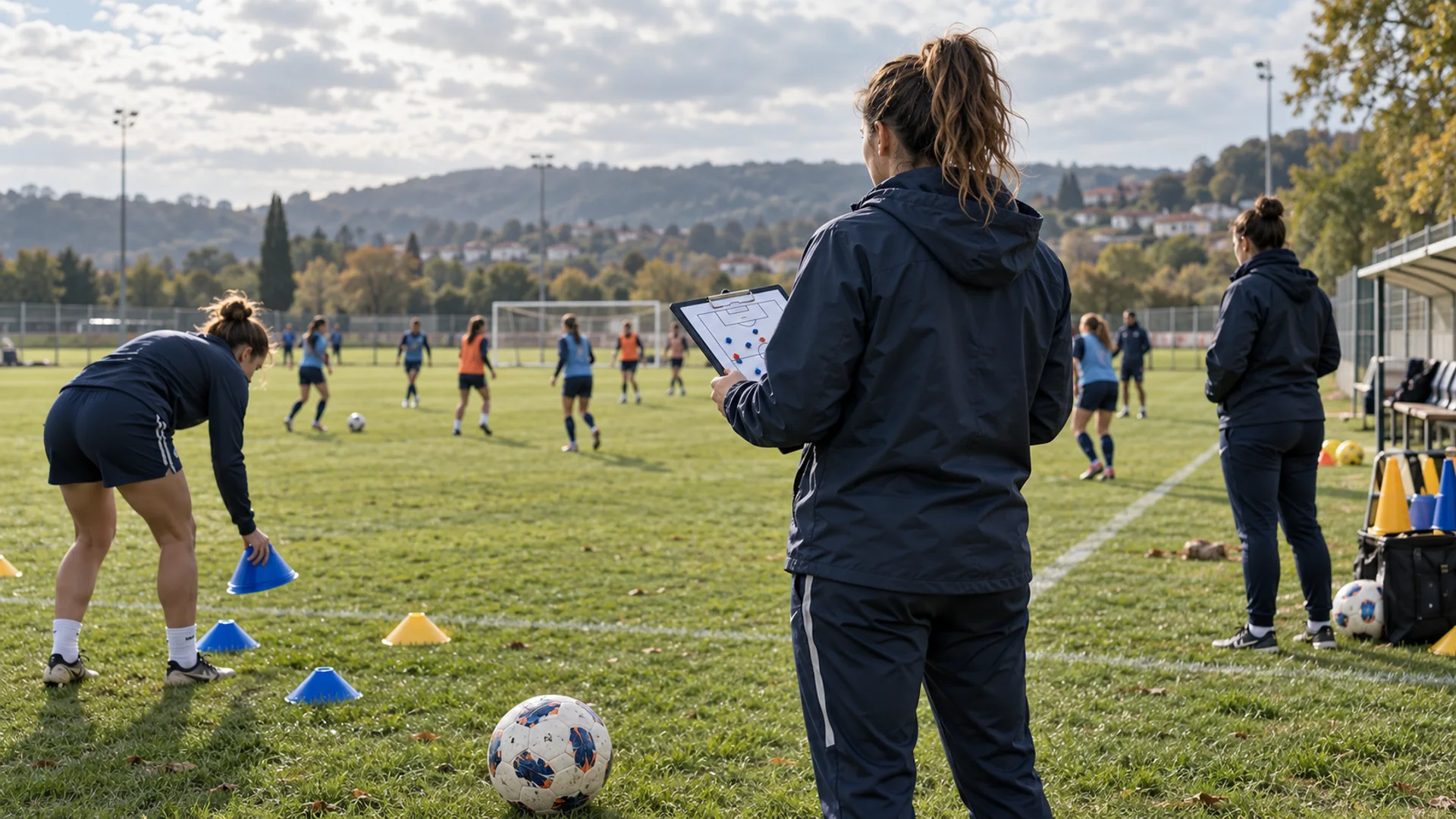
French women’s football is shifting its decisive investment before age 14
PSG’s new U12-U14 preformation centre and LAuRAFoot’s U14F interdistrict pathway show that the real contest is now who builds the first serious bridge into elite development.
 Camille LaurentAcademies & breakthrough seasonsOpinion
At the Vélodrome, OM’s supporters are still the club’s most stable asset
When the club wobbles, the stand holds. And as shirts turn into cultural objects, Marseille is a reminder that a demanding crowd is worth more than any launch campaign.
 Basil ArtemoffTerraces, Marseille & styleOpinion
French football’s smartest move: turning teenage girls into coaches
Nxt Gen Coaches is not a slogan. It is a pathway. For the women’s game, that may be the most important development right now.
Camille LaurentAcademies & breakthrough seasons The Sunday review
Morel on Sunday: French football needs to become easier to love
Fixtures move, television rights return to the negotiating table and ambitious clubs keep promising a brighter tomorrow. This week raises a quieter question than any transfer saga, but a more important one: what makes people want to come back for the next match?
 Étienne MorelThe football, the clubs, the decisions
 Opinion
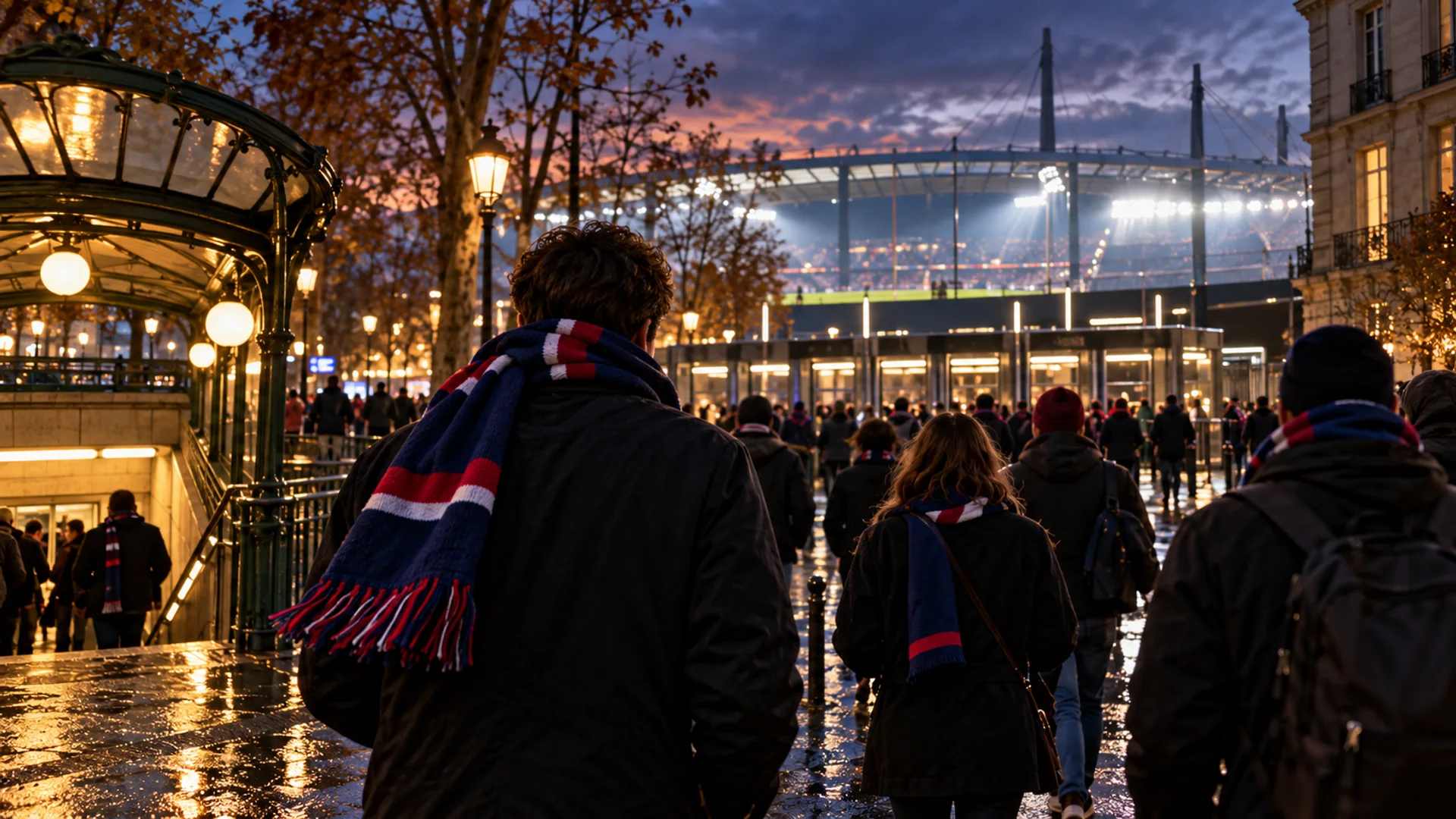
PSG–Lyon: supporters cannot be the spare part
A marquee fixture moves to Monday, a global football ceremony occupies the same evening, and the people who planned their Sunday must adapt. Moving a match can be necessary. Treating its audience as endlessly flexible is a choice.
Étienne MorelThe football, the clubs, the decisions Opinion
Paris FC: spending more need not mean starting again
A club’s new ambitions draw attention. The players who were there before usually draw less. That can obscure something valuable: continuity is a footballing resource, provided it never becomes a sentimental excuse for avoiding difficult decisions.
Étienne MorelThe football, the clubs, the decisions