
At the Vélodrome, OM’s supporters are still the club’s most stable asset
When the club wobbles, the stand holds. And as shirts turn into cultural objects, Marseille is a reminder that a demanding crowd is worth more than any launch campaign.

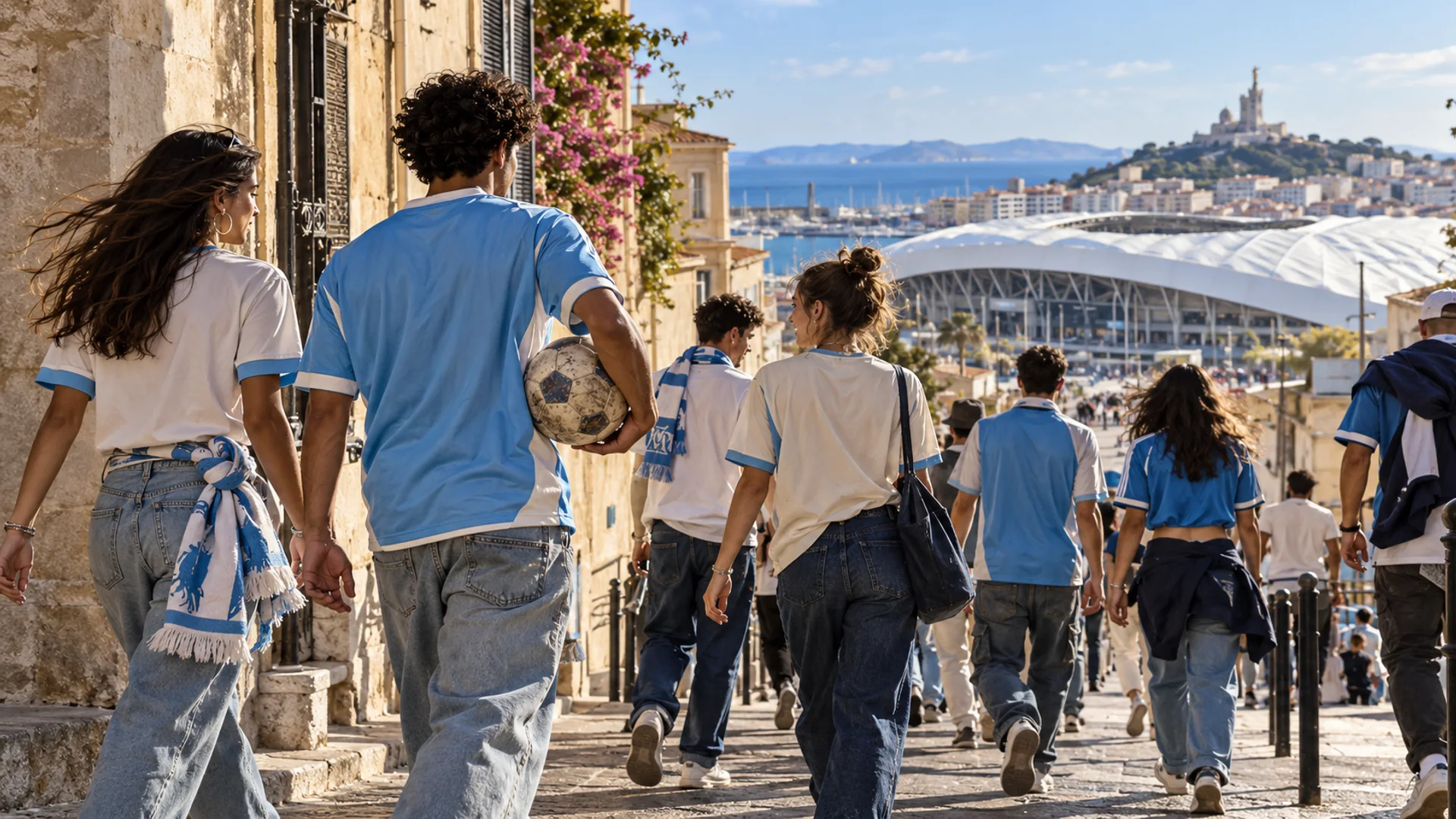
The only capital that does not depreciate
In Marseille, results change, ideas change, names change. What hardly moves is the pressure of the Vélodrome and its moral contract with the team. Bruno Genesio reportedly feared the reception because of his Lyon past, then found the support broadly positive. That tells you something basic: here, backing is not automatic, but it is real. And it survives bad runs. OM supporters do not ask for polished excuses; they ask for running, courage and a bit of pride. It is a culture of standards before it is a culture of comfort.
Sources : [1] FootMarseille ↗
The shirt is no longer just a product
Meanwhile, football is turning shirts into increasingly sophisticated cultural objects. Footpack describes adidas’ Climacool+ experiment, where 3D reliefs are meant to improve airflow and sweat management, with a possible football rollout as early as 2027. In other words, the shirt is no longer just a logo on fabric, but a technical, narrative, almost architectural surface. That shift is not a problem in itself. It shows the shirt has moved beyond simple merchandising into design territory, where texture, sponsor and identity must coexist. The issue is not innovation; the issue is when a club forgets that a shirt’s symbolic value is not born in a lab but in the stand.
Sources : [2] Footpack ↗
Marseille should not sell its stand; it should deserve it
That is where OM has to face itself. A club can industrialise products, multiply variations, polish the visuals and speak the language of textile futures. But if it stops treating supporters as a central force, it reduces its own capital to a commodity. Como offers another route: local merchants and entrepreneurs unveiled the club’s third shirt before the players even saw it, a community-led way of strengthening the club-supporter bond. That should not be read as cheap nostalgia. It is a reminder that a shirt matters more when it is embedded in a recognisable community. Marseille already has that community. It does not need an identity packaged for it. It needs the club to stop taking it for granted. That is why OM’s supporters remain its most stable asset: they are the one part of the club that still understands what the badge is supposed to mean.
Sources : [3] Dégaine ↗[1] FootMarseille ↗
Read next
 Opinion
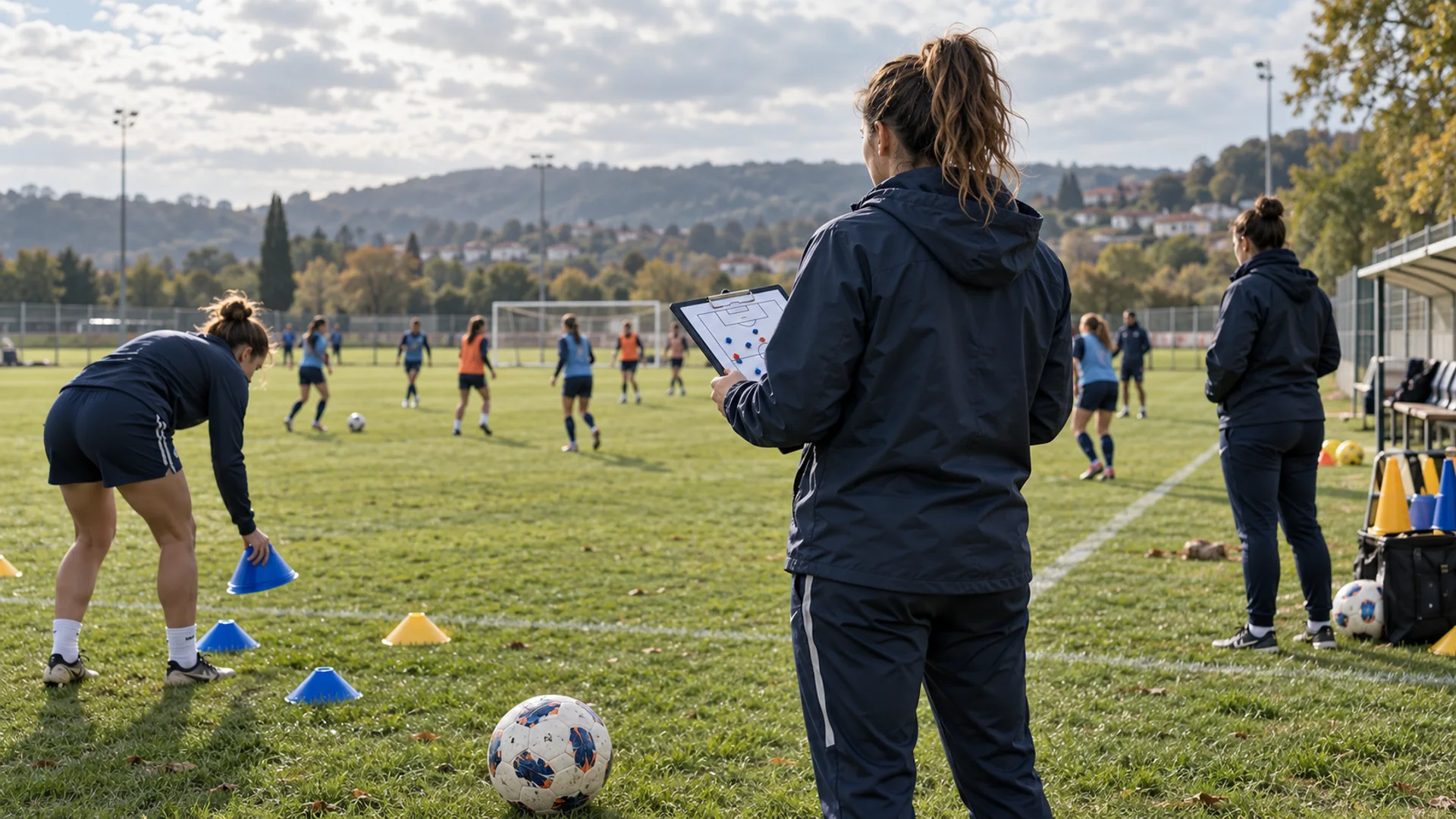
French football’s smartest move: turning teenage girls into coaches
Nxt Gen Coaches is not a slogan. It is a pathway. For the women’s game, that may be the most important development right now.
 Camille LaurentAcademies & breakthrough seasons
 The Sunday review
Morel on Sunday: French football needs to become easier to love
Fixtures move, television rights return to the negotiating table and ambitious clubs keep promising a brighter tomorrow. This week raises a quieter question than any transfer saga, but a more important one: what makes people want to come back for the next match?
 Étienne MorelThe football, the clubs, the decisions
 Opinion
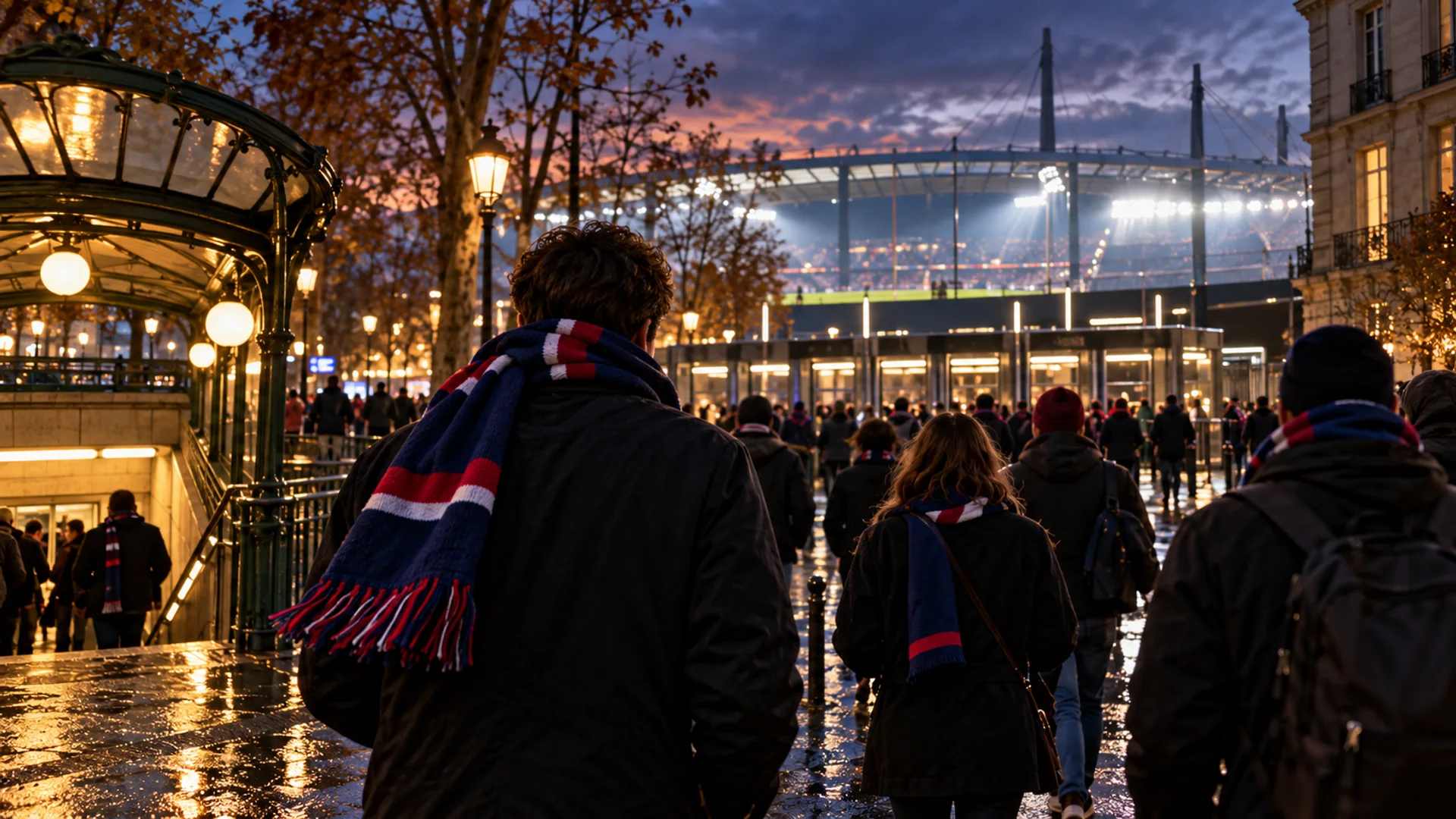
PSG–Lyon: supporters cannot be the spare part
A marquee fixture moves to Monday, a global football ceremony occupies the same evening, and the people who planned their Sunday must adapt. Moving a match can be necessary. Treating its audience as endlessly flexible is a choice.
Étienne MorelThe football, the clubs, the decisions Opinion
Paris FC: spending more need not mean starting again
A club’s new ambitions draw attention. The players who were there before usually draw less. That can obscure something valuable: continuity is a footballing resource, provided it never becomes a sentimental excuse for avoiding difficult decisions.
Étienne MorelThe football, the clubs, the decisions