
Sardarapat FC and Dégaine: the football shirt is now cultural capital
Sardarapat FC’s new shirt line and Dégaine’s ranking point to the same reality: in 2026, the shirt is no longer just for the pitch. It is read, collected and judged like a cultural sign.
A shirt is no longer a souvenir
The move is familiar, but it says a lot: a club releases a new shirt range and, almost immediately, the conversation moves far beyond the pitch. With Sardarapat FC, Dégaine is not just describing a kit; it highlights a project built on a declared Armenian identity, on Robey, on a “Tuf” tone, on references to the Sardarapat memorial, and on a nod to Antoine Griezmann, including a long-sleeve version framed as a style reference. [1]
That is exactly where the shirt changes status. It is no longer the item you buy to support your team and then put away. It becomes something that tells a story about geography, memory and football identity. In that sense, the shirt stops being a purely functional garment. It turns into a readable sign, almost a wearable statement.
Sources : [1] Dégaine ↗
Sardarapat is selling an idea, not just a kit
What Sardarapat is offering is not just a colourway or a cut. It is narrative through symbols. The club name, the memorial reference, the colour, the explicit nod: all of it adds density to the object. In a market crowded with clean but interchangeable shirts, this kind of release creates cultural value before it creates any other kind. [1]
That is why this should not be confused with empty branding. A commercial launch can be hollow; here, the attempt is to produce meaning. And that is exactly what younger audiences respond to now: they read a shirt the way they read a jacket, a poster or a playlist — for the references it gathers, not just the badge it carries.
Sources : [1] Dégaine ↗
Dégaine turns taste into a table
The second signal is Dégaine’s top 10 ranking of the best shirt sets for 2026-27, which includes the likes of LOSC, Ajax, FC Versailles, Napoli, Burnley and Como in the upper end of the list. [2] That matters. When a media outlet builds a hierarchy of shirts the way a league table is built, it confirms that shirt design has become an autonomous subject: serious, debated and treated like performance. [2]
I find that shift telling. Supporters no longer only buy their club’s shirt; they compare, judge and rank. Taste becomes a form of supportership. You can be loyal to one club and still admire a better shirt elsewhere, and there is no contradiction in that. The split between sporting loyalty and aesthetic judgement is one of the clearest signs of the moment.
Sources : [2] Dégaine ↗
Why supporters should care
For terraces, this changes the game. The shirt is no longer only a Sunday uniform; it enters daily language, streetwear, memory and reference culture. Clubs that understand this are no longer selling a single product. They are building a visible identity that can be worn, discussed and recognised.
My view is straightforward: Sardarapat understands that a strong shirt needs a story, and Dégaine is right to treat kit design as a cultural ranking. In 2026, the best shirt is not necessarily the loudest one. It is the one that can hold together a club, a symbol and the urge to show it off.
Sources : [1] Dégaine ↗[2] Dégaine ↗
Read next
 Opinion
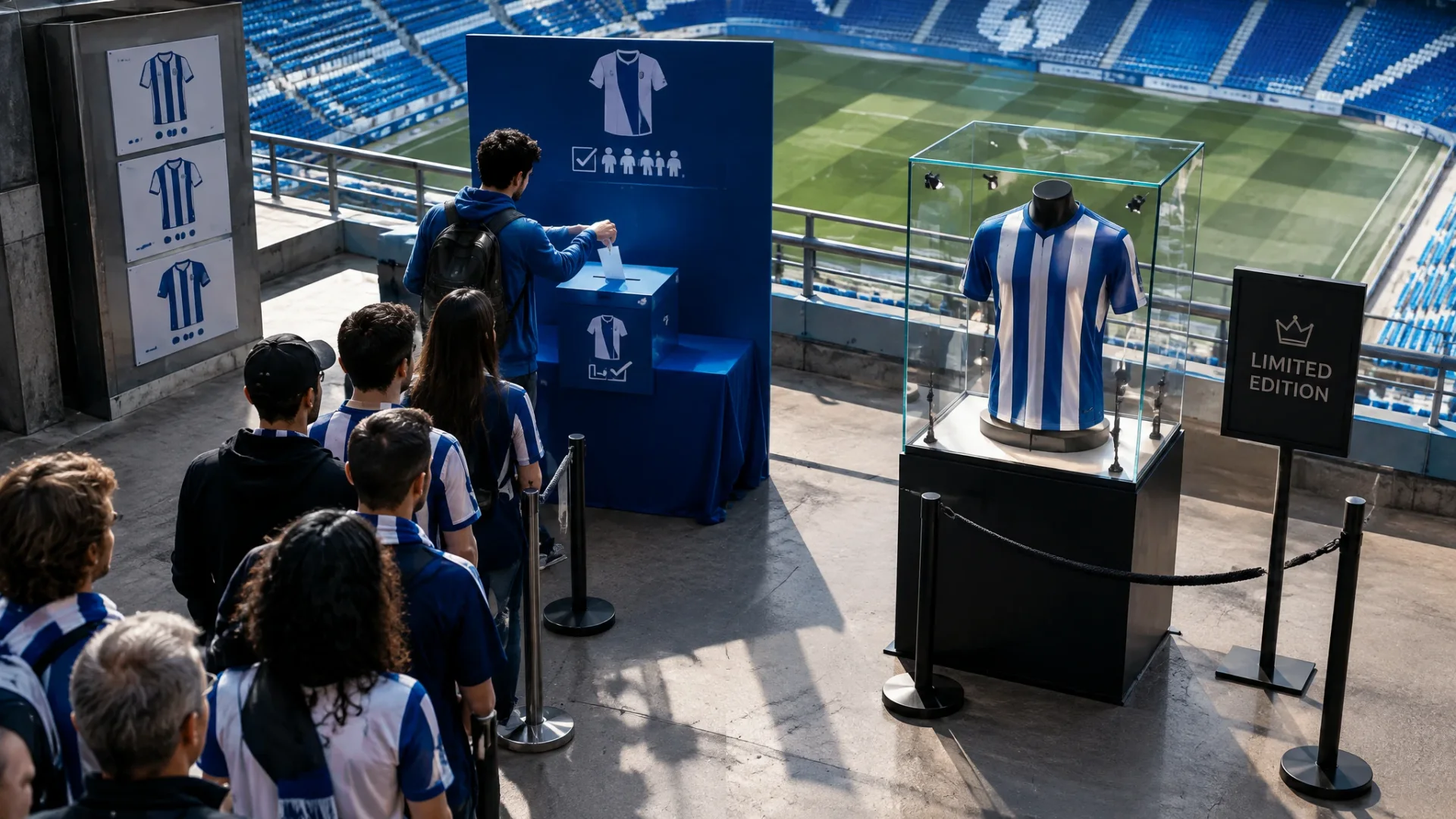
Espanyol’s shirt vote and the football-fashion economy of scarcity
Espanyol’s fan vote looks democratic. The bigger trend is still controlled rarity: clubs invite participation, brands keep the most desirable objects tightly managed.
 Basil ArtemoffTerraces, Marseille & style
 Opinion
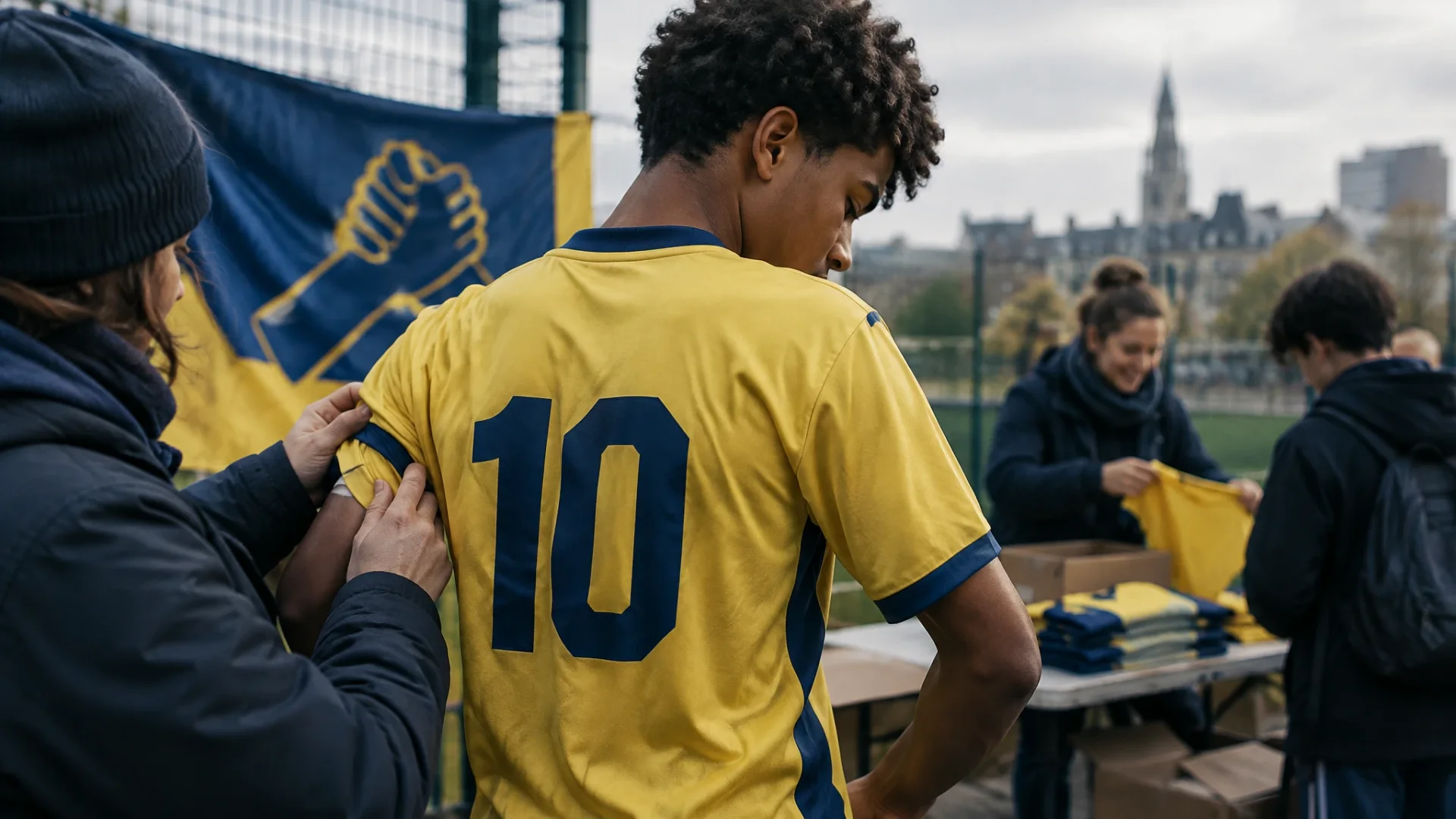
Union Saint-Gilloise, Kappa and the civic shirt: who gets to define it?
From Brussels to Marseille, the football shirt is no longer just a colour swatch for sale: it can organise solidarity. But when a garment turns civic, who really defines its meaning — the club, the brand, or the stand?
Basil ArtemoffTerraces, Marseille & style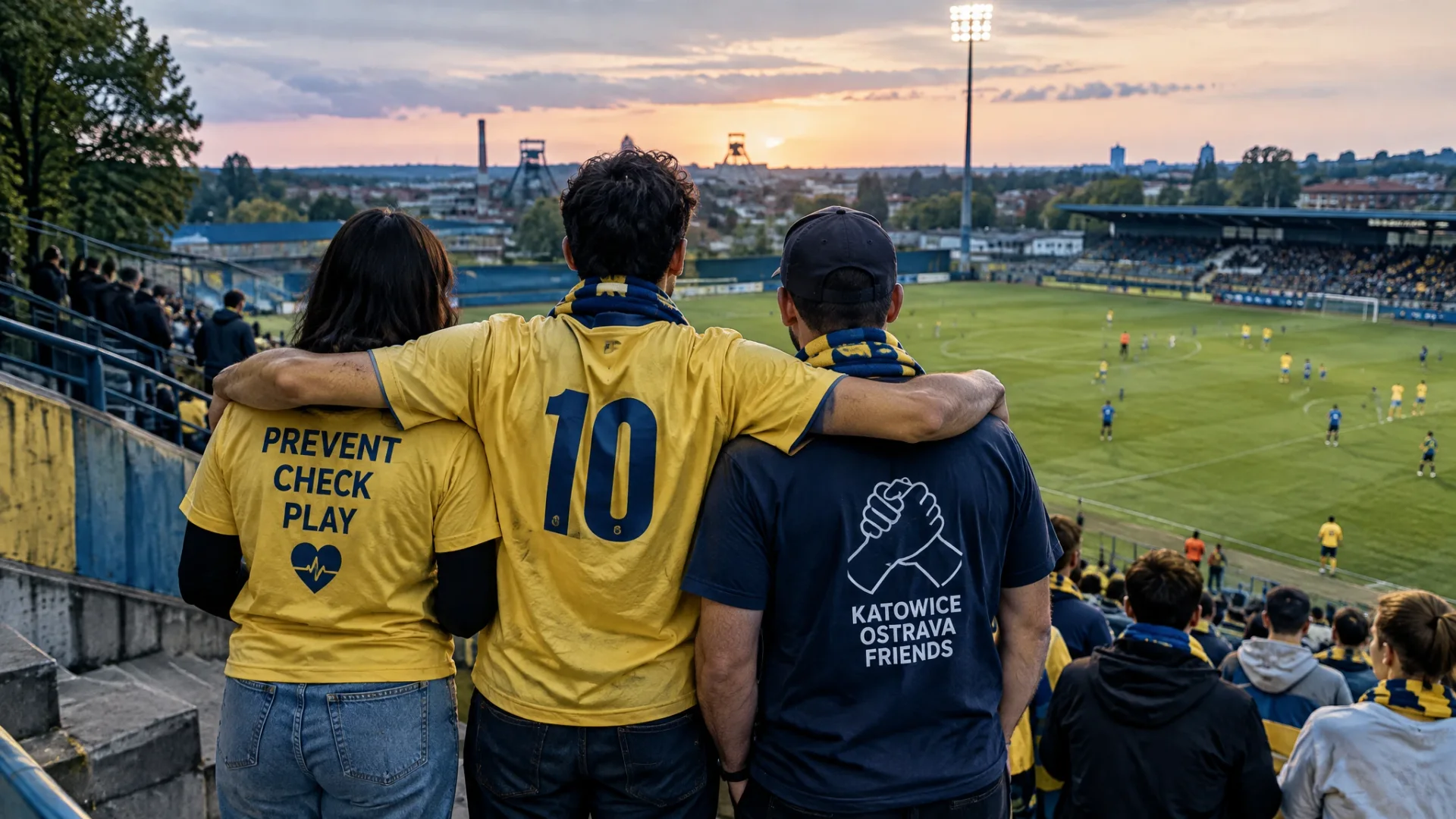 Opinion
When the shirt serves the stand: Union Saint-Gilloise, Katowice–Ostrava, PSG
When a shirt becomes a public-health tool, a symbol of supporter friendship or the visible frame for a campaign, the real question is simple: does it serve the club, the brand or the terrace first?
Basil ArtemoffTerraces, Marseille & style Opinion
Vinicius Jr, Nike Mercurial and the new shirt order: football style now works like a streetwear drop
Why do Vinicius Jr’s signature boot and a same-day shirt ranking tell the same story? Because football style now runs on the logic of streetwear: narrative, scarcity, hierarchy, desire.
Basil ArtemoffTerraces, Marseille & style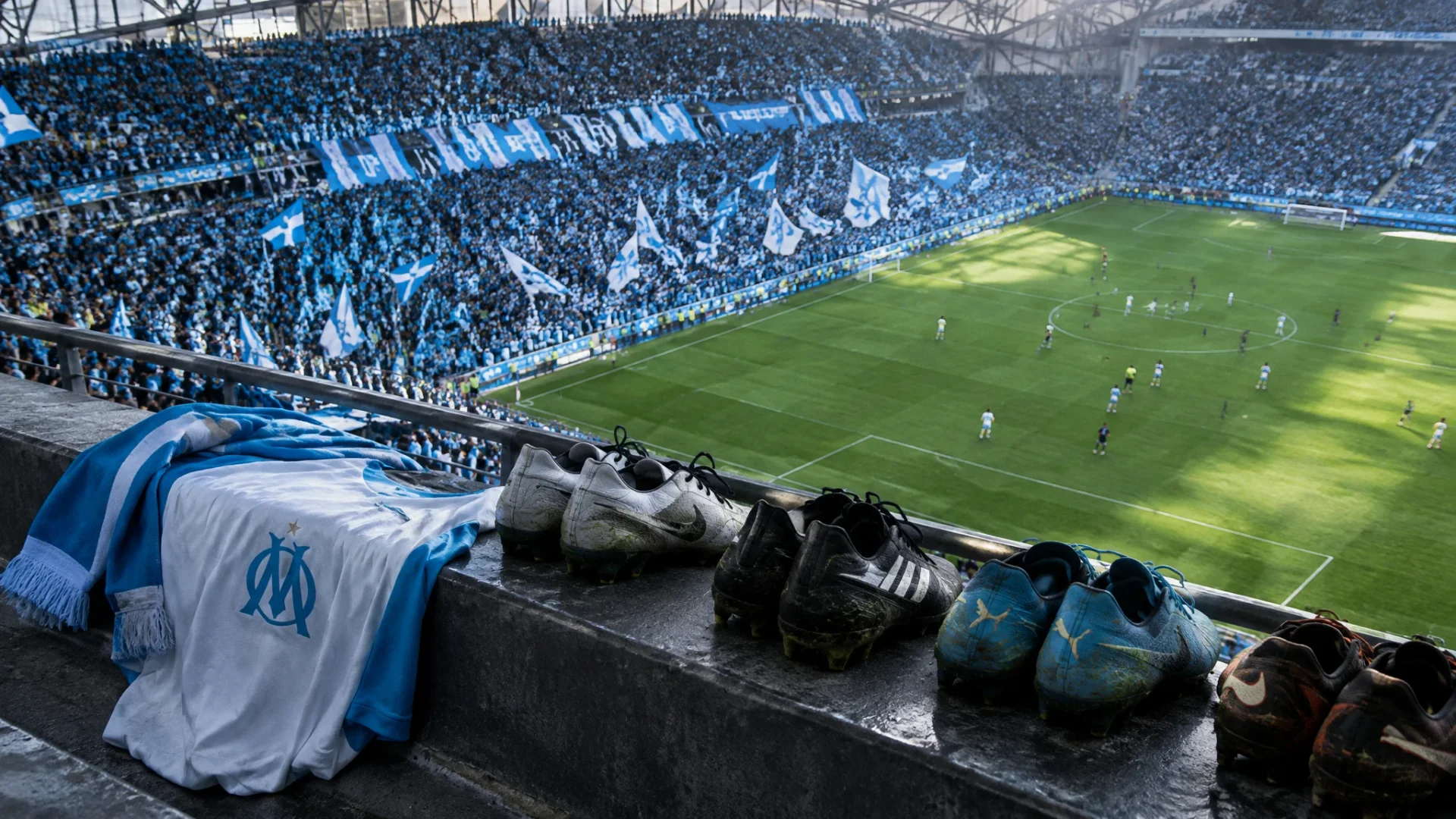 Opinion
OM in Ligue 1: the club brands the stands, not the boots
Why does Marseille still look unified in the curve, while the players’ feet tell a different story? Because the official image and the real dressing-room habits no longer match.
Basil ArtemoffTerraces, Marseille & style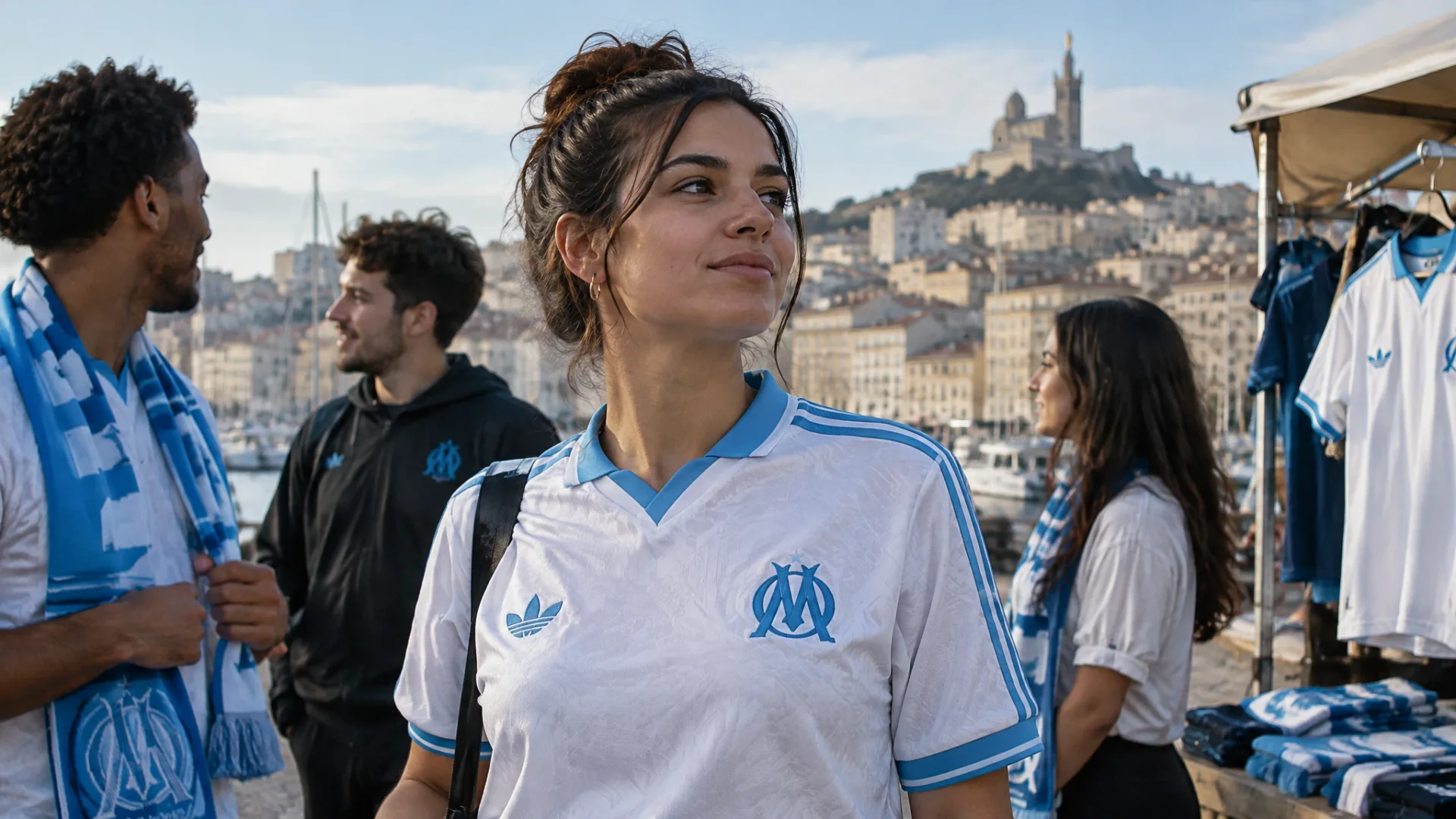 Opinion
OM and Adidas: why the comeback is a shirt, terrace and market reset
Why does Adidas’s return to Olympique de Marseille matter beyond the badge? Because it reconnects the club’s visual memory, terrace culture and shirt economy in one move.
Basil ArtemoffTerraces, Marseille & style