
OM 2026-2027: when the shirt becomes a system, and the list becomes a verdict
Dégaine now ranks kits the way football once ranked teams. In Marseille, OM is selling its 2026-2027 identity as a full package: logo, colours, reveal, store, versions. The question is no longer “is it nice?” but “what kind of club does this shirt make you want to watch?”
The shirt has entered the age of rankings
On 10 November, Dégaine published a selection of the clubs with the best 2026-2027 shirt sets, with Como first, Augsburg second and Lille third. The very idea of a top 10 for kits says plenty: the shirt is no longer just decoration around football, it has become a public object of judgment, almost a parallel competition. [1]
That shift matters because it changes how supporters look at a club. A shirt is no longer judged only as an isolated piece of design. It is read as a signal: graphic coherence, continuity, ambition, or laziness-by-catalogue. The list is not just a media format anymore; it is a culture. And like any culture of lists, it creates hierarchy, desire and argument. []
Sources : [1] Dégaine ↗
In Marseille, OM is not selling only a shirt
OM presented its 2026-2027 home shirt with PUMA. It is described as white, with blue and gold touches, and the launch highlights a new club logo on this kit. The reveal was staged in Marseille, at L’Équipementerie, with sales announced for 3 June 2026. [2]
That is not a cosmetic detail. When a club frames a shirt as a complete sequence — visual identity, presentation venue, release date — it is no longer selling a garment. It is selling brand continuity. For OM, that means the shirt now has to hold together heritage, renewal and the street. If one of those pieces is missing, the result looks like a shiny shell. []
Sources : [2] Footpack ↗
Authentic, replica: support culture has been merchandised
This is where the debate gets more interesting than simple “I like it / I don’t”. Authentic and replica versions are not just two commercial trims; they describe two ways of relating to the club. One promises closeness to the “premium” object, the other makes the story more accessible. Either way, the supporter is being asked to choose a place inside the club’s grammar. []
Marseille knows that grammar well: a shirt has to speak loudly, but not randomly. If it piles up symbols without a clear line, it feels like a campaign. If it owns a readable identity, it becomes both terrace language and street language. What OM 2026-2027 shows is that a club no longer merely wears its colours. It now has to stage them, segment them and justify them. []
The real question: who controls the story?
Dégaine rewards shirt sets that combine style, imagination and personality. OM, meanwhile, is pushing its own identity as a complete system. The two moves do not contradict each other; they describe the same era. On one side, the public ranks. On the other, the club builds a story designed to rank well. []
My view is simple: this is not football becoming poorer, as long as the club does not treat supporters like distracted consumers. In Marseille, the shirt has never been just fabric. In 2026-2027, it becomes a test of coherence. If the logo, colours, reveal and versions tell the same story, the club gains credibility. If not, all that remains is a nice-looking shop window. []
Read next
 Opinion
Lens vs OM in Ligue 1: Bollaert turned the night into memory and protest
What does a Lens–OM night become when Bollaert chooses remembrance, then dissent, while Marseille answer with a sizeable travelling end? Much more than a routine league fixture.
 Basil ArtemoffTerraces, Marseille & style
 Opinion
OM at Lens: winning without getting carried away is the real test
What does Marseille’s win at Lens actually tell us? That the points matter, yes. But more importantly, that progress now means travelling well without turning two away wins into a victory lap.
Basil ArtemoffTerraces, Marseille & style Opinion
Ligue 1 2027-2032: Marseille watches the TV-rights gamble with unease
The LFP has relaunched the bidding for Ligue 1’s 2027-2032 domestic rights. For OM, the real issue is not who bids, but how much value the next cycle can actually deliver.
Basil ArtemoffTerraces, Marseille & style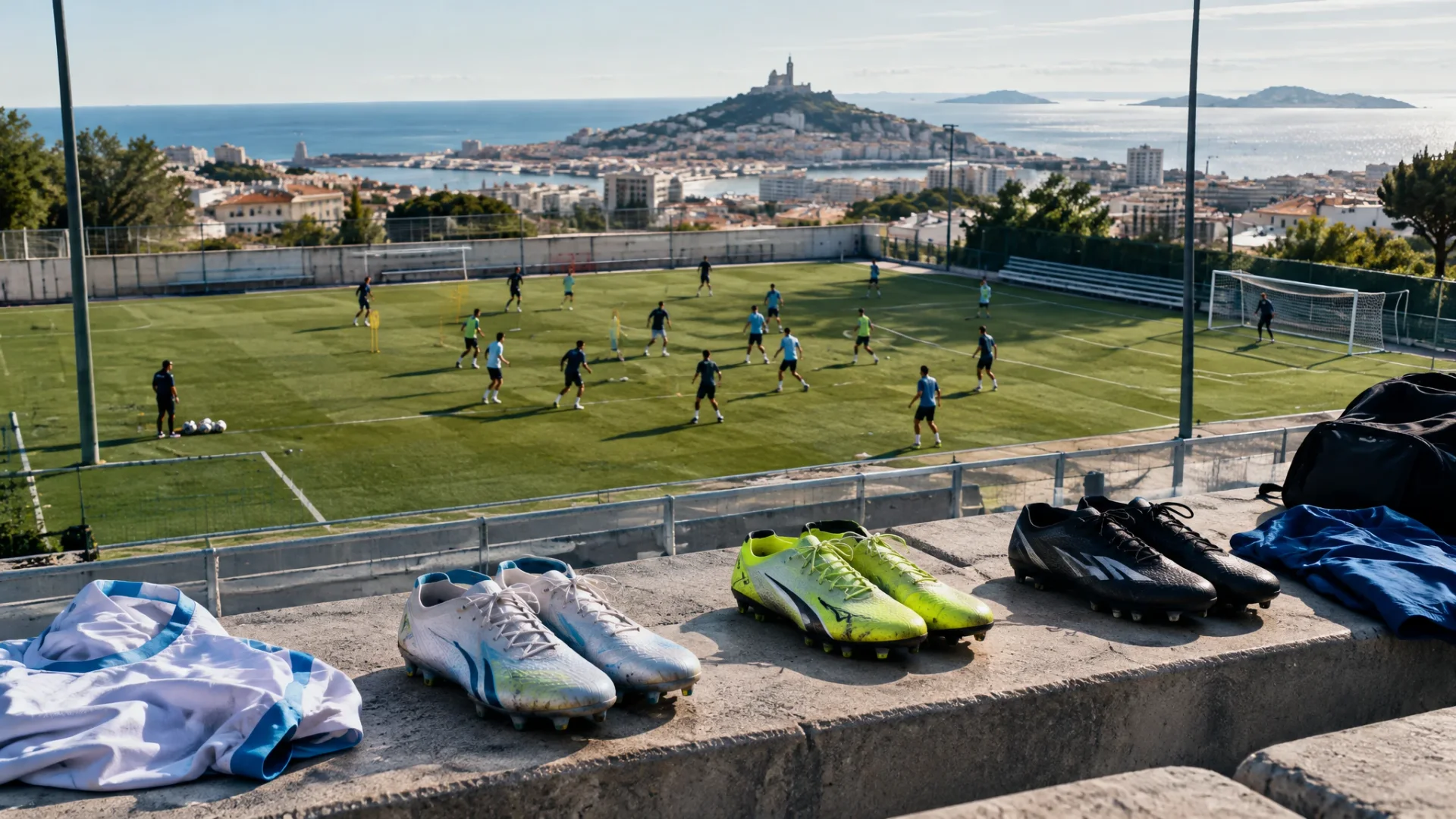 Opinion
OM, PUMA and adidas boots: in Marseille, the shirt no longer runs the whole show
In Marseille, the shirt still matters. But the boots tell a different story: players now have far more autonomy than the club’s kit deal suggests.
Basil ArtemoffTerraces, Marseille & style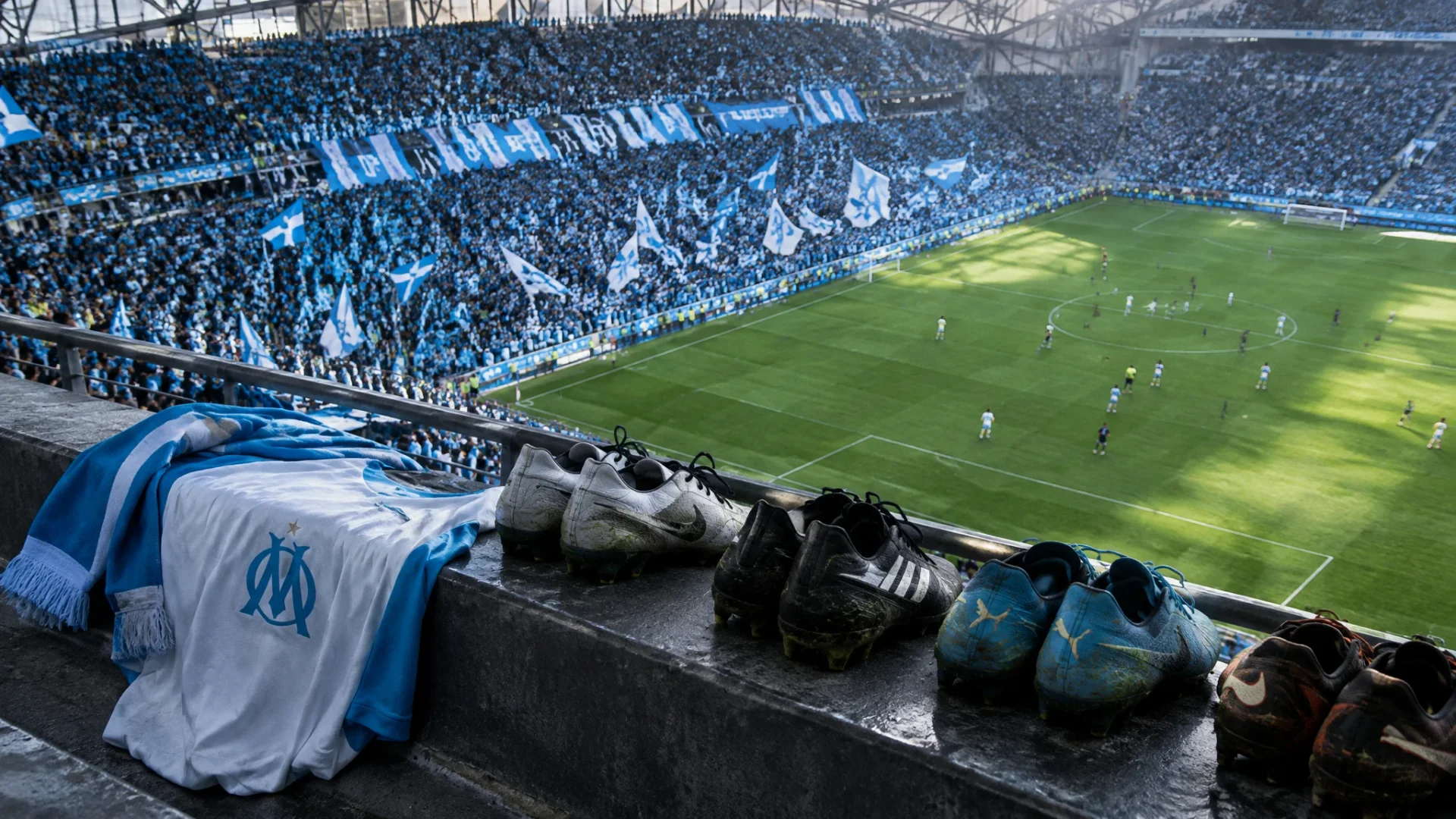 Opinion
OM in Ligue 1: the club brands the stands, not the boots
Why does Marseille still look unified in the curve, while the players’ feet tell a different story? Because the official image and the real dressing-room habits no longer match.
Basil ArtemoffTerraces, Marseille & style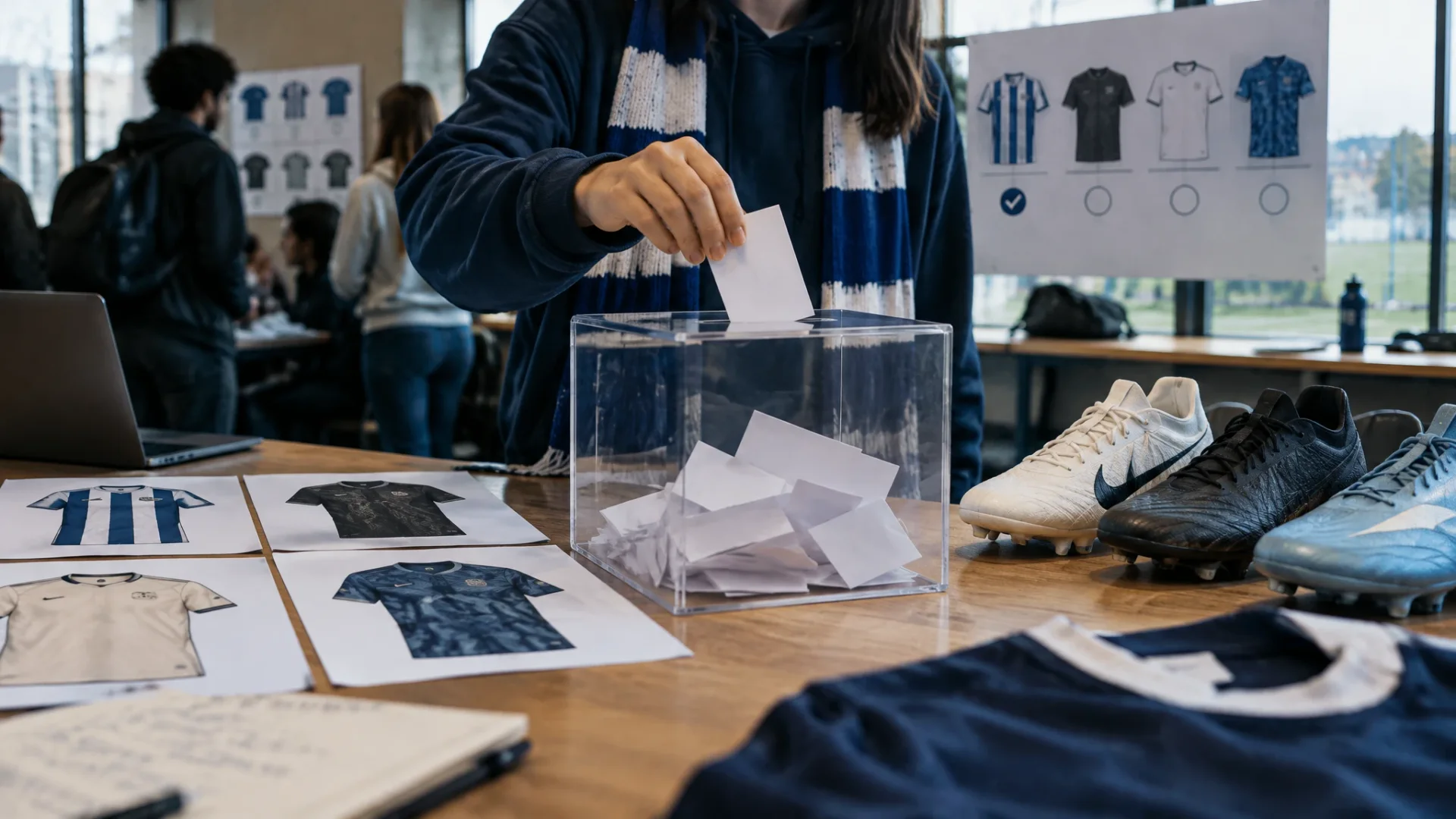 Opinion
Espanyol, Marseille, Footpack: shirts are becoming voted-on, market-tested culture pieces
When a club lets supporters choose a home shirt and a study shows boot choice already sits outside shirt sponsorship, who still controls club identity?
Basil ArtemoffTerraces, Marseille & style