
Inter and Milan turn the Generali Stadium name into a financial weapon
The point is not the branding. The point is the number — and whether it can narrow Milan’s revenue gap with Europe before Euro 2032.
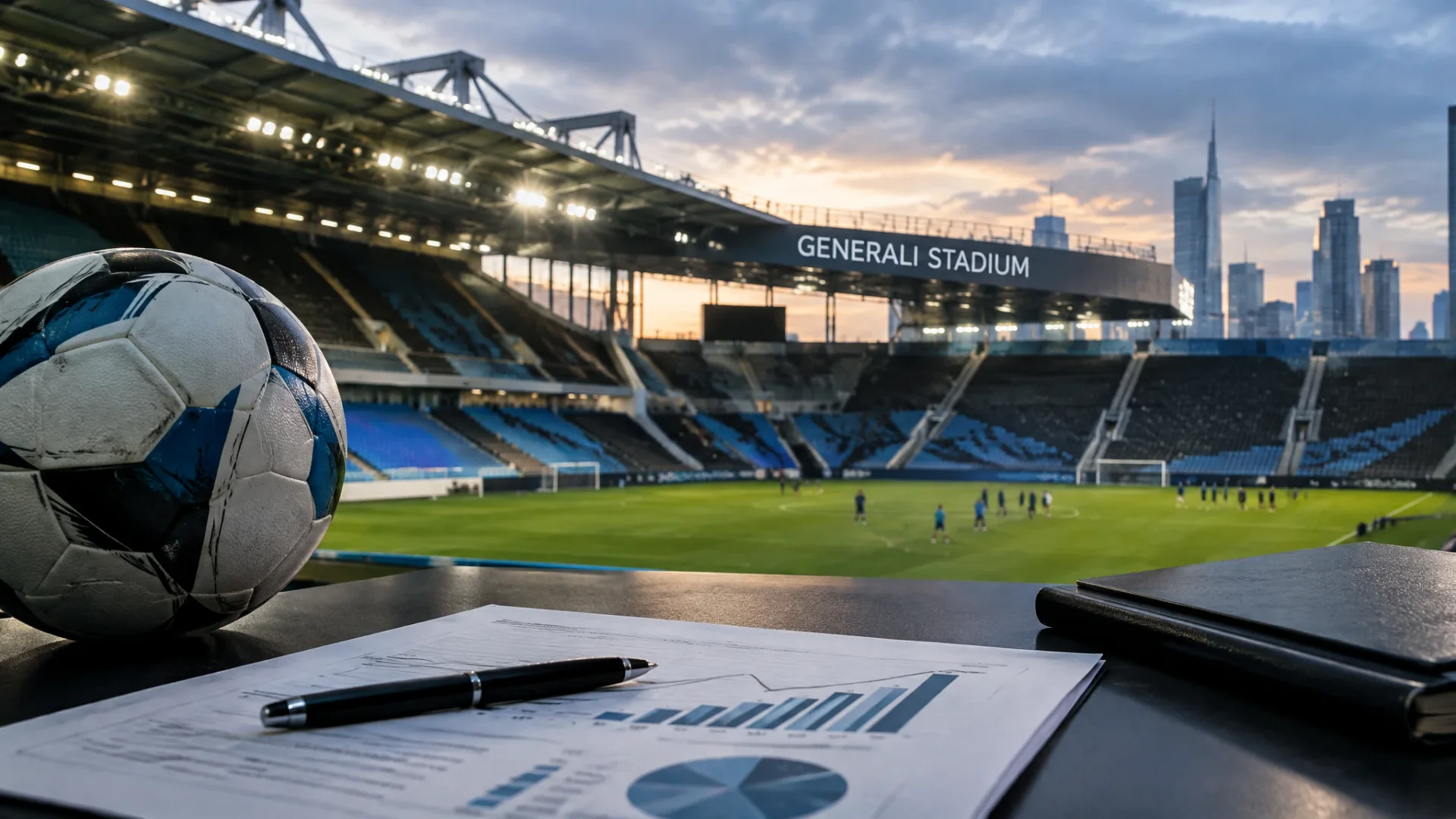
The name is only the wrapper
“Generali Stadium” may sound like a neat label, or a compromise, or both. For Inter and AC Milan, though, the naming-rights story is not about aesthetics. It is about cash flow. The clubs are expected to earn about €16.2m each from the naming rights, under a deal reported to run for 20 years. Work is due to start in 2028, with the stadium expected to be ready for the 2031-32 season. [1]
Beppe Marotta has framed the new San Siro as an asset and a source of revenue, while saying the current ground no longer meets the demands of a modern stadium. That is the useful bluntness here: the clubs are not selling a ceremonial nameplate, they are trying to buy financial traction in a market where stadium income has become a competitive language Italy has too often spoken with an accent. [2]
The real rival is the accounts column
Marotta explicitly measures Milan’s position against Real Madrid’s Bernabeu figures. That comparison matters more than any debate over whether the new name sounds elegant, corporate, or faintly like a boardroom exits sign. If the stadium cannot close a meaningful revenue gap with Europe’s big clubs, then the project risks becoming a polished answer to the wrong question. [2]
This is why the number matters more than the rendering. Naming rights are often treated as a marketing garnish. In this case they look more like a governance tool: a way to turn a venue into a recurring income stream, and to stop the clubs from depending on old habits in a market where old habits do not balance the books. The badge on the roof matters less than the business model underneath it. [1][2]
Euro 2032 gives the project a deadline
The timing is not accidental. UEFA has awarded Euro 2032 to Italy and Turkey, and San Siro was among the Italian venues originally indicated in the bid. So this is not just a Milan story, and it is certainly not just a naming-rights story. It is an infrastructure test with a continental deadline. [3]
If the project works, the naming deal will be more than a cosmetic line in a press release; it will be part of a financing structure built to make the club more competitive. If it does not, the clubs will still have a new name, but the same old problem: a gap with Europe that a smart logo cannot close on its own. [1][2][3]
Sources : [1] Football Italia ↗[2] Football Italia ↗[3] UEFA ↗
Verdict
Inter and Milan are right to weaponise the stadium name. They are also right to admit, implicitly, that they need more than architecture. The only thing that will matter in the end is whether this project narrows the revenue gap before Euro 2032. Everything else is decoration. [1][2][3]
Sources : [1] Football Italia ↗[2] Football Italia ↗[3] UEFA ↗
Read next
 Opinion
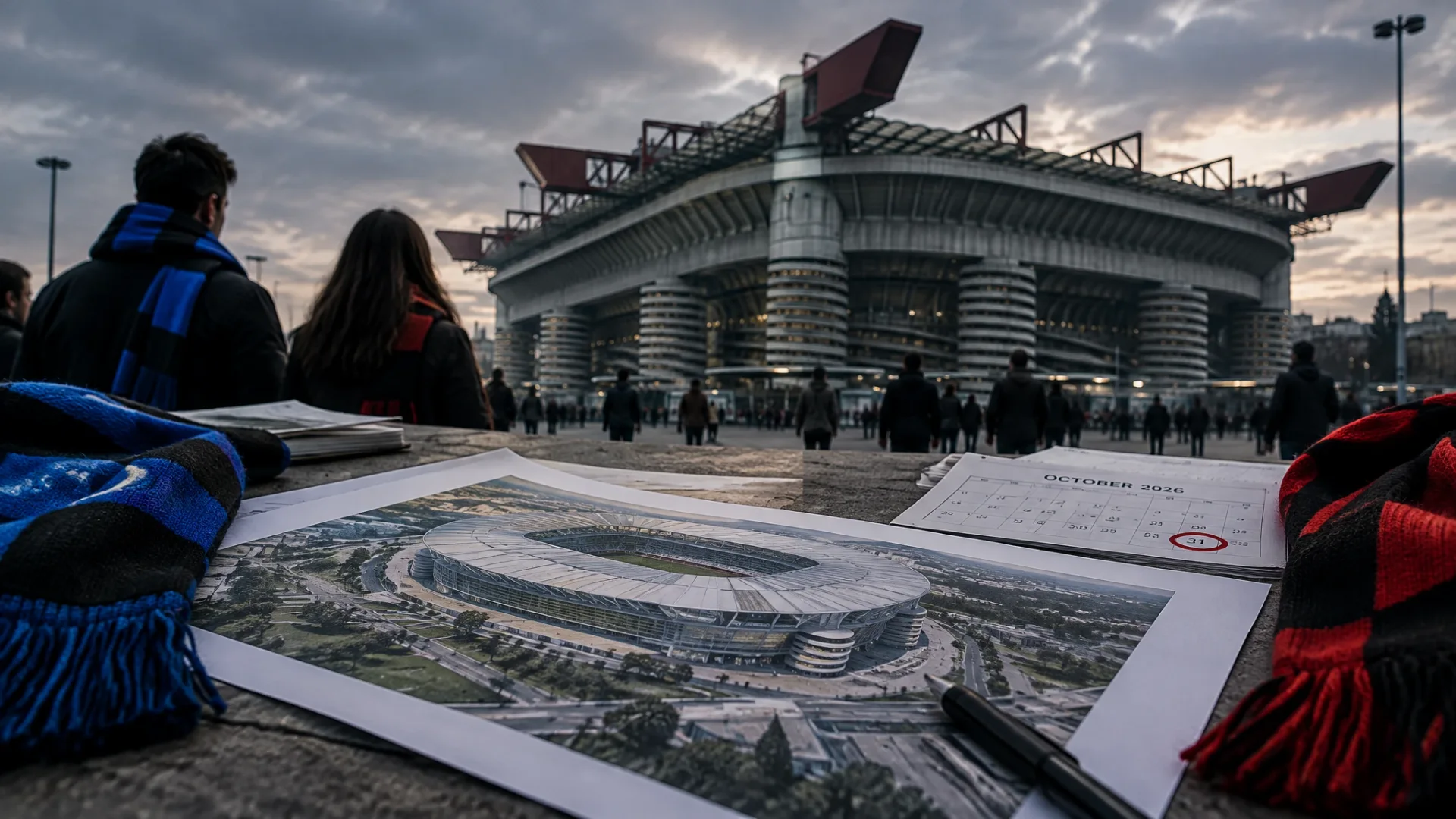
San Siro and the 31 October derby: Inter and Milan are selling a future on the wrong clock
The new San Siro plan was unveiled on the same day as protests and absences. The real question is simpler: can two clubs sell a future stadium when the calendar, the accounts and the optics already say otherwise?
 Lucien DelcourtItaly, Germany, Spain & Turkey
 Opinion
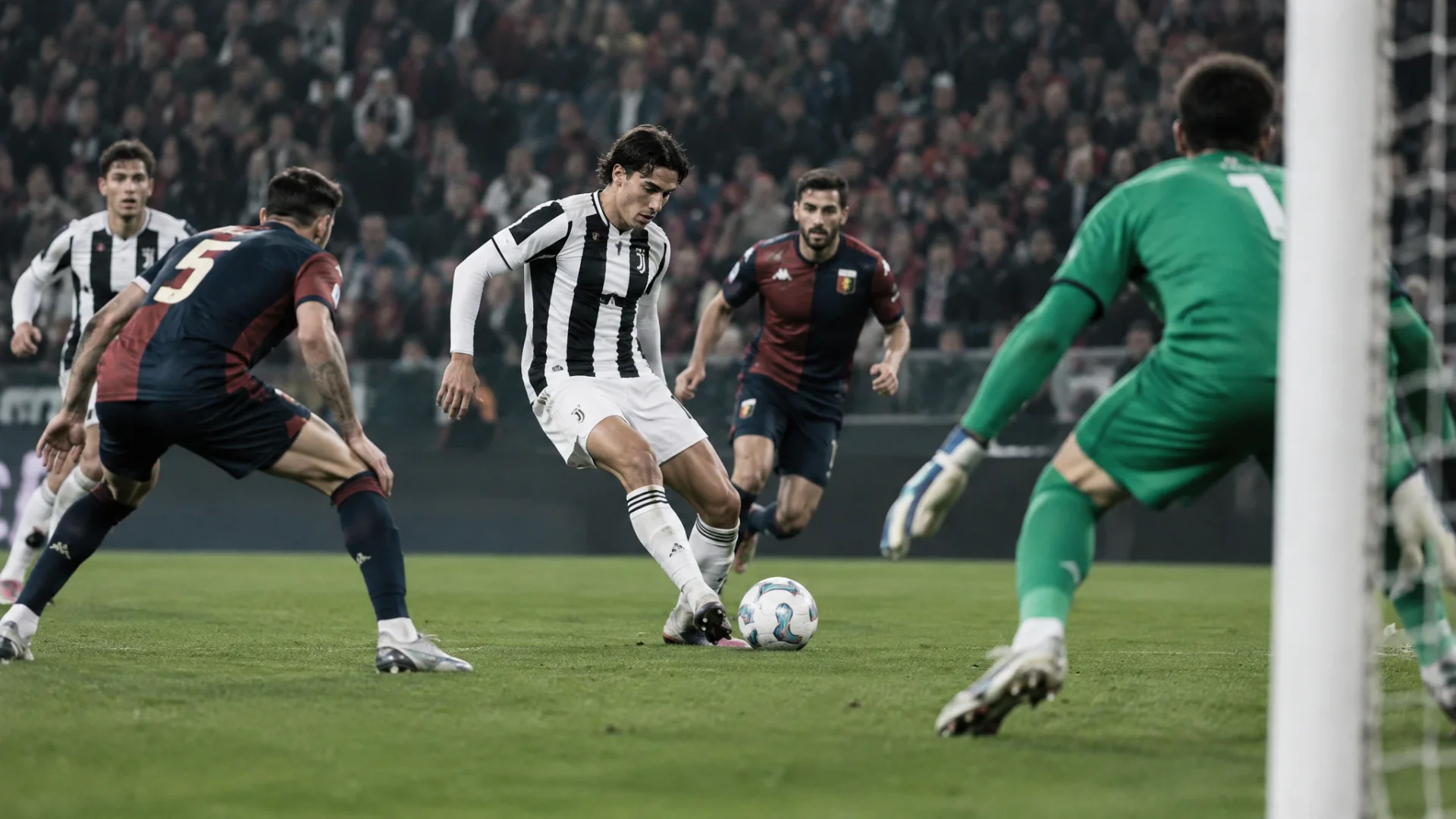
Juventus’ defeat at Genoa exposes a thin, low-quality attack
The loss in Genoa is not the real story. The real story is a Juventus side that turns territory into too few chances and leans too much on low-value shooting.
Lucien DelcourtItaly, Germany, Spain & Turkey Opinion
Udinese and Runjaic: patience that looks like calculation
After six straight Serie A defeats, Udinese are not only judging their coach. They are measuring what a change would do to recruitment, the dressing-room hierarchy and the next two fixtures.
Lucien DelcourtItaly, Germany, Spain & Turkey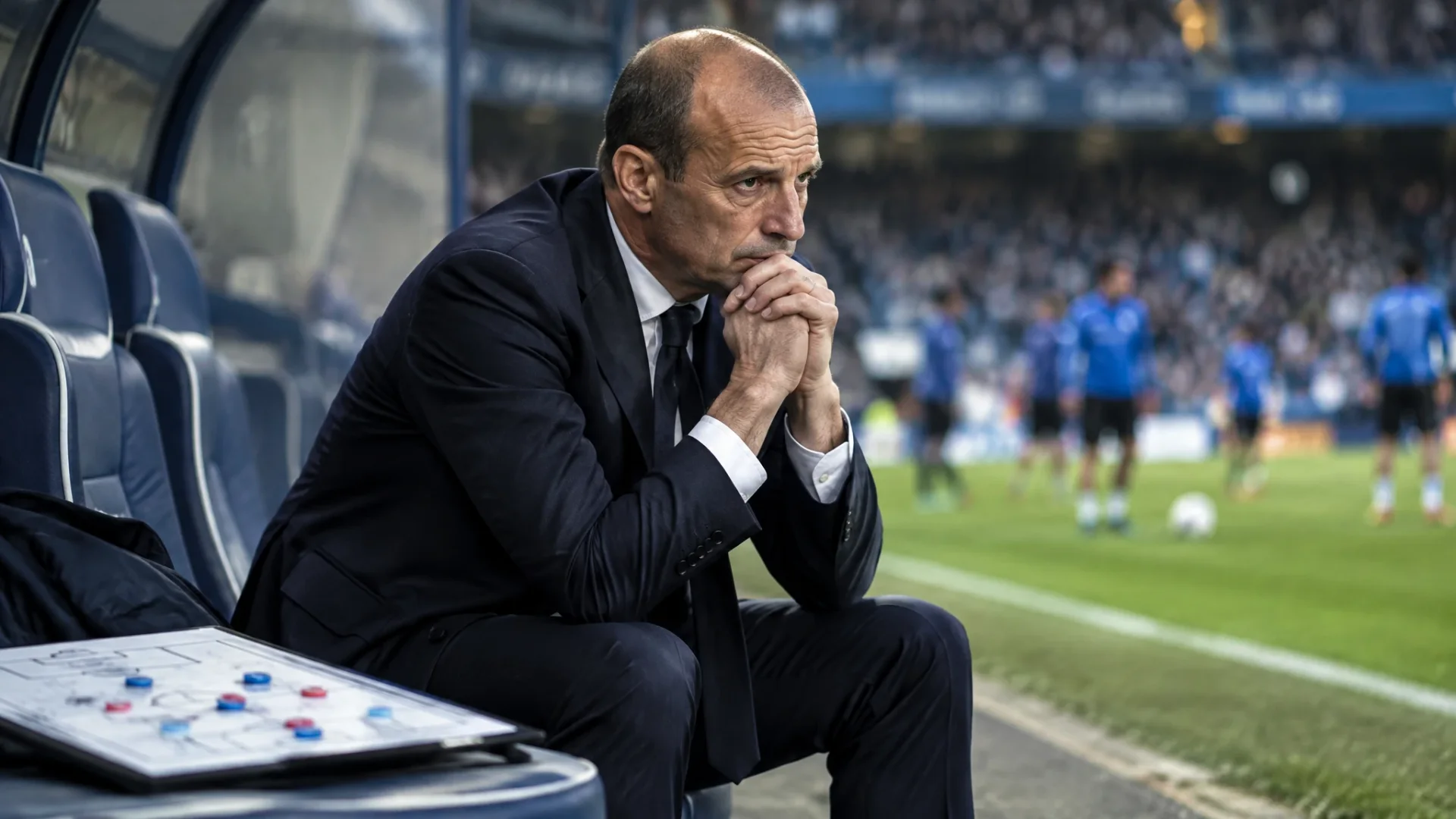 Opinion
Napoli, Allegri and the very practical cost of a two-match ban
Massimiliano Allegri’s suspension is not just a discipline issue: it leaves Napoli without its coach for Monza and Juventus. How much turbulence can a title contender really absorb?
Lucien DelcourtItaly, Germany, Spain & Turkey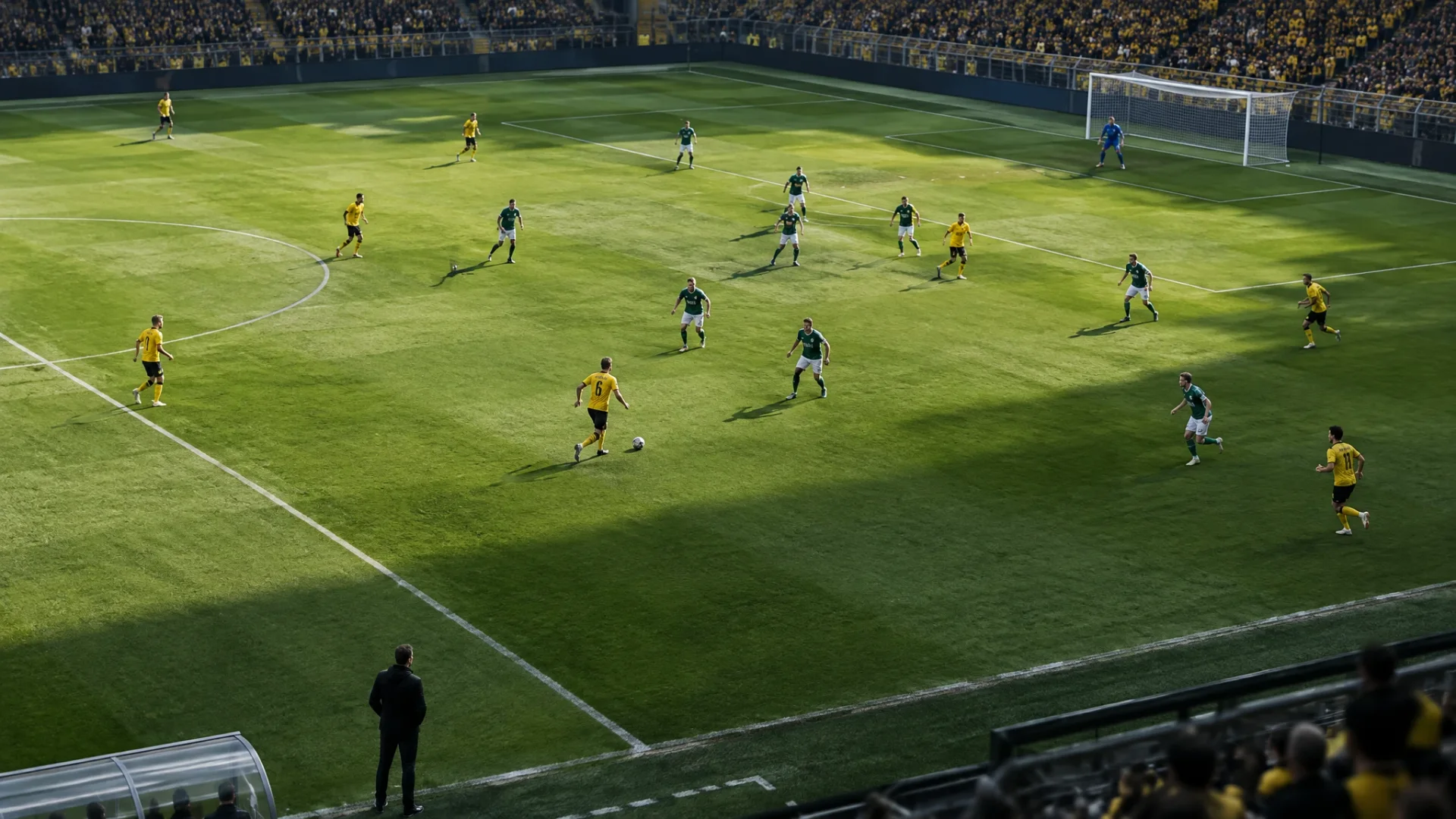 Opinion
Borussia Dortmund’s cup escape was a blueprint first, a Sabitzer free kick second
The 3-2 win over Werder Bremen is not just a cup scare. The real question is whether Niko Kovač can keep the first-half intensity without inviting a second-half collapse.
Lucien DelcourtItaly, Germany, Spain & Turkey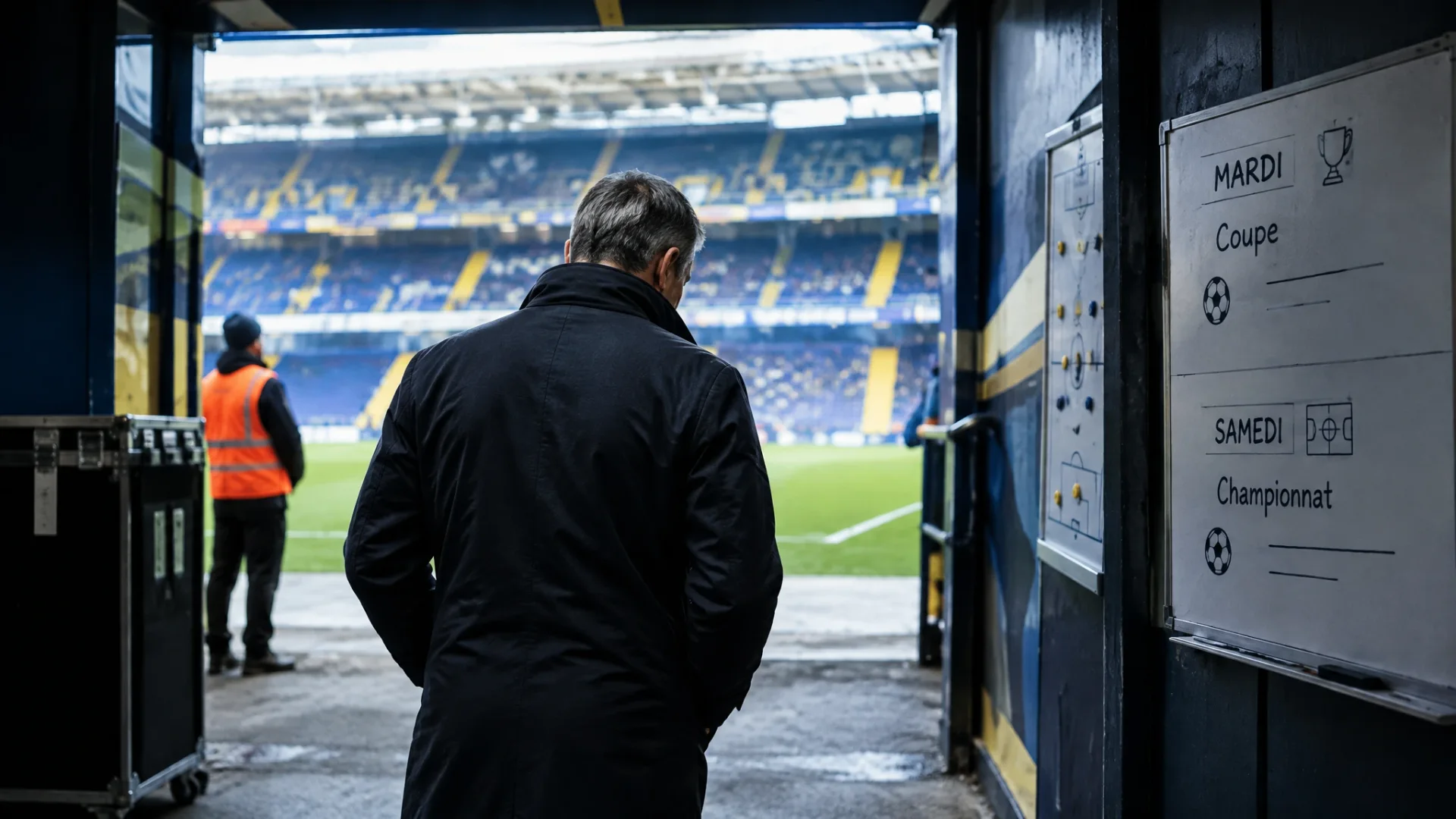 Opinion
Fenerbahçe: the coach exit is a timing problem, not just a derby hangover
The defeat at Galatasaray hurt, but the real issue is the calendar: a managerial rupture lands between a cup midweek and a league weekend, with discipline still hanging in the air.
Lucien DelcourtItaly, Germany, Spain & Turkey