
Borussia Dortmund’s cup escape was a blueprint first, a Sabitzer free kick second
The 3-2 win over Werder Bremen is not just a cup scare. The real question is whether Niko Kovač can keep the first-half intensity without inviting a second-half collapse.
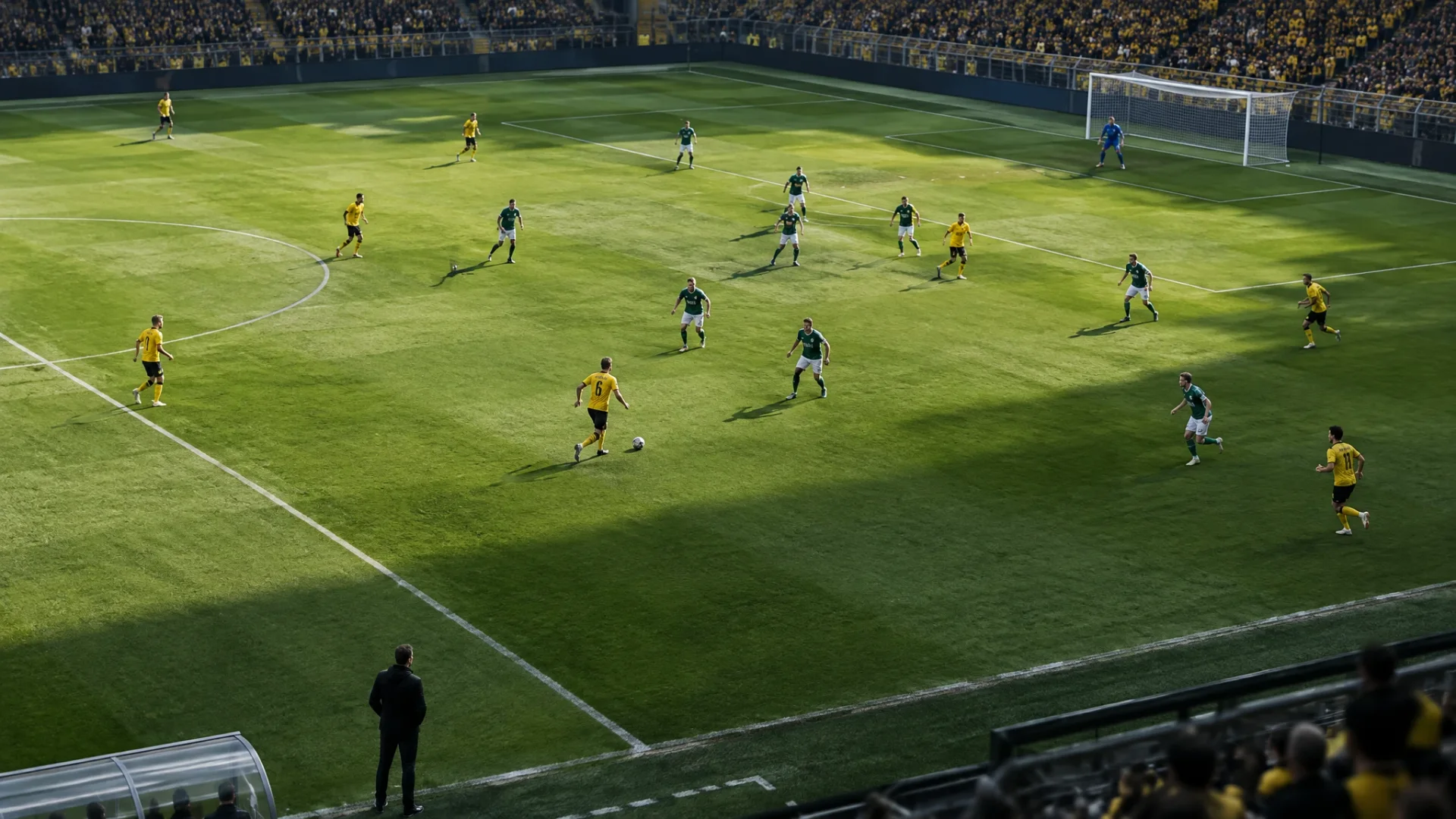
A first half that looked like a plan
For roughly an hour, Dortmund looked like a team with a recognisable idea: aggressive pressing, short distances between the lines, and a rare sense of control. German coverage makes clear that they were dominant before losing their grip after the break, which is the key point. This was not a miracle finish waiting to happen; it was a match being shaped by structure. [2][3]
That is where the praise stops and the harder reading begins. Kovač did not just get a good spell; he got a framework. The trouble, as with many sides that want everything done at speed, is that a nervous framework can demand more energy than it creates. Dortmund showed a useful tactical ceiling, but also an obvious physical and mental cost. []
Sources : [2] Sportschau ↗[3] Sportschau ↗
When control turns into panic
The second half changed the game. A 2-0 lead became 2-2 in three minutes after Niclas Füllkrug’s double, and the match drifted into what Sportschau openly described as a wild and unorganised spell. That is not just colourful language. It is the problem. [2][3]
Dortmund were not merely pegged back; they stopped dictating the match’s shape. That is the real test for a team under construction: can it accelerate without falling apart? For now, the answer is only partial. The pressing is there, the suffocation is there, the ability to create a collective chokehold is there. What is missing is duration. []
Sources : [2] Sportschau ↗[3] Sportschau ↗
Sabitzer’s free kick does not erase the warning
Marcel Sabitzer’s stoppage-time direct free kick provided the escape route, and the facts are simple enough: Dortmund beat Bremen 3-2 in the DFB Cup second round after leading 2-0 and then watching that advantage disappear. [1][2]
But the danger of such an ending is that it tells an easy story: the big club rescued by individual brilliance. In reality, Sabitzer mostly covered up a warning sign. A late winner can lift a dressing room; it does not solve the fragility of a side that too quickly loses its head and its spacing after half-time. []
Sources : [1] Bundesliga ↗[2] Sportschau ↗
What Kovač has to keep
The next question matters more than the episode itself. German reporting notes that this win does not erase the issue of consistency, with Bayern looming in the background. Dortmund need a model sturdier than adrenaline: a press that does not empty out after the interval, line distances that stay compact, and a tempo that does not turn every regain into a coin toss. [3]
That is the blunt verdict: the project is becoming readable, but not yet reliable. If Kovač can preserve the first-half intensity without opening a permanent hole after the break, this Dortmund can become more than a spectacular side. If not, it will remain a team that survives on last-gasp free kicks — an attractive story, and an expensive method. []
Sources : [3] Sportschau ↗
Read next
 Opinion
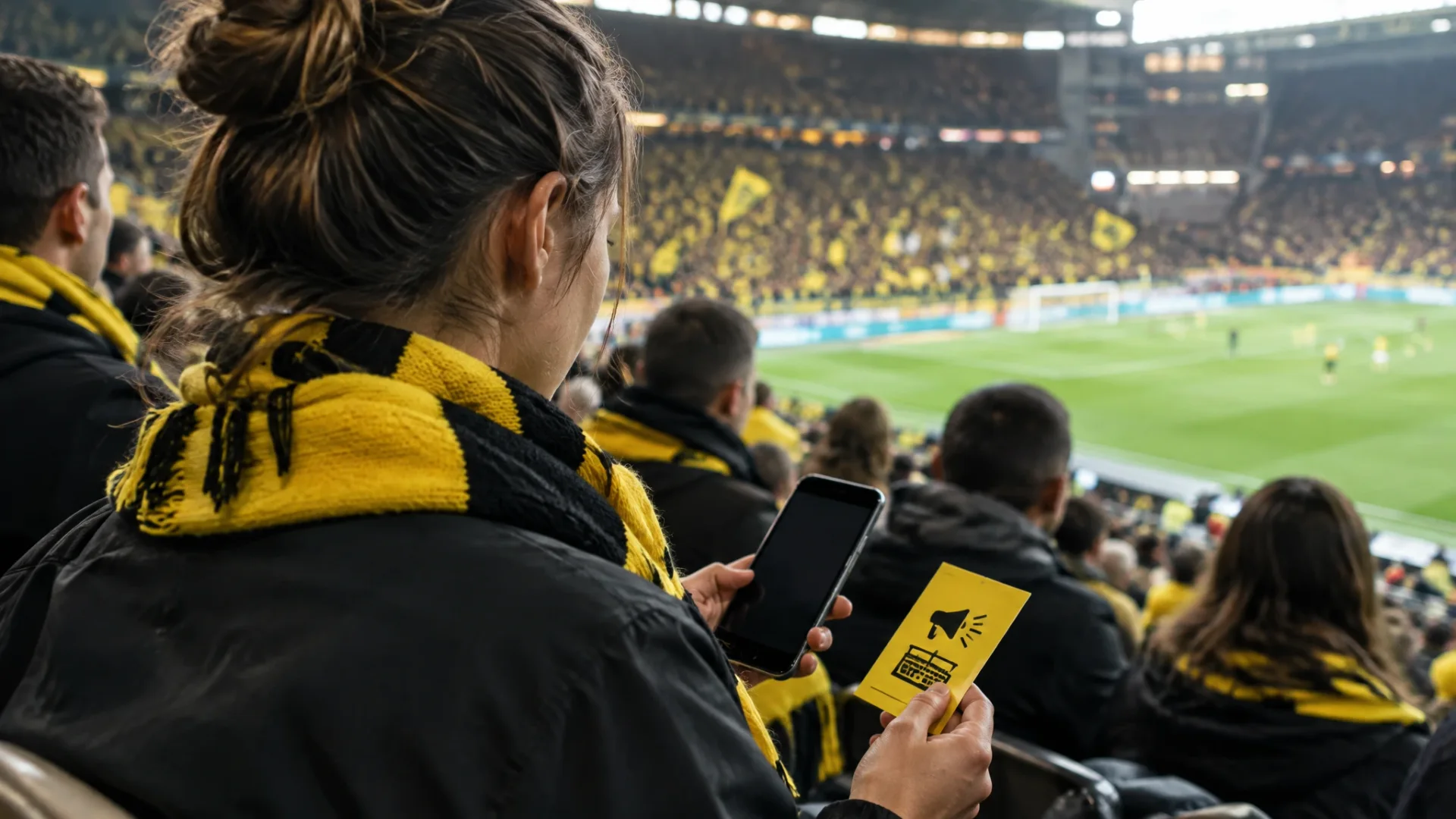
Borussia Dortmund’s Fan Mode asks a better question than bans: can rewards protect stadium atmosphere?
Dortmund is testing whether less phone use can be encouraged, not imposed. That matters because the club is trying to defend matchday feeling without turning supporters into content machines.
 Inès ValençaLatin America & world football
 Opinion
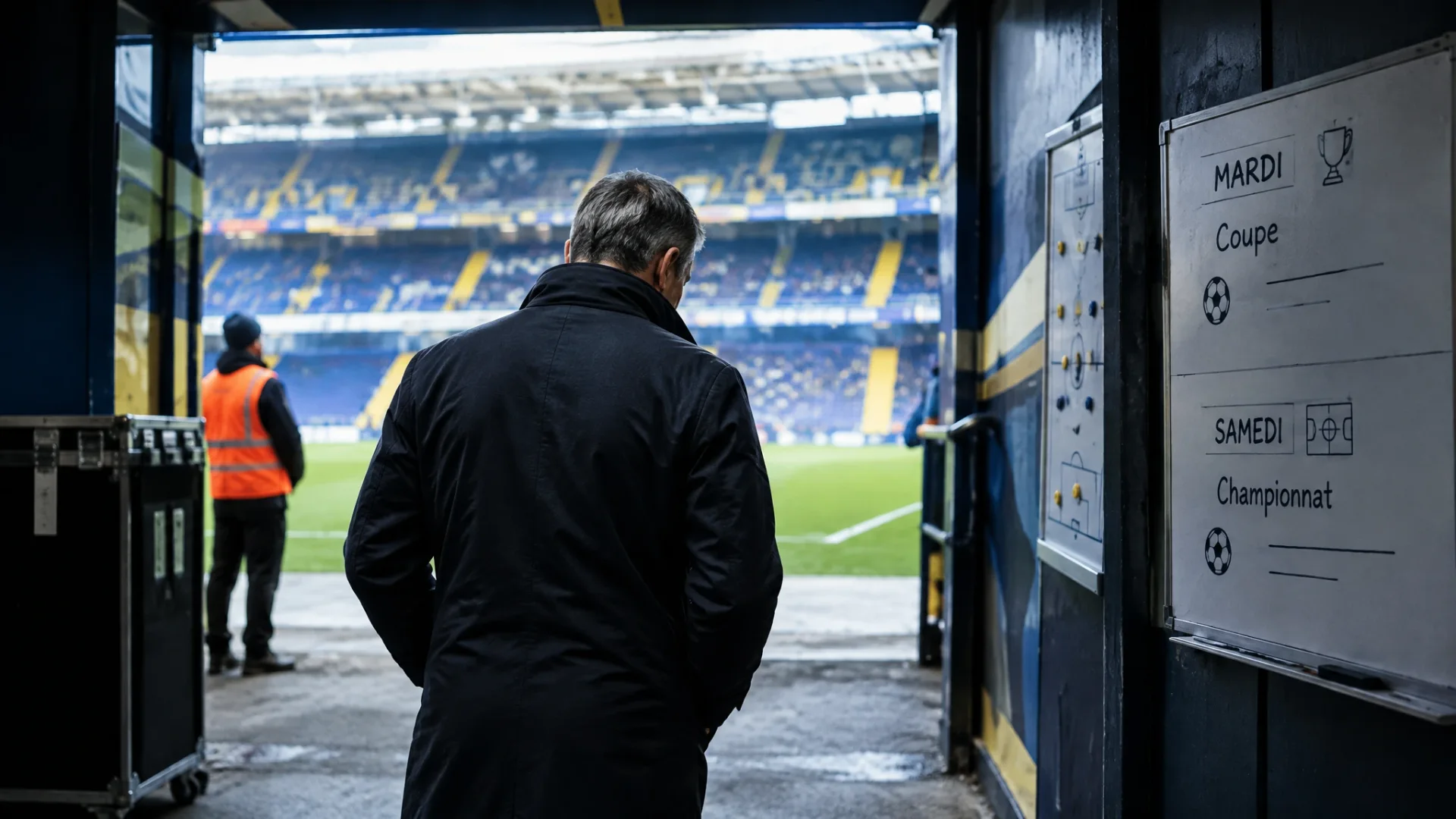
Fenerbahçe: the coach exit is a timing problem, not just a derby hangover
The defeat at Galatasaray hurt, but the real issue is the calendar: a managerial rupture lands between a cup midweek and a league weekend, with discipline still hanging in the air.
 Lucien DelcourtItaly, Germany, Spain & Turkey
 Opinion
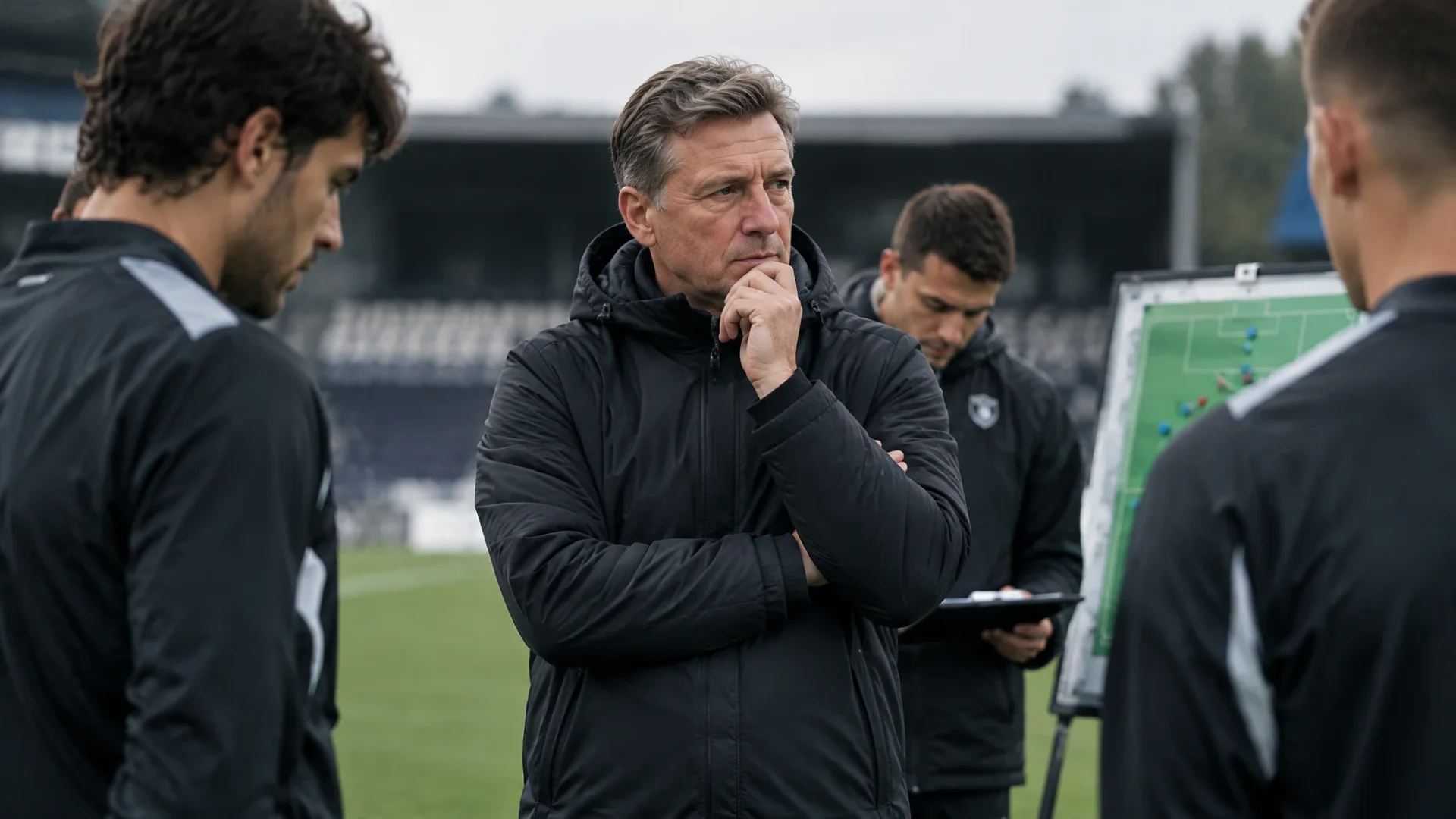
Udinese and Runjaic: patience that looks like calculation
After six straight Serie A defeats, Udinese are not only judging their coach. They are measuring what a change would do to recruitment, the dressing-room hierarchy and the next two fixtures.
Lucien DelcourtItaly, Germany, Spain & Turkey Opinion
Napoli, Allegri and the very practical cost of a two-match ban
Massimiliano Allegri’s suspension is not just a discipline issue: it leaves Napoli without its coach for Monza and Juventus. How much turbulence can a title contender really absorb?
Lucien DelcourtItaly, Germany, Spain & Turkey