
San Siro and the 31 October derby: Inter and Milan are selling a future on the wrong clock
The new San Siro plan was unveiled on the same day as protests and absences. The real question is simpler: can two clubs sell a future stadium when the calendar, the accounts and the optics already say otherwise?
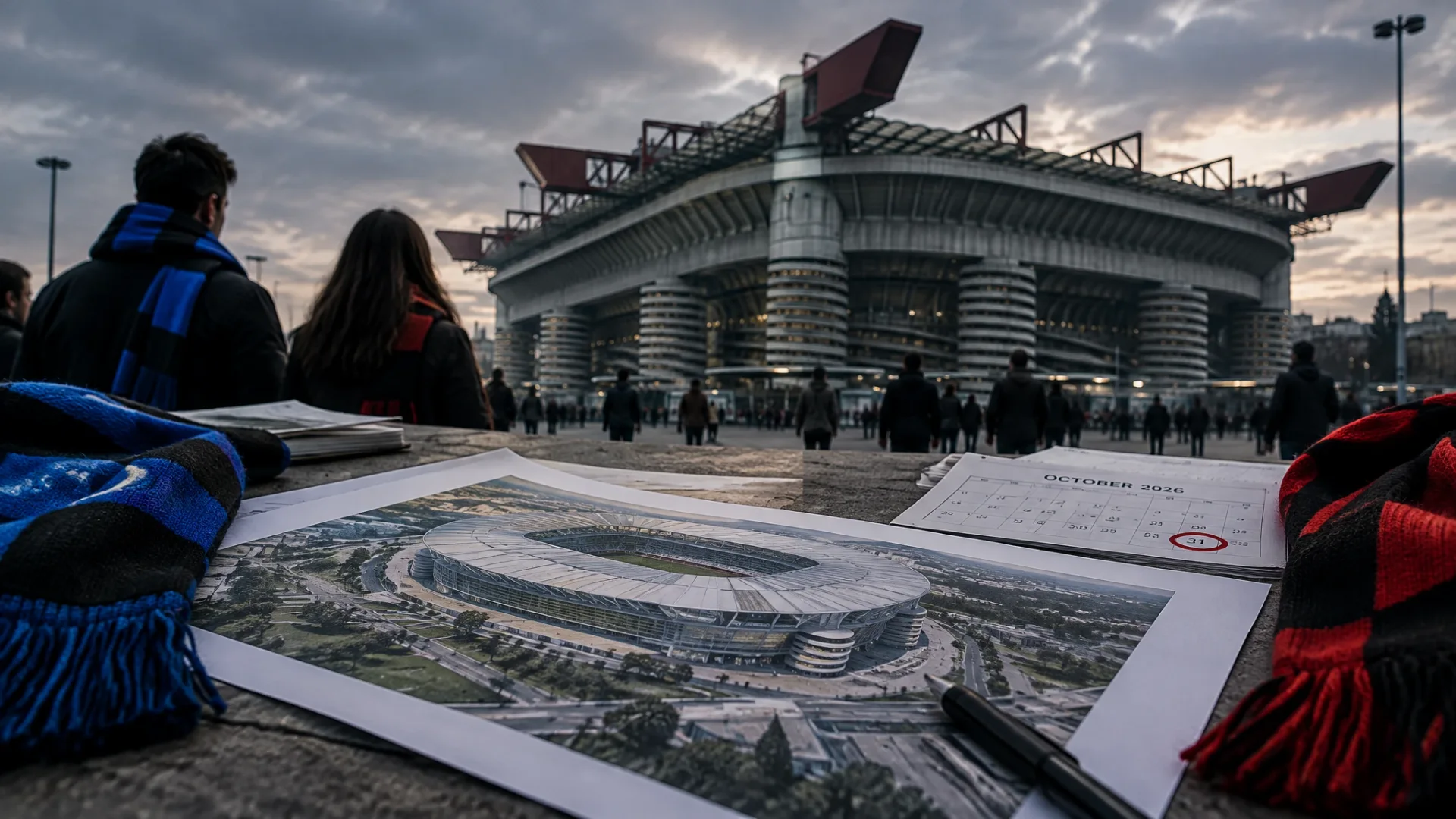
A project unveiled as if it were settled
The new San Siro project was presented in Milan on 29 October, in an atmosphere that felt less like a launch and more like a stress test. Inter supporters protested outside, while Milan directors were absent because their shareholders’ meeting was taking place at the same time. Nothing dramatic, nothing illegal — just the sort of detail that tells you a supposedly settled project is not settled at all. The new Norman Foster design replaces an earlier plan that had become invalid, which is another way of saying this story has already gone on long enough to lose its natural sheen. [1]
The problem is not that a project exists. It is the way it is being framed. When a club sells a future stadium, it is not only selling concrete and seats; it is selling an idea of control, timing and governance. Here, the presentation looked fragile from the opening scene. Big infrastructure projects do not like protest banners and empty chairs. They need the sense that a shared idea has become executable. This one still looks like something that must be argued for. []
Sources : [1] Football Italia ↗
The schedule tells you more than the speeches
Lega Serie A has already set Milan-Inter for Saturday 31 October at 20:45. The league programme also compresses the period around the derby, with fixtures clustered in late October. That matters because it strips San Siro of its most comfortable illusion: this is no longer a distant future debate, it lands in the middle of a very real football week. [3]
That is why the presentation feels oddly out of step. If the clubs want to persuade people that the stadium belongs to a rational future, they cannot look like they are chasing events. Right now, the league sets the rhythm, not the clubs. And when the calendar runs ahead of the message, the message already sounds late. []
Sources : [3] Lega Serie A ↗
Milan’s accounts turn the argument political
The story is not just architectural or civic; it is financial too. Milan confirmed revenue of €464.6m and a net loss of about €24m for 2025-26, saying the loss reflected not playing in European competition. The club also reaffirmed its commitment to a new stadium project in the San Siro area. [2]
That detail matters not as a spreadsheet footnote but as a political argument. A club that says it needs a new stadium because current income is not enough is trying to turn sporting and economic weakness into an infrastructure mandate. That can be a legitimate strategy. It becomes much shakier when the public sees protests, absentee executives and a badly timed presentation at the same time. []
Sources : [2] Football Italia ↗
The real issue is governance, not masonry
San Siro is no longer only a stadium file; it is a test of hierarchy. Inter and Milan want to sell a shared vision, but today’s image looked more like a governance exercise under floodlights than a civic rebirth. The stadium is not the central issue. The more important question is whether the clubs can align timing, finance and legitimacy. []
I do not buy the idea that architecture alone can fix what governance has allowed to fray. A fine design can disguise bad timing, but only for so long. If the clubs want the future San Siro to look like a founding decision, they first need to show they can manage the present. For now, they are offering a lesson in misalignment. []
Read next
 Opinion
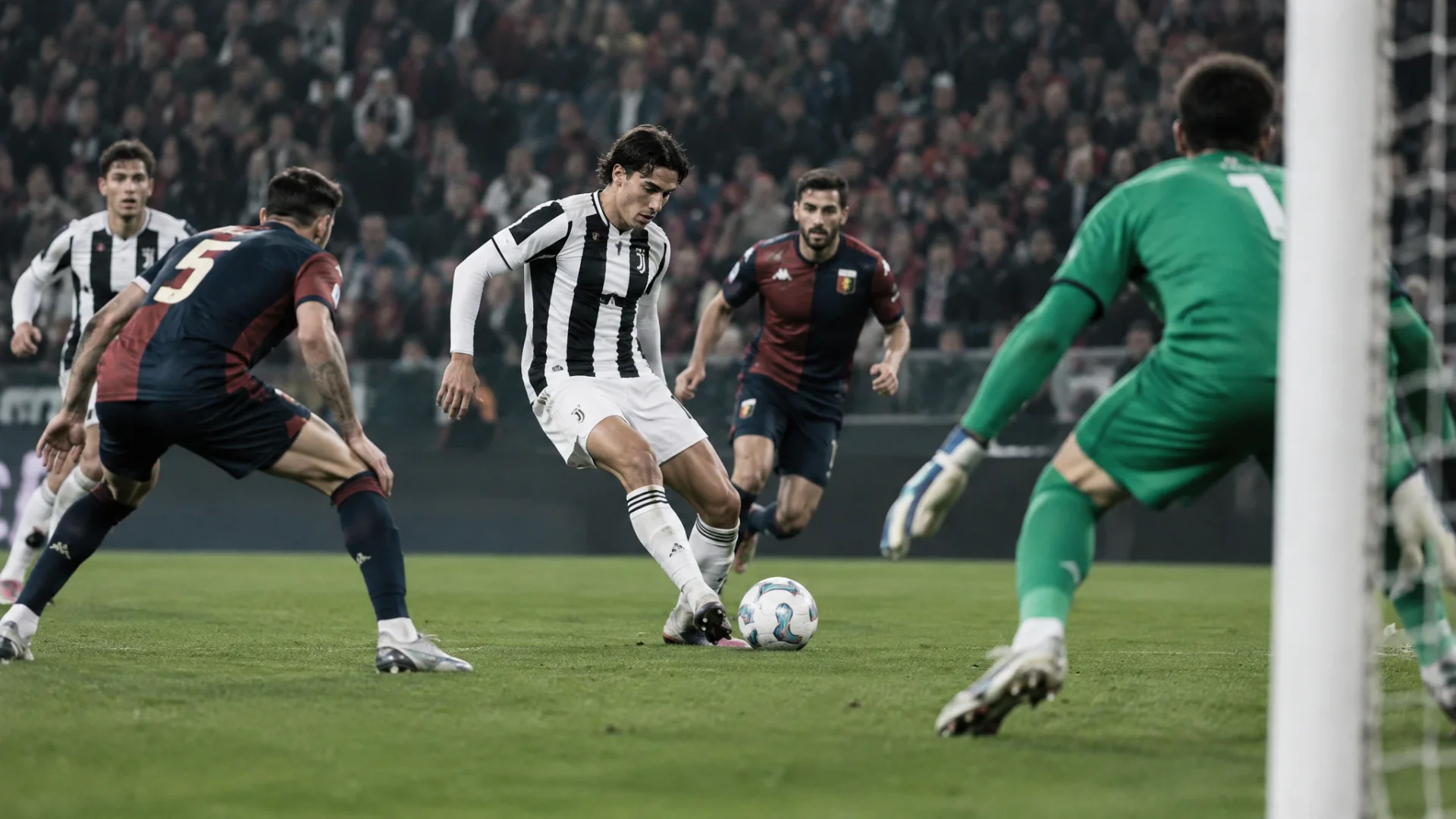
Juventus’ defeat at Genoa exposes a thin, low-quality attack
The loss in Genoa is not the real story. The real story is a Juventus side that turns territory into too few chances and leans too much on low-value shooting.
 Lucien DelcourtItaly, Germany, Spain & Turkey
 Opinion
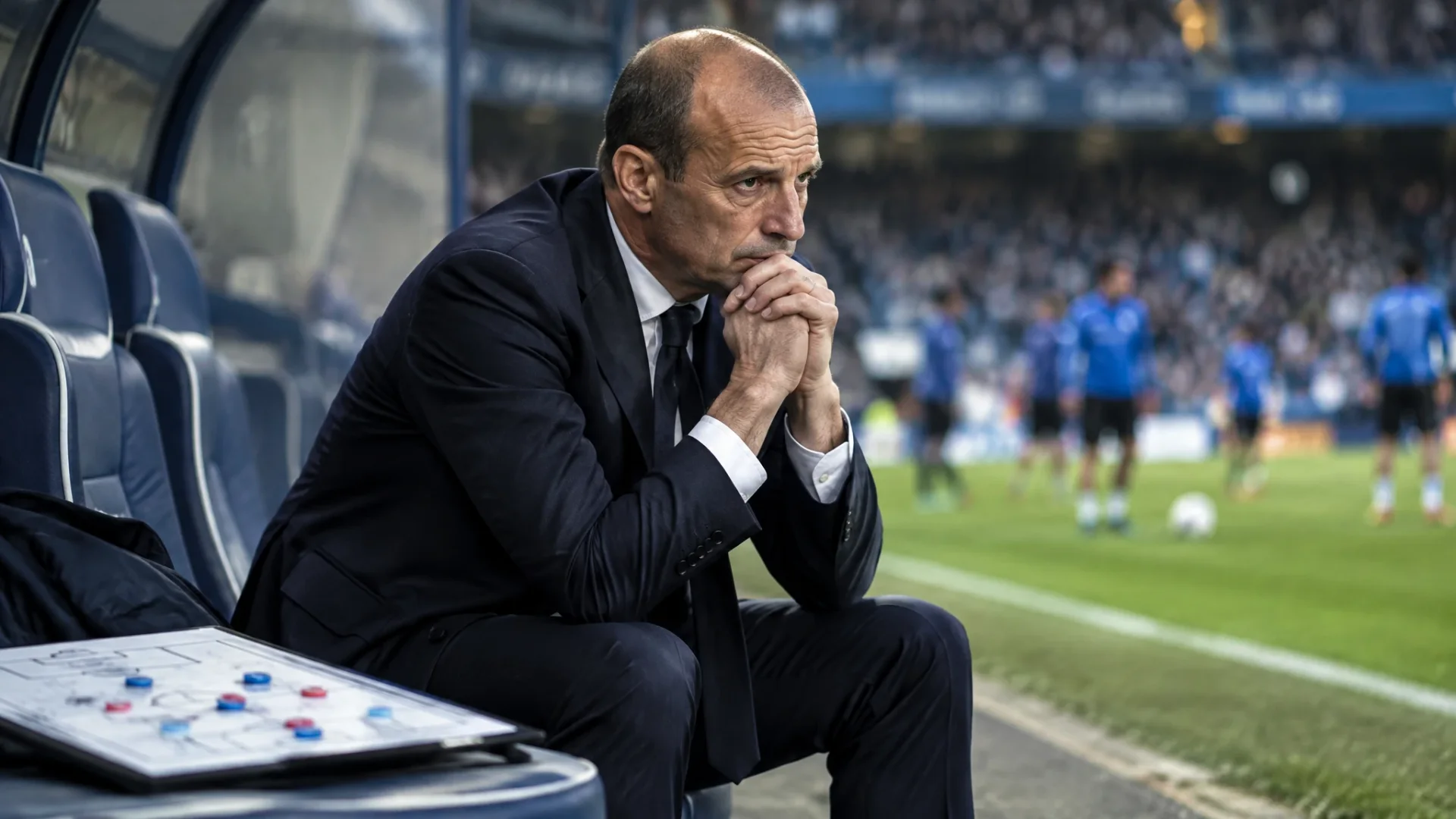
Napoli, Allegri and the very practical cost of a two-match ban
Massimiliano Allegri’s suspension is not just a discipline issue: it leaves Napoli without its coach for Monza and Juventus. How much turbulence can a title contender really absorb?
Lucien DelcourtItaly, Germany, Spain & Turkey Opinion
Udinese and Runjaic: patience that looks like calculation
After six straight Serie A defeats, Udinese are not only judging their coach. They are measuring what a change would do to recruitment, the dressing-room hierarchy and the next two fixtures.
Lucien DelcourtItaly, Germany, Spain & Turkey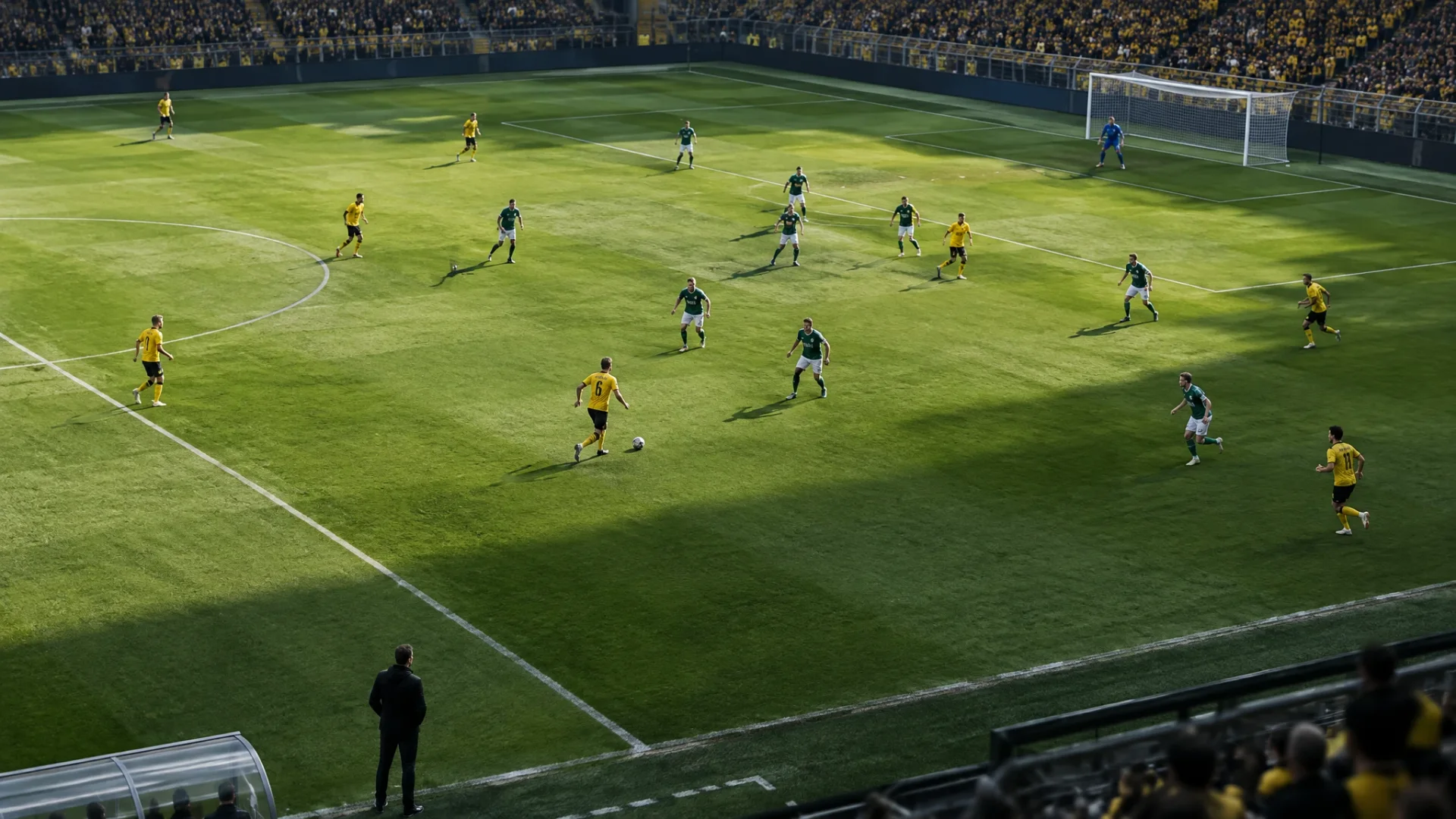 Opinion
Borussia Dortmund’s cup escape was a blueprint first, a Sabitzer free kick second
The 3-2 win over Werder Bremen is not just a cup scare. The real question is whether Niko Kovač can keep the first-half intensity without inviting a second-half collapse.
Lucien DelcourtItaly, Germany, Spain & Turkey Opinion
Fenerbahçe: the coach exit is a timing problem, not just a derby hangover
The defeat at Galatasaray hurt, but the real issue is the calendar: a managerial rupture lands between a cup midweek and a league weekend, with discipline still hanging in the air.
Lucien DelcourtItaly, Germany, Spain & Turkey