
Udinese and Runjaic: patience that looks like calculation
After six straight Serie A defeats, Udinese are not only judging their coach. They are measuring what a change would do to recruitment, the dressing-room hierarchy and the next two fixtures.
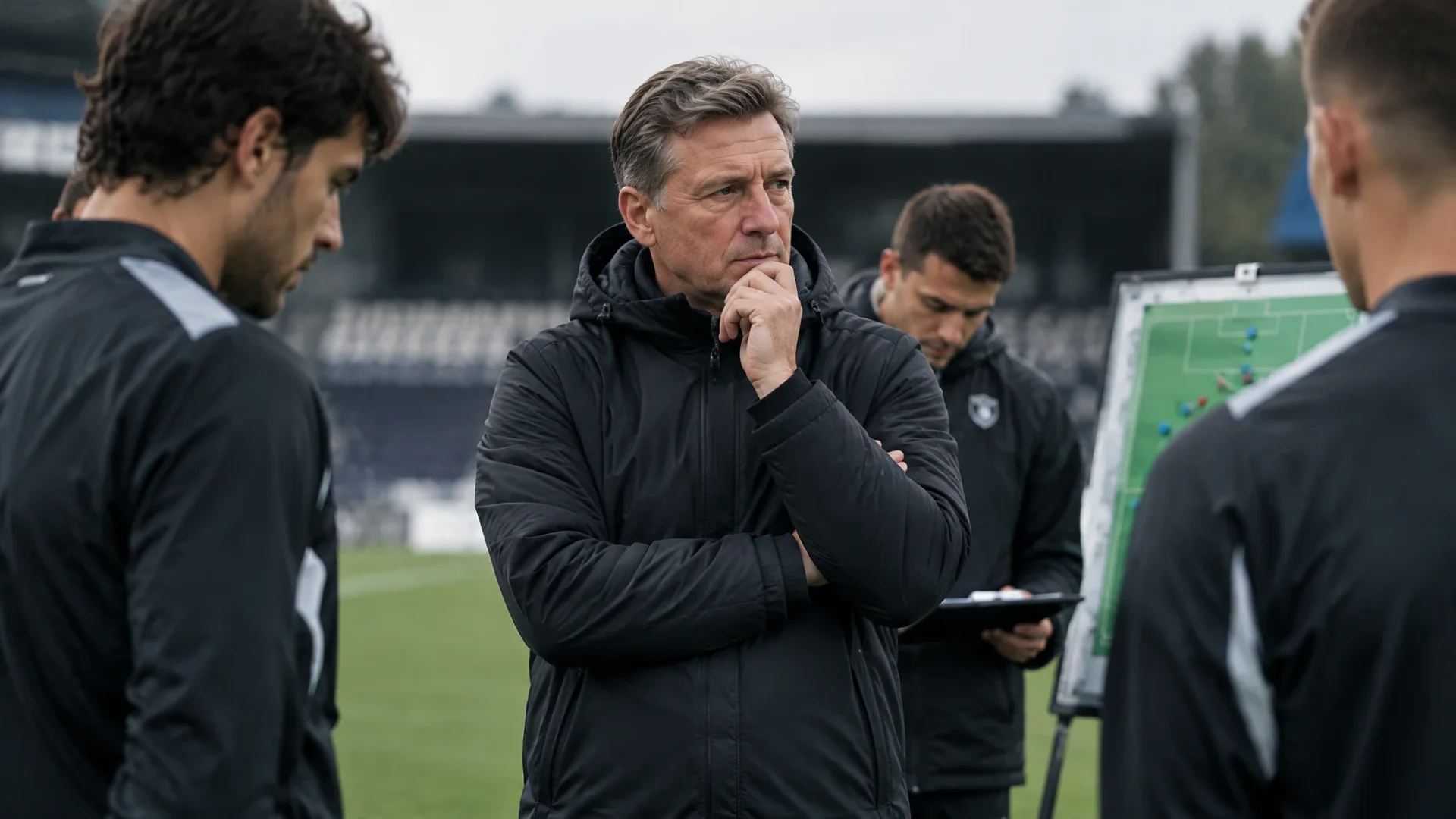
Six defeats, but no surrender
The 2-0 home defeat to Milan extended Udinese’s losing run to six Serie A games. Even so, the club is still backing Kosta Runjaic, with no visible expiry date on that support. That is less sentimental than it sounds: in a league that punishes hesitation, doing nothing can be rational if you believe the cure would cost more than the illness.
The key word here is not "trust" but "coherence". A club can decide that a coach is not just a short-term results fix, but the organiser of a recruitment plan. Replacing Runjaic in the middle of a collapse would not magically repair the trend; it would mainly test how clearly the club can present itself to the players already there and to the ones it wants to sign next.
Sources : [1] Football Italia ↗[2] Lega Serie A ↗
The real issue: command chain
When a team loses six in a row, the tempting response is to imagine a neat mechanical fix: sack the coach and start again. But Udinese are not only playing matches; they are managing an internal economy. If the dressing room senses that the club flinches at the first storm, hierarchy becomes blurry: some players start playing for their own survival, others wait for the next panic signal.
Keeping Runjaic therefore says something quite specific: the board would rather preserve the command chain than trigger a rushed cull. That is defensible, provided the talk does not collapse into inertia. A mid-table club does not have much margin for error; it has to choose between noise and method. Here, Udinese are betting that method still has value.
Parma, then Roma: two tests for one idea
The next two matches matter as much as the losing run itself: Udinese go to Parma and then host Roma. This is not only about points; it is about internal credibility. At Parma, the club can show that patience is not the same as resignation. Against Roma, it will find out whether the structure still holds against a more demanding opponent. The schedule has suddenly become an audit.
If Runjaic stays, it is not because everything is fine. It is because the board appears to think a change now would break more than it would fix. I find the calculation cold, almost austere, but not absurd. Football often punishes clubs that change merely to calm the room. It also punishes those who wait too long. Udinese are walking that narrow line, and that is exactly why this decision matters.
Sources : [1] Football Italia ↗
Read next
 Opinion
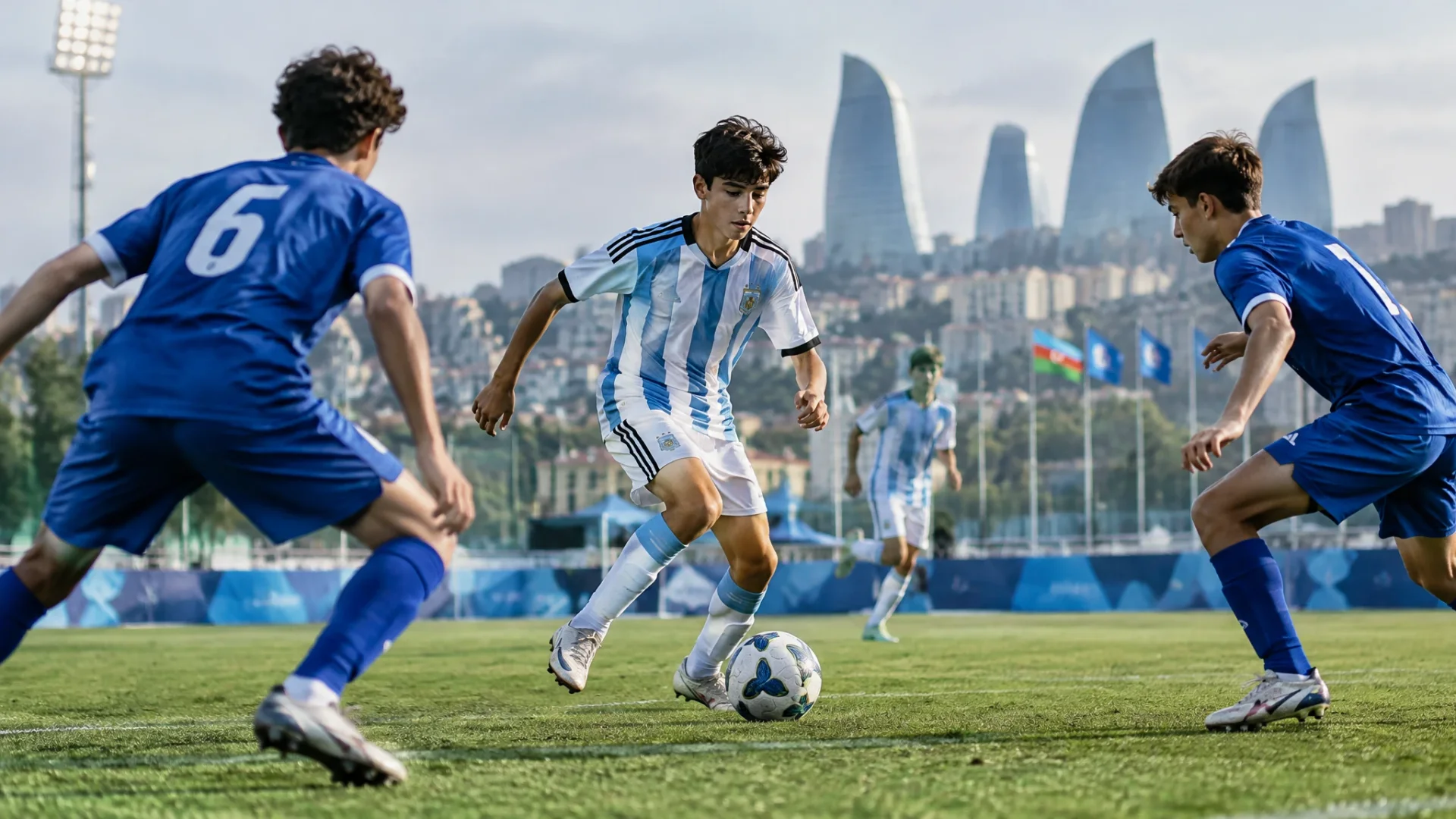
In Baku, FIFA’s new U-15 World Cup asks the right question: does more football actually mean better development?
FIFA’s first U-15 World Cup & Festival gives more federations repeated, competitive games. The real test is not the event’s scale in Baku, but what players take away from it.
 Inès ValençaLatin America & world football
 Opinion
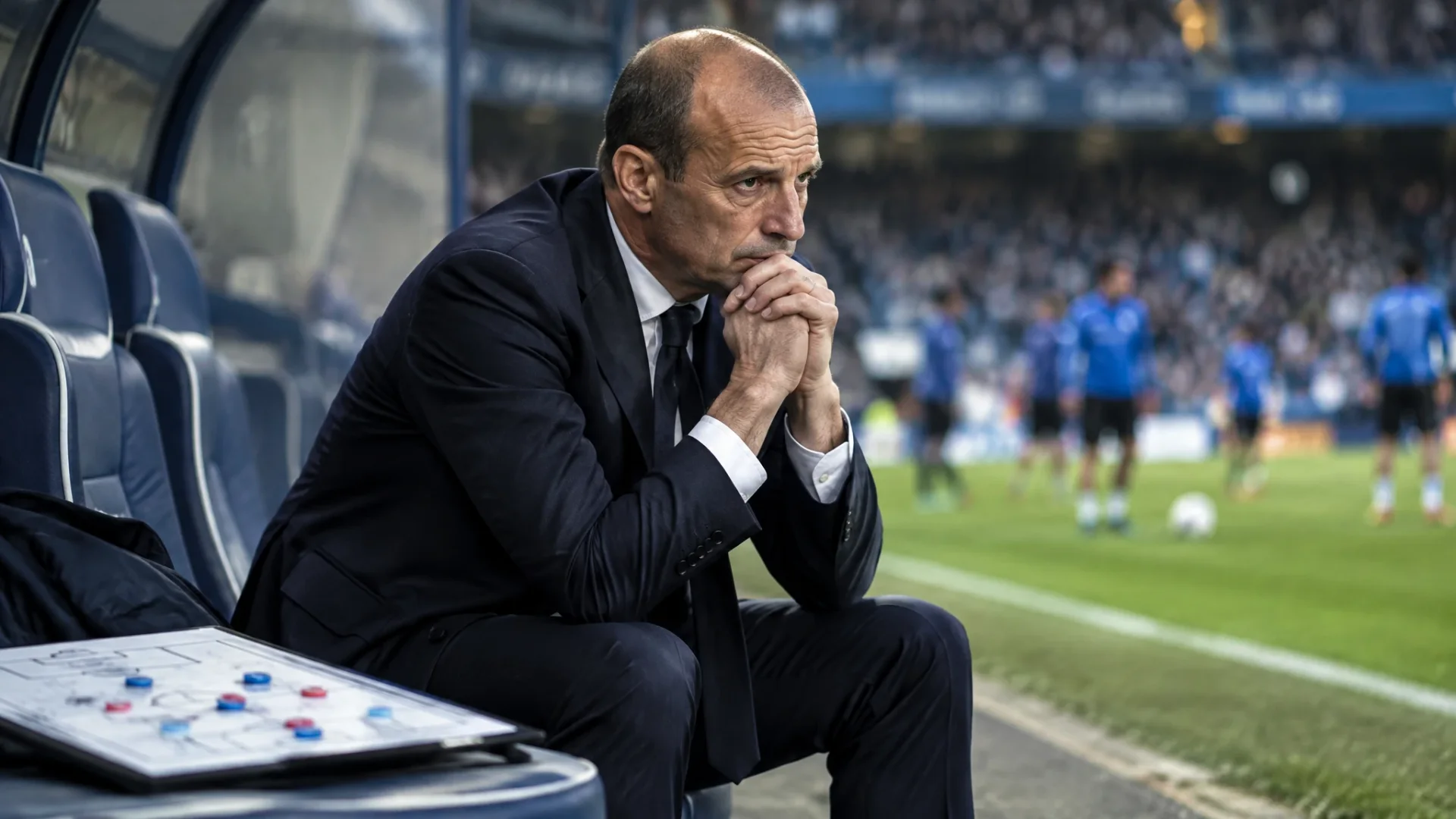
Napoli, Allegri and the very practical cost of a two-match ban
Massimiliano Allegri’s suspension is not just a discipline issue: it leaves Napoli without its coach for Monza and Juventus. How much turbulence can a title contender really absorb?
 Lucien DelcourtItaly, Germany, Spain & Turkey
 Opinion
US Saint-Malo, Les Marseillaises: when the shirt becomes an identity product
Why do special editions now say as much about the club as about the city, and why would Marseille recognise the pattern immediately?
 Basil ArtemoffTerraces, Marseille & style
 Opinion
French women’s football is shifting its decisive investment before age 14
PSG’s new U12-U14 preformation centre and LAuRAFoot’s U14F interdistrict pathway show that the real contest is now who builds the first serious bridge into elite development.
 Camille LaurentAcademies & breakthrough seasons
 Opinion
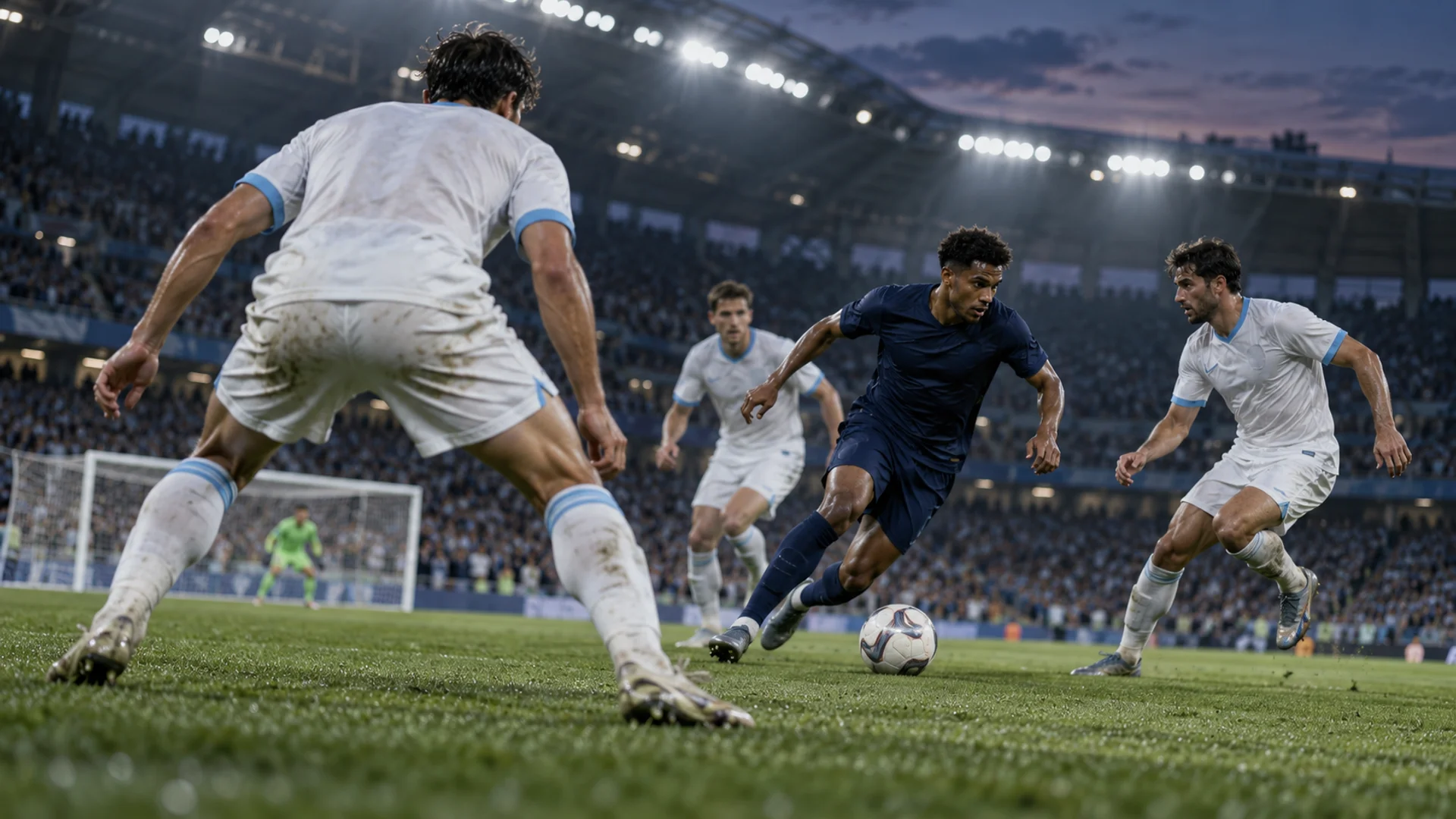
Marseille finally has a shape. The problem is what happens after 60 minutes
Against Le Havre, OM looked structurally clearer for an hour before unraveling. The issue is no longer finding a starting shape, but keeping it alive.
Basil ArtemoffTerraces, Marseille & style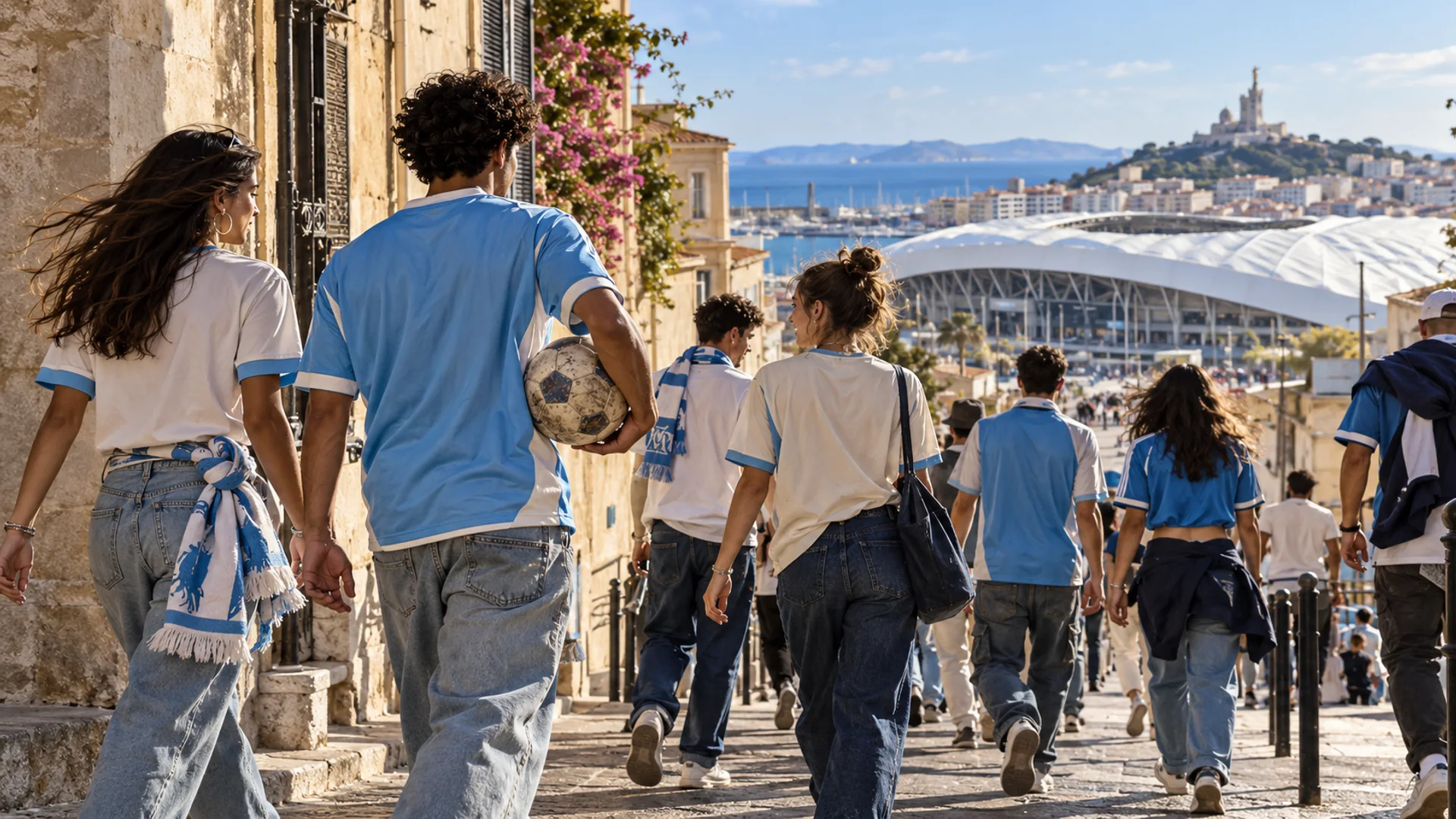 Opinion
At the Vélodrome, OM’s supporters are still the club’s most stable asset
When the club wobbles, the stand holds. And as shirts turn into cultural objects, Marseille is a reminder that a demanding crowd is worth more than any launch campaign.
Basil ArtemoffTerraces, Marseille & style