
Borussia Dortmund’s Fan Mode asks a better question than bans: can rewards protect stadium atmosphere?
Dortmund is testing whether less phone use can be encouraged, not imposed. That matters because the club is trying to defend matchday feeling without turning supporters into content machines.
Reward attention, don’t police it
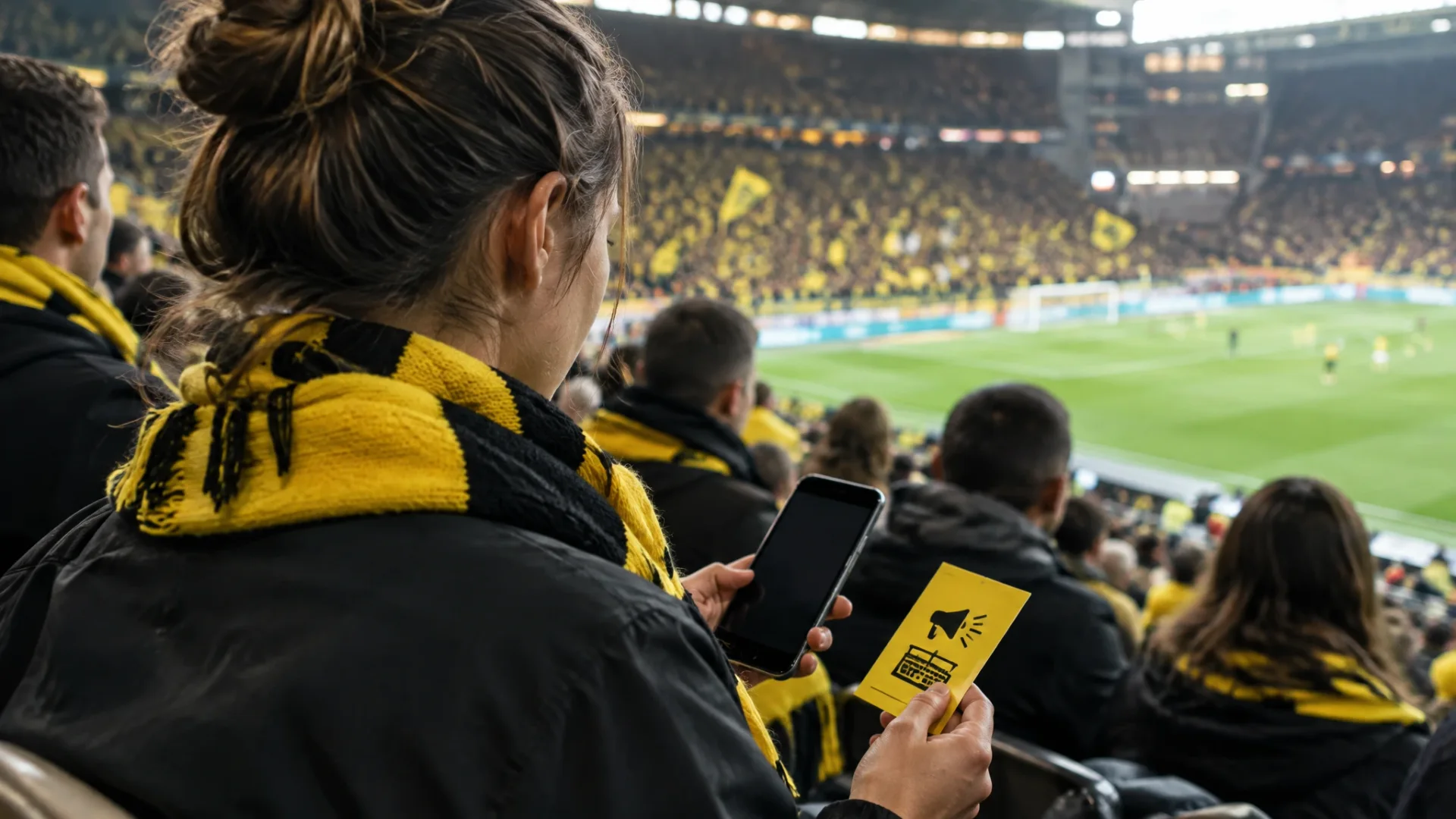
Borussia Dortmund has introduced a new feature in its official app called Fan Mode. The idea is straightforward: supporters who spend more time without unlocking their smartphones during a match can win prizes such as signed shirts or vouchers for the club shop. The scheme began at a home game against Eintracht Frankfurt. It is voluntary and does not block phone use; it simply measures unlocked screen time in the stadium. [1]
That detail is the point. Dortmund is not pretending that a stadium should become a device-free monastery, nor is it reaching for a blunt ban. It is testing a different logic: if attention improves the matchday experience, then attention can be recognised as something worth rewarding. [1]
Sources : [1] ge ↗
The right instinct, and the wrong temptation
This is not a trivial argument. Football already lives under pressure to turn every moment into content: clips, reactions, branded storytelling, shareable image-making. A Guardian report placed Dortmund’s move inside a broader German football backlash against influencer-style commercial filming in stadiums. [2]
But there is a danger in the opposite direction too. If a club wants to defend authentic matchgoing, it should not end up treating every supporter as data to be monitored. An app that counts phone unlocks remains intrusive, even when it is voluntary. If atmosphere matters, the club must avoid turning fan behaviour into another marketing input. [1][2]
Sources : [1] ge ↗[2] The Guardian ↗
What Dortmund gets right
The strongest part of the idea is its hierarchy of values. Dortmund is not saying: your phone is the enemy. It is saying: if you choose to be present in a different way, we will value that choice. That distinction matters, because it respects individual freedom while acknowledging that fuller attention can change the quality of a shared football experience. [1]
At a time when many clubs mainly try to extend the experience beyond the match, Dortmund is trying to make the match itself more central. That is a smarter instinct than a lecture about good behaviour. The question now is whether rewards can shift habits in a lasting way without creating a new bonus-hunting reflex. [1]
Sources : [1] ge ↗
A promising move, if it stays modest
I would rather see a club encourage useful behaviour than threaten punishment. Rewards can work better than bans when they are modest, clear and optional. But the aim cannot be to manufacture better stadium consumers. The aim is to protect what still separates watching football from living it. [1][2]
On that measure, Dortmund has opened an interesting path. Not a magic solution, and certainly not a model to copy uncritically. But it is a serious hypothesis: atmosphere is not defended only by limiting screens; it is also defended by making people want to look up. [1][2]
Sources : [1] ge ↗[2] The Guardian ↗
Read next
 Opinion
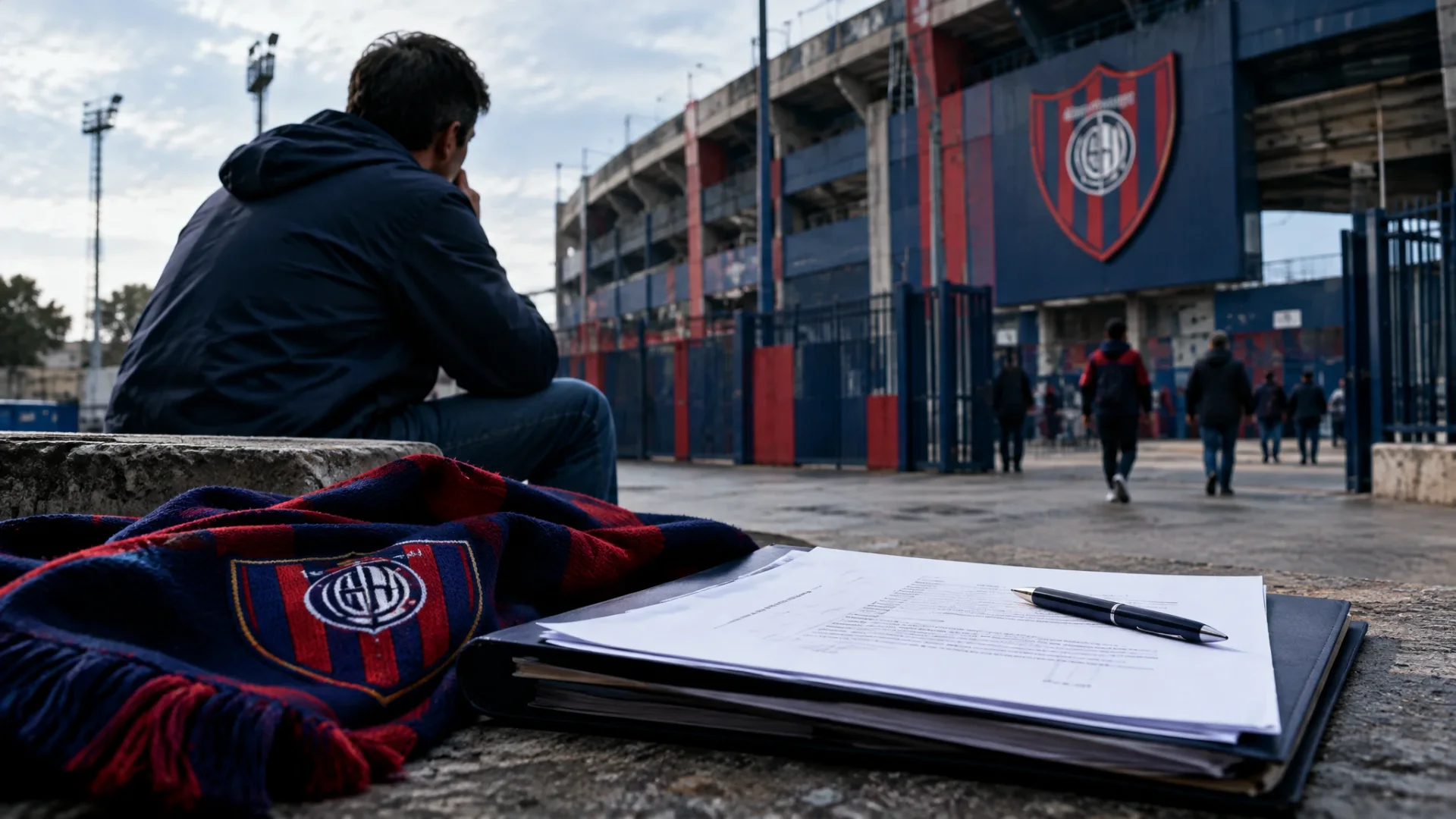
San Lorenzo is suing itself through its former president
Why does San Lorenzo’s crisis go beyond a balance sheet? Because a former president is now demanding $270,000 from the club while the current board says it still needs about $700,000 just to unlock sporting operations.
 Inès ValençaLatin America & world football
 Opinion
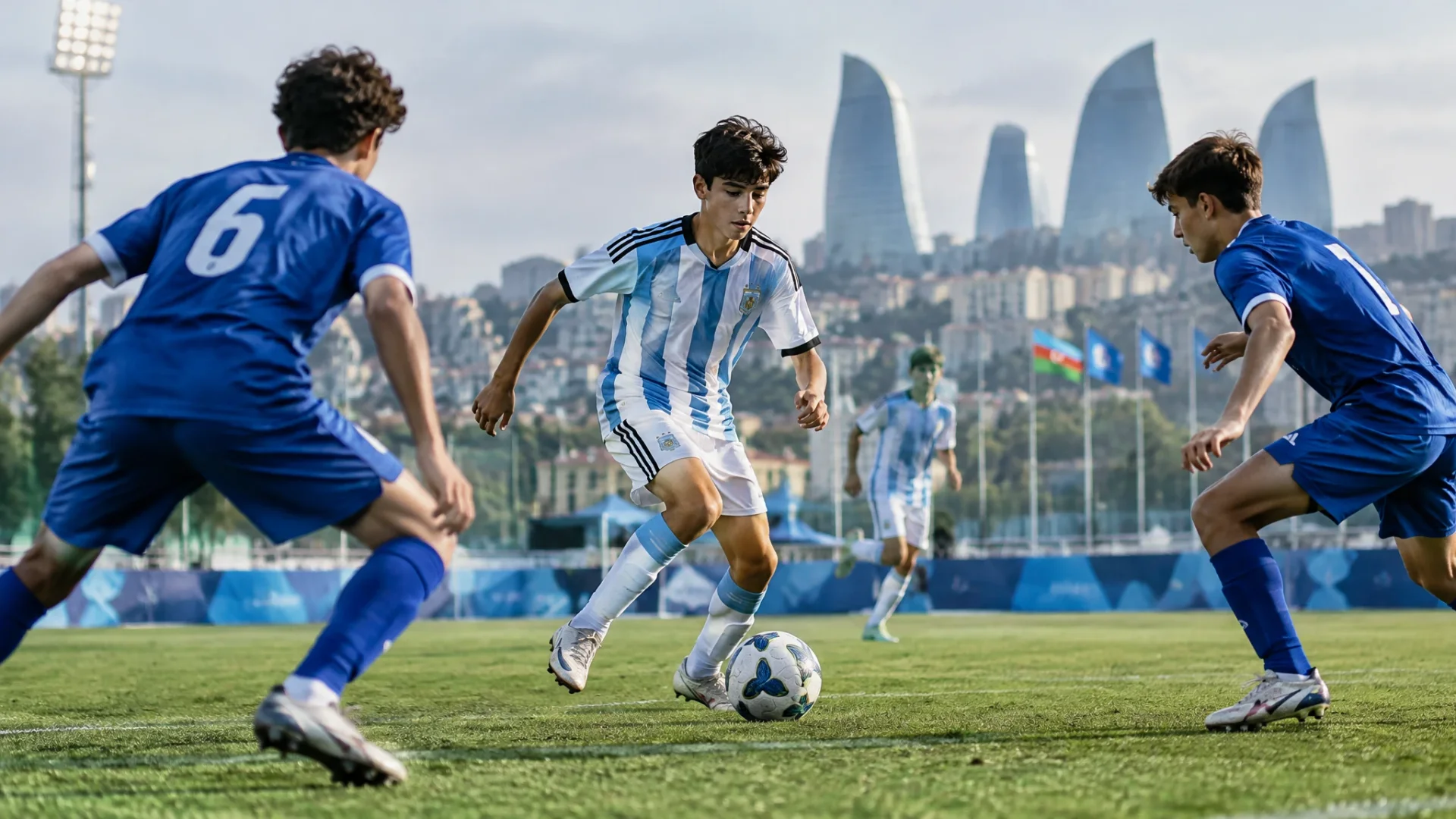
In Baku, FIFA’s new U-15 World Cup asks the right question: does more football actually mean better development?
FIFA’s first U-15 World Cup & Festival gives more federations repeated, competitive games. The real test is not the event’s scale in Baku, but what players take away from it.
Inès ValençaLatin America & world football