
Bayer Leverkusen’s Cologne derby win was built, not bellowed
How did Bayer Leverkusen turn a hostile Rhine derby into a lesson in method? By finding three different routes to goal: Aleix García’s set piece, Patrik Schick’s late finish and Ibrahim Maza’s creativity.
A derby won without the theatre
Bayer Leverkusen’s 2-1 away win at Cologne was tense, feisty and exacting, but the most interesting part was not the noise around it. It was the shape of the victory. Leverkusen struck early through a direct free kick from Aleix García, then settled the contest late through Patrik Schick. Cologne did pull one back in stoppage time, but too late to turn the evening into anything more than a consolation. The serious reading is simple: a well-built team copes better with ugly matches than a side living off one preferred script. That is not romance. It is roster design, which is usually less glamorous and far more useful.
Sources : [1] Bundesliga ↗[2] Sportschau ↗
García and the first route to goal
Aleix García’s free kick in the 7th minute says more than “early lead”. It speaks to how a club can assemble complementary tools instead of collecting names and hoping for chemistry. When a derby gets hot immediately, having a dead-ball specialist changes the match economy: the opponent must chase, while Leverkusen can choose its moments. Set pieces are not decorations attached to the game; they are one of the few pieces of football that can be planned in advance. A team recruited with that in mind earns points that slogans about intensity never promise. It is the kind of practical advantage supporters notice only after a season has quietly been decided by it.
Sources : [1] Bundesliga ↗[2] Sportschau ↗
Maza, Schick and the second exit
Patrik Schick’s 85th-minute goal, set up by Ibrahim Maza, showed the other benefit of a properly balanced squad: multiple ways to finish the job. Leverkusen did not need to invent a heroic lone act to survive the derby; it could close the match with a young creator and a central finisher. That matters when the opponent compresses space and the game starts to look stubborn. Maza’s assist was not just a nice detail, it was the release valve for an attack that did not need to force the issue blindly. Schick, meanwhile, did the thing strikers are paid to do and did it at the right time. In a hard derby, that combination is worth more than a hundred speeches about personality.
Sources : [1] Bundesliga ↗
What this says about the project
The real value of the result lies in its logic. Cologne, by the reports, stayed blunt in attack despite the late consolation; Leverkusen carried more than one attacking answer. That is where club building matters most: not in the marketing of ambition, but in the quiet accumulation of specialists. A squad that includes a free-kick threat, a penalty-area finisher and a young creator who can appear in the right pocket is better equipped for disorder than one built on habit alone. Rhine derbies often demand nerve. Leverkusen added design. And in football, design usually outlasts noise.
Sources : [1] Bundesliga ↗[2] Sportschau ↗
Read next
 Opinion
Elversberg in Dortmund: the record away block that explains a club’s rise
Why does Elversberg’s 8,000-strong away following in Dortmund matter? Because it shows a club that has scaled smartly enough to travel, press and behave like a top-flight outfit before size has caught up with it.
 Lucien DelcourtItaly, Germany, Spain & Turkey
 Opinion
RB Leipzig and Gruda: how one dribbler can power an entire attack
The 5-2 win over Augsburg raises a simple question: how does Leipzig create so much chance volume without a classic No. 10? The answer lies in one winger who bends the defence and a bench that turns the attack into an instant relay.
Lucien DelcourtItaly, Germany, Spain & Turkey Opinion
Cologne vs Leverkusen: the Rhine derby that tests two 20-year-old dribblers
The Rhine derby asks a blunt question: who can turn talent into goals, and who merely looks efficient on the way there? Saïd El Mala and Ibrahim Maza sit at the centre of that verdict.
Lucien DelcourtItaly, Germany, Spain & Turkey Opinion
Borussia Dortmund: without Guirassy, the attack loses its anchor
His thigh injury against Betis is more than a team news update: it forces Dortmund to confront how much of its attack still depends on one reference point.
Lucien DelcourtItaly, Germany, Spain & Turkey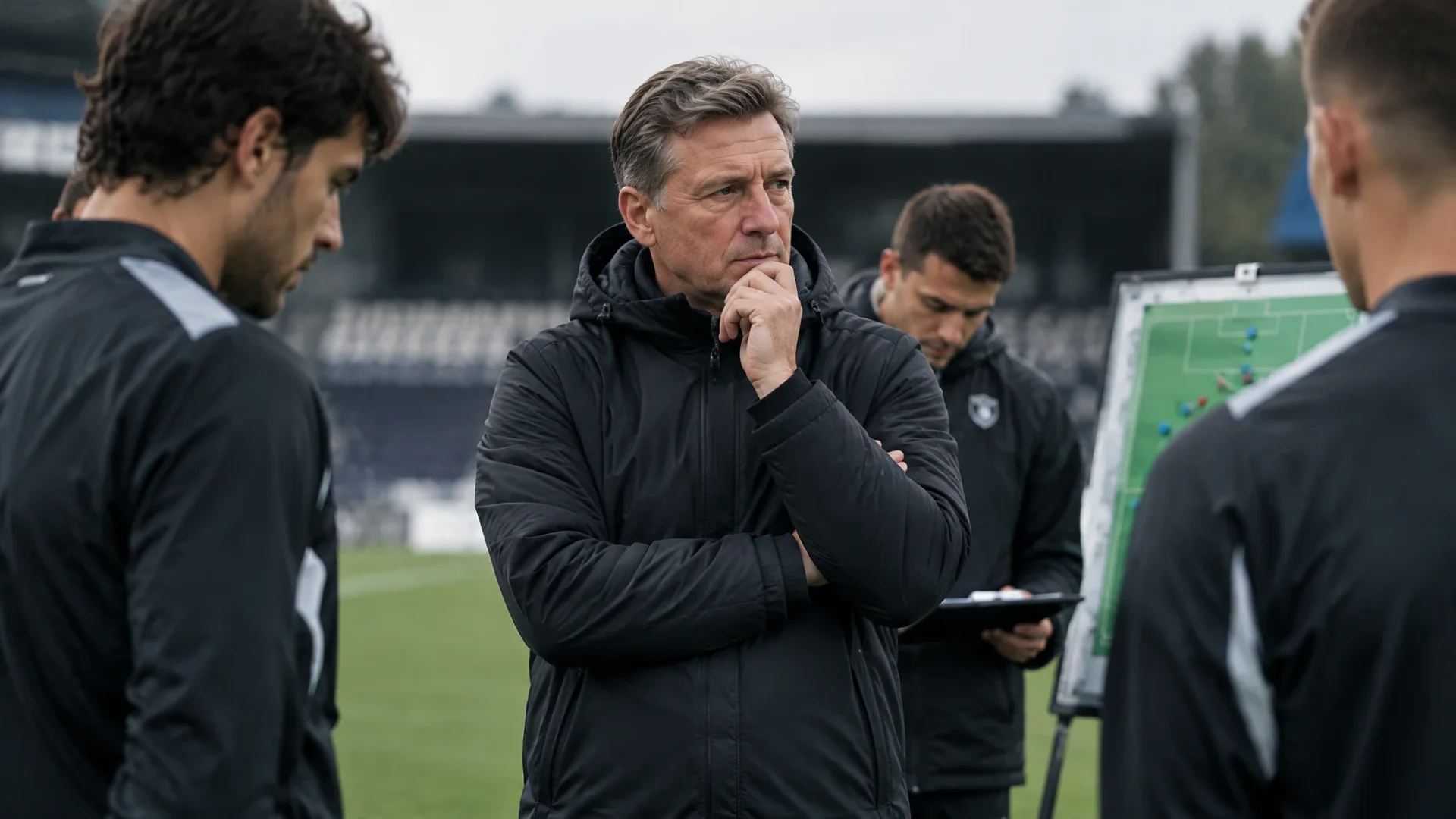 Opinion
Udinese and Runjaic: patience that looks like calculation
After six straight Serie A defeats, Udinese are not only judging their coach. They are measuring what a change would do to recruitment, the dressing-room hierarchy and the next two fixtures.
Lucien DelcourtItaly, Germany, Spain & Turkey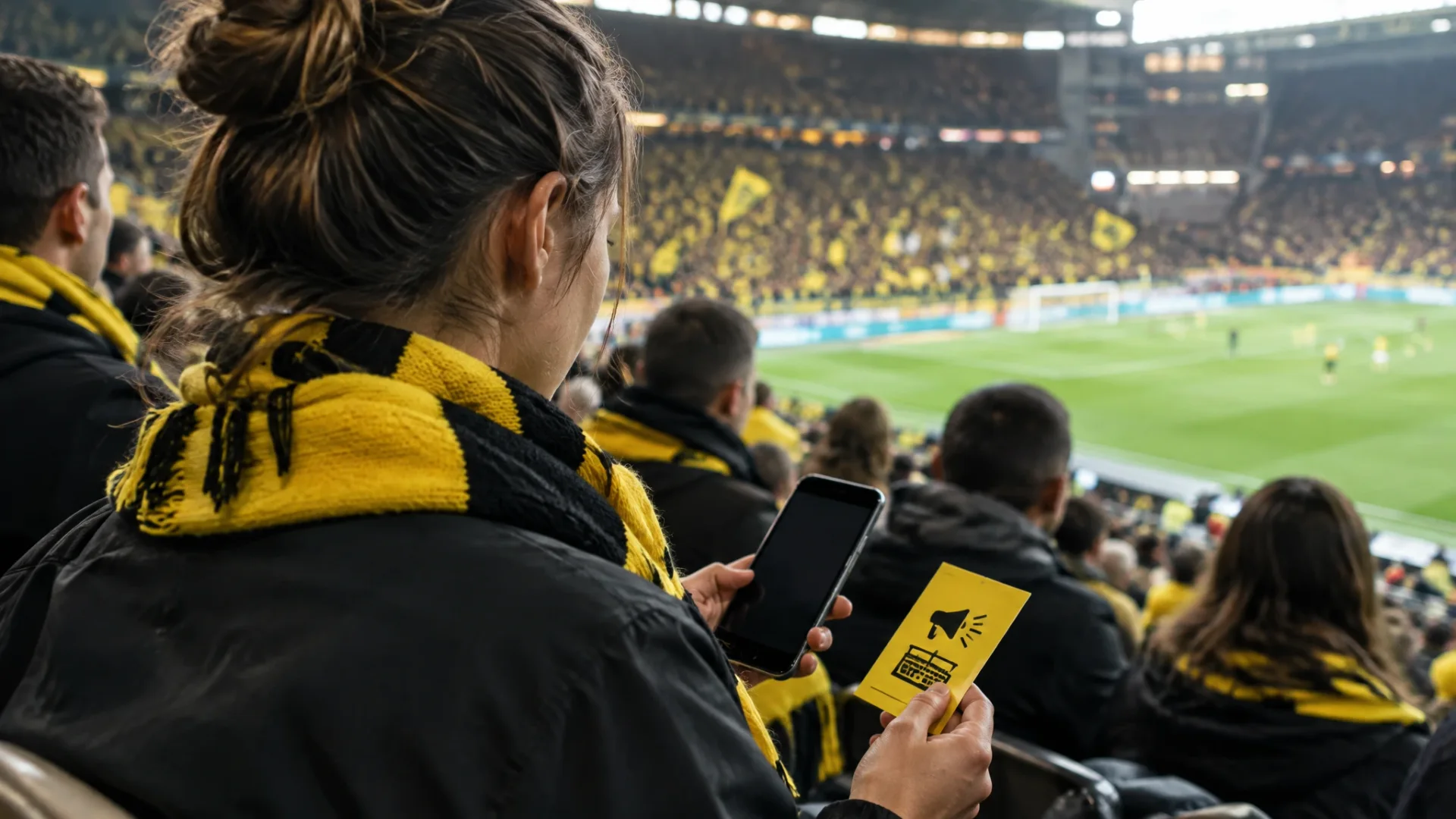 Opinion
Borussia Dortmund’s Fan Mode asks a better question than bans: can rewards protect stadium atmosphere?
Dortmund is testing whether less phone use can be encouraged, not imposed. That matters because the club is trying to defend matchday feeling without turning supporters into content machines.
 Inès ValençaLatin America & world football