
Uruguay, Argentina and the AFA: November is already manufacturing the post-Messi era
This November window is less about nostalgia than administration: squads, schedules and ticketing already show how the next cycle is being packaged.
A calendar turned into a product
The first sign of a cycle change is not always tactical. In November, the calendar itself is doing the talking. Argentina have set their friendlies against Uruguay on 13 November in Buenos Aires, then Costa Rica on 17 November in Córdoba. In the same breath, the AFA has opened ticket sales for the Córdoba match, with price tiers already published before kick-off. The message is plain: the national team is no longer just a sporting occasion, but a product of scheduling, sale and audience segmentation.
That is not a criticism in principle. Organising, selling and allocating seats are all part of modern football. But here, the administrative frame becomes the real stage for the post-Messi conversation: before anyone can say what Argentina want to become, we already know how the occasion will be packaged. It is practical, efficient, and a little cold. Which is exactly why it matters.
Sources : [2] AFA ↗[3] TyC Sports ↗
Uruguay, between selection and continuity
Uruguay have also announced their November squad. Diego Forlán has named a group combining players from South America and Europe, including names from Flamengo, Palmeiras, Napoli and Tottenham. The team will face Argentina on 13 November in Buenos Aires and the Dominican Republic on 17 November. For now, the list says more about method than about any dramatic reset: Uruguay are selecting along familiar recruitment lines, without trying to turn the moment into theatre.
That is where the analysis should stay grounded. A squad list is not a manifesto. It is an act of management. It tells you which clubs are being tapped, which profiles are preferred, and what balance the coach wants between continuity and renewal. In a short window, that is the real substance. The sentimental story about legacy quickly takes over, but the harder question is simpler: who is available, who is called up, and what football idea sits behind the choices?
Sources : [1] ge ↗
The post-Messi era will be ordinary, and that may be the point
TyC Sports gets one crucial thing right: this window is being framed as the first official stage of the post-Messi era. Yet national-team rebuilds almost never begin with a grand symbolic gesture. They begin in routine: a fixture list, a squad, a stadium, ticketing, published prices, announced times. It is less lyrical than a farewell, but far more revealing.
What November shows is that a federation can turn a historic transition into an ordinary operation. Argentina are not only playing friendlies; they are laying out the framework of what comes next. Uruguay are doing the same in their own way, managing the group and the trip. For supporters, this matters because the future of a national team is often visible in what it chooses to normalise. If the post-Messi era begins with something so mundane, that may be the clearest sign that it has truly begun.
Sources : [3] TyC Sports ↗[2] AFA ↗[1] ge ↗
Read next
 Opinion
Without Messi, Scaloni starts reshaping Argentina against Uruguay and Costa Rica — and the AFA is already selling the window
This first squad without Messi is less about mourning than reordering. Scaloni is beginning to rework the group for November, while the AFA turns the window into a public product with tickets already on sale for Argentina-Uruguay in Buenos Aires.
 Inès ValençaLatin America & world football
 Opinion
Boca, Atlético Mineiro, Estudiantes and Palmeiras: when CONMEBOL sets the time, it sets the script
Why does the South American final weekend feel less like a celebration than an exercise in control? Because once kick-off is fixed, weather, travel and TV optics matter more than match-day convenience.
Inès ValençaLatin America & world football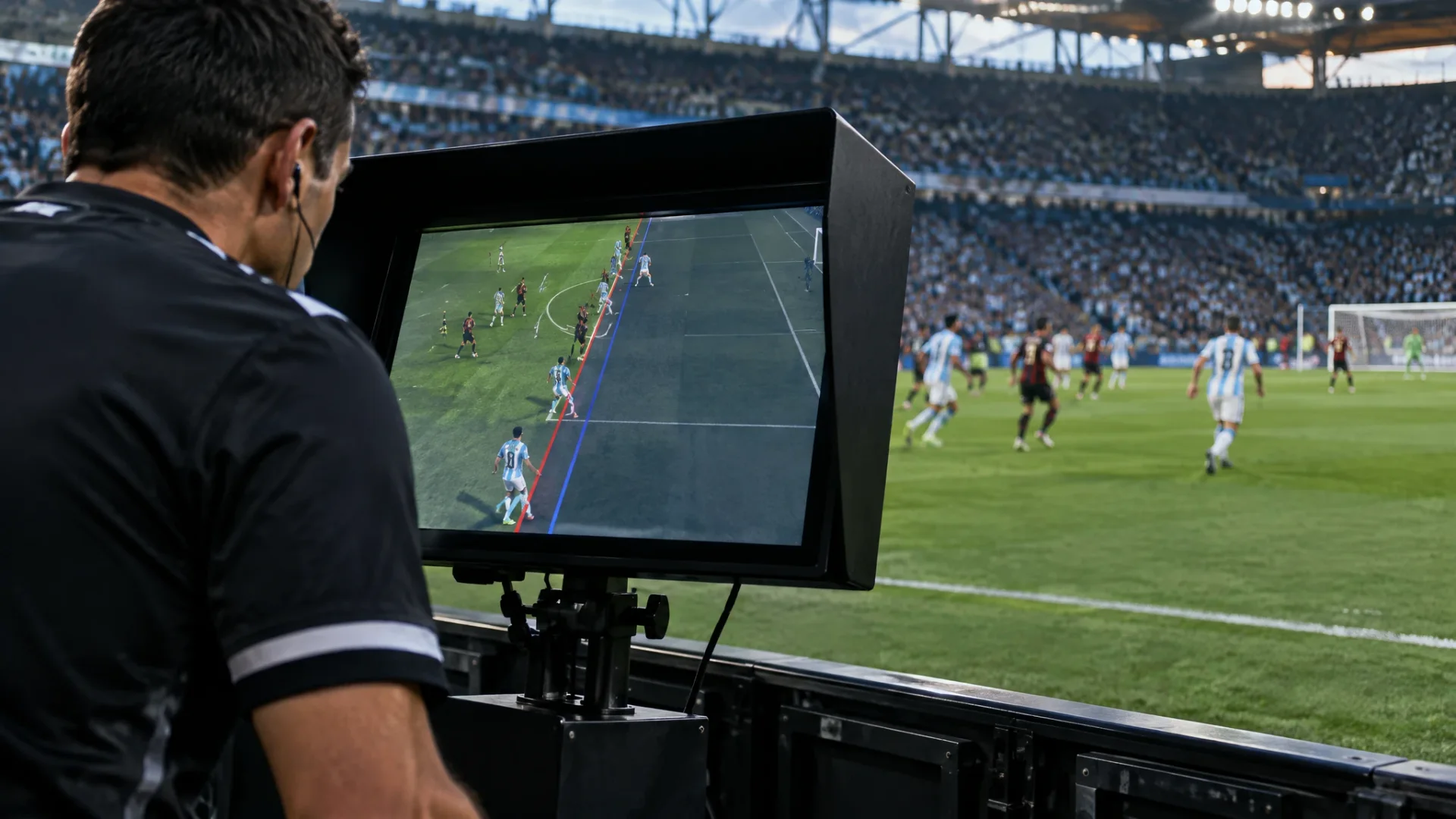 Opinion
AFA’s semi-automated offside debut at the Clausura final is a political choice, not a gimmick
Argentina is not rolling out SAOT everywhere at once: the AFA is staging it at the Clausura final before wider use in 2027. The key question is who actually benefits when offside calls get faster, and who still carries the grey areas?
Inès ValençaLatin America & world football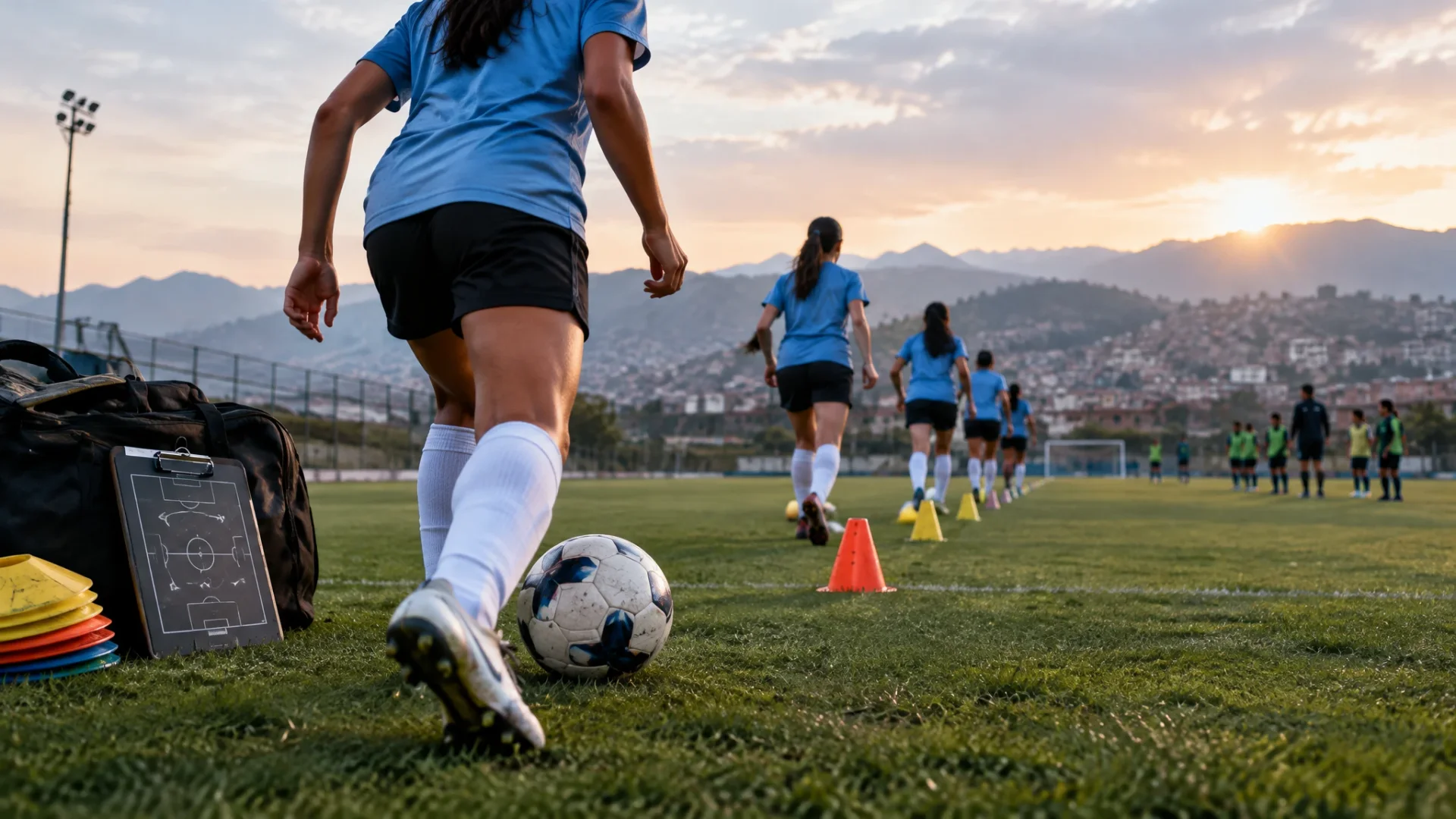 Opinion
FIFA, Argentina and Brazil: women’s football is now a pathway problem
FIFA’s latest women’s-football roundup points to the real bottleneck: campaigns and tournaments only matter if federations turn them into durable routes into the game.
Inès ValençaLatin America & world football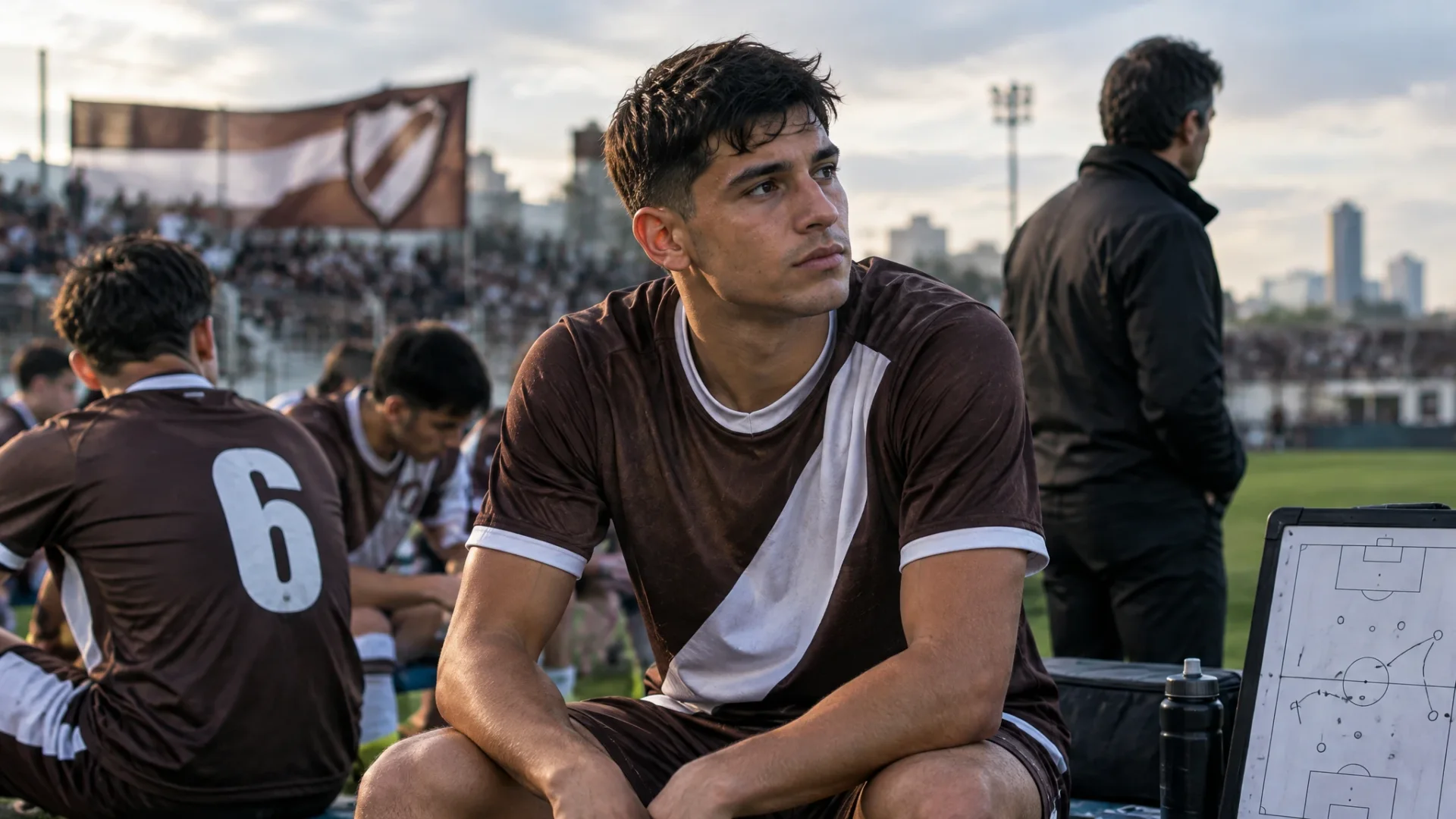 Opinion
Platense, the final and the real governance test
The Copa Argentina final is not just a shock run: it asks whether Platense can turn knockout survival into institutional progress and a continental pathway.
Inès ValençaLatin America & world football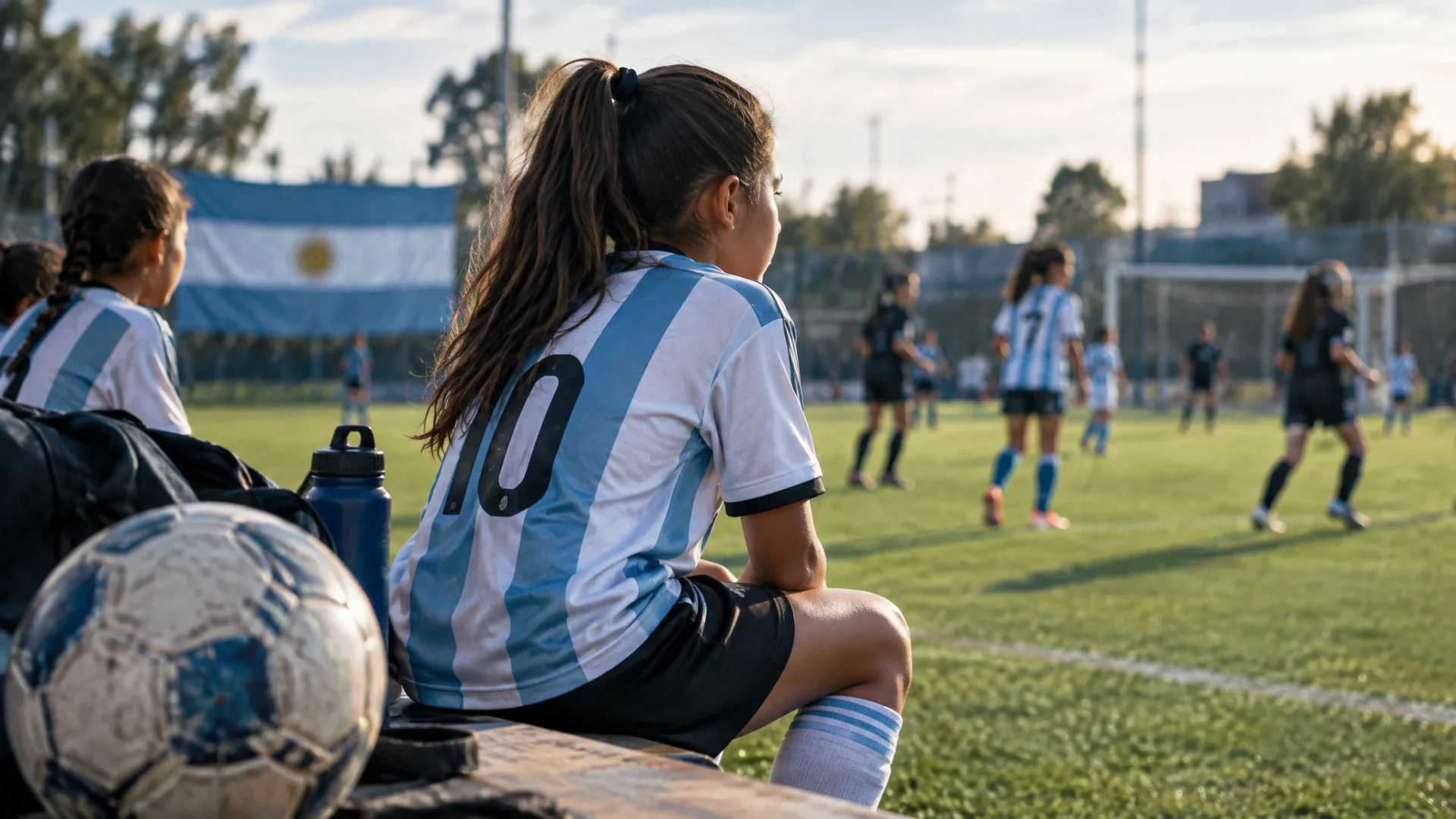 Opinion
Platense, AFA’s U-12 girls’ tournament and the real question: can Argentina build a lasting pathway?
Argentina is starting to build its women’s pipeline from both ends: a visible U-17 team abroad and a first official U-12 girls’ tournament at home. The point is not celebration, but continuity.
Inès ValençaLatin America & world football