
Boca, Atlético Mineiro, Estudiantes and Palmeiras: when CONMEBOL sets the time, it sets the script
Why does the South American final weekend feel less like a celebration than an exercise in control? Because once kick-off is fixed, weather, travel and TV optics matter more than match-day convenience.
A timetable that is already political
CONMEBOL has finally settled the kick-off times for its two main club finals, after moving the start again before locking it in. The published schedule has Boca facing Atlético Mineiro on 21 November in Barranquilla, and Estudiantes against Palmeiras on 28 November in Montevideo. That is not just a calendar update. It is a decision about when these matches will be played, and therefore in what conditions they will be experienced. [1][2]
What stands out is less the ceremony of the announcement than how late it comes. By this point, the kick-off time is no longer a neutral logistical detail. It becomes a way of closing debate, imposing order and presenting a power choice as if it were a technical inevitability. [1][2]
Sources : [1] AFA ↗[2] TyC Sports ↗
Television gets the comfort; the pitch gets the compromise
The reported change before the final confirmation makes the real priority easy to read: reduce friction, manage objections, protect a clean broadcast window. There is nothing wrong with televising a final. The problem starts when television becomes the organising principle for everything else, pushing heat, recovery and the basic dignity of an evening final into the background. [2]
The heat argument matters here. It is not treated as a minor comfort issue; it is one of the reasons the start time had to be pushed back. In other words, South American football is not staging its biggest occasions around the rhythm of players or supporters. It is correcting itself, late and awkwardly, after the constraints have already become impossible to ignore. [2]
Sources : [2] TyC Sports ↗
What these finals say about power
This story matters because it shows who gets to set the terms. When the final kick-off arrives as a locked-in announcement, the federation is not just scheduling a match. It is reminding everyone that access to the spectacle runs through its control. Fans adjust, clubs adjust, and the competition itself is treated first as a product to be packaged. [1][2]
That is why this deserves criticism. A CONMEBOL final weekend should not be reduced to a broadcast slot, or to a sequence of last-minute tweaks that pass for management. A serious continental showcase ought to balance visibility, playing conditions and the experience of the people who actually make the occasion. By shuffling the time until the last moment, the institution makes the opposite point: that the show comes before the match. [1][2]
Sources : [1] AFA ↗[2] TyC Sports ↗
Why fans should care
Fans do not need nostalgic speeches; they need a competition that respects their time and the players’ conditions. Once the dates are fixed, the debate should be about sporting coherence and the quality of the experience, not a trail of corrections sold as unavoidable. The more CONMEBOL centralises calendar decisions, the more this final weekend becomes a demonstration of authority. That is not neutral. It tells you who comes first when South American football is arranged. [1][2]
Sources : [1] AFA ↗[2] TyC Sports ↗
Read next
 Opinion
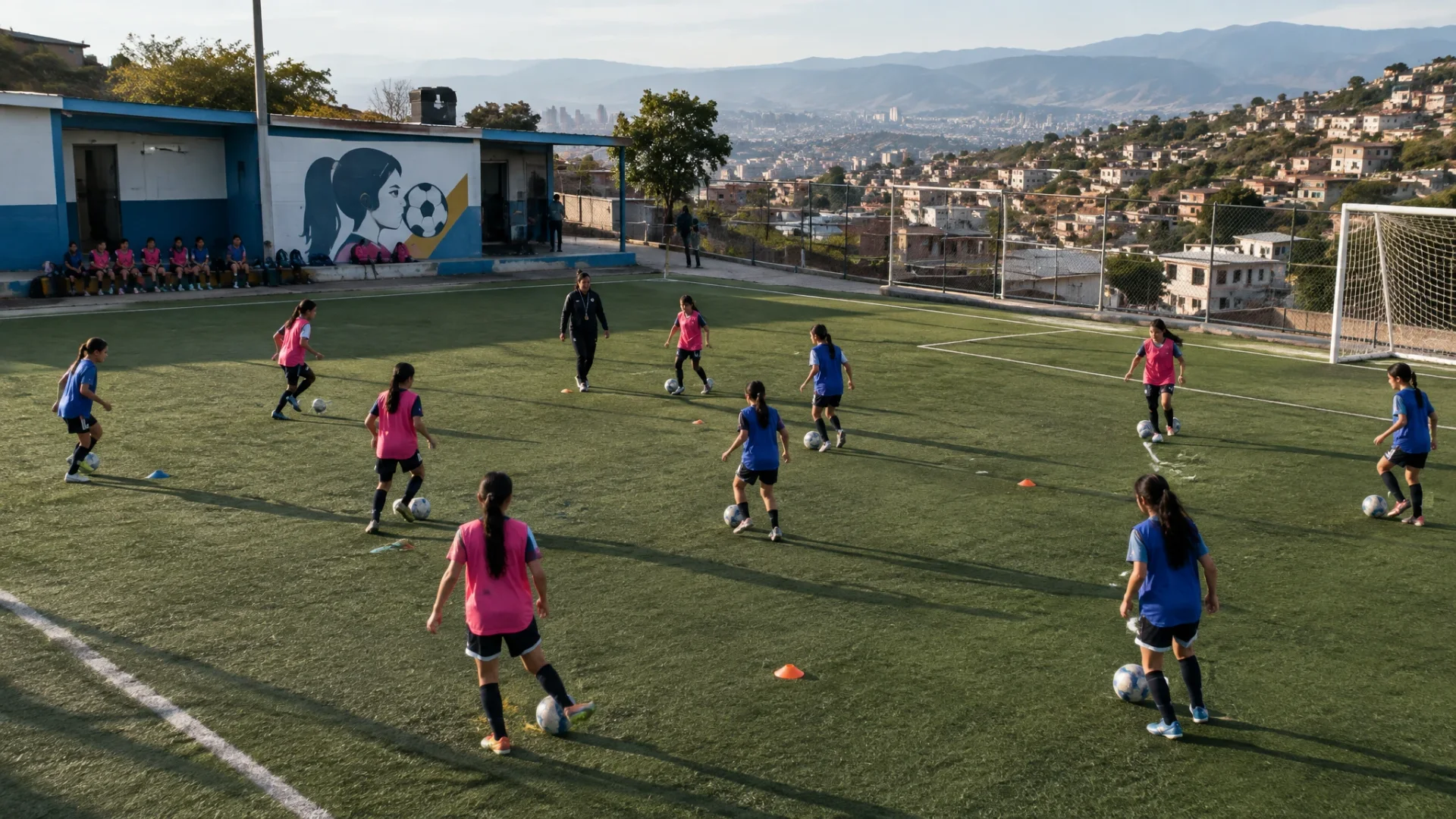
CONMEBOL and Plan International: SUMA Fútbol 360° must prove it can outlast the press release
The new alliance with Plan International matters less for its launch than for the question it raises: can a confederation turn community-football language into durable local access, especially for girls?
 Inès ValençaLatin America & world football
 Opinion
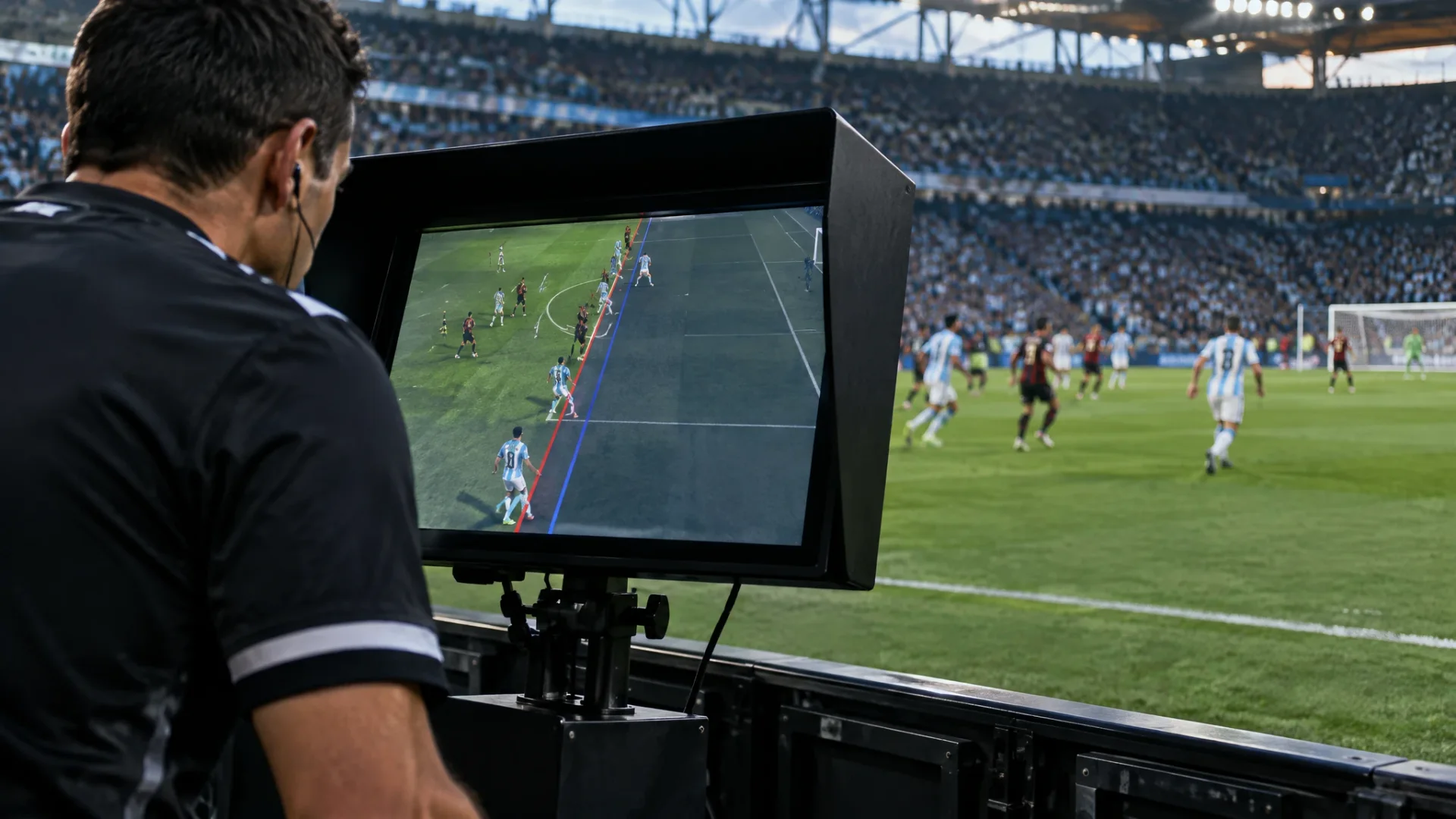
AFA’s semi-automated offside debut at the Clausura final is a political choice, not a gimmick
Argentina is not rolling out SAOT everywhere at once: the AFA is staging it at the Clausura final before wider use in 2027. The key question is who actually benefits when offside calls get faster, and who still carries the grey areas?
Inès ValençaLatin America & world football Opinion
FIFA, Argentina and Brazil: women’s football is now a pathway problem
FIFA’s latest women’s-football roundup points to the real bottleneck: campaigns and tournaments only matter if federations turn them into durable routes into the game.
Inès ValençaLatin America & world football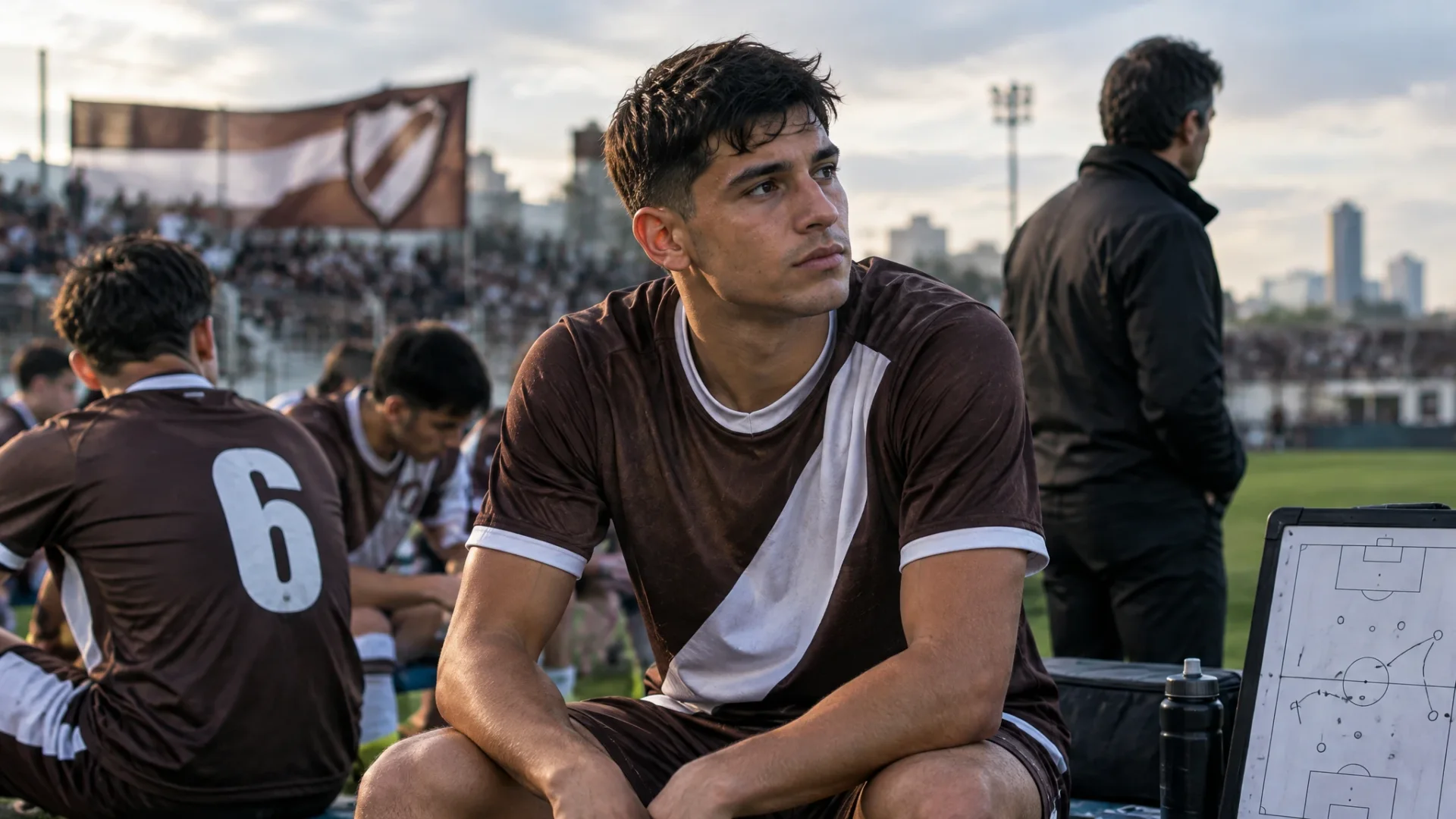 Opinion
Platense, the final and the real governance test
The Copa Argentina final is not just a shock run: it asks whether Platense can turn knockout survival into institutional progress and a continental pathway.
Inès ValençaLatin America & world football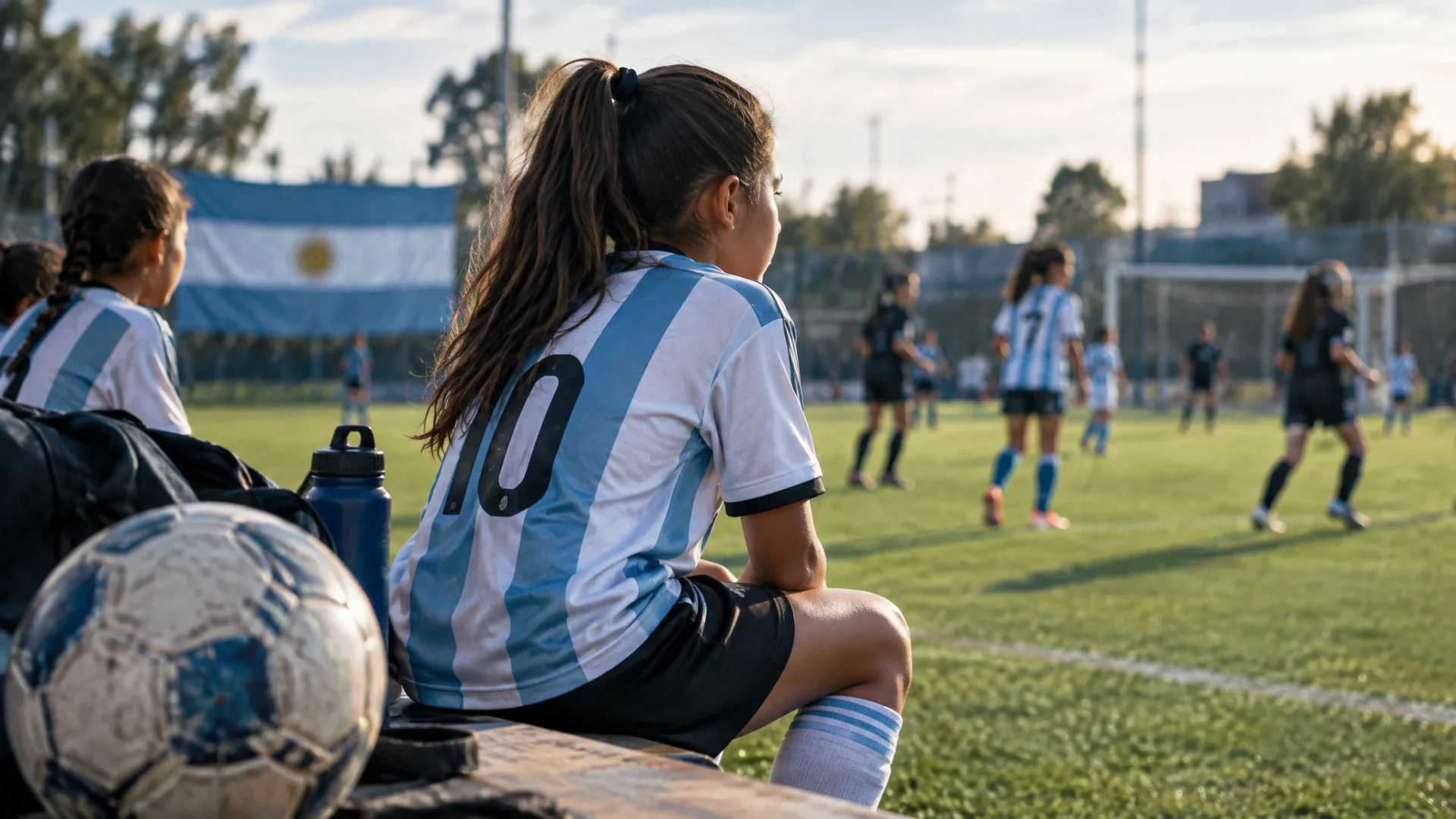 Opinion
Platense, AFA’s U-12 girls’ tournament and the real question: can Argentina build a lasting pathway?
Argentina is starting to build its women’s pipeline from both ends: a visible U-17 team abroad and a first official U-12 girls’ tournament at home. The point is not celebration, but continuity.
Inès ValençaLatin America & world football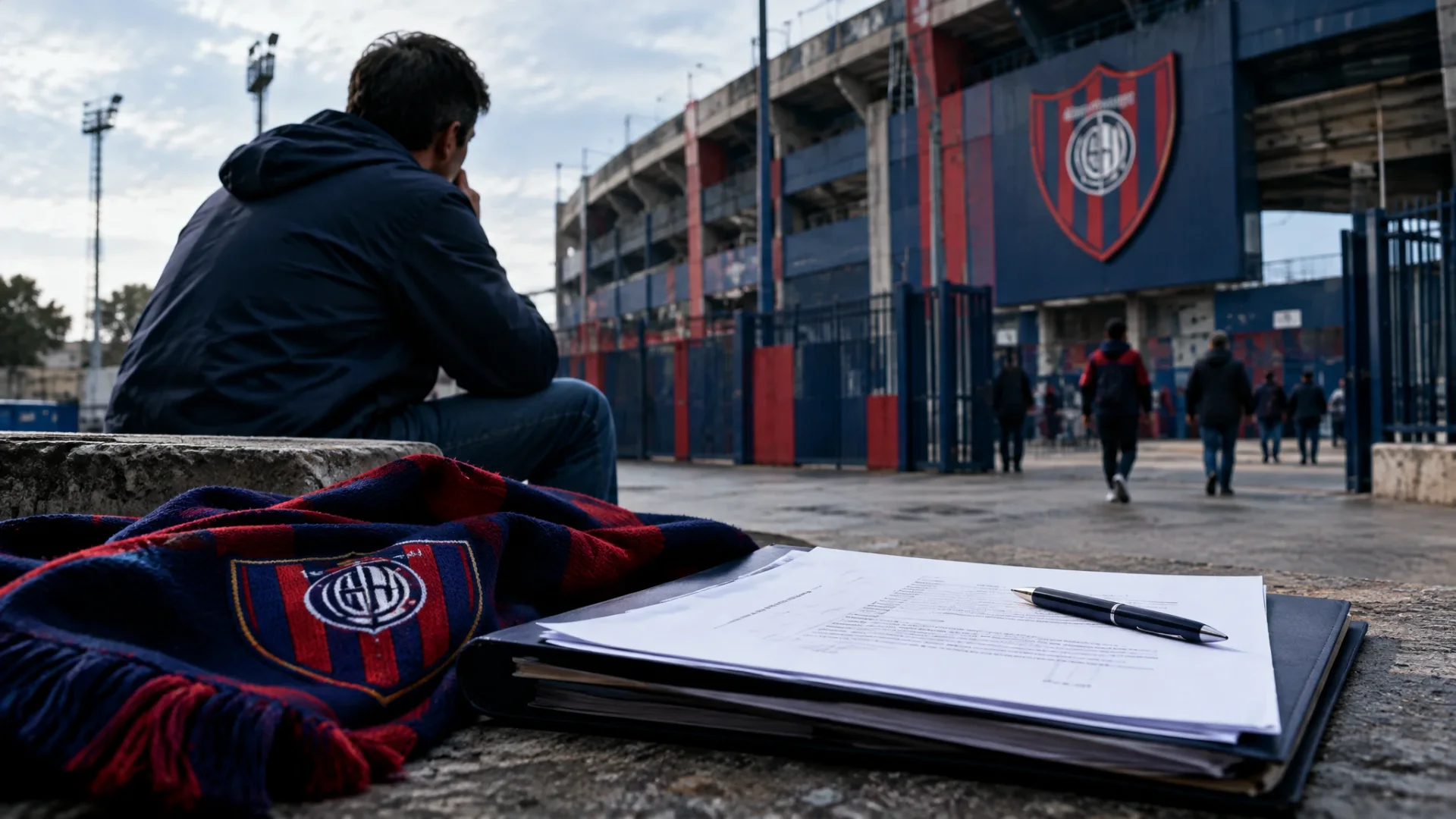 Opinion
San Lorenzo is suing itself through its former president
Why does San Lorenzo’s crisis go beyond a balance sheet? Because a former president is now demanding $270,000 from the club while the current board says it still needs about $700,000 just to unlock sporting operations.
Inès ValençaLatin America & world football