
VfB Stuttgart in Istanbul: the real test is the plan, not the noise
Against Galatasaray, Stuttgart are not only testing their nerve; they are asking whether a team built for transition can also survive when efficiency becomes a European asset.
The setting matters. The point is elsewhere.
The lazy reading is to make Istanbul the whole story, as if atmosphere alone were the decisive force. It is tempting, and slightly cheap. Yes, this should be a charged night and Galatasaray remain the sort of home side that can turn every sequence into a small crisis. But Stuttgart are not travelling to perform sociology from the stands. They are there to prove that their structure still holds when the game drifts away from control.
UEFA notes that the two clubs had never met in European competition before this fixture, that Galatasaray had not beaten a German side at home since 1992, and that Stuttgart came into the match unbeaten in the league phase after wins over Viking and Slovan Bratislava and a draw with Atlético.
Sources : [1] UEFA ↗
Built to live in space
The key point is simpler and more interesting: Stuttgart have been designed to survive in transition, not to spend seventy-five minutes reciting settled possession as though football were a conservatory exam. That may not sound glamorous, but it has real value when the level rises. A side that can sprint forward, close quickly and punish mistakes without delay travels better than a polished team that depends on perfect rhythm.
That is why efficiency at Stuttgart feels almost political. When a German side arrives in Istanbul with a sturdier plan than a spectacular one, it forces the opponent to choose between frenzy and patience. In this kind of match, patience is often the first luxury to go missing.
Demirović is the reference point
The clearest sign of Stuttgart’s progress has a name: Ermedin Demirović. Bundesliga described him as one of the division’s most in-form forwards ahead of Stuttgart’s league match with Werder Bremen, and said he had already become indispensable for the club, with five league goals and eleven in all competitions at that stage. That is not a decorative statistic; it is the marker of a team that has found its attacking reference point.
In other words, Stuttgart are not relying only on collective momentum. They also have a finisher who makes the structure readable for everyone around him. When Demirović is at that level, the team does not need to create a lot in order to create enough. That is exactly the difference between a promising European run and a fleeting spell of good form.
Sources : [3] Bundesliga ↗
The real examination: turning discipline into habit
The danger for Stuttgart would be to mistake efficiency for a complete identity. It is an advantage, not the full answer. A transition team has to accept that some matches will be less open, less clean and less comfortable. That is where defensive spacing, the discipline of distances and the quality of the first passing lanes matter as much as the running power.
If Stuttgart pass this test in Istanbul, the lesson will be more valuable than any easy story about the crowd. They will have shown that their model can travel beyond its ideal environment. In Europe, that is often the real border: not the size of the noise, but the ability to repeat an idea when the air gets heavy.
Read next
 Opinion
Fenerbahçe–Liverpool: a Champions League stress test for a club that wants prestige and structure
The match asks a simple question: can Istanbul’s context and Dirk Kuyt’s familiarity offset Fenerbahçe’s European fragility, or will Liverpool again leave with another lesson in squad calibration?
 Lucien DelcourtItaly, Germany, Spain & Turkey
 Opinion
Roma’s goalkeeper shortage exposes a squad built too thin for the Champions League
Why does a Champions League night at Manchester United hinge on a third-choice goalkeeper? Because Roma’s problem is not one back injury, but a squad design that left a crucial position exposed.
Lucien DelcourtItaly, Germany, Spain & Turkey Opinion
Roma at Old Trafford: Gasperini is trying to win the argument before the match
Roma arrive at Old Trafford short in midfield, and Gasperini is already trying to control the debate. The real issue is whether structure can survive when the centre of the pitch has gone on strike.
Lucien DelcourtItaly, Germany, Spain & Turkey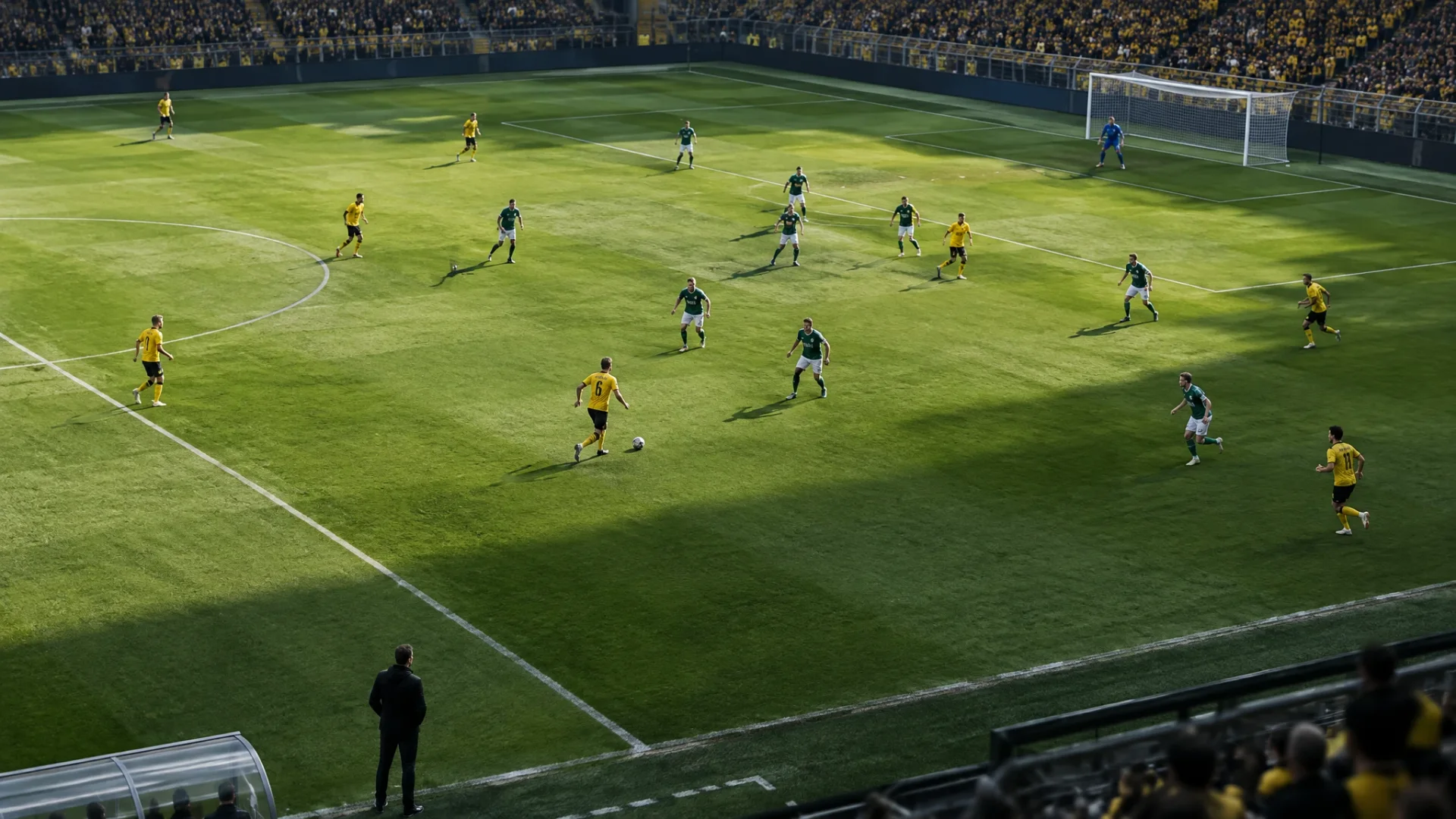 Opinion
Borussia Dortmund’s cup escape was a blueprint first, a Sabitzer free kick second
The 3-2 win over Werder Bremen is not just a cup scare. The real question is whether Niko Kovač can keep the first-half intensity without inviting a second-half collapse.
Lucien DelcourtItaly, Germany, Spain & Turkey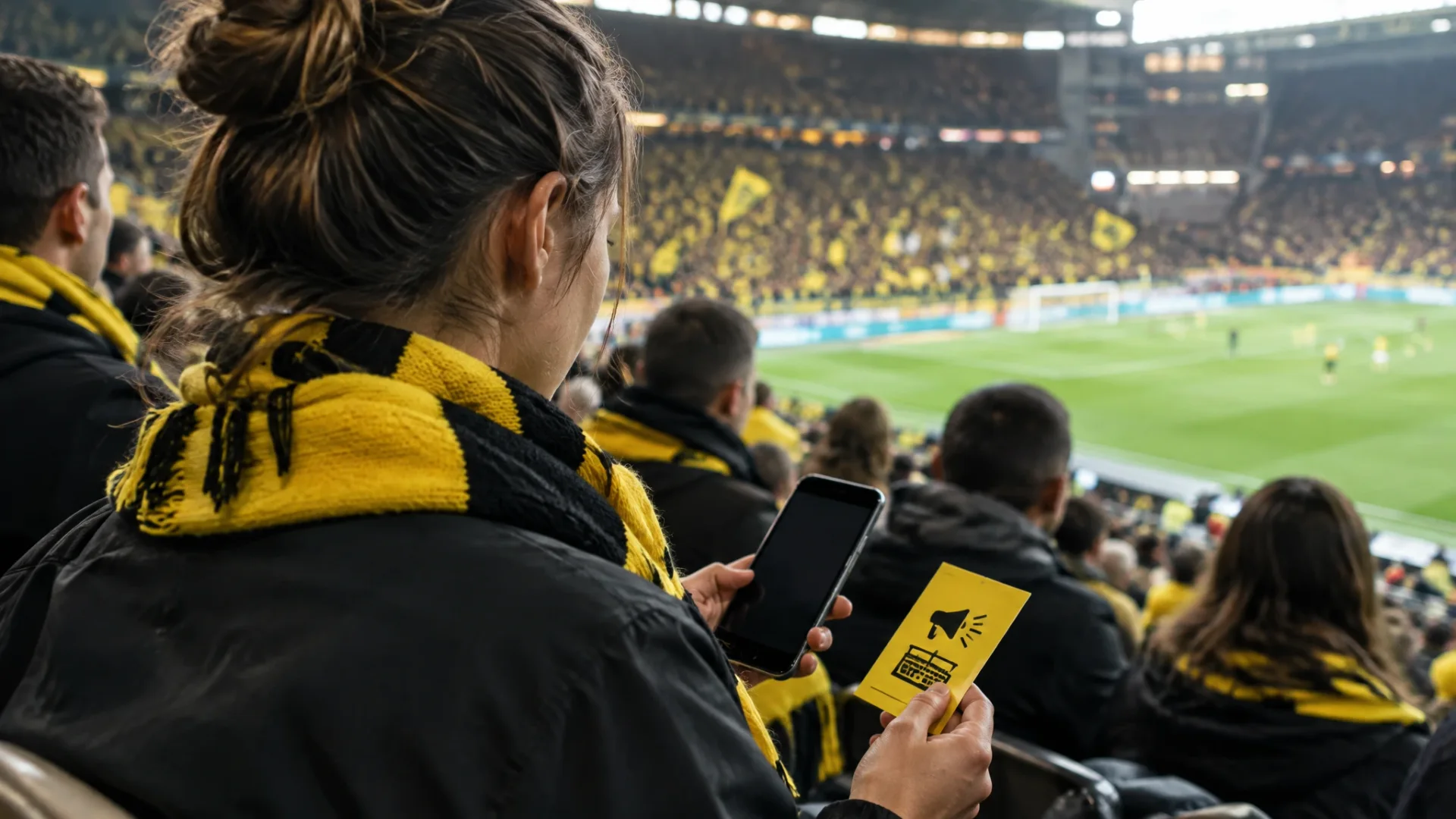 Opinion
Borussia Dortmund’s Fan Mode asks a better question than bans: can rewards protect stadium atmosphere?
Dortmund is testing whether less phone use can be encouraged, not imposed. That matters because the club is trying to defend matchday feeling without turning supporters into content machines.
 Inès ValençaLatin America & world football
 Opinion
Atalanta’s training retreat is governance, not punishment, after Parma
After the 3-0 home loss to Parma and the immediate decision to retreat into camp, the real question is simple: does this change Atalanta’s defensive mechanics, or only postpone the same bill?
Lucien DelcourtItaly, Germany, Spain & Turkey