
Roma at Old Trafford: Gasperini is trying to win the argument before the match
Roma arrive at Old Trafford short in midfield, and Gasperini is already trying to control the debate. The real issue is whether structure can survive when the centre of the pitch has gone on strike.
The match starts in the head
Gian Piero Gasperini has already said enough to sketch the evening: Roma will prepare for Manchester United as if they were in peak condition, and the squad is short in midfield ahead of Tuesday’s Champions League game at Old Trafford. So this is not only a personnel problem; it is a contest of framing before it becomes a contest of pressing schemes.
Roma arrive after a 5-2 league win at Udinese, while United lost 2-0 at Chelsea on the same day. But the more interesting point is not the results themselves. It is Gasperini’s refusal to indulge the easy story that the opponent is wobbling and therefore somehow manageable. He is demanding seriousness before kickoff, which is often the first sign a coach knows the trap is psychological as much as tactical.
Sources : [1] Football Italia ↗[2] UEFA ↗
The midfield, that unforgiving department
The central problem is brutally straightforward: Roma are short of bodies in midfield. The absences of Lorenzo Pellegrini, Paulo Dybala and Manu Koné, plus the call-up of Primavera players to pad the group, tell you plenty about the scale of the issue. When the middle of the pitch thins out, you do not just lose legs; you lose connections, protection and the first clean pass out of pressure.
That is where Gasperini has to do more than describe the ideal game. His football usually relies on intense circulation, aggressive occupation of the half-spaces and a stubborn willingness to recover territory quickly. But if the central corridor is weakened, the usual model bends in awkward ways. Distances grow, transitions become dangerous, and every loose ball starts to feel like a tactical referendum. The question is not whether United can be exposed; it is whether Roma can stay intact long enough to expose them.
Sources : [1] Football Italia ↗[3] UEFA ↗
Why the argument matters
There is something almost useful in Gasperini’s tone here. He is not selling a heroic fantasy. He knows that one of football’s recurring lies is that willpower can compensate for a compromised structure. It cannot, at least not for long. You do not replace a missing midfield by speaking more firmly into the pre-match microphone. Sometimes you replace it with simpler passing, tighter distances and a defensive discipline that looks boring until it proves expensive not to have it.
That is also a managerial judgment about the dressing room. Roma do not need romanticism; they need a match that remains legible. The temptation, in a night like this, is to ask for too much from the players who are available simply because the stage is grand. Gasperini seems to be doing the more sensible thing: lowering the chaos before it starts. In Europe, that is usually the cleaner ambition.
The only question that counts
So the real test is not whether Roma can make Manchester United look vulnerable. It is whether they can manage their own shortage without losing shape, nerve or purpose. Gasperini has already chosen his battlefield: he wants to settle the argument before the whistle, so his team does not have to improvise an identity in the first twenty minutes at Old Trafford. That is almost modest, which in modern football can read as radical.
If Roma keep their lines short, protect the centre and avoid turning every turnover into a crisis, they will have done the difficult part. The rest depends on the kind of night Manchester offers: one where courage fragments the structure, or one where structure gives courage a proper frame.
Read next
 Opinion
Milan-Inter on Halloween: two squad-building models, one thin margin for error
The October 31 derby is not just seasonal scenery. It pits an Inter built for continuity against a Milan side trying to stay in the title race while managing injuries and risk.
 Lucien DelcourtItaly, Germany, Spain & Turkey
 Opinion
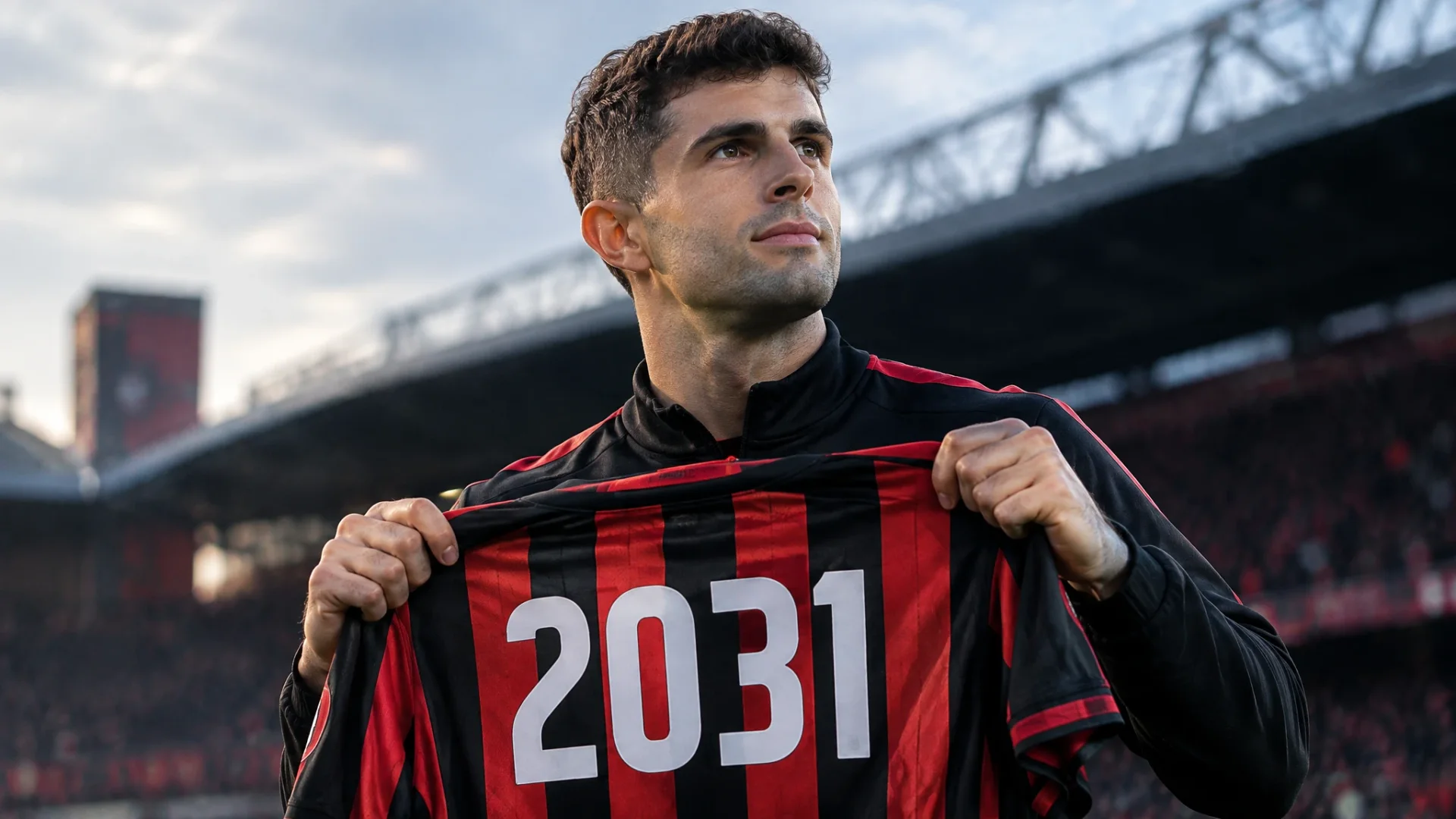
AC Milan keep Pulisic: continuity, finally, as club policy
Why did Milan secure Christian Pulisic until 2031? Because this is not just form being rewarded: it is a reliable attacker being locked in, and a message to the market that retention now matters more than reinvention.
Lucien DelcourtItaly, Germany, Spain & Turkey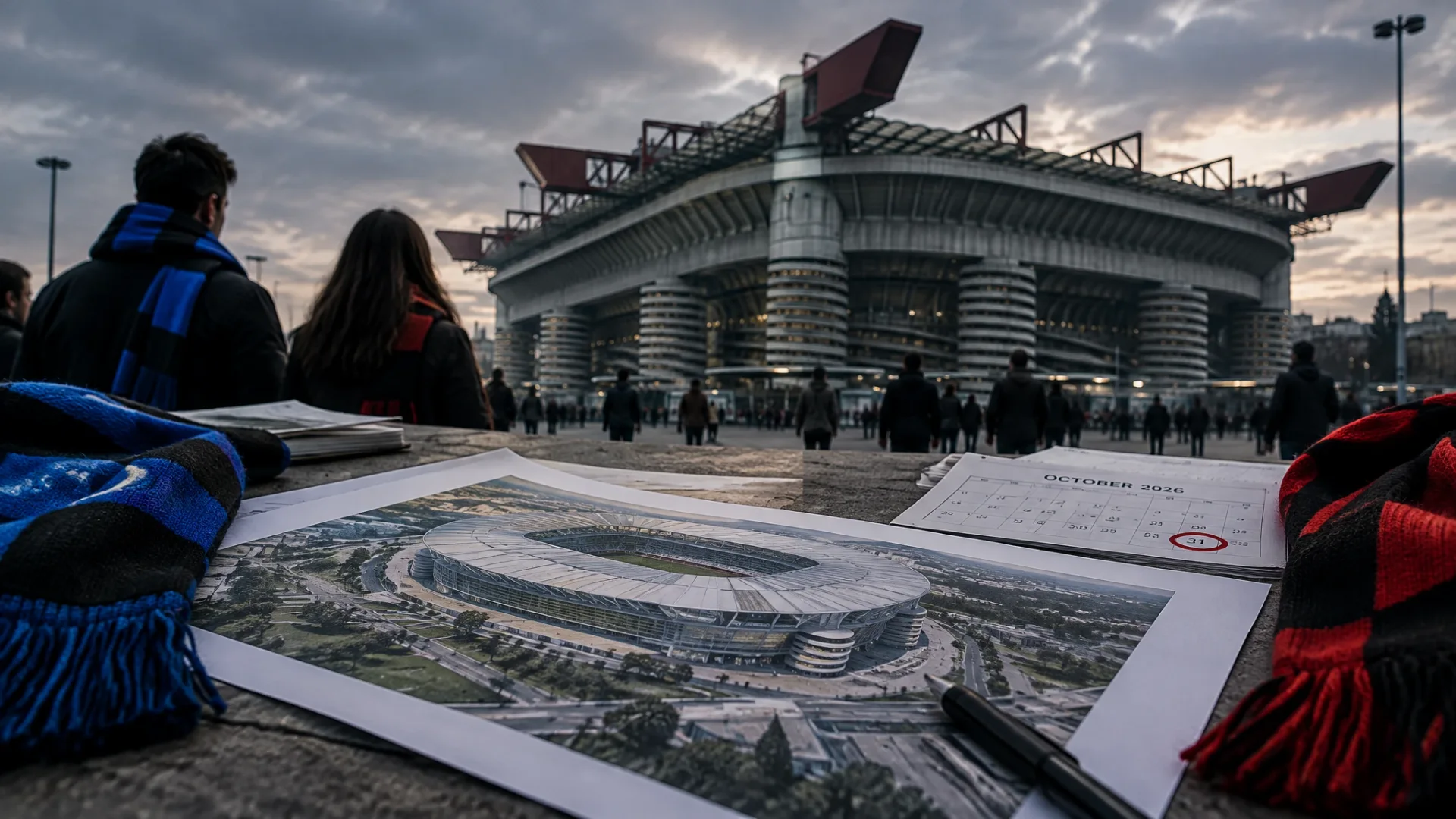 Opinion
San Siro and the 31 October derby: Inter and Milan are selling a future on the wrong clock
The new San Siro plan was unveiled on the same day as protests and absences. The real question is simpler: can two clubs sell a future stadium when the calendar, the accounts and the optics already say otherwise?
Lucien DelcourtItaly, Germany, Spain & Turkey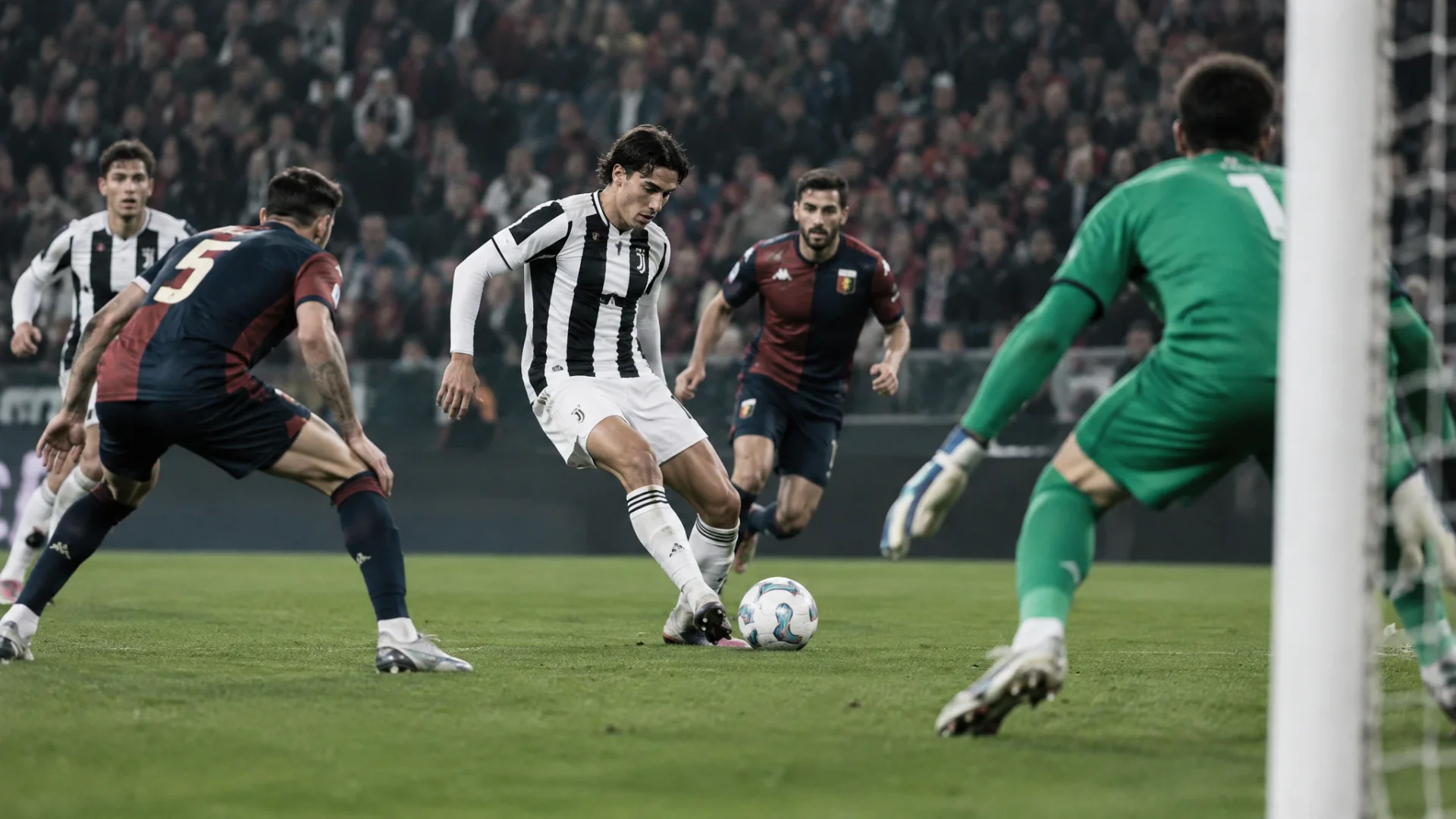 Opinion
Juventus’ defeat at Genoa exposes a thin, low-quality attack
The loss in Genoa is not the real story. The real story is a Juventus side that turns territory into too few chances and leans too much on low-value shooting.
Lucien DelcourtItaly, Germany, Spain & Turkey Opinion
Napoli, Allegri and the very practical cost of a two-match ban
Massimiliano Allegri’s suspension is not just a discipline issue: it leaves Napoli without its coach for Monza and Juventus. How much turbulence can a title contender really absorb?
Lucien DelcourtItaly, Germany, Spain & Turkey Opinion
Udinese in Serie A: why the coaching change is a governance decision, not a panic move
The expected dismissal of Kosta Runjaic looks less like a burst of nerves than the consequence of numbers no longer worth defending. The real question now is whether Udinese choose the right successor.
Lucien DelcourtItaly, Germany, Spain & Turkey