
Atalanta’s training retreat is governance, not punishment, after Parma
After the 3-0 home loss to Parma and the immediate decision to retreat into camp, the real question is simple: does this change Atalanta’s defensive mechanics, or only postpone the same bill?
The familiar squeeze
A training retreat after a 3-0 home defeat always says more than the scoreline. Atalanta are now without a Serie A win in four matches, and the club responded by sending the squad into camp straight after Monday’s collapse against Parma. On the surface it looks decisive: close the doors, tighten the screws, hope silence produces order. In practice, this kind of measure is often mostly symbolic. It tells supporters that the club still believes it can seize control of the moment.
That is a convenient response because it looks active. But a side that loses at home in that manner is not merely short of motivation. It is failing in spacing, in collective reactions after losing the ball, and in its attention to set pieces. Those problems are not fixed by moving the players to a different hotel and asking them to think harder.
Sources : [1] Football Italia ↗[2] Lega Serie A ↗
Fragility is a structure, not a mood
The tactical starting point is more exact than the ritual. Lega Serie A’s match report states that Atalanta have conceded 12 goals across their last four league matches. That is not a bad afternoon; that is a defensive process in visible decline. When a team built on control begins to leak in that way, the most vulnerable zones are usually the ones it used to trust most: second balls, marking at the landing point, and dead-ball defending. You do not repair that kind of disorder by adding another evening of collective reflection.
Even more telling is the way the game unfolded. The official report describes an Atalanta side that began well before losing shape after Parma’s opener, then unravelled further after Zappacosta’s own goal. That is less the story of a carefree team than of one whose mechanisms collapse as soon as the match stops following its preferred script. In that sense, “fragile” is not a temperament. It is a diagnosis.
Sources : [2] Lega Serie A ↗
Can camp fix the mechanics?
This is where sporting governance gets judged. A retreat can compress behaviour, but it cannot replace structural defensive work or the squad-building decisions that become necessary when a team keeps being punished in its own box. If the answer to this slump is only discipline, the club is mistaking the symptom for the cause. Italian football loves firm gestures; it is less comfortable admitting that synchronisation problems are not cured by ceremony.
Atalanta host Kairat in the Conference League on Thursday, so there will soon be another chance to sell a recovery story. The real test is narrower and more demanding: will the side return merely more serious, or actually more stable, with clearer mechanics on crosses, transitions and set pieces? If not, the camp is only a delay. And football has a habit of invoicing delays with interest.
Sources : [1] Football Italia ↗[2] Lega Serie A ↗
Read next
 Opinion
Milan-Inter on Halloween: two squad-building models, one thin margin for error
The October 31 derby is not just seasonal scenery. It pits an Inter built for continuity against a Milan side trying to stay in the title race while managing injuries and risk.
 Lucien DelcourtItaly, Germany, Spain & Turkey
 Opinion
AC Milan keep Pulisic: continuity, finally, as club policy
Why did Milan secure Christian Pulisic until 2031? Because this is not just form being rewarded: it is a reliable attacker being locked in, and a message to the market that retention now matters more than reinvention.
Lucien DelcourtItaly, Germany, Spain & Turkey Opinion
San Siro and the 31 October derby: Inter and Milan are selling a future on the wrong clock
The new San Siro plan was unveiled on the same day as protests and absences. The real question is simpler: can two clubs sell a future stadium when the calendar, the accounts and the optics already say otherwise?
Lucien DelcourtItaly, Germany, Spain & Turkey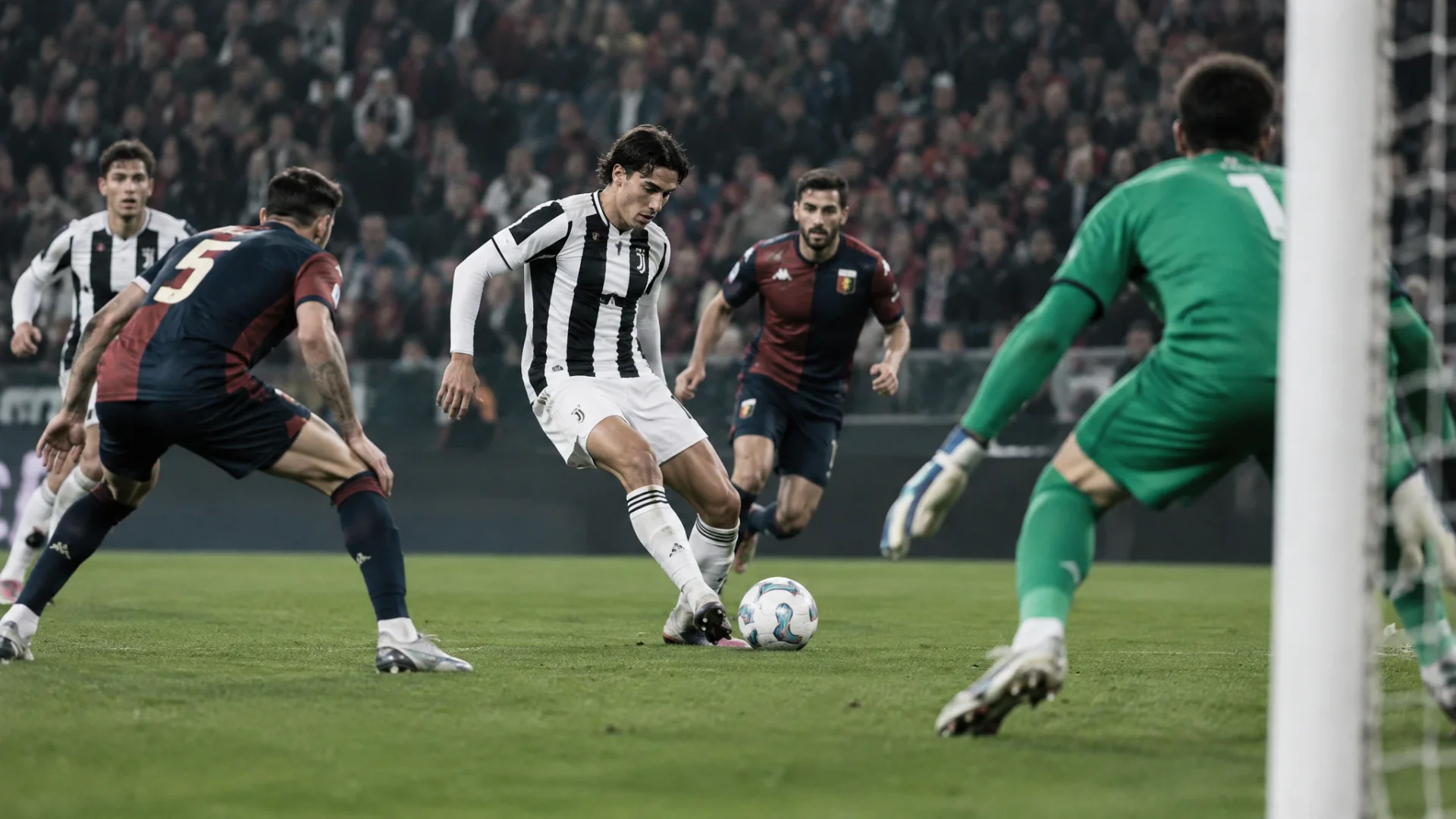 Opinion
Juventus’ defeat at Genoa exposes a thin, low-quality attack
The loss in Genoa is not the real story. The real story is a Juventus side that turns territory into too few chances and leans too much on low-value shooting.
Lucien DelcourtItaly, Germany, Spain & Turkey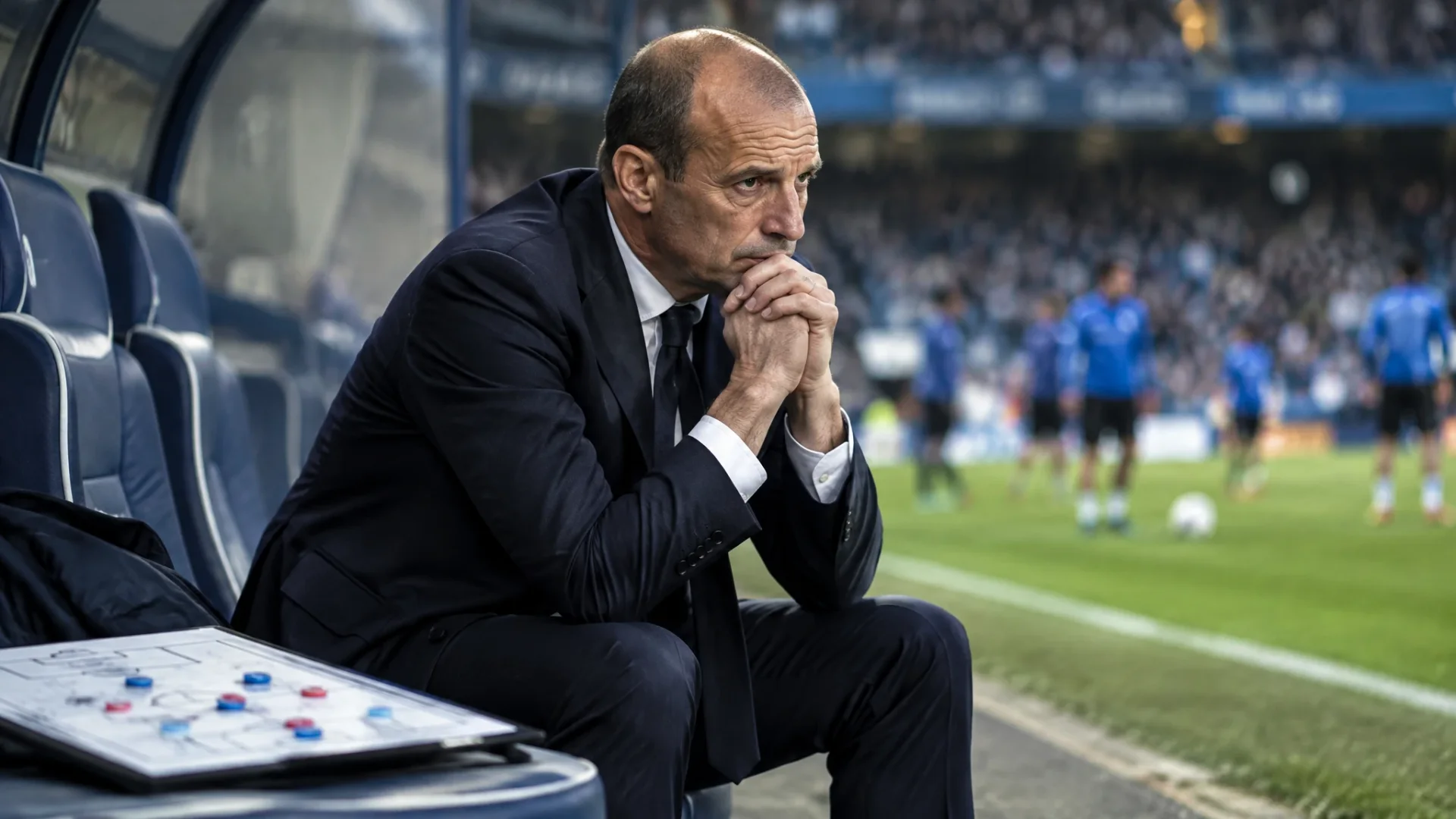 Opinion
Napoli, Allegri and the very practical cost of a two-match ban
Massimiliano Allegri’s suspension is not just a discipline issue: it leaves Napoli without its coach for Monza and Juventus. How much turbulence can a title contender really absorb?
Lucien DelcourtItaly, Germany, Spain & Turkey Opinion
Roma at Old Trafford: Gasperini is trying to win the argument before the match
Roma arrive at Old Trafford short in midfield, and Gasperini is already trying to control the debate. The real issue is whether structure can survive when the centre of the pitch has gone on strike.
Lucien DelcourtItaly, Germany, Spain & Turkey