
Udinese in Serie A: why the coaching change is a governance decision, not a panic move
The expected dismissal of Kosta Runjaic looks less like a burst of nerves than the consequence of numbers no longer worth defending. The real question now is whether Udinese choose the right successor.
When the evidence becomes impossible to ignore
At Udinese, this is not being framed as an impulsive decision. The signs have been visible long enough for the club to run out of room for denial: reports say Kosta Runjaic is expected to be dismissed by the end of the day, with Paolo Zanetti already lined up as the replacement. The numbers attached to that decision are stark: five points from ten league games, second bottom, and seven defeats in the last eight. That is no longer a brief wobble. It is a sporting model losing its ability to hold itself together. [1]
A second source sharpens the picture further. Before the Roma match at the Bluenergy Stadium, Udinese were already described as having been on a six-match losing streak, with five points after nine matchdays, their worst-ever return at that stage in the three-points era. Once a team reaches that point, the question is no longer whether the coach is under pressure. It is how long the club’s leadership has been postponing the obvious. [3]
Sources : [1] Football Italia ↗[3] Lega Serie A ↗
What the timing really tells us
The timing matters almost as much as the dismissal itself. Waiting until the numbers make denial impossible is not glamorous, but for a club of Udinese’s type it can be the most honest form of governance. Sack too early, and you may hide a recruitment issue, a structural problem or a muddled hierarchy. Sack too late, and the next coach inherits a tired dressing room and a thinner margin for error. Patience only deserves respect if it leads somewhere. Otherwise it is just delay with better manners. [1][3]
Seen that way, the Runjaic exit reads less like punishment and more like an admission that the current trajectory cannot be defended. It is not elegant, but it is cleaner than weeks of public loyalty that everyone knows has expired. In Serie A, where survival often turns on structure and continuity, the problem is not merely losing. It is losing in a way that suggests the club has stopped correcting itself. [1]
Sources : [1] Football Italia ↗[3] Lega Serie A ↗
Zanetti makes the next question more important
Paolo Zanetti’s name changes the nature of the debate. This is no longer just about a firing; it is about the profile of the replacement. Udinese appear to be looking for a coach who can restore order without pretending the squad can be reinvented overnight. That is sensible, provided the club does not mistake a sticking plaster for a plan. A replacement only matters if it improves the reading of matches, the handling of difficult spells and the use of the players already available. Otherwise, the problem simply moves from one office to another. [1]
That is why this story matters beyond one poor run. Udinese’s results page and league position point to more than a bad week: recent defeats, a bottom-end table place and a stadium being used as an emergency room rather than a control centre. The next appointment should therefore be judged on a simple standard: is it designed to save this campaign, or to impose a structure for the next one? Serious clubs do not merely replace a name. They correct a direction. [2][1]
Sources : [2] Lega Serie A ↗[1] Football Italia ↗
Why readers should care
You can watch this from a distance and call it routine, but that misses the point. Udinese are showing that a managerial dismissal is not always a sign of chaos. Sometimes it is a test of clarity. The real story is not the fall of a coach already on borrowed time. It is whether the club can turn an unavoidable change into a coherent decision, instead of treating a sporting crisis like a late-autumn raffle. [1][3]
Sources : [1] Football Italia ↗[3] Lega Serie A ↗
Read next
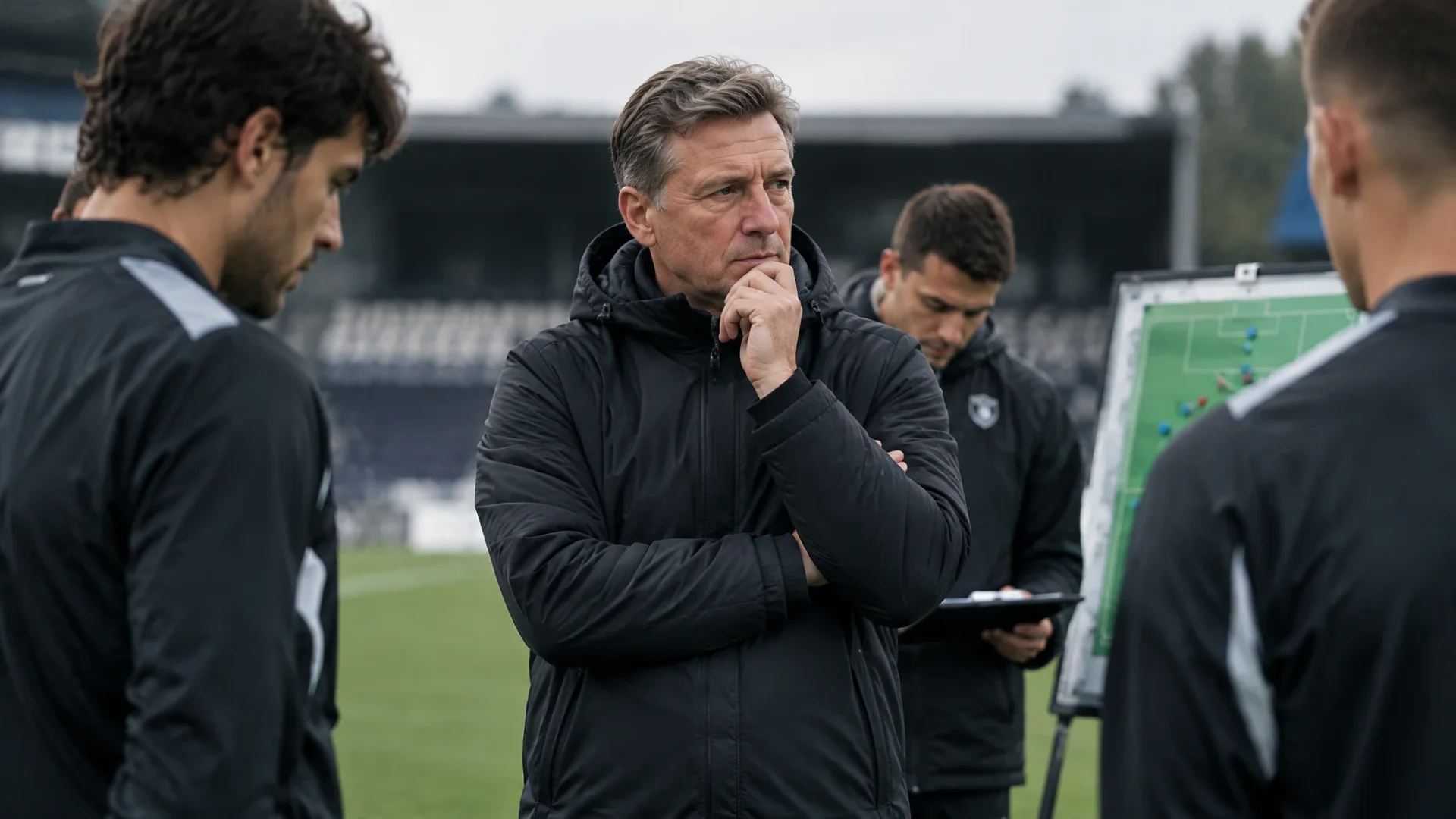 Opinion
Udinese and Runjaic: patience that looks like calculation
After six straight Serie A defeats, Udinese are not only judging their coach. They are measuring what a change would do to recruitment, the dressing-room hierarchy and the next two fixtures.
 Lucien DelcourtItaly, Germany, Spain & Turkey
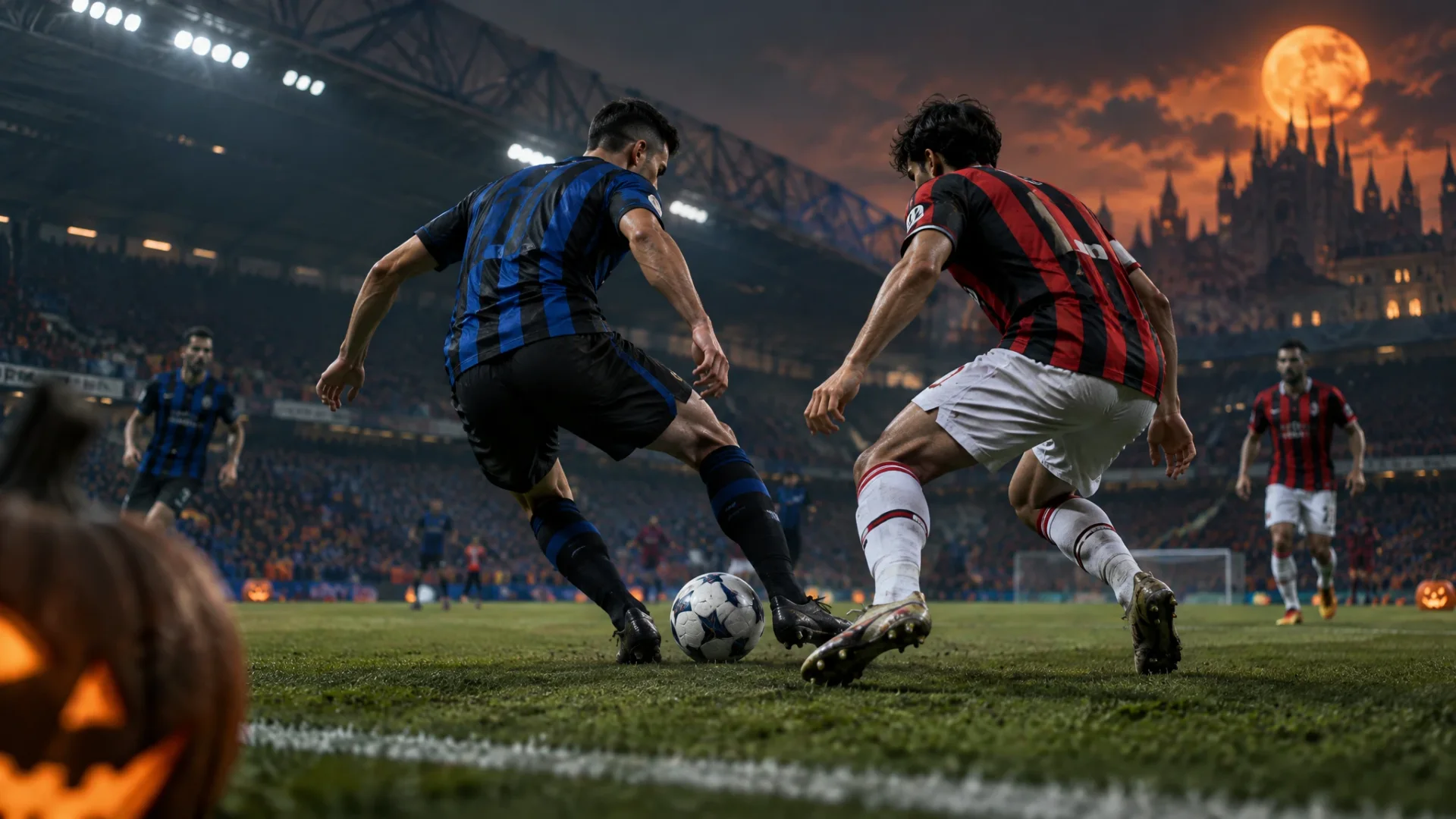 Opinion
Milan-Inter on Halloween: two squad-building models, one thin margin for error
The October 31 derby is not just seasonal scenery. It pits an Inter built for continuity against a Milan side trying to stay in the title race while managing injuries and risk.
Lucien DelcourtItaly, Germany, Spain & Turkey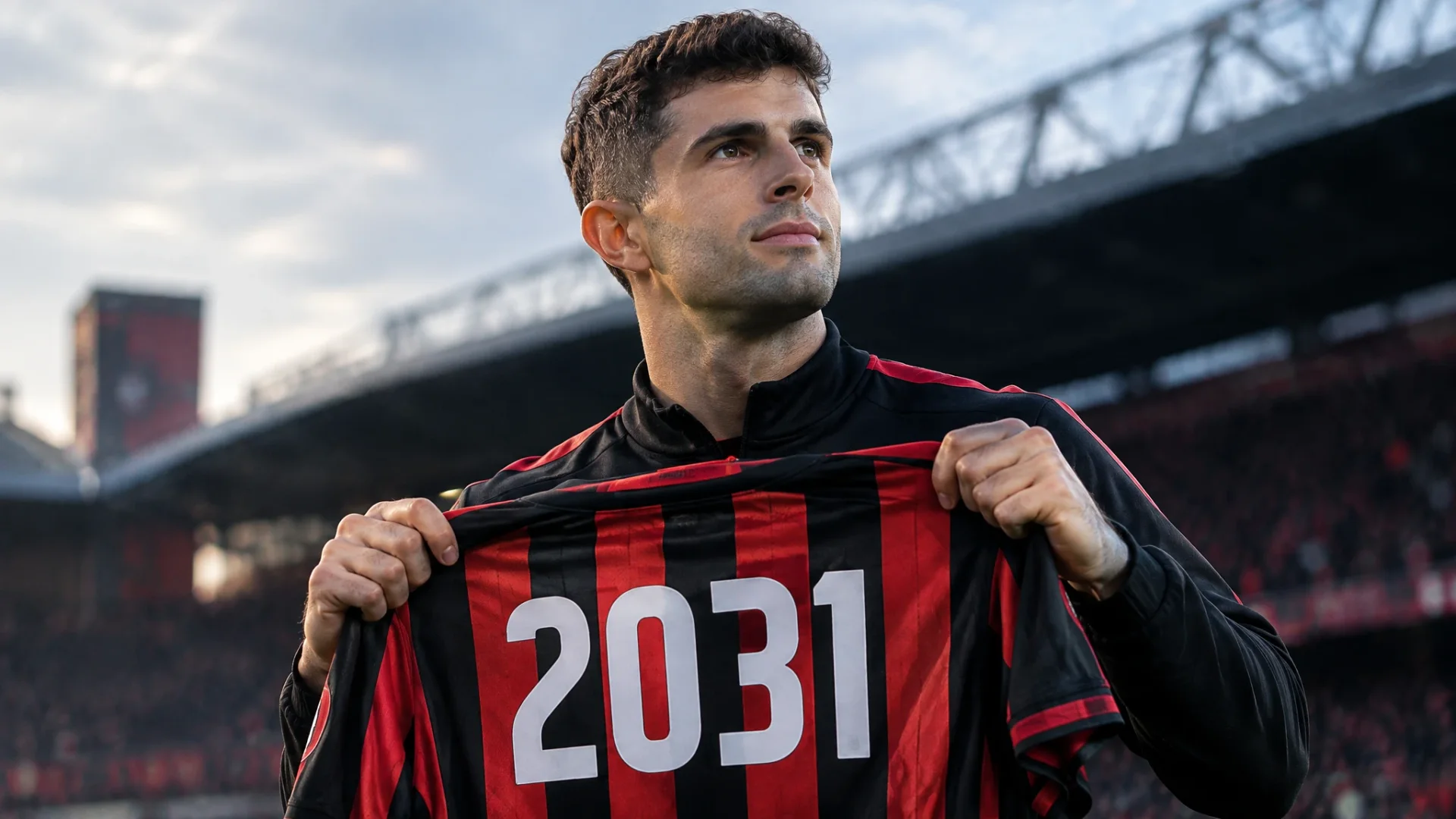 Opinion
AC Milan keep Pulisic: continuity, finally, as club policy
Why did Milan secure Christian Pulisic until 2031? Because this is not just form being rewarded: it is a reliable attacker being locked in, and a message to the market that retention now matters more than reinvention.
Lucien DelcourtItaly, Germany, Spain & Turkey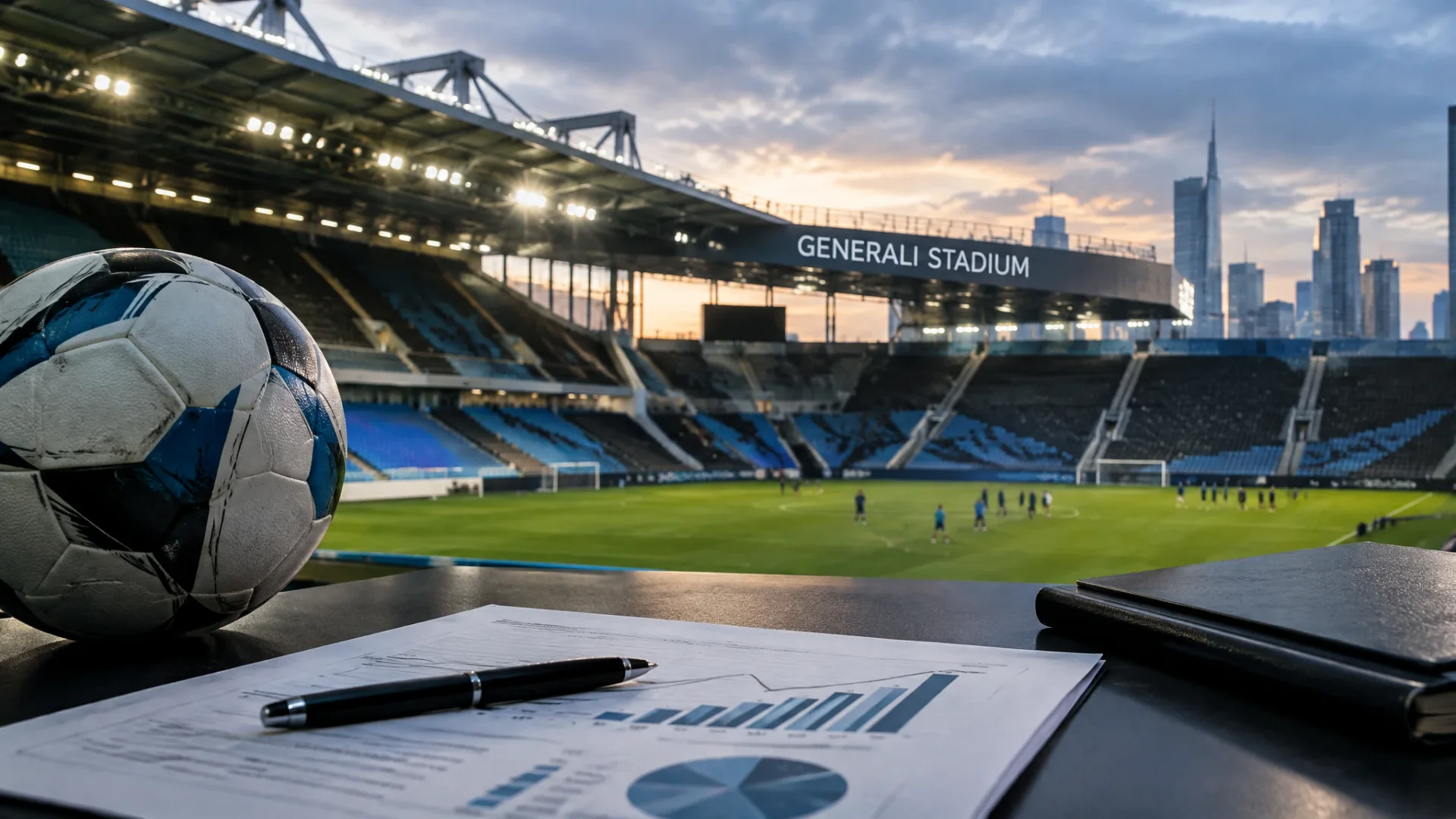 Opinion
Inter and Milan turn the Generali Stadium name into a financial weapon
The point is not the branding. The point is the number — and whether it can narrow Milan’s revenue gap with Europe before Euro 2032.
Lucien DelcourtItaly, Germany, Spain & Turkey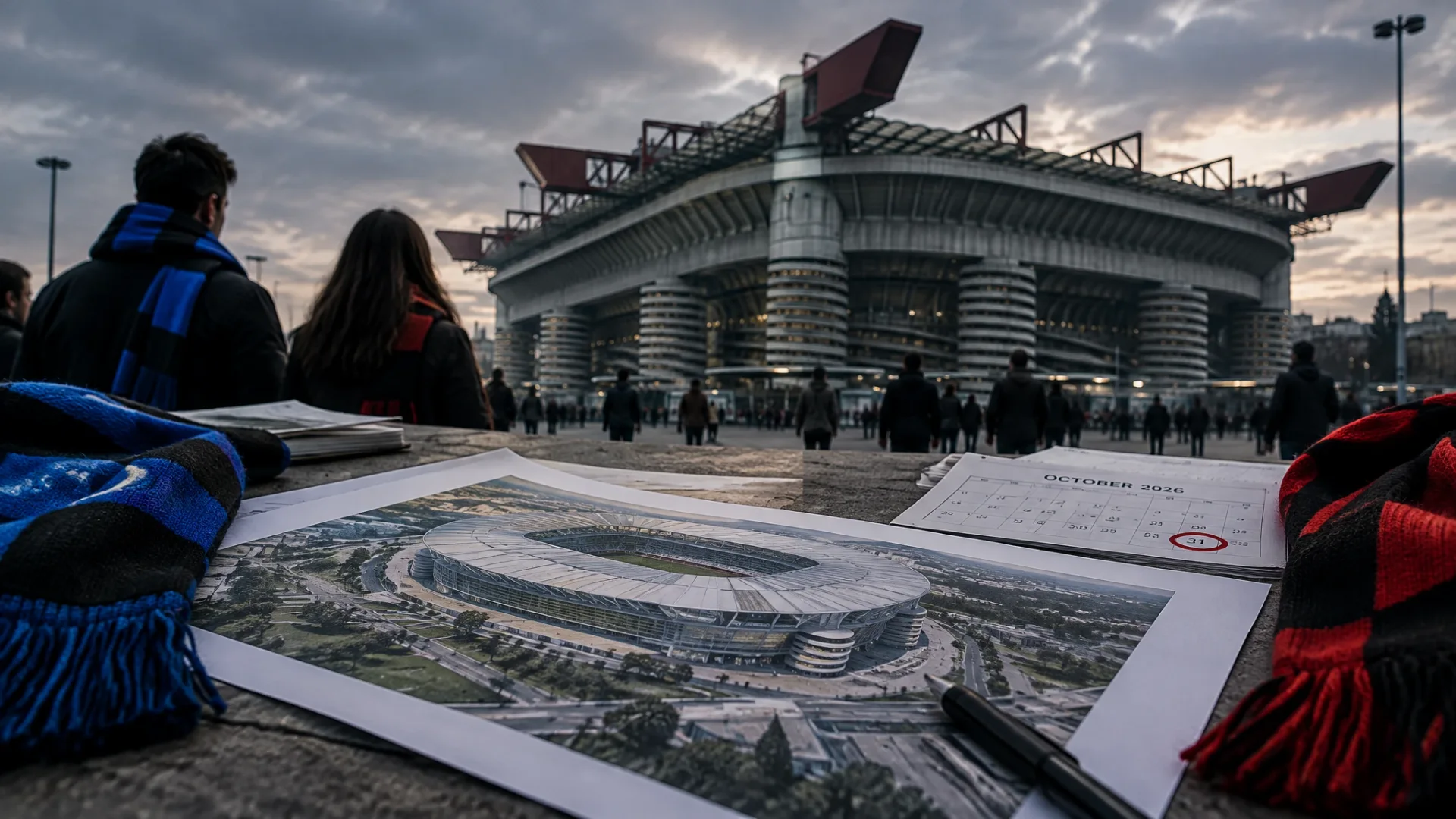 Opinion
San Siro and the 31 October derby: Inter and Milan are selling a future on the wrong clock
The new San Siro plan was unveiled on the same day as protests and absences. The real question is simpler: can two clubs sell a future stadium when the calendar, the accounts and the optics already say otherwise?
Lucien DelcourtItaly, Germany, Spain & Turkey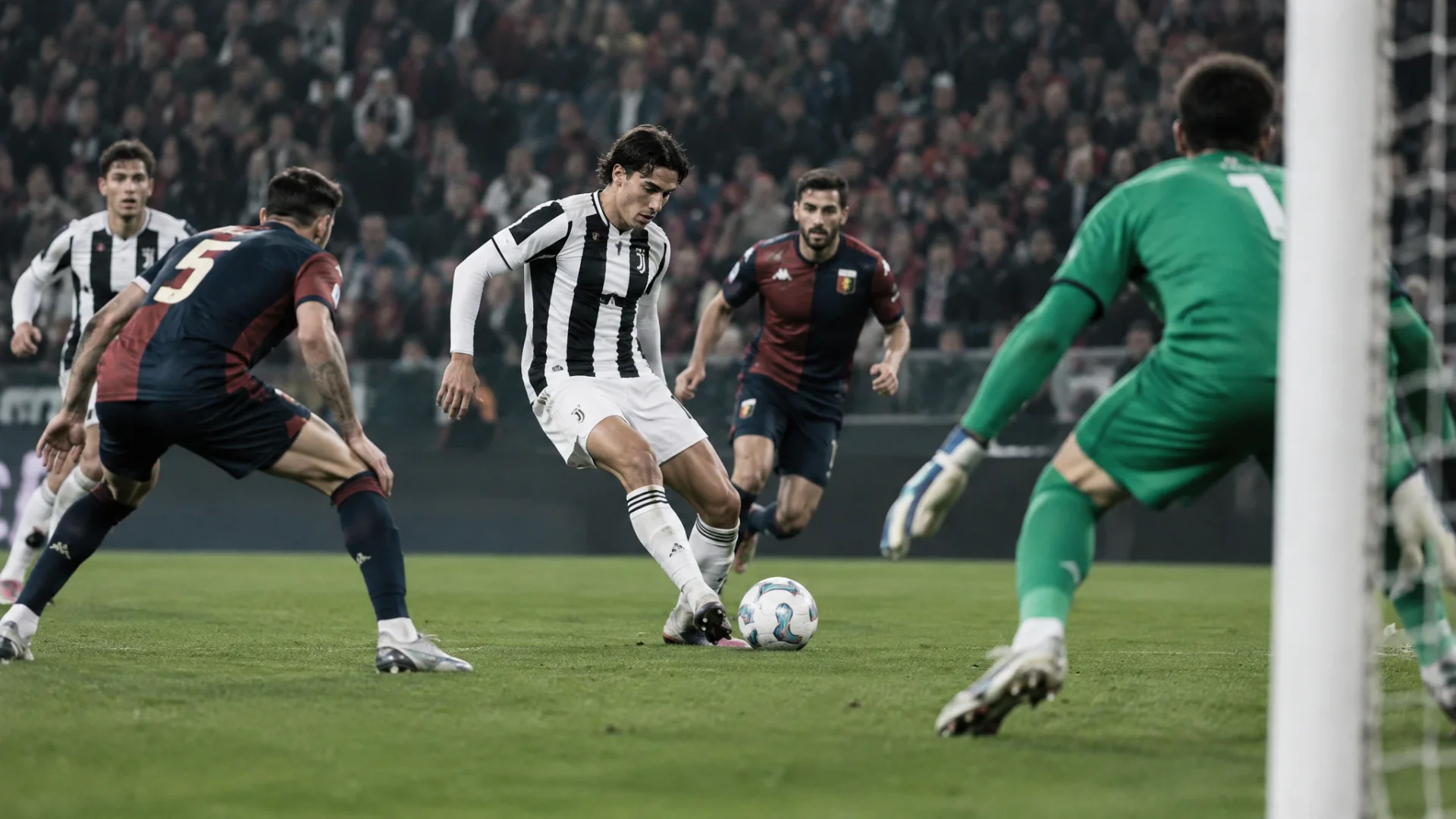 Opinion
Juventus’ defeat at Genoa exposes a thin, low-quality attack
The loss in Genoa is not the real story. The real story is a Juventus side that turns territory into too few chances and leans too much on low-value shooting.
Lucien DelcourtItaly, Germany, Spain & Turkey