
Ligue 1: boots tell the story the shirt no longer can
On Matchday 9, Ligue 1’s equipment map looks more complex than a shirt photograph: the brand on the chest no longer necessarily controls the dressing room.
The shirt has lost its monopoly
With Matchday 9 spread from 30 October to 1 November 2026, Ligue 1 is happening in the present tense, not in a catalogue of badges. Footpack’s 2026-2027 study makes one basic point clear: the division has 18 clubs and 9 equipment suppliers, while adidas leads the shirt market with 6 clubs. In plain terms, the league is fragmented, but not in a way you can fully understand by looking only at the front of the shirt.
That is where the story gets interesting. The shirt still provides the club’s official image. It comforts the communications department, feeds the launch visuals and carries the symbolic burden. But it no longer tells you who really shapes the dressing room. Modern football loves emblems; it still buys its compromises in layers.
Sources : [1] footpack.fr ↗[3] ligue1.com ↗
Boots expose the real leverage
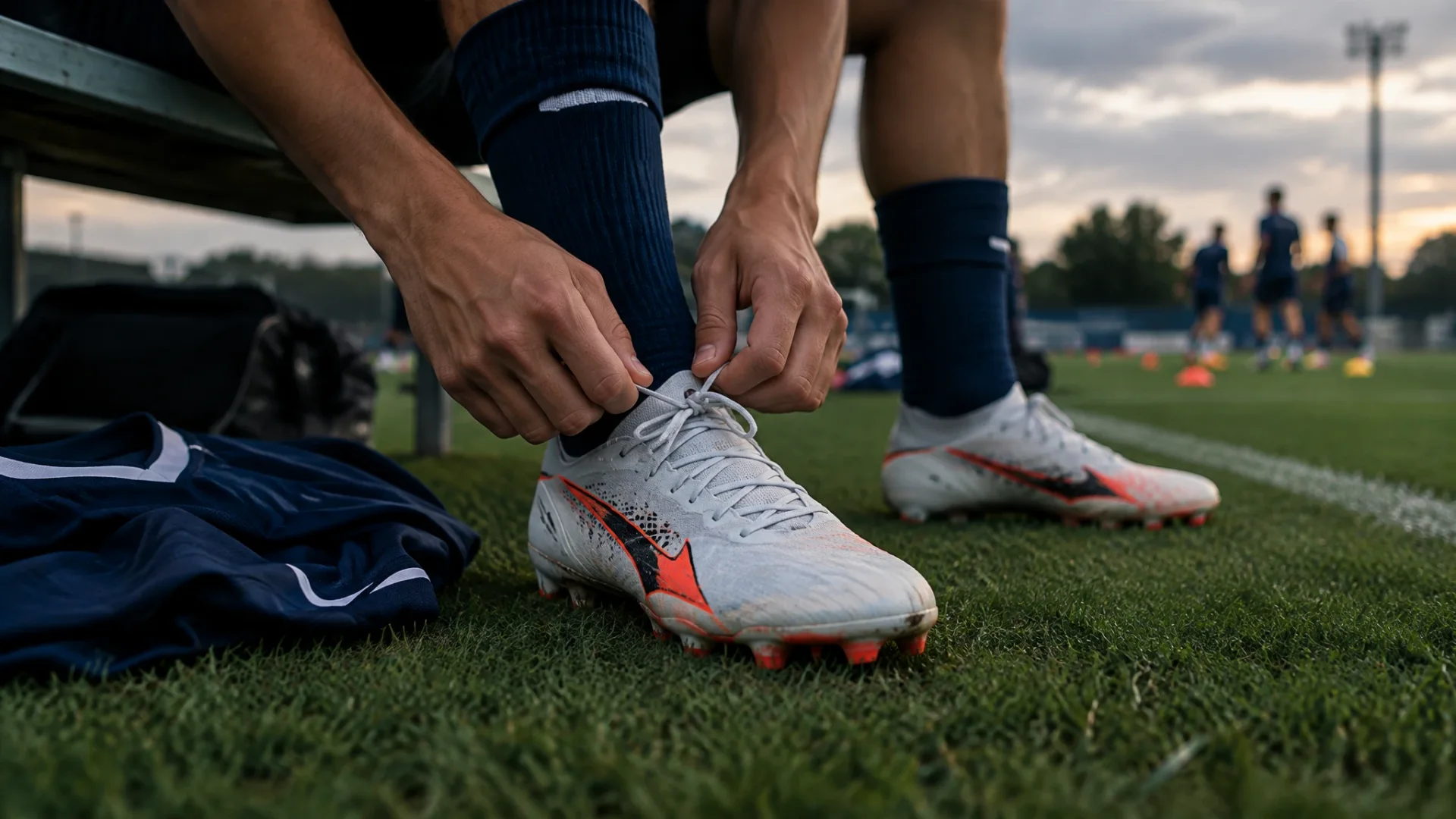
Footpack’s other piece, published two days before this round, breaks down the boots worn by the 445 professional players across the 18 squads. And it underlines a nuance many clubs would rather keep quiet: adidas can dominate a dressing room even when it is not the shirt supplier. That is the heart of the matter. The public symbol and the footwear reality do not always match.
Tactically, that sounds minor. Commercially, it is not. Boots often reveal a more intimate and more persistent level of influence than the jersey. This is no longer just about visibility, but about control over habits, preferences and daily routines. When the shirt brand and the boot brand differ, the club presents one identity in public and negotiates another at pitch level.
Sources : [2] footpack.fr ↗[1] footpack.fr ↗
Identity is not a package deal
That is why this 2026-2027 Ligue 1 deserves something sharper than a marketing reading. The diversity of equipment suppliers is not decorative trivia; it forces each club to decide what it truly wants to control. Some keep a coherent line. Others let identity split into layers: the garment, the accessory, the boot, then the image built from them. Call it commerce if you like. Football often experiences it as a small surrender of authority.
And it has to be said: clubs that accept this dispersion without thinking about it become more interchangeable than they realise. The more brands they place around themselves, the more they speak to the cash register and the less they speak to their own dressing room. Boots do not lie. They show who still has a real grip on the team’s everyday culture. Shirts may seduce; boots betray.
Sources : [1] footpack.fr ↗[2] footpack.fr ↗
Read next
 Opinion
At Le Havre, PSG are testing their method: winning without stars, without drama
Top of the table before the trip to Le Havre, Paris arrive depleted but not disarmed. The real question is not who is missing, but how Luis Enrique turns that shortage into a footballing principle.
 Étienne MorelThe football, the clubs, the decisions
 Opinion
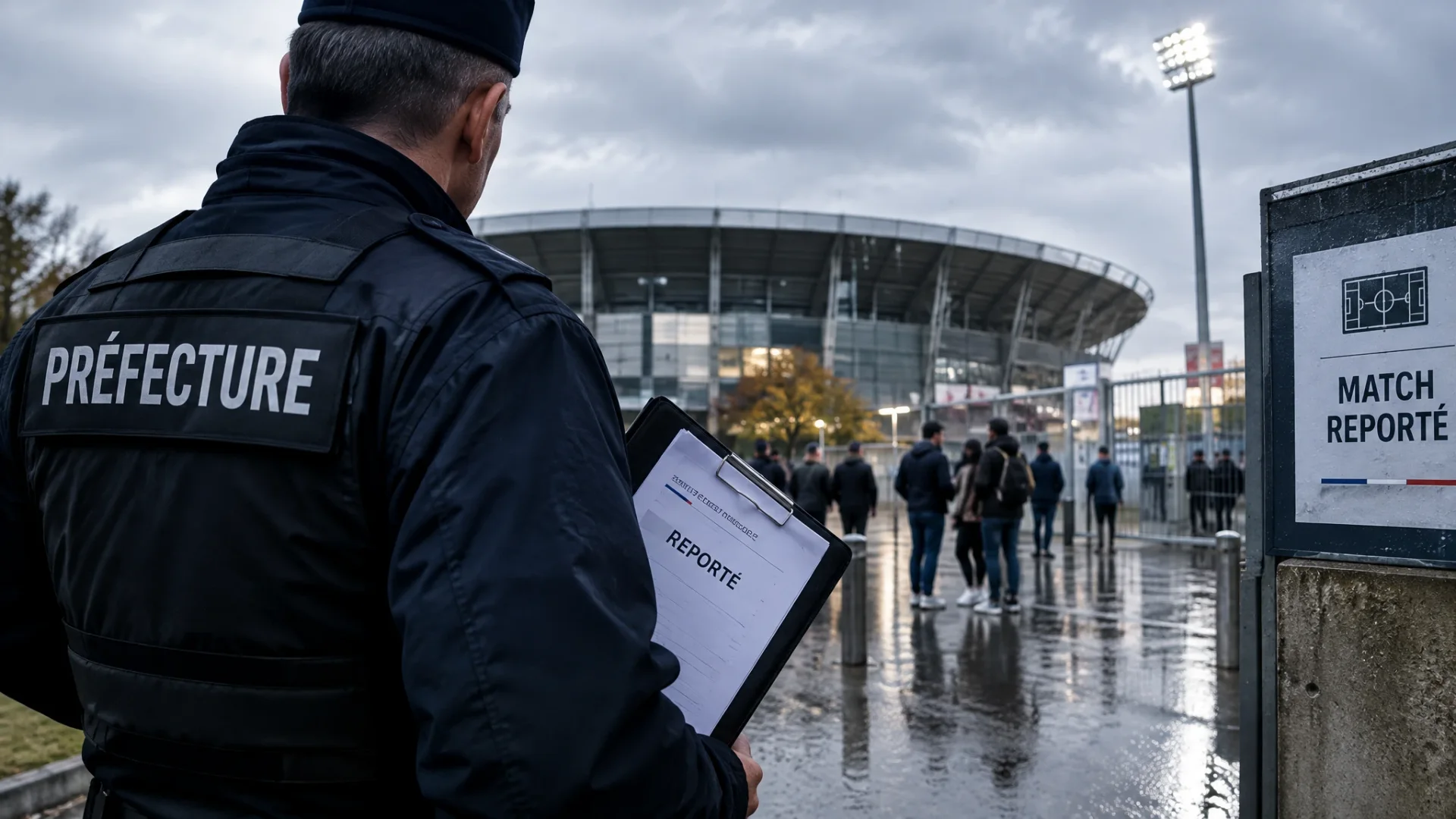
Nice, Lyon, Rennes: when prefects set Ligue 1’s tempo
The reshuffled dates for Nice-Rennes and OL-Angers are not just a calendar nuisance. They show how prefectural security decisions are increasingly shaping Ligue 1’s sporting rhythm.
Étienne MorelThe football, the clubs, the decisions Opinion
PSG and Les Marseillaises: when the shirt becomes a public instrument
PSG and Marseille are no longer just dressing a team: they are using the shirt as a civic, charitable and identity-making object. The real question is simple: who now controls the symbol — the club, the sponsor or the cause?
Étienne MorelThe football, the clubs, the decisions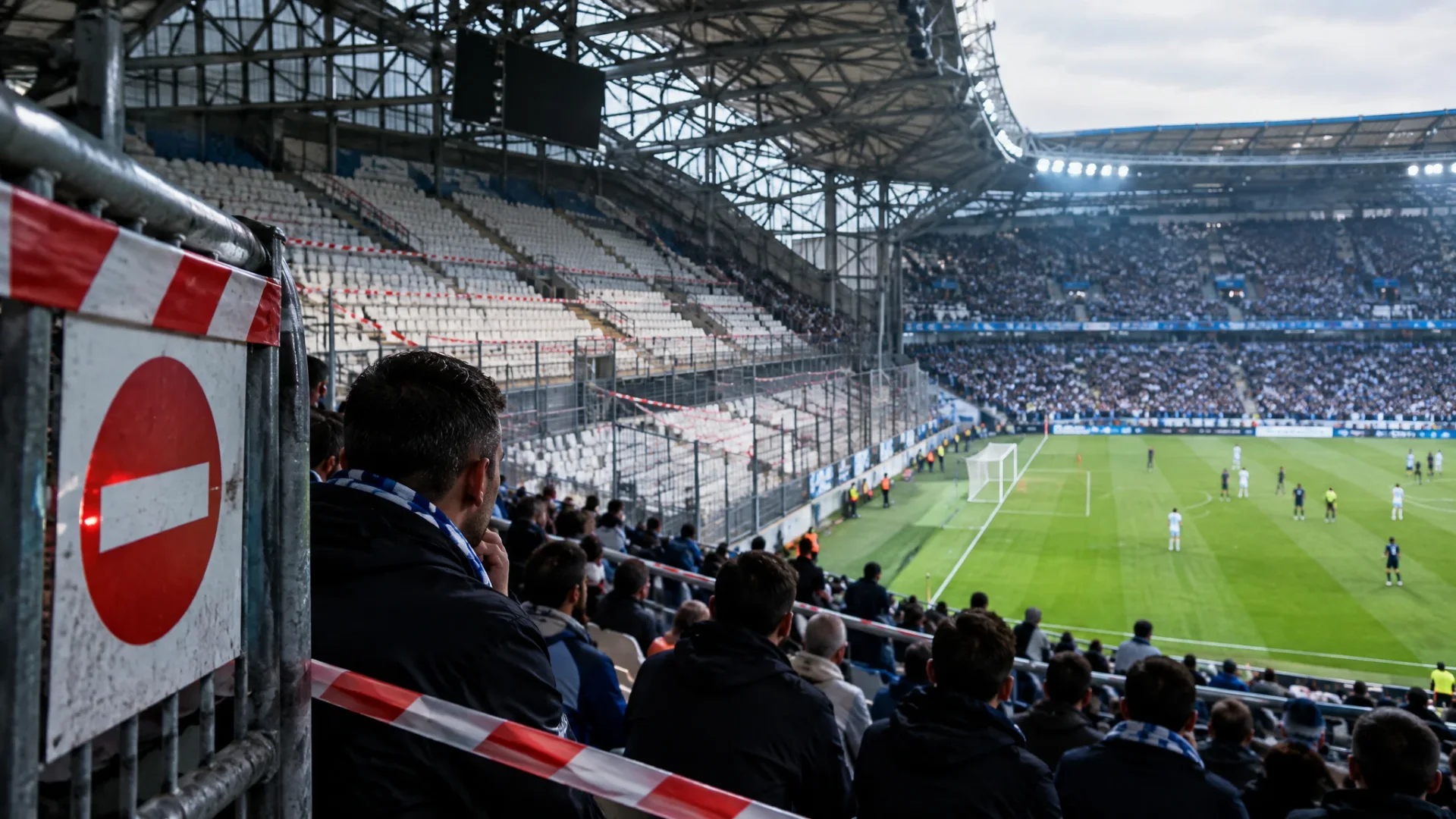 Opinion
Marseille and the Vélodrome: when the Nord stand becomes a tactical handicap
What is a team worth when it is finally playing better just as its stadium loses part of its voice? Marseille’s sanction is a reminder that a club cannot cleanly separate performance from stand-side disorder.
Étienne MorelThe football, the clubs, the decisions Opinion
Rennes atop Ligue 1, for now: a compressed table leaves no room for self-congratulation
After the 3-0 win over Strasbourg, Rennes moves top provisionally. In a tight Ligue 1, the point is not the snapshot but what the club does with it.
Étienne MorelThe football, the clubs, the decisions The Sunday review
Morel on Sunday: French football needs to become easier to love
Fixtures move, television rights return to the negotiating table and ambitious clubs keep promising a brighter tomorrow. This week raises a quieter question than any transfer saga, but a more important one: what makes people want to come back for the next match?
Étienne MorelThe football, the clubs, the decisions