
At Le Havre, PSG are testing their method: winning without stars, without drama
Top of the table before the trip to Le Havre, Paris arrive depleted but not disarmed. The real question is not who is missing, but how Luis Enrique turns that shortage into a footballing principle.

Shortages are no longer an accident
The context is clear: on Friday 30 October at 19:00, PSG travel to Le Havre for matchday 9 of Ligue 1 with several absences already listed in the league’s own pre-match coverage, including Kvaratskhelia, O. Dembélé, Marquinhos and N. Mendes. Paris’s published squad still offers a competitive core, with Hakimi, Zaïre-Emery, João Neves, Doué and Mayulu, plus a few younger players. This is not a team thrown together in panic; it is a rotation stretched thin, which is not quite the same thing.
That is where the story becomes interesting. A big side is defined less by the length of its absentee list than by its ability to make those absences legible in the game. Luis Enrique’s PSG does not need a narrative of bad luck. It needs to prove that its collective framework can absorb shocks without dissolving into improvisation.
Sources : [2] Ligue1.com ↗[3] PSG.fr ↗
Luis Enrique prefers the problem to the excuse
In his press conference, the coach described the top spot as motivation, not comfort. He also framed Le Havre as a test and a challenge, even against a side near the bottom of the table. That way of speaking matters: he does not treat the fixture list as a formality, but as a sequence of tactical laboratories.
The specific point he raises deserves attention: Le Havre’s wing-backs and their crossing threat. In other words, the danger is not only in the opponent’s possession, but in the zone where Paris can switch off, lose width or offer cheap duels in the box. Luis Enrique is right to focus there, because a depleted team is usually hurt not by the opponent’s brilliance alone, but by its own positional laziness.
Sources : [1] PSG.fr ↗
A team that must produce without its showcase names
This PSG has something to defend beyond the winning run mentioned by Ligue 1: an identity. The club also stresses that the players coming off the bench matter, because goals and assists from substitutes say something about the project. I agree, with one caveat: the bench is not a moral ornament, it is a decision-making tool. If it shapes results, it is because the system gives an entrant the conditions to matter immediately.
That is exactly what Paris must show at Le Havre. Without its most visible stars, the team cannot reduce itself to a sum of individual interventions. The real test is not whether a substitute has the game of his life, that lazy cliché of post-match writing. The test is whether the team’s reference points remain solid enough for attacking play, pressing and wide coverage to function with different names on the sheet.
Sources : [1] PSG.fr ↗[2] Ligue1.com ↗[3] PSG.fr ↗
The leader is judged by its economy
On paper, Le Havre-PSG looks like a routine fixture; that is precisely why it could tell us so much. Paris are still the favourites, and the recent head-to-head trend leans firmly their way. But the real issue is not statistical: it is methodological. A serious leader does not always need its ideal XI to impose its hierarchy.
If PSG win by keeping their structure, controlling the flanks and using the bench as a resource rather than a excuse, Luis Enrique will have achieved more than three points. He will have confirmed that shortage is not a word he uses as a shield. It is a method. Over a long season, that distinction can matter more than one more flash of brilliance.
Sources : [1] PSG.fr ↗[2] Ligue1.com ↗[3] PSG.fr ↗
Read next
 Opinion
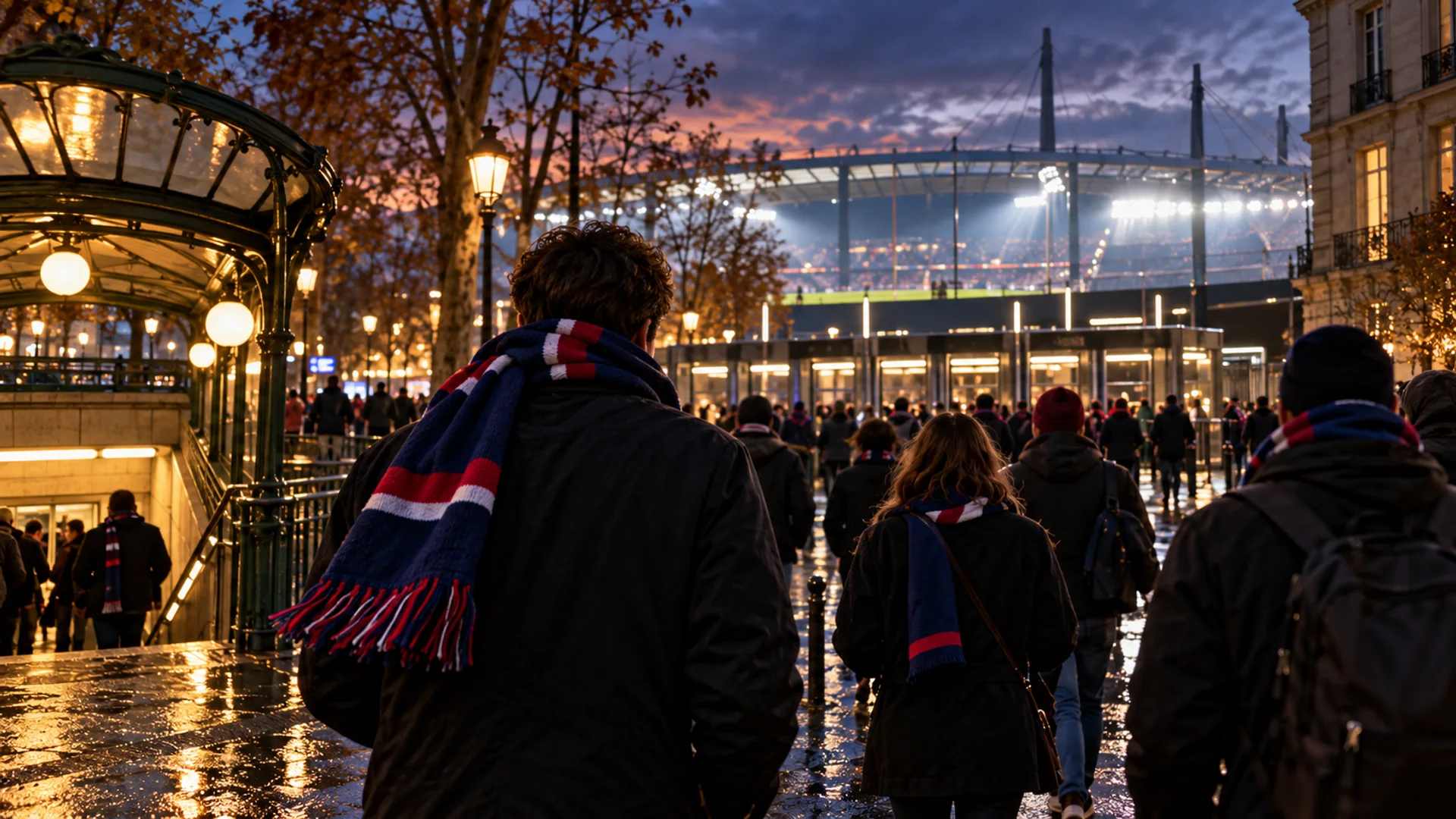
PSG–Lyon: supporters cannot be the spare part
A marquee fixture moves to Monday, a global football ceremony occupies the same evening, and the people who planned their Sunday must adapt. Moving a match can be necessary. Treating its audience as endlessly flexible is a choice.
 Étienne MorelThe football, the clubs, the decisions
 Opinion
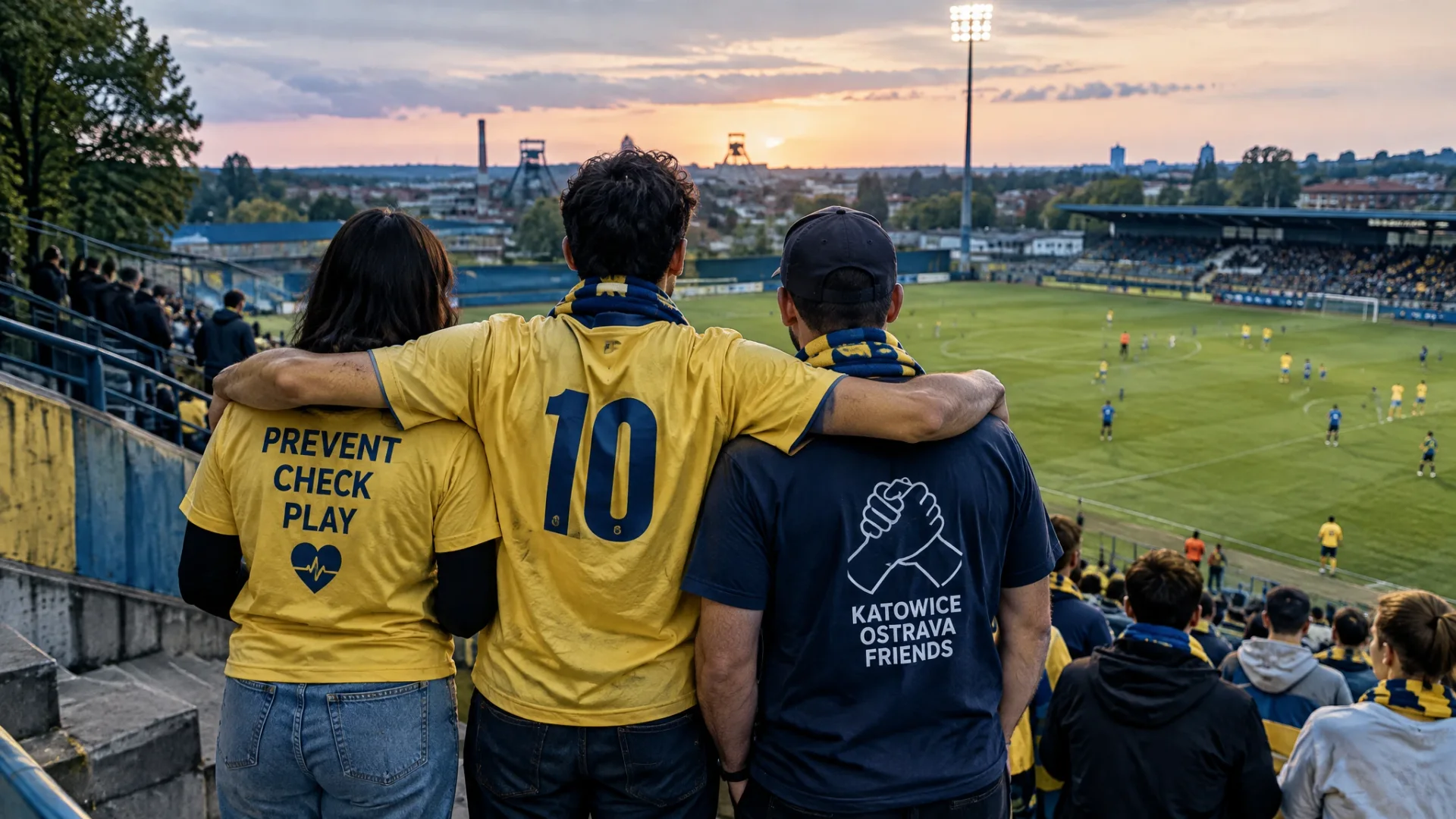
When the shirt serves the stand: Union Saint-Gilloise, Katowice–Ostrava, PSG
When a shirt becomes a public-health tool, a symbol of supporter friendship or the visible frame for a campaign, the real question is simple: does it serve the club, the brand or the terrace first?
 Basil ArtemoffTerraces, Marseille & style
 Opinion
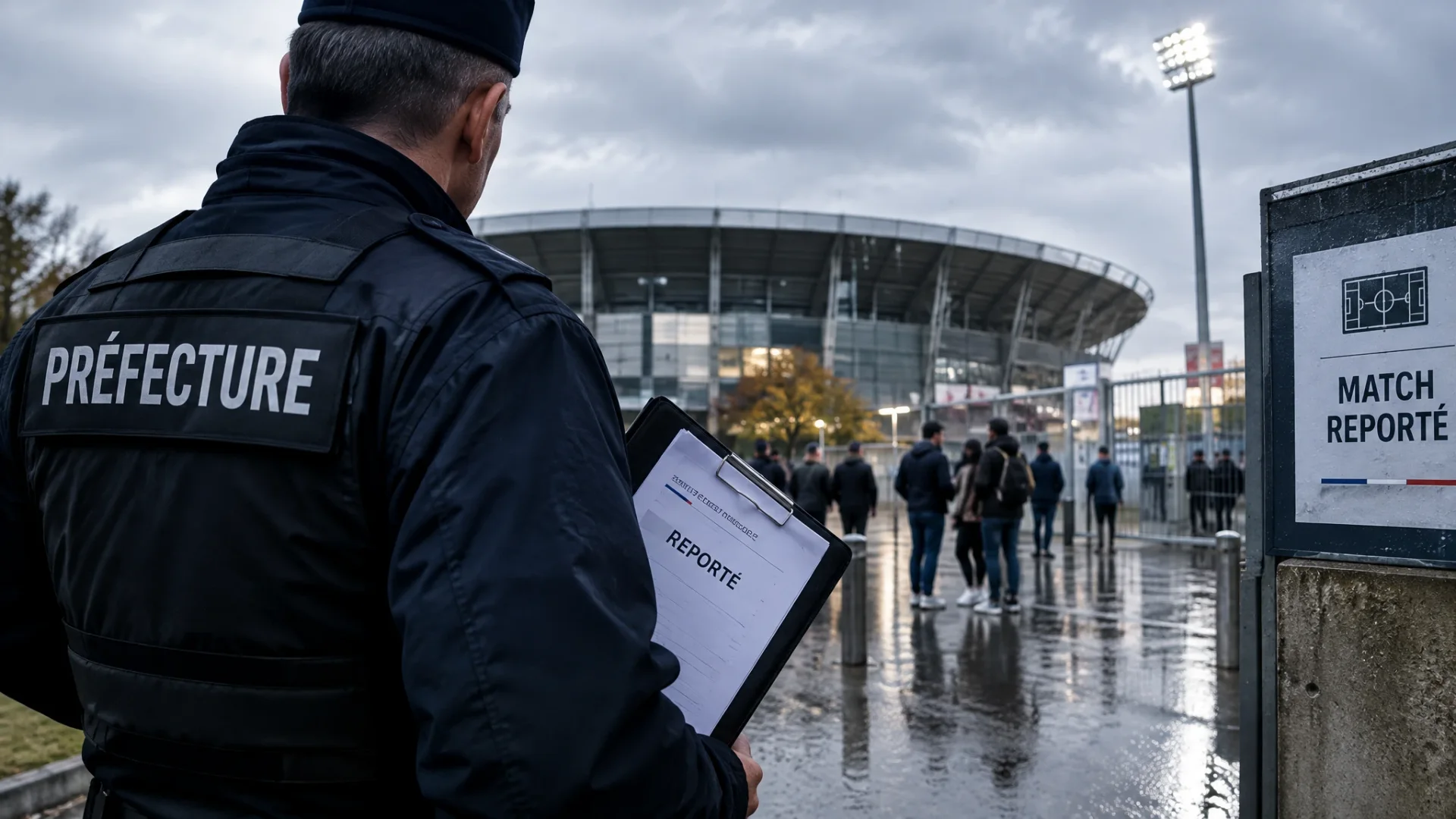
Nice, Lyon, Rennes: when prefects set Ligue 1’s tempo
The reshuffled dates for Nice-Rennes and OL-Angers are not just a calendar nuisance. They show how prefectural security decisions are increasingly shaping Ligue 1’s sporting rhythm.
Étienne MorelThe football, the clubs, the decisions Opinion
PSG and Les Marseillaises: when the shirt becomes a public instrument
PSG and Marseille are no longer just dressing a team: they are using the shirt as a civic, charitable and identity-making object. The real question is simple: who now controls the symbol — the club, the sponsor or the cause?
Étienne MorelThe football, the clubs, the decisions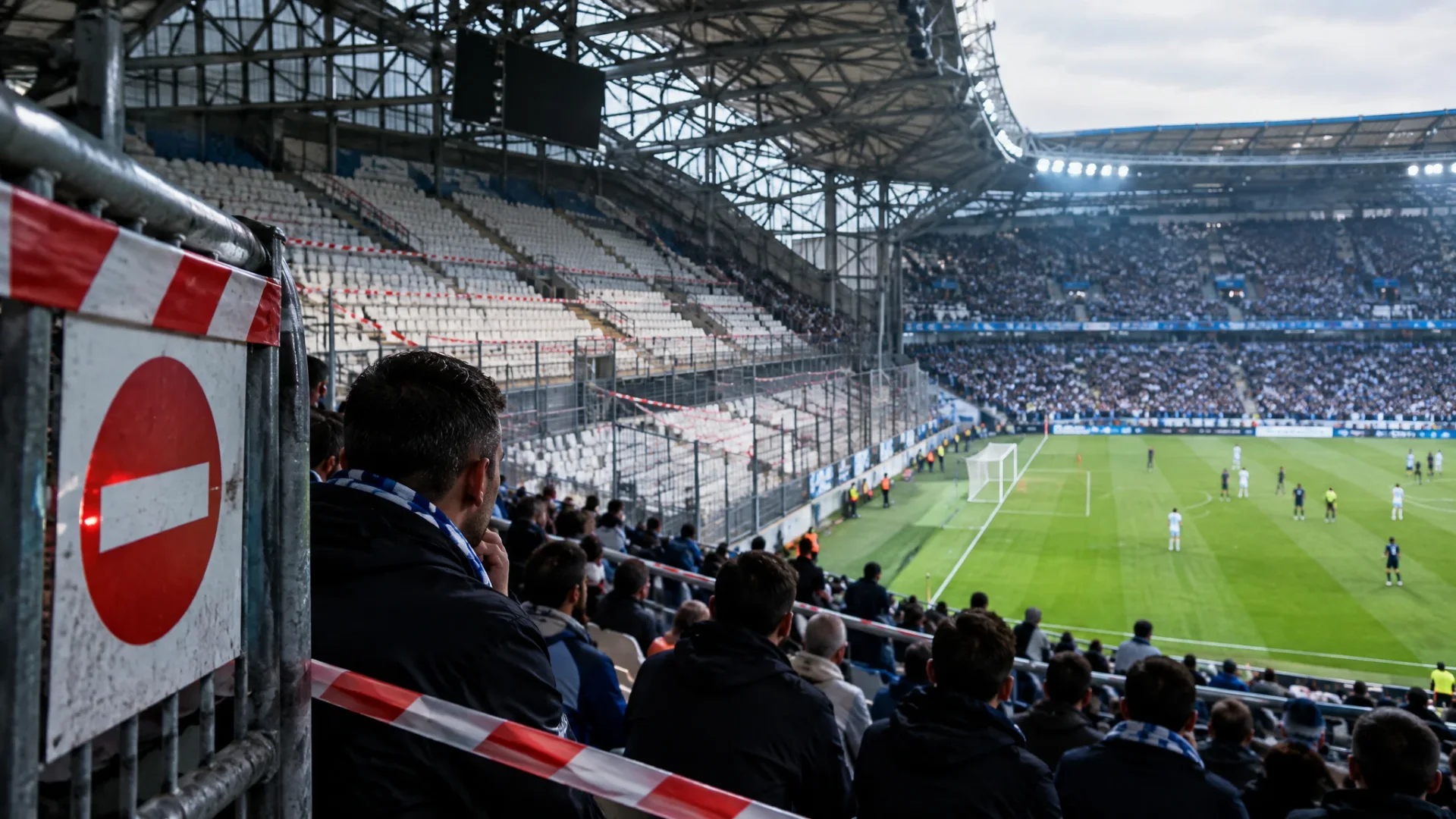 Opinion
Marseille and the Vélodrome: when the Nord stand becomes a tactical handicap
What is a team worth when it is finally playing better just as its stadium loses part of its voice? Marseille’s sanction is a reminder that a club cannot cleanly separate performance from stand-side disorder.
Étienne MorelThe football, the clubs, the decisions Opinion
Rennes atop Ligue 1, for now: a compressed table leaves no room for self-congratulation
After the 3-0 win over Strasbourg, Rennes moves top provisionally. In a tight Ligue 1, the point is not the snapshot but what the club does with it.
Étienne MorelThe football, the clubs, the decisions