
AFA vs FIFA: how far should Argentina push its post-World Cup appeal?
Argentina is not just fighting a sanction. By taking the case further, AFA is testing how much control it really has over the discipline and narrative that collapsed around the 2026 World Cup.
This is not closed, it is being reopened
AFA said it received FIFA Appeal Committee decisions on 6 November in cases opened after the incidents of the 2026 World Cup. According to the federation, Nahuel Molina’s suspension was reduced to four matches with a $60,000 fine, while Leandro Paredes’ suspension and AFA’s own fines for discriminatory chants were upheld. AFA also said it would request the reasons for the rulings before taking the case to CAS/TAS for further review. [1]
That may sound procedural, but it is not minor. In a tournament ending, the body that accepts punishment without a fight signals limited control over what happened off the pitch; the body that appeals signals that it still wants to shape the official meaning of the episode. AFA is not defending only a player or a bill. It is trying to stop the post-World Cup story from becoming a story of institutional failure. [1]
Sources : [1] AFA ↗
What FIFA had already put into the file
The background matters. In July, FIFA had opened disciplinary proceedings against Argentina over a banner linked to the Falklands displayed after the semi-final win over England, and more broadly over incidents tied to the post-final chaos and possible breaches of disciplinary provisions. That earlier reporting also identified Leandro Paredes and Nahuel Molina among the players under scrutiny. [2]
The point is not the provocation value of those images. It is what they do to governance. When a tournament ends in disorder, discipline becomes a form of narration: are these events treated as emotional excess, or as evidence of a deeper problem? By appealing, AFA refuses to let the episode be dismissed as mere noise. [2]
Sources : [2] The Guardian ↗
Why appealing changes the politics of control
My view is that AFA is right to ask for the reasons before going further, but wrong if it treats the appeal itself as a success. Going to CAS/TAS may trim an excessive sanction; it can also deepen the impression that Argentina is mainly fighting for its own names and symbols rather than correcting the behaviour that triggered the case. That difference matters. [1]
A serious federation does more than protect its players. It sets boundaries that make sense, especially after a tournament where the line between celebration and excess was blurred. If AFA wants to persuade anyone, it has to show it understands the seriousness of discriminatory chants and the conduct that fed the proceedings, not just that it can argue for a lighter punishment. Otherwise, it may win the file and lose the argument for authority. [1][2]
Sources : [1] AFA ↗[2] The Guardian ↗
Who really controls the aftermath?
This case says something broader about Argentine football: the biggest teams are judged not only by how they play, but by how they absorb the consequences of their own disorder. After a World Cup, the issue is not simply saving a few suspensions. It is deciding who speaks for the group, who owns the consequences, and who imposes discipline that can be recognised when public emotion is at its peak. [1][2]
AFA has chosen confrontation. That is defensible, provided it does not confuse firmness with denial. An appeal can be a legal tool; it becomes evidence of institutional fragility if it is used to postpone responsibility instead of clarifying it. For Argentina, the real question is not only what CAS/TAS will decide. It is whether football authority can finally regain control after all that noise on and off the pitch. [1]
Sources : [1] AFA ↗[2] The Guardian ↗
Read next
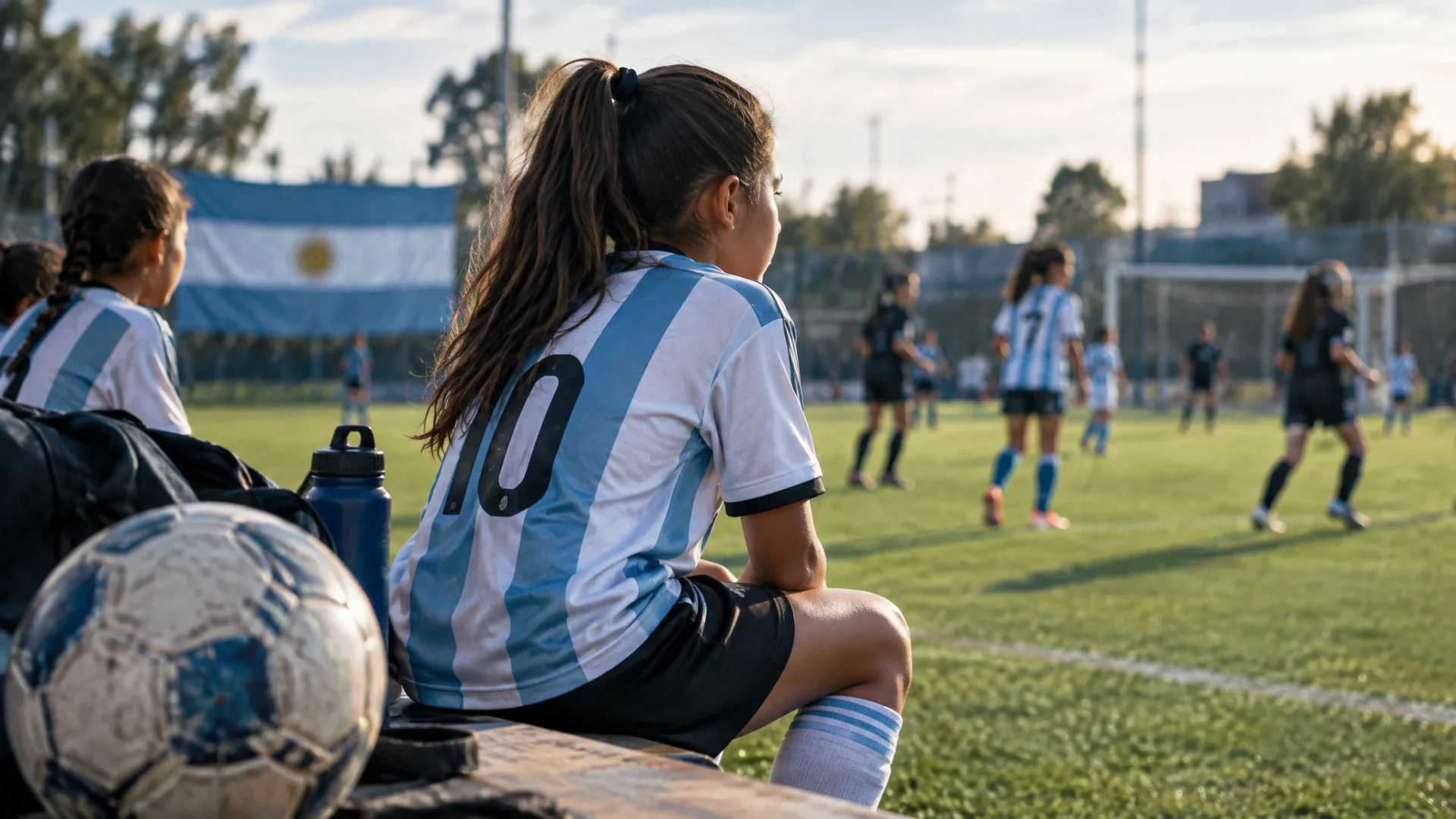 Opinion
Platense, AFA’s U-12 girls’ tournament and the real question: can Argentina build a lasting pathway?
Argentina is starting to build its women’s pipeline from both ends: a visible U-17 team abroad and a first official U-12 girls’ tournament at home. The point is not celebration, but continuity.
 Inès ValençaLatin America & world football
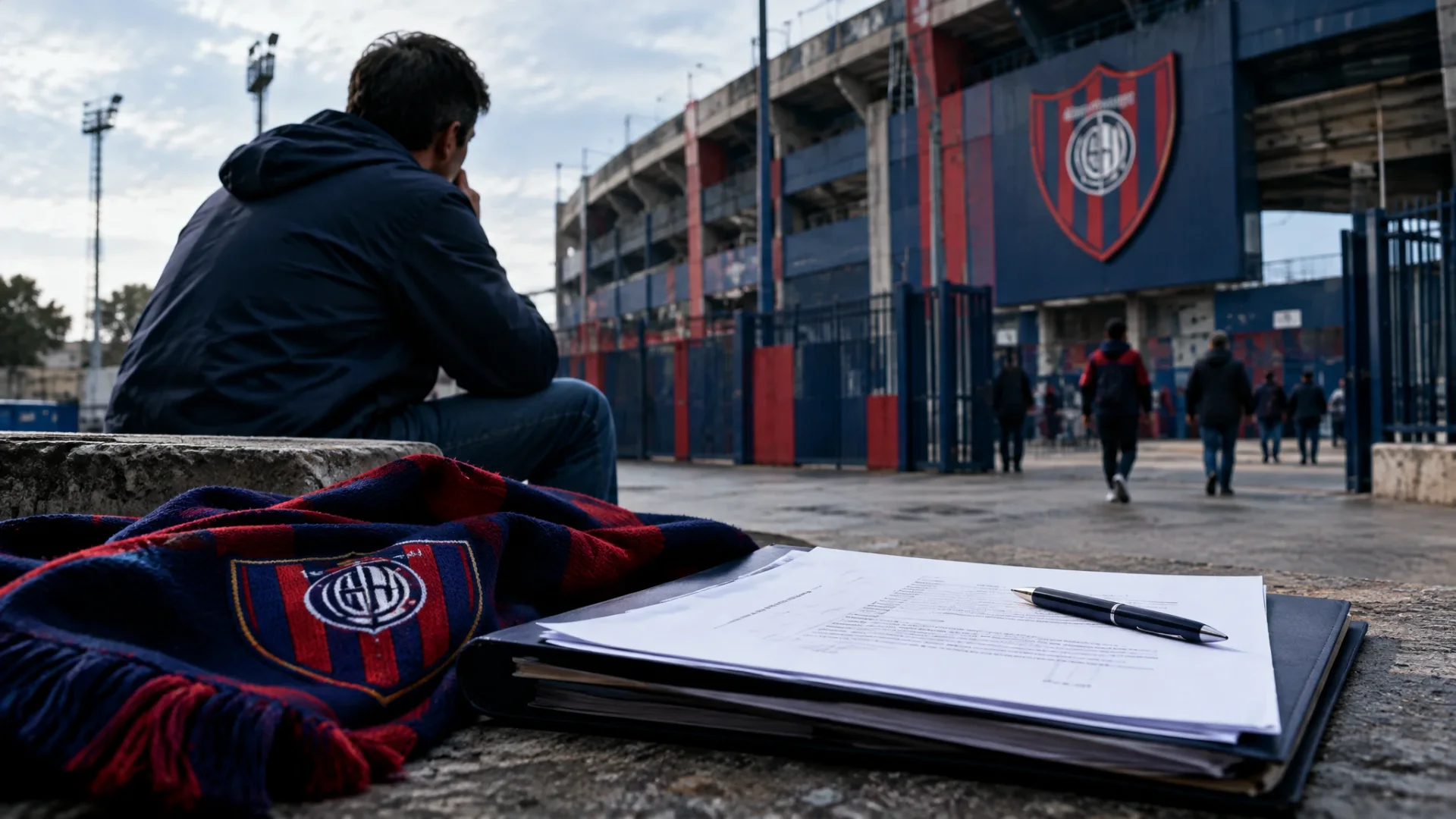 Opinion
San Lorenzo is suing itself through its former president
Why does San Lorenzo’s crisis go beyond a balance sheet? Because a former president is now demanding $270,000 from the club while the current board says it still needs about $700,000 just to unlock sporting operations.
Inès ValençaLatin America & world football Opinion
Uruguay, Argentina and the AFA: November is already manufacturing the post-Messi era
This November window is less about nostalgia than administration: squads, schedules and ticketing already show how the next cycle is being packaged.
Inès ValençaLatin America & world football Opinion
Avaí: financial “rebalancing” means little if wages still go unpaid
The club says it is tightening the budget to survive. But what does that mean when players and staff are still owed wages, training is boycotted and one forward takes the dispute to court?
Inès ValençaLatin America & world football Opinion
Cruzeiro, the Copa Libertadores Femenina and the real value of a prize-sharing promise
The question is not whether to applaud the gesture, but whether Cruzeiro’s announced prize split changes how the women’s team is treated once the cameras leave.
Inès ValençaLatin America & world football Opinion
Without Messi, Scaloni starts reshaping Argentina against Uruguay and Costa Rica — and the AFA is already selling the window
This first squad without Messi is less about mourning than reordering. Scaloni is beginning to rework the group for November, while the AFA turns the window into a public product with tickets already on sale for Argentina-Uruguay in Buenos Aires.
Inès ValençaLatin America & world football